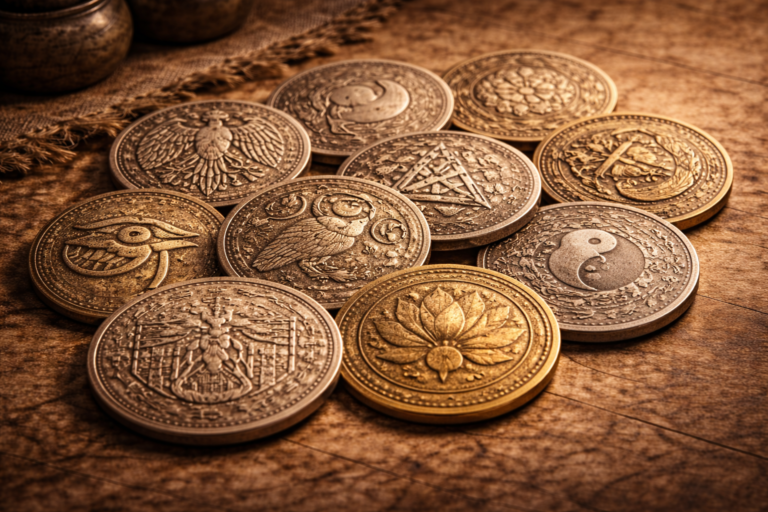
Reading History Through Coin Imagery
Estimated reading time: 20 minutes
History is not only written in books. It is pressed into metal, carried in pockets, worn smooth by time, and passed silently from hand to hand. Coins are among the most honest historical documents we possess—not because they tell the full story, but because they reveal what power wanted people to see.
To read history through coin imagery is to read the language of symbols. A language designed to be understood without literacy, debate, or explanation.
Why coin imagery matters
Coins were never neutral decorations. Every image was chosen, approved, and repeated with purpose. To study coin imagery is to study how societies communicated authority, belief, and identity visually.
- Coins as Visual Historical Documents
- Why Images Were Chosen Over Words
- Power and Authority in Coin Imagery
- Belief, Religion, and the Sacred
- Everyday Life Reflected in Small Symbols
- What Coin Imagery Leaves Out
- Tracking Change Through Design Shifts
- How Ordinary People Read Coins
- Modern Ways We Still Read Coins
- Share and Reflect
- About PastMint
Coins as Visual Historical Documents
Unlike texts, coins were not meant to be questioned. They were meant to be used. That makes them uniquely powerful historical sources.
Coins tell us what rulers prioritized, what values were promoted, and which stories were safe to repeat. They show official truth, not lived truth—but official truth shaped reality.
Why Images Were Chosen Over Words
Most ancient populations could not read. Images solved that problem instantly.
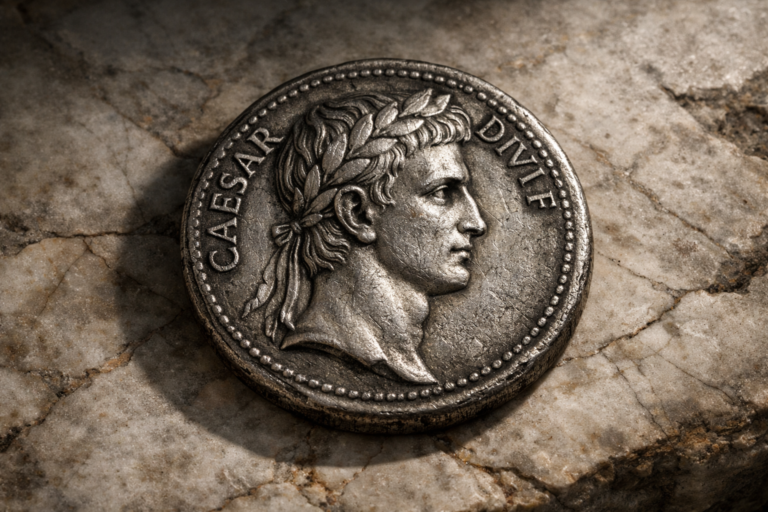
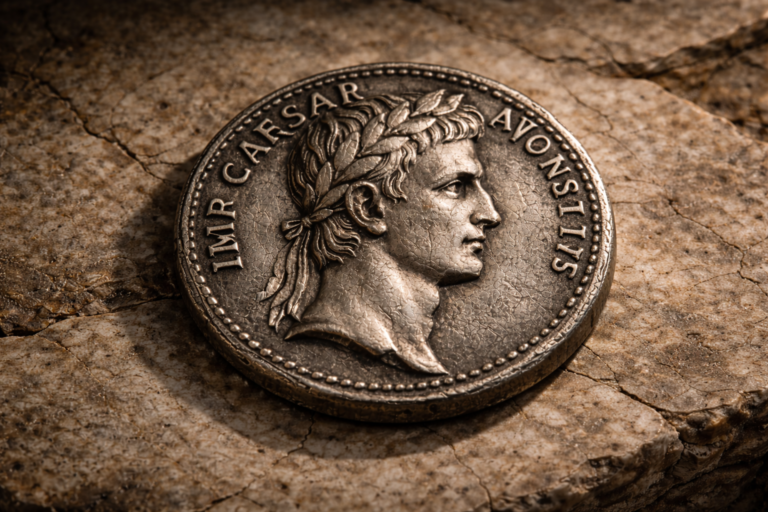
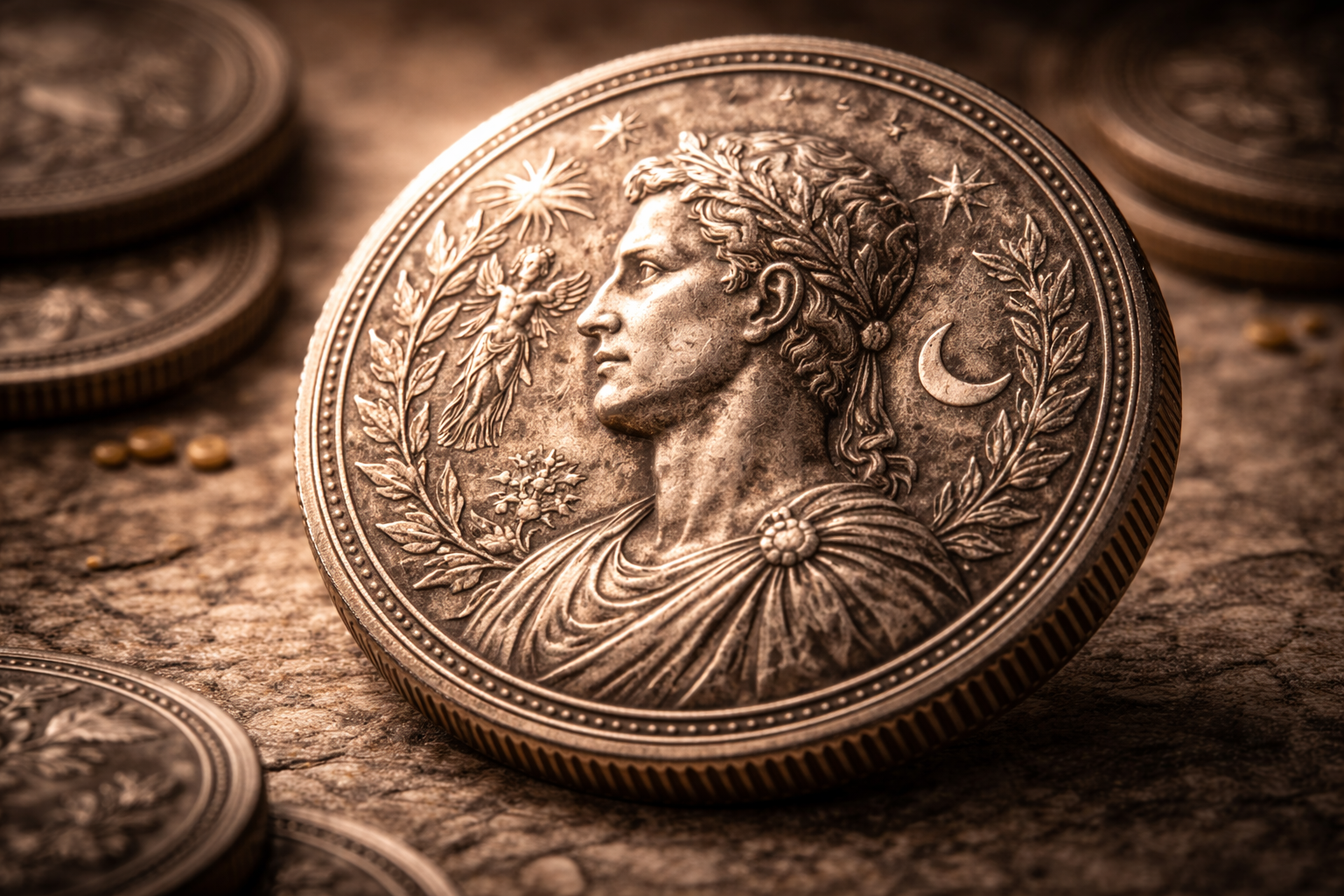
A laurel wreath meant victory. A crowned head meant authority. A god meant protection. No explanation was needed.
Power and Authority in Coin Imagery
Power appears on coins constantly—and deliberately. Rulers appear calm, youthful, strong, or divine. Never weak. Never uncertain.
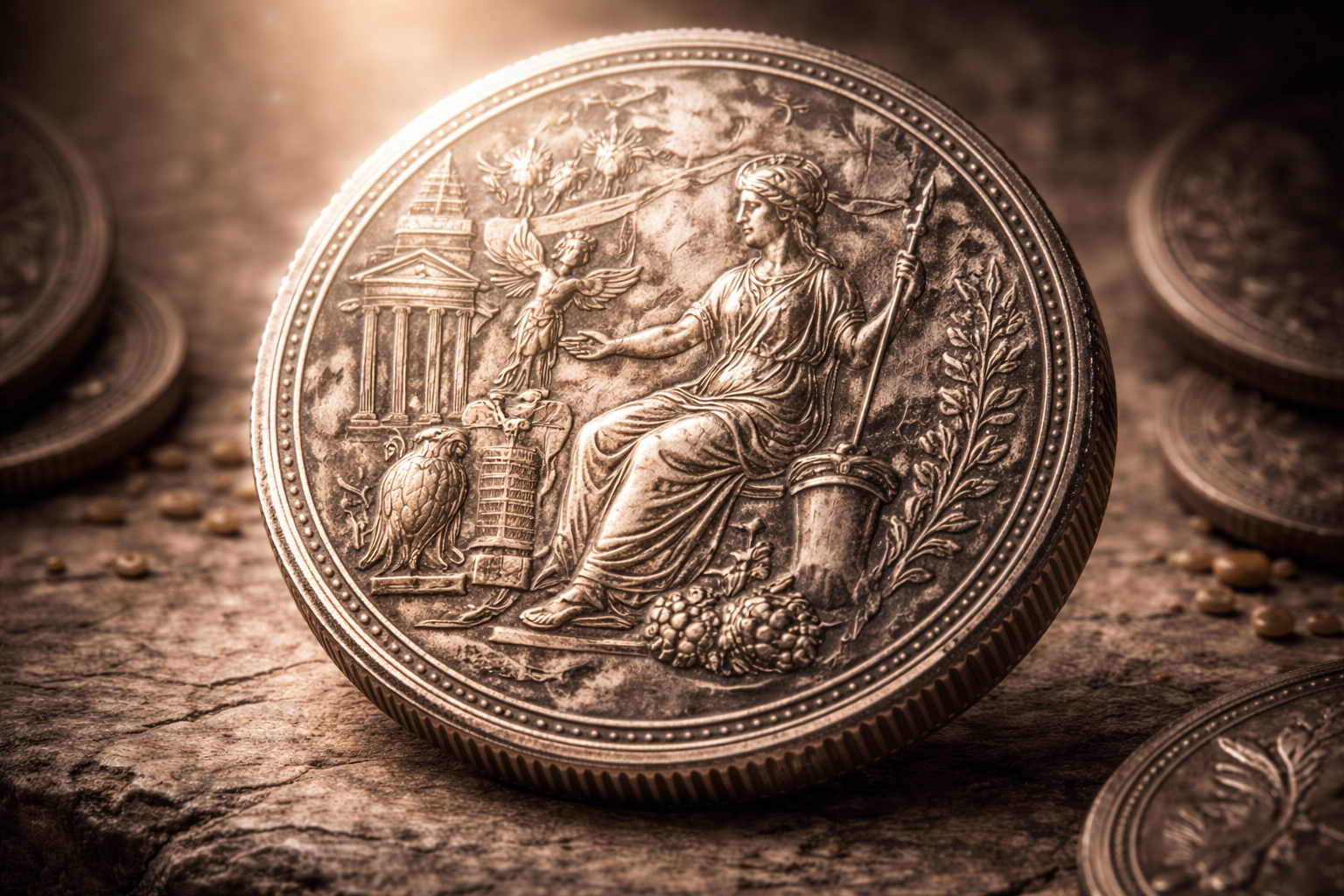
Repeated exposure mattered more than realism. The image did not show the ruler as he was. It showed power as it should feel.
Reality Check
Coin imagery was not meant to persuade skeptics. It was meant to normalize authority through repetition.
Belief, Religion, and the Sacred
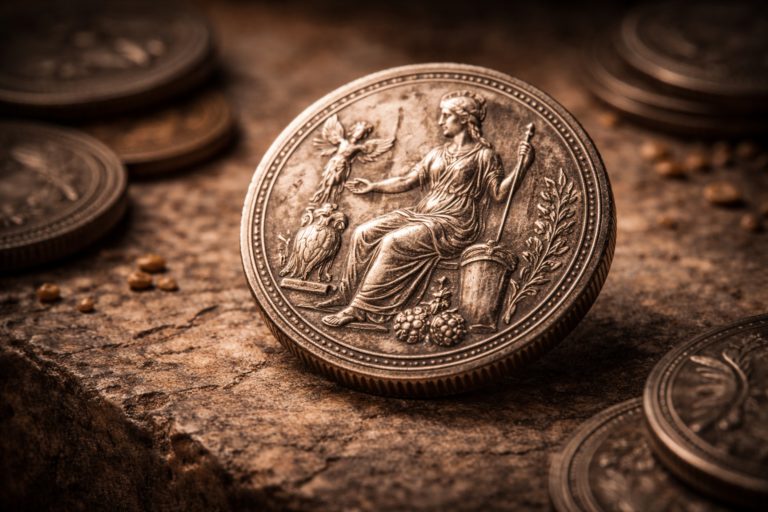
Gods appear on coins not just for faith—but for reassurance. They suggest order, destiny, and cosmic approval.
Coins quietly connected daily transactions with divine structure. Spending money became an act within a meaningful universe.
Everyday Life Reflected in Small Symbols
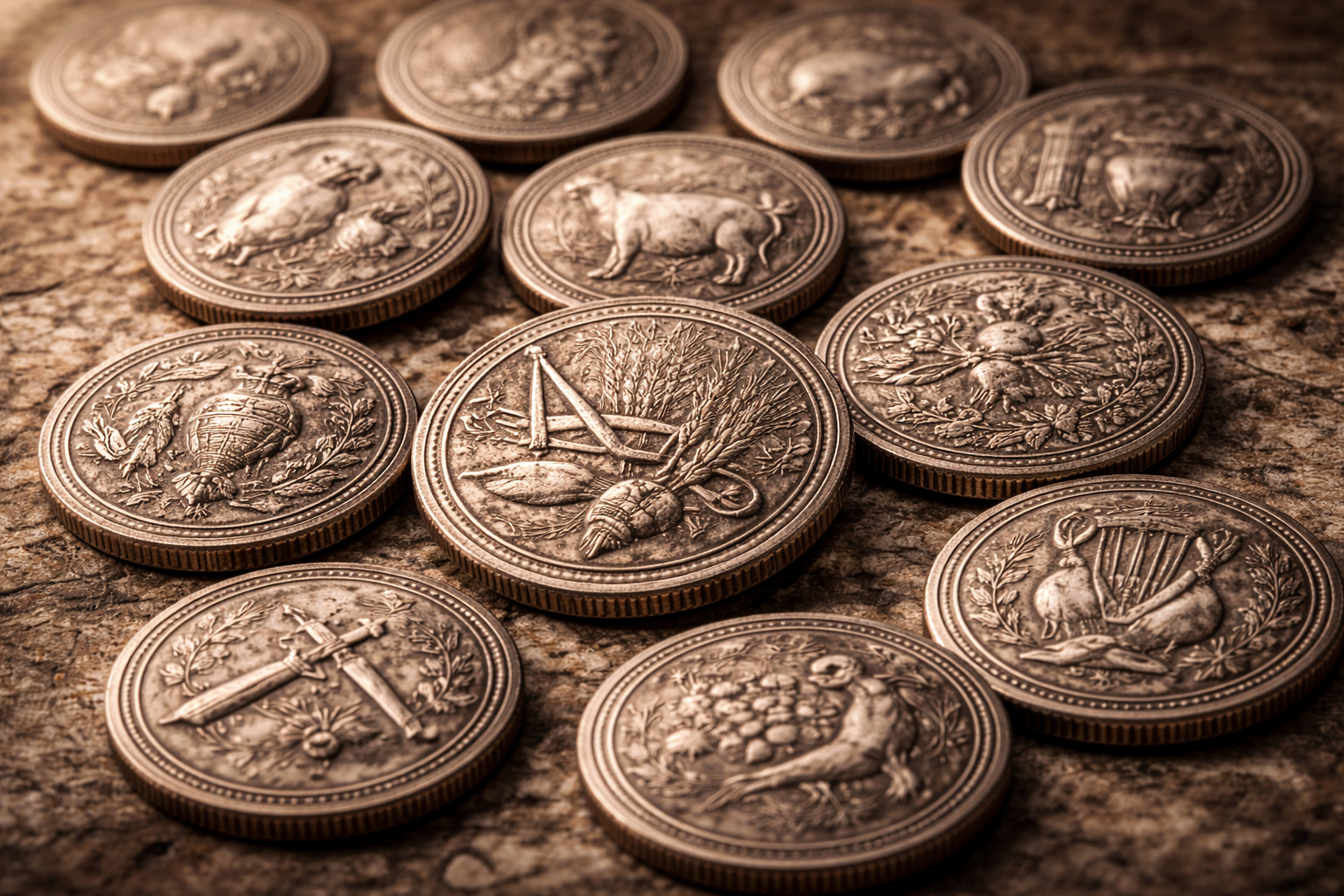
Not all coin imagery was grand. Some symbols reflect agriculture, animals, tools, and trade. These details reveal what societies depended on to survive.
What Coin Imagery Leaves Out
Coin imagery hides as much as it reveals. Defeats disappear. Failed rulers vanish. Chaos is replaced by calm symbols.
Silence is part of the message.
Tracking Change Through Design Shifts
When imagery changes, history shifts. New symbols often signal crisis, reform, or anxiety.
Coins help historians detect moments when societies felt unstable—even if texts stay silent.
How Ordinary People Read Coins
Most people never analyzed coins consciously. They absorbed meaning through repetition.
Coins trained perception quietly—shaping what felt normal, legitimate, and trustworthy.
Modern Ways We Still Read Coins
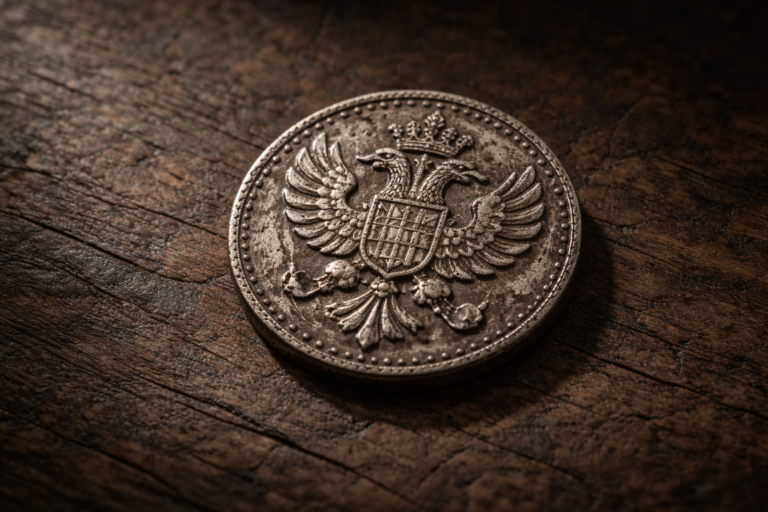
Modern money still uses imagery. Portraits. National symbols. Commemorative designs.
We still read history through objects—even if we no longer notice doing so.
Final Verdict
Coins are visual history. They record not events, but intentions. To read coin imagery is to read how power wanted to be seen—and how societies were taught to see themselves.
Share and Reflect
If this article changed how you look at coins, share it with someone who loves history through objects.
Article link:
Reading History Through Coin Imagery
Reflection question: What everyday image today will future historians read as a symbol of our time?
About PastMint
PastMint
PastMint explores the hidden stories behind money, symbols, and everyday objects. By reading history through material culture, we uncover how meaning—not just events—shaped civilizations.