How Coins Communicated Identity
Estimated reading time: 18 minutes
Identity is usually explained with words—names, flags, languages, and stories. But for most of history, many people could not read long texts, and many societies were held together by symbols more than speeches.
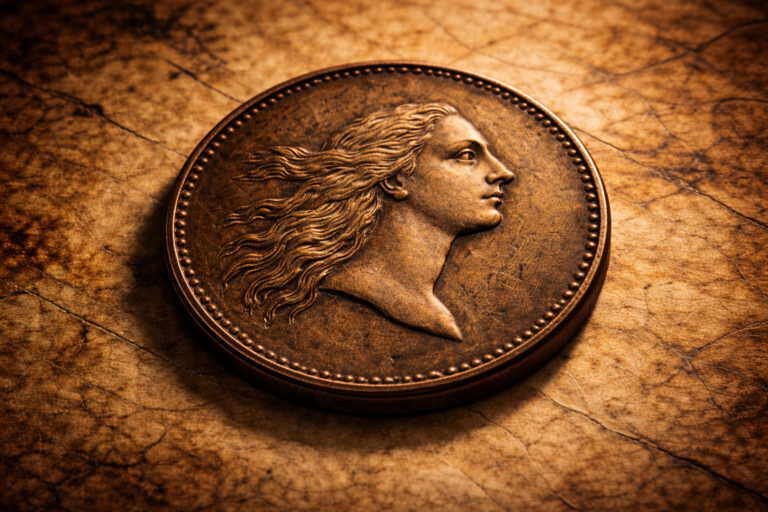
That is why coins matter. A coin could speak without speaking. It could tell you who ruled, who belonged, and what kind of world you lived in—simply by being in your hand every day.
What this article is really about
Not about prices. Not about collecting. This is about how coins worked as everyday identity signals—turning culture, authority, and belonging into something people could recognize instantly.
- Identity Without Words
- Why Coins Became Identity Tools
- Belonging in Metal
- Authority Made Familiar
- Symbols People Could Read Instantly
- How Ordinary People Experienced Identity
- Foreign Coins and Cultural Contact
- Trust, Habit, and Recognizable Design
- How Identity Shifts Show Up on Coins
- Modern Echoes of the Same Mechanism
- Share and Reflect
- About PastMint
Identity Without Words
If you live in a world where information moves slowly, the simplest signals become the strongest. You do not have to “learn” them the way you learn a book. You absorb them through repetition.
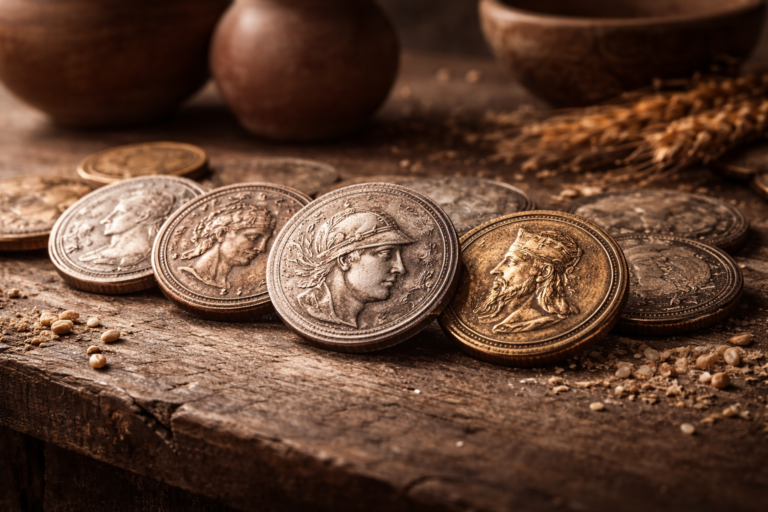
Coins were among the most repeated objects in daily life. They passed through markets, wages, taxes, travel, gifts, and savings. Even a person who never traveled could still hold evidence of a larger world in their palm.
That is the quiet power of coin identity: it did not require a classroom. It did not require persuasion. It required only circulation.
Why Coins Became Identity Tools
Coins were practical objects, but they were also official objects. A coin told you that a system existed behind it: a mint, a rule-set, a shared expectation, and a public authority that made the coin “count.”
That official nature created a perfect space for identity messaging. If a ruler wanted people to recognize a regime, coins could do that without debate. If a city wanted to be seen as independent, coins could announce that. If a culture wanted continuity, coins could repeat familiar symbols until they felt permanent.
And because coins moved constantly, the message traveled further than most people ever could.
Reality Check
Coins did not create identity from nothing. They amplified identity—making existing power and belonging feel normal, visible, and daily.
Belonging in Metal
Belonging is emotional before it is political. People want to feel part of something stable—especially in a world where life is uncertain. Coins helped create that feeling through familiarity.
A recurring symbol can act like a quiet handshake. You see it, you recognize it, and you feel oriented. This is why many coin designs are not “creative” in a modern sense. They are consistent. Consistency is the message.
In practice, coins helped answer daily questions without words: Which system do I live under? Which community recognizes this object? Who else will accept it? Where do I belong?
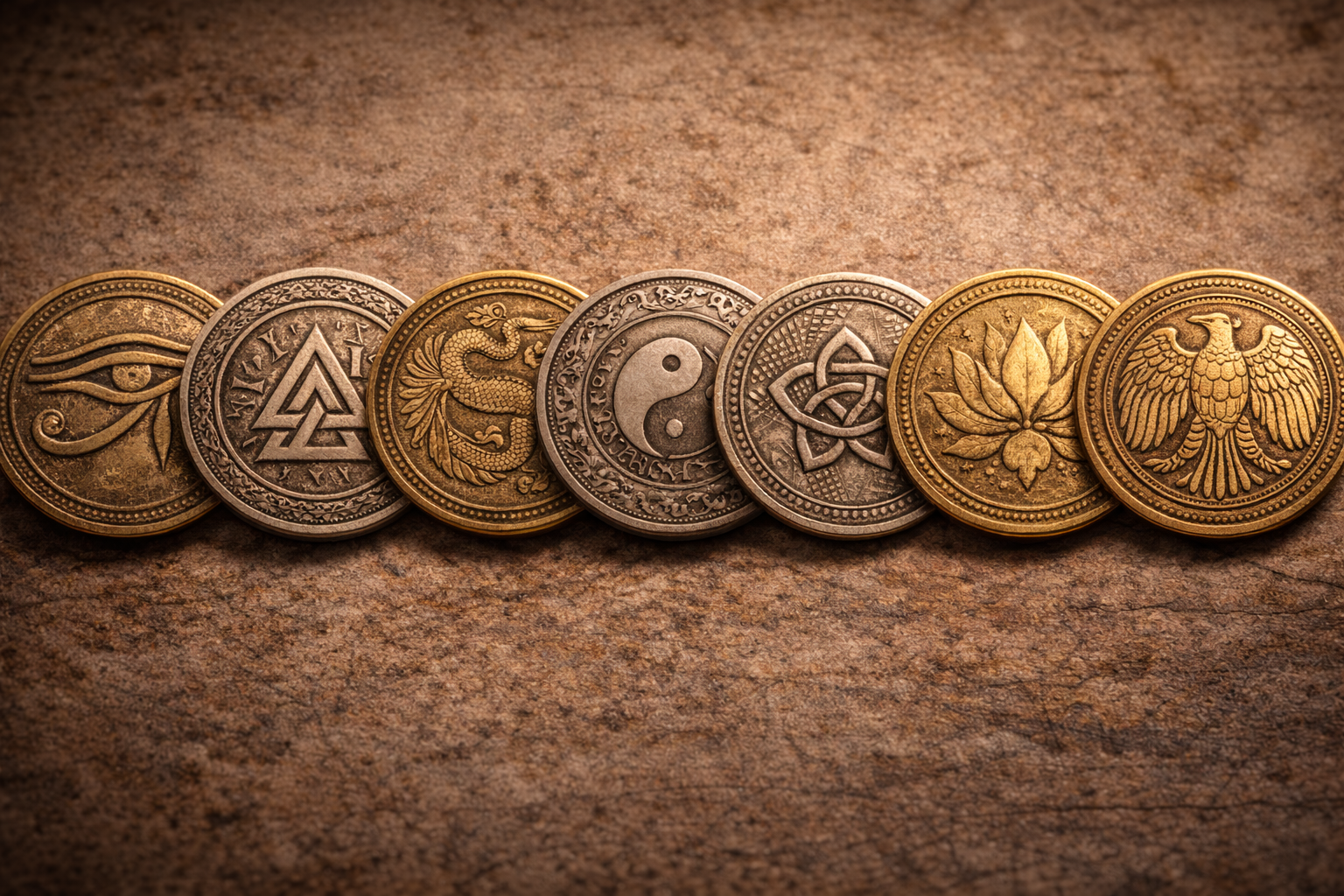
Even when people could not define their identity in abstract terms, they could still feel it through objects. Coins were among the most frequent identity objects because they entered life through necessity. You did not have to “choose” them. You needed them.
Authority Made Familiar
Authority is easiest to accept when it feels familiar. Coins made authority familiar by placing it into everyday circulation.
If a ruler appears in your hand every day, the ruler becomes psychologically close. Not because you admire the ruler, but because the image becomes normal. This is the same mechanism that makes certain logos or symbols feel trustworthy today: repeated presence creates perceived legitimacy.
Coins also created a hierarchy of recognition. Even if you never saw officials, you could still identify the system by its money. That is why the “look” of money matters so much. It becomes a public signature of power.
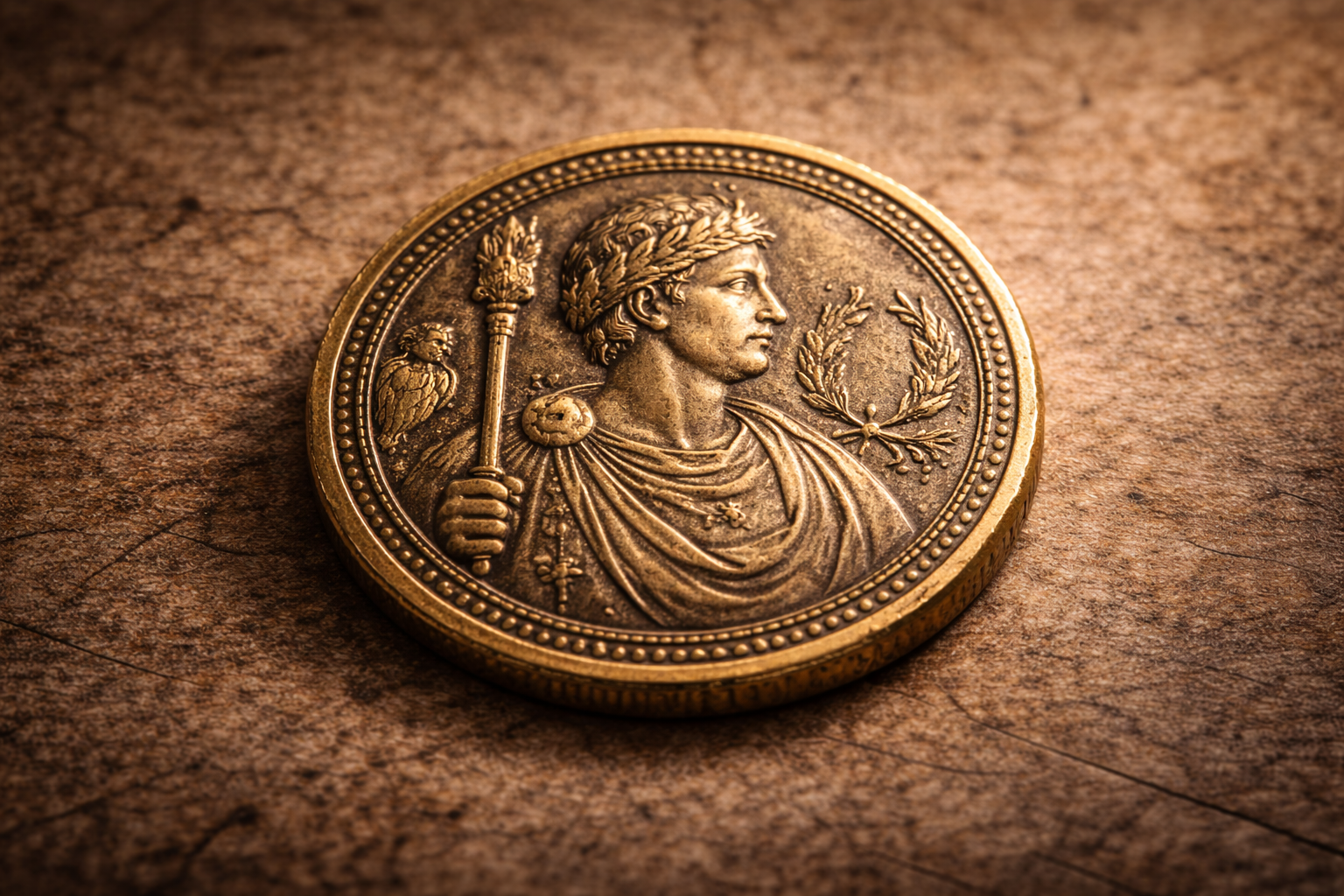
Notice the subtlety: coins do not argue that authority is legitimate. They behave as if it already is. That “already” is what repetition creates.
Symbols People Could Read Instantly
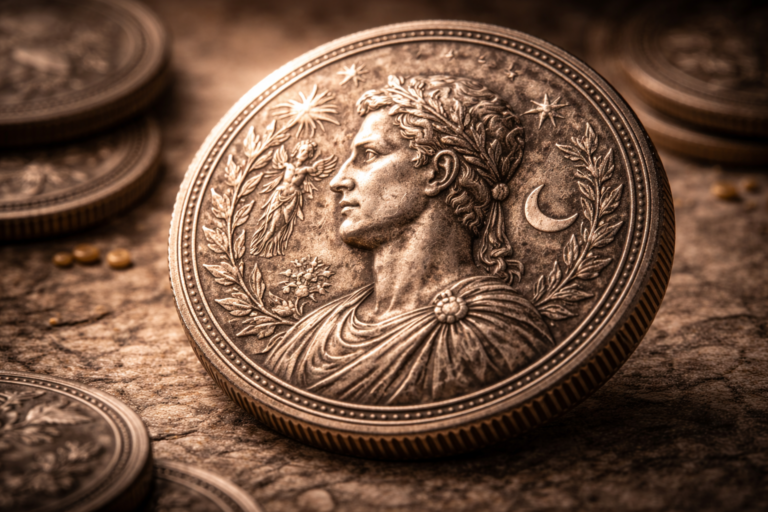
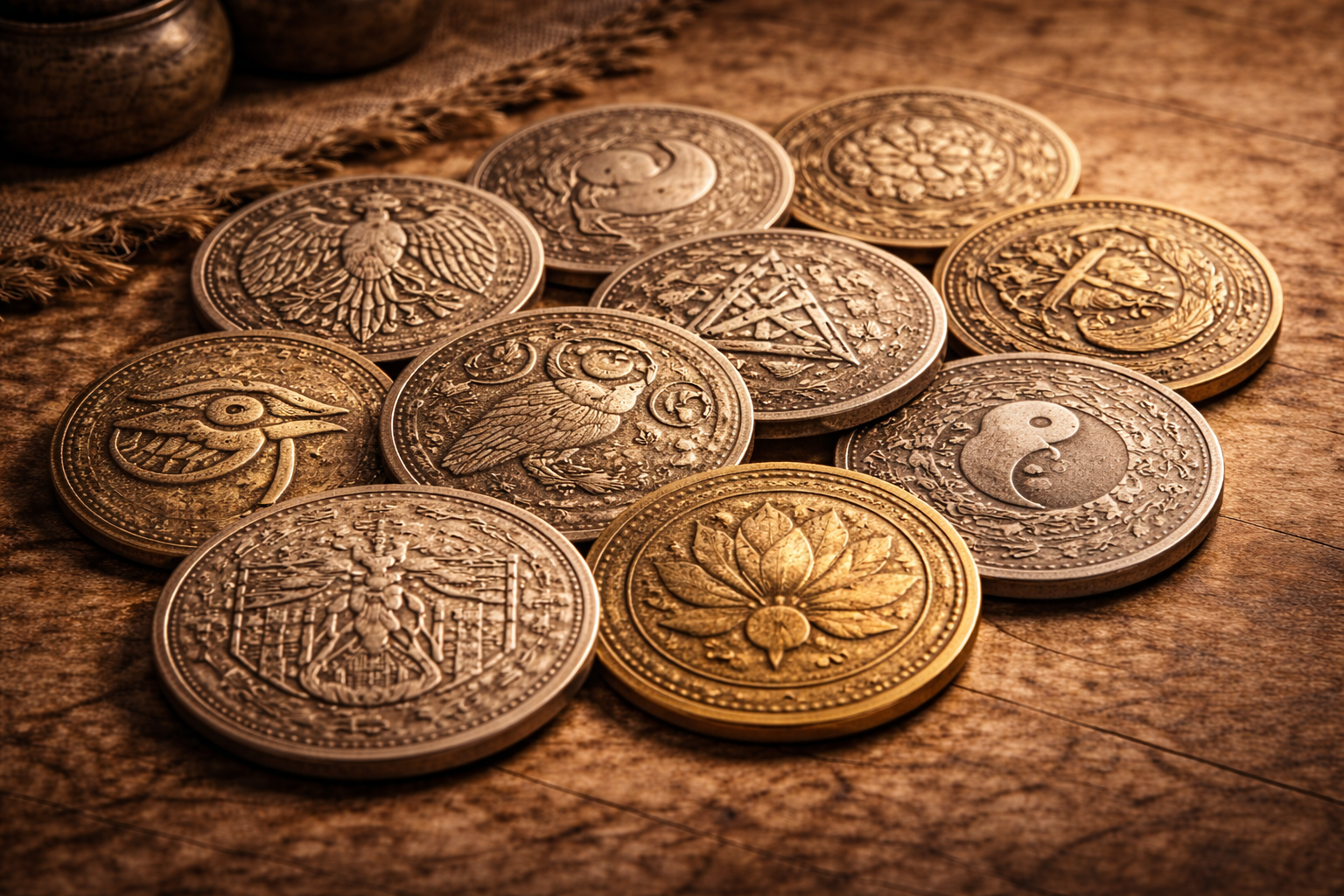
Coin identity depends on speed. A coin had to communicate quickly, because people used coins in quick transactions. That is why coin imagery often relies on a tight visual vocabulary: wreaths, animals, tools, divine signs, architecture, and recognizable portraits.
These symbols worked like shortcuts. They triggered associations without requiring explanation. A symbol might suggest victory, stability, protection, tradition, or city pride. Even when interpretations varied, recognition still did its job: it made the coin feel “from somewhere.”
In everyday life, that mattered more than precise meaning. People did not need to interpret like scholars. They needed to recognize like humans.
It is a signal.
How Ordinary People Experienced Identity
Most historical discussions focus on elites, but identity works strongest at the ordinary level. Ordinary people experienced identity as routine: the market, the wage, the tax, the small decision to buy bread today or wait until tomorrow.
Coins shaped those routines and therefore shaped perception. A person could feel the presence of a wider system without understanding politics. The money made the system real.
This also explains why changes in coin design can feel unsettling. When money looks different, people sense a shift—even if they do not know why. A new symbol may trigger suspicion. A new portrait may feel like uncertainty. A familiar design feels like continuity.
In that sense, coins did not only communicate identity. They maintained it. They kept it stable through repetition.
Foreign Coins and Cultural Contact
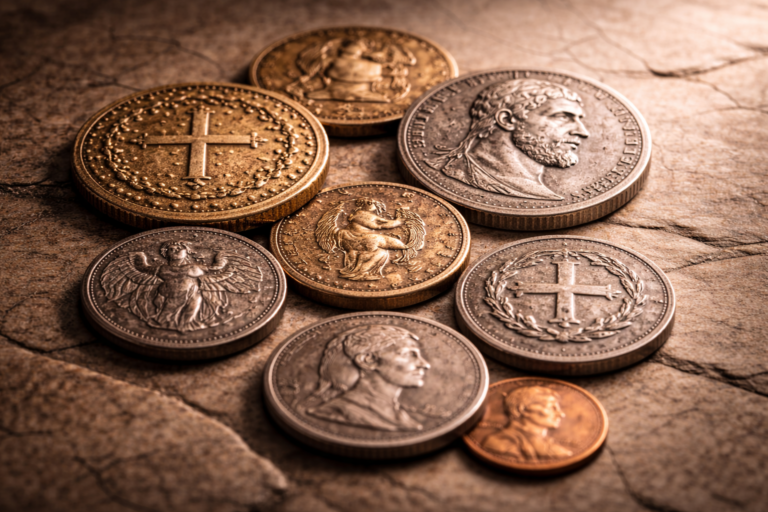
Foreign coins create fascinating identity moments. If you accept foreign money, you are accepting that an outside system can function inside your daily life. That is a form of cultural contact.
Sometimes foreign coins circulated because trade demanded it. Sometimes because certain coinage was widely trusted. Sometimes because people had no better option. But the effect is always the same: foreign imagery becomes familiar. And familiarity reduces psychological distance.
Over time, mixed circulation can soften borders. It can create zones of shared economic identity even when political identity remains separate. That is one of the earliest forms of “global feeling” in the ancient world: you may not meet outsiders, but you touch their symbols.
Reality Check
Foreign coins can also provoke resistance. Some societies countermarked them, re-stamped them, or tested them strictly. That response is also identity: it shows where people draw the line of trust.
Trust, Habit, and Recognizable Design
Identity and trust are intertwined. People trust what they recognize, and recognition is built through repetition. Coins took advantage of that human trait.
This is why the “feel” of money matters: its weight, its thickness, its sound, its look. Those details become habits. And habits become a kind of certainty.
When a coin is stable in design, it becomes emotionally stable too. That emotional stability matters in everyday life more than we often admit. It helps people feel that tomorrow will be similar to today. In uncertain times, that feeling is valuable.
Wear also becomes part of trust. A worn coin has survived many transactions. It has been accepted repeatedly. Its wear is proof of participation in a shared system. That proof creates calm.
How Identity Shifts Show Up on Coins
When identity changes, coin imagery often changes with it. New rulers introduce new portraits. New regimes introduce new symbols. New alliances introduce blended imagery.
Sometimes these shifts are dramatic. Sometimes they are subtle. But either way, they reveal a simple reality: coins are not neutral. They are chosen. They are designed. They are public.
If you want to see a society’s identity strategy, look at what it repeats daily. Coins are among the clearest repeating objects ancient societies produced.
To read identity on coins, ask three questions: What is being repeated Who benefits from that repetition And who is expected to recognize it
Modern Echoes of the Same Mechanism
We live in a world full of branding, symbols, and visual identity. It feels modern. But the mechanism is ancient.
Modern money still carries portraits and national symbols. Digital payment apps still use icons and consistent design language. Even when money becomes invisible, identity remains attached to the system. You still know which network you are using. You still associate it with trust.
That is the lasting lesson: identity travels best when it is repeated in everyday life. Coins were one of the earliest tools to accomplish that at scale.
Key Takeaway
Coins communicated identity by making belonging and authority visible, repeatable, and familiar. They did not need arguments. They needed circulation.
Final Verdict
Coins communicated identity because they lived inside routine. They carried symbols people recognized, normalized authority through daily exposure, and turned belonging into something tangible. To understand how ancient societies taught identity without words, follow what people touched every day.
Share and Reflect
If this article changed how you see coins—as identity signals rather than simple tools—share it with someone who loves hidden history.
Article link: https://pastmint.com/how-coins-communicated-identity/
Reflection question: What symbol today makes you feel “at home” before any words are spoken?
About PastMint
PastMint
PastMint explores the hidden stories behind money, symbols, and everyday objects. We focus on how meaning and routine shaped civilizations—quietly, consistently, and often more effectively than words.