Coins as Symbols of Belief and Authority
Estimated reading time: 19 minutes
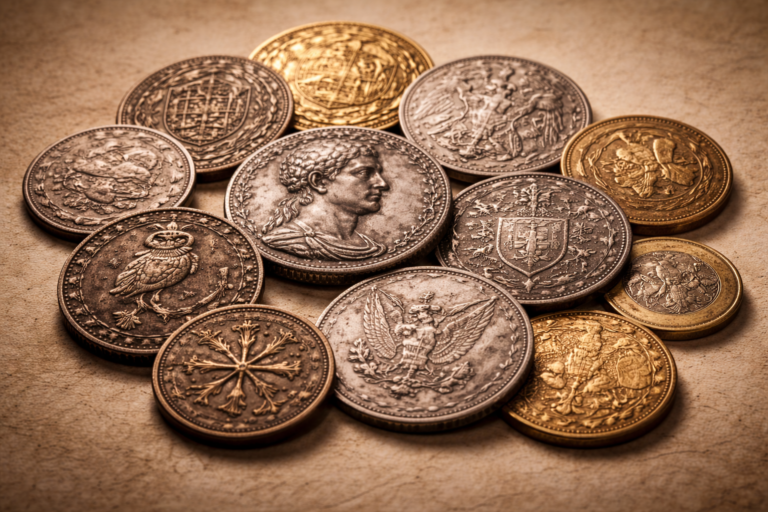
A coin is small, but it is never silent. Even before most people could read long texts, coins were already communicating ideas quietly, repeatedly, and at scale. Not just about trade, but about belonging. Not just about exchange, but about belief. Not just about daily life, but about authority.
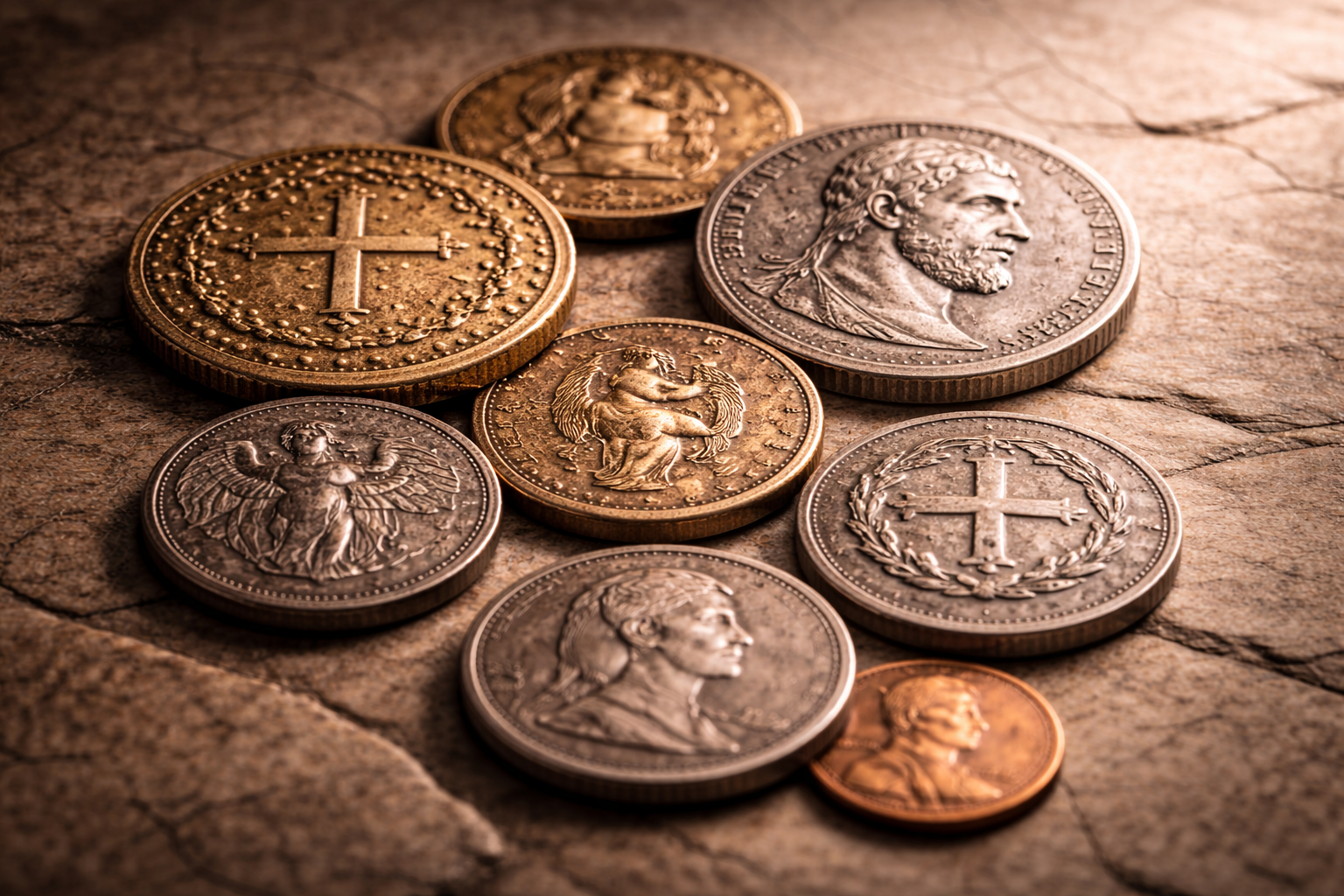
When you look closely, ancient coin imagery starts to feel like a compact language. A symbol can carry a promise. A portrait can carry a claim. A familiar sign can carry reassurance. And because coins move through countless hands, their messages become part of everyday reality.
What this article explores
We are not talking about prices or collecting. We are exploring how symbols on coins carried belief and authority—how they shaped trust, identity, and acceptance through routine exposure.
- Why Symbols Matter More Than Words
- Coins as Carriers of Belief
- Coins as Everyday Authority
- How Ordinary People Read These Symbols
- Trust, Familiarity, and the Comfort of Repetition
- Protection, Luck, and Quiet Ritual Thinking
- Where Belief Ends and Authority Begins
- When Symbols Change, People Notice
- Modern Echoes of the Same Mechanism
- Share and Reflect
- About PastMint
Why Symbols Matter More Than Words
A symbol is a shortcut. It can compress meaning into a shape your brain recognizes instantly. That is why symbols are older than writing, and why they remain powerful even in modern life.
In ancient societies, many people lived with limited access to formal education. But even without literacy, people could recognize images and patterns. A repeated symbol becomes familiar. A familiar symbol becomes “real.” And once something feels real, it shapes behavior.
Coins were perfect for symbolic communication because they were unavoidable. You could avoid a speech. You could avoid a monument if you lived far away. But you could not avoid money. You touched it in your routine. That made coin symbols one of the most repeated visual languages of the ancient world.
Coins as Carriers of Belief
Belief is not always dramatic. Sometimes belief is simple: a sense that order exists, that protection is possible, that the world has patterns. In the ancient world, belief could be woven into everyday objects.
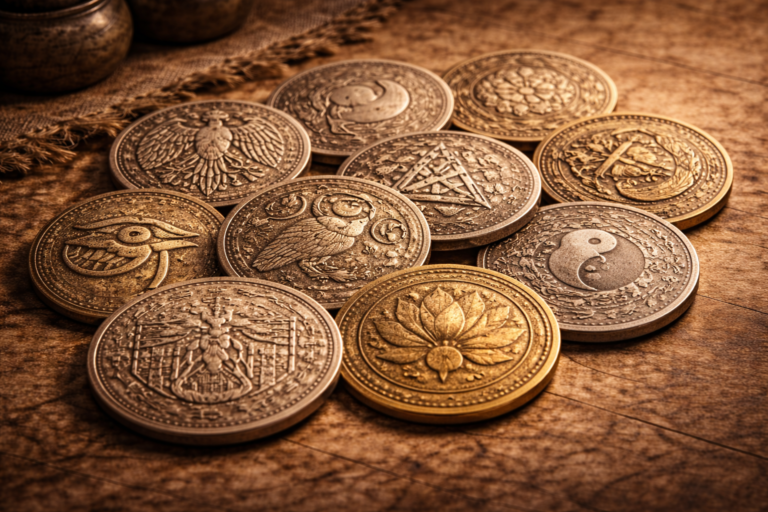
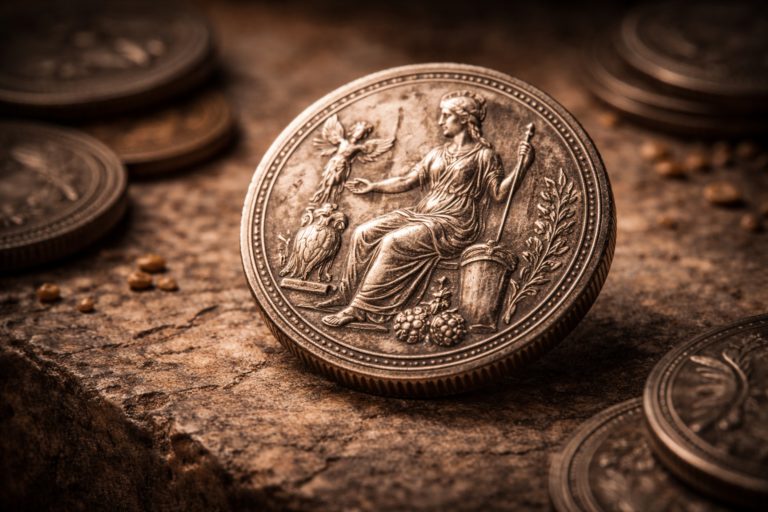
Coins often carried symbols associated with protection, prosperity, continuity, or sacred association. Even when a symbol was not explicitly “religious,” it could still sit inside a wider belief framework. People can assign meaning to repeated images. And when those images appear in the most practical object of daily life, the meaning becomes embedded in routine.
A coin might suggest that the system behind it is blessed, protected, or destined. It might hint that the community is stable, watched over, and connected to something larger. This does not mean every person interpreted every symbol the same way. But it does mean the coin created a shared visual environment—an atmosphere of belief.
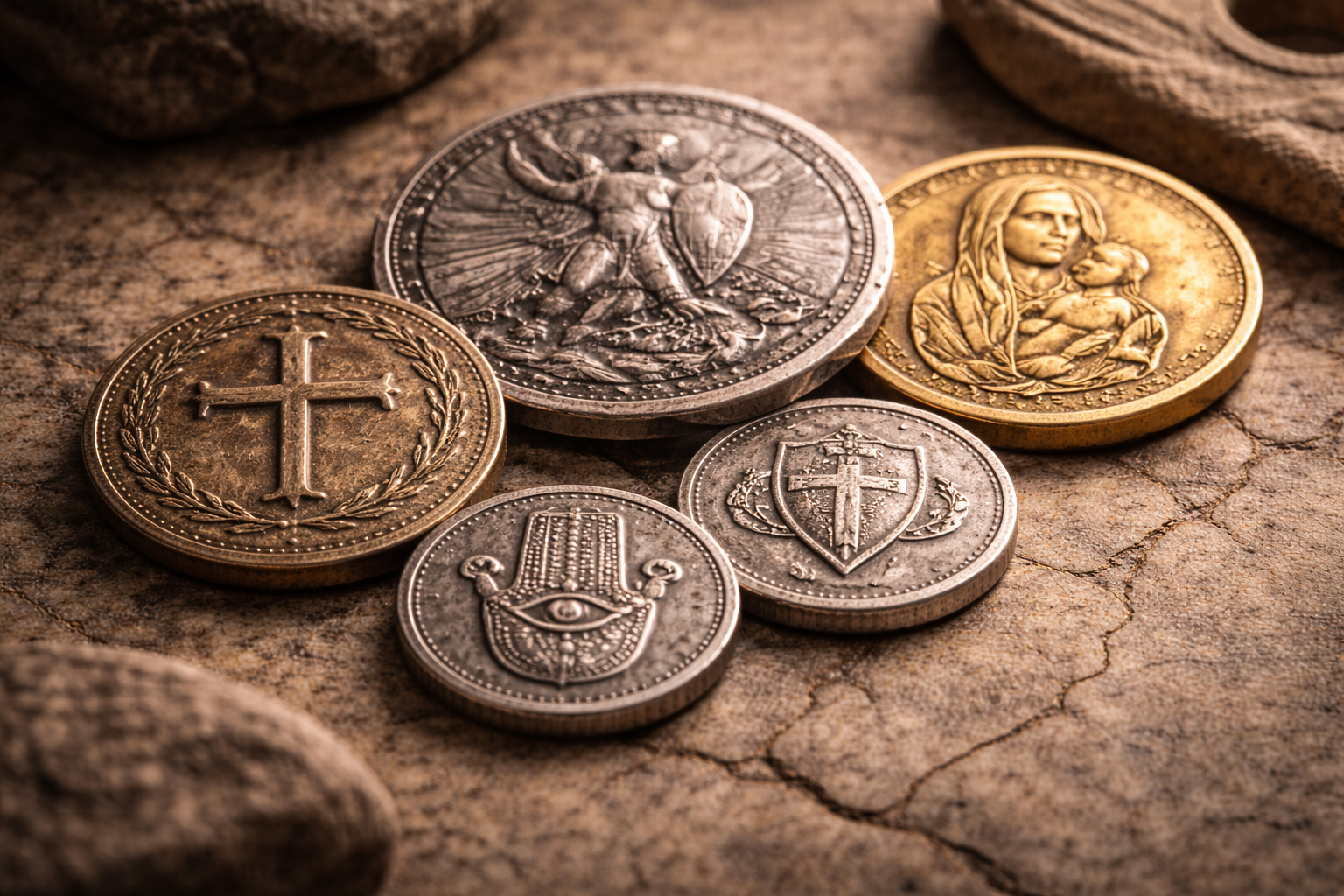
Notice what is happening here: belief becomes practical. It does not live only in temples or ceremonies. It lives in the object you use to buy bread. That blurs the boundary between spiritual meaning and everyday survival. And in that blur, symbols become powerful.
Reality Check
Coin symbols rarely tell you exactly what people believed. They tell you what authorities wanted to reinforce as familiar and safe. Belief and messaging often overlap.
Coins as Everyday Authority
Authority works best when it feels normal. A rule shouted loudly can provoke resistance. A rule absorbed quietly can become habit. Coins helped authority become habit.
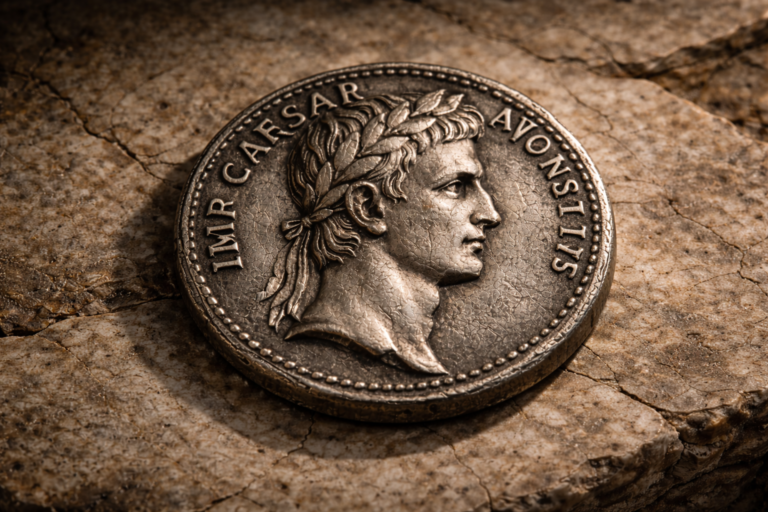
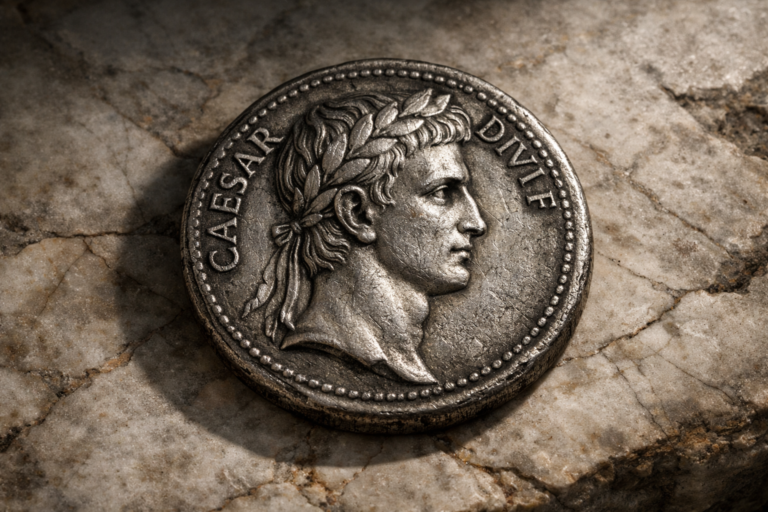
This is why portraits and official imagery matter. A face on a coin is not just decoration. It is a claim of presence. It says: this system has a center. This system has a name. This system is watching, organizing, and continuing.
For ordinary people, authority was not only a courthouse or an official. Authority was the feeling that certain transactions would be accepted. That taxes were expected. That wages had a recognizable form. Coins made that system tangible. They turned authority into an object people handled daily.
In this sense, coin authority is psychological. It works through routine exposure. It teaches recognition. It builds the sense that power is stable, even when life is unstable.
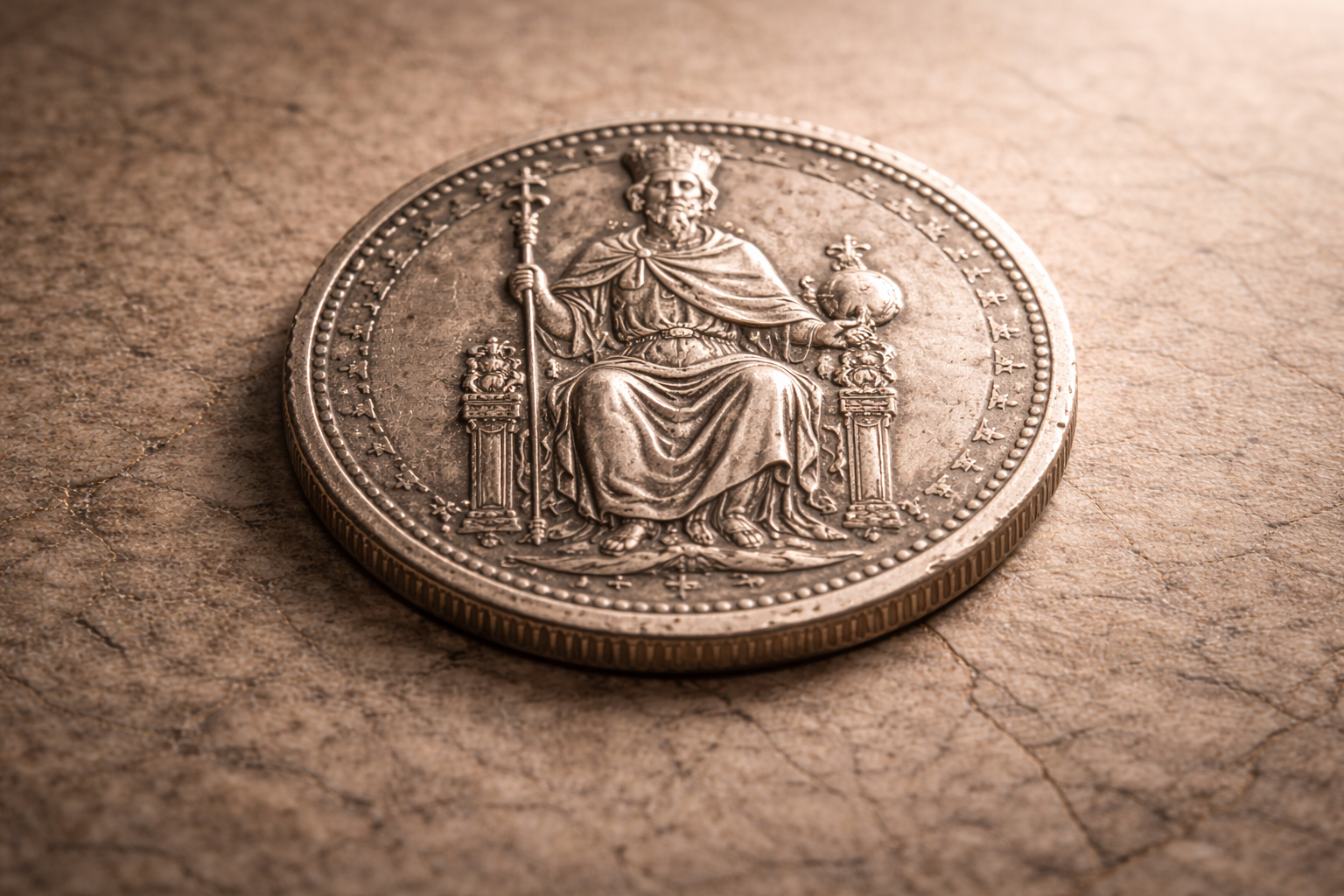
A coin does not argue that authority is legitimate. It behaves as if legitimacy already exists. That is a subtle but important difference. Over time, the “as if” becomes “of course.” That is how routine shapes belief in authority.
How Ordinary People Read These Symbols
When we say coins “communicated,” it is easy to imagine a formal decoding process, like reading a textbook. But most people read symbols differently. They read them emotionally, quickly, and practically.
A repeated image creates an association. The association may be vague, but it still works: this coin belongs to a trusted system, this design is familiar, this object is accepted. That acceptance is a form of understanding.
Ordinary people may not have asked, “What does this symbol mean?” They may have asked, “Will this be accepted?” And the symbol helped answer that question instantly. Meaning becomes functional.
is often less about interpretation and more about recognition.
That recognition spreads socially. Children learn what the coin looks like. Merchants learn which designs are common. Families keep familiar pieces close. Over time, a coin becomes part of daily memory. That is communication without formal language.
Trust, Familiarity, and the Comfort of Repetition
Trust is not only moral. Trust is psychological. The brain prefers familiar patterns. In uncertain environments, familiarity feels safer than novelty.
Coins exploited this human instinct. A stable design becomes comforting. A repeated portrait becomes normal. A consistent symbol becomes reassuring.
This is also why economic instability often triggers design obsession. When people feel uncertain, they become more sensitive to what money looks and feels like. They weigh it, test it, question it. In stable times, people stop noticing. In unstable times, they notice everything.
Coin symbols, then, do two jobs at once: they express identity, and they calm anxiety through repetition.
Reality Check
Repetition does not guarantee trust forever. If daily life becomes too unstable, people may distrust even familiar symbols. But repetition is still one of the strongest tools for shaping “normal.”
Protection, Luck, and Quiet Ritual Thinking
Even in highly organized societies, many people carry private beliefs. They keep small rituals. They attach luck to objects. They save items that feel “right.”
Coins naturally invited this kind of thinking because they were portable, durable, and repeatedly handled. A coin could become a personal token, not because of economic reasons, but because of emotional ones. People might keep a coin as a reminder of a journey, a gift, a life moment, or a family memory.
Some coins could be seen as protective simply because they carried familiar symbols. A symbol that represents stability can feel like protection—even if no one says it out loud. That is how belief can live in the quiet corners of daily life.
The key point is not whether such beliefs were “official.” The key point is that coins were perfect containers for belief because they lived close to the body. They were touched, carried, hidden, saved, and remembered.
Where Belief Ends and Authority Begins
Belief and authority can overlap. A symbol can feel sacred and political at the same time. A portrait can feel personal and governmental at the same time. That overlap is not a mistake. It is part of the strategy of stable systems.
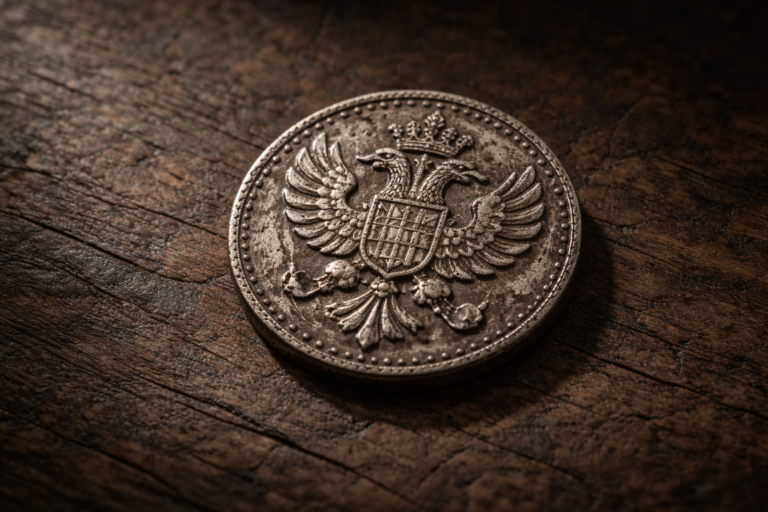
When authority borrows the emotional language of belief, it becomes harder to question. When belief is reinforced by official repetition, it becomes more publicly visible. Coins sit right in that overlap. They are official objects carrying emotional signs.
This is why coin symbolism can feel surprisingly modern. Modern systems still use symbols to build trust and identity. They still place certain images in everyday life to make authority feel natural. The method changes. The mechanism remains.
between what people feel and what systems want people to accept.
When Symbols Change, People Notice
Money is a sensitive object. When it changes, people notice—even if they cannot explain why. A new design can feel like a new era. A new image can signal transition. A missing symbol can feel like loss of continuity.
In ancient societies, design changes often followed political change. But the deeper reason is psychological: design changes help reset identity. They tell people, quietly, that the story has shifted.
Sometimes these changes were meant to reassure. Sometimes they were meant to announce. Sometimes they were meant to replace a memory with a new one. Because coins circulate widely, they are one of the fastest ways to make a new identity feel real.
Key Takeaway
Coins carried belief and authority because they were repeated daily. Symbols created familiarity, familiarity created trust, and trust made systems feel normal—even before people understood them.
Modern Echoes of the Same Mechanism
We often think modern identity is built by media, education, and politics. But everyday objects still matter. Currency still carries symbols. Digital money still carries design language and branding. Government identity still appears in places you touch daily.
The ancient world shows a simple principle: identity spreads fastest when it is embedded in routine. Coins were routine. That made them powerful.
And the most important lesson is this: symbols do not need to shout. If they appear every day, they become part of the background. Background becomes normal. Normal becomes belief.
Final Verdict
Coins became symbols of belief and authority by living inside everyday life. They carried familiar signs that shaped trust, repeated imagery that normalized power, and visual cues that helped people feel oriented in their world. To understand how ancient societies built stability without constant speech, look at what they repeated in the hands of everyone.
Share and Reflect
If this article made you see coin symbols as cultural signals rather than simple decoration, share it with someone who enjoys hidden history.
Article link: https://pastmint.com/coins-as-symbols-of-belief-and-authority/
Reflection question: Which symbol today influences your trust before any explanation is given?
About PastMint
PastMint
PastMint explores the hidden stories behind money, symbols, and everyday objects. We connect historical context with cultural meaning to reveal how small artifacts shaped civilizations quietly, consistently, and often more effectively than words.