How Flemish Coins Shaped Market Behavior
Estimated reading time: 18–20 minutes.
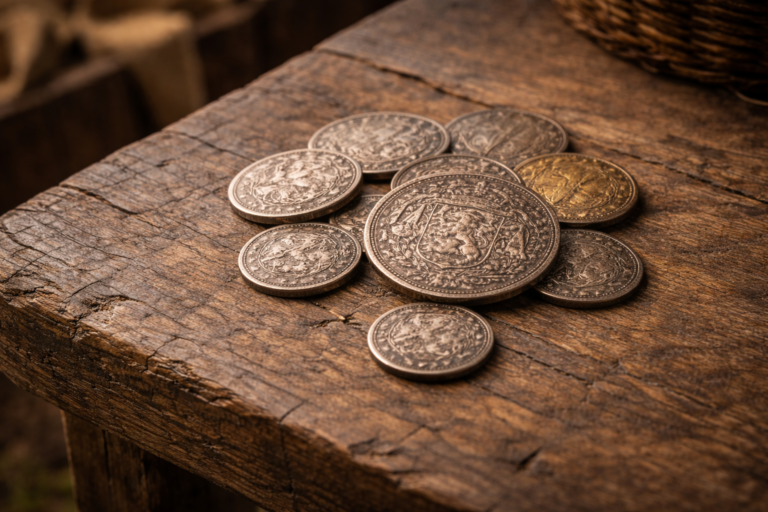
Markets are not only places where people exchange goods. They are places where people learn how to behave. In medieval Flanders, coins did more than move through hands. They quietly shaped negotiation, fairness, caution, and the unwritten rules that made everyday trade feel possible.
This article explores how Flemish coins shaped market behavior long before modern financial systems turned behavior into policy and paperwork.
Quick Context
This article continues the Flemish Coins series. If you want the foundation of everyday exchange, start with How Flemish Coins Shaped Everyday Trade and Trust. If you want the deeper layer of confidence before institutions, read How Flemish Coins Built Trust Before Modern Banking. If you want to see how value itself became a learned skill, continue with How Flemish Coins Trained People to Think About Value.
- Market Behavior Was Built, Not Assumed
- Coins and the Art of Negotiation
- Choice, Preference, and the Psychology of Acceptance
- Small Rules That Made Markets Work
- Fairness as a Performance
- Routines That Reduced Conflict
- What People Did When Uncertainty Entered
- The Rhythm of the Market
- Final Verdict
- Frequently Asked Questions
Market Behavior Was Built, Not Assumed
It is easy to picture a medieval market as chaotic. And sometimes it was. But daily trade cannot survive in chaos for long. If people cannot predict behavior, they avoid risk. If they avoid risk, trade shrinks.
Flanders was too active for constant unpredictability. Busy markets needed habits that felt stable. Over time, those habits became behavior.
Coins supported this stability in a quiet way. They offered a shared tool that made transactions repeatable. Repeatable transactions teach people how to act.
A market works best when behavior becomes routine. Coins helped turn routine into culture.
Coins and the Art of Negotiation
Negotiation is not only about price. It is about trust, posture, and the signals people send.
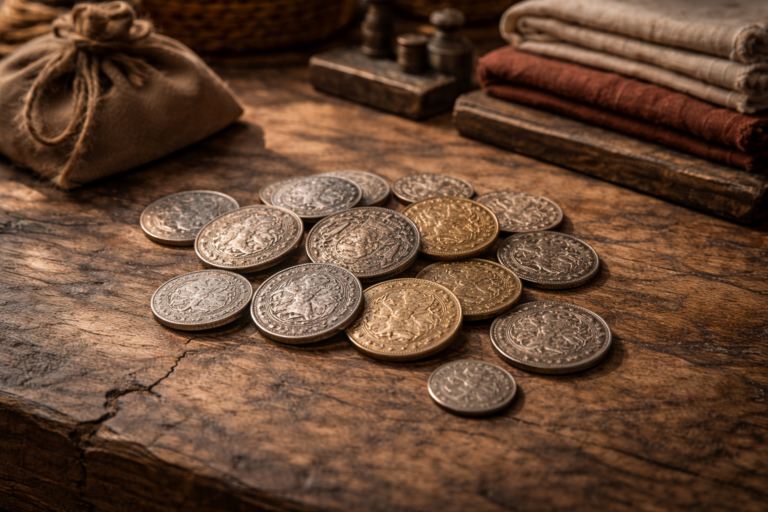
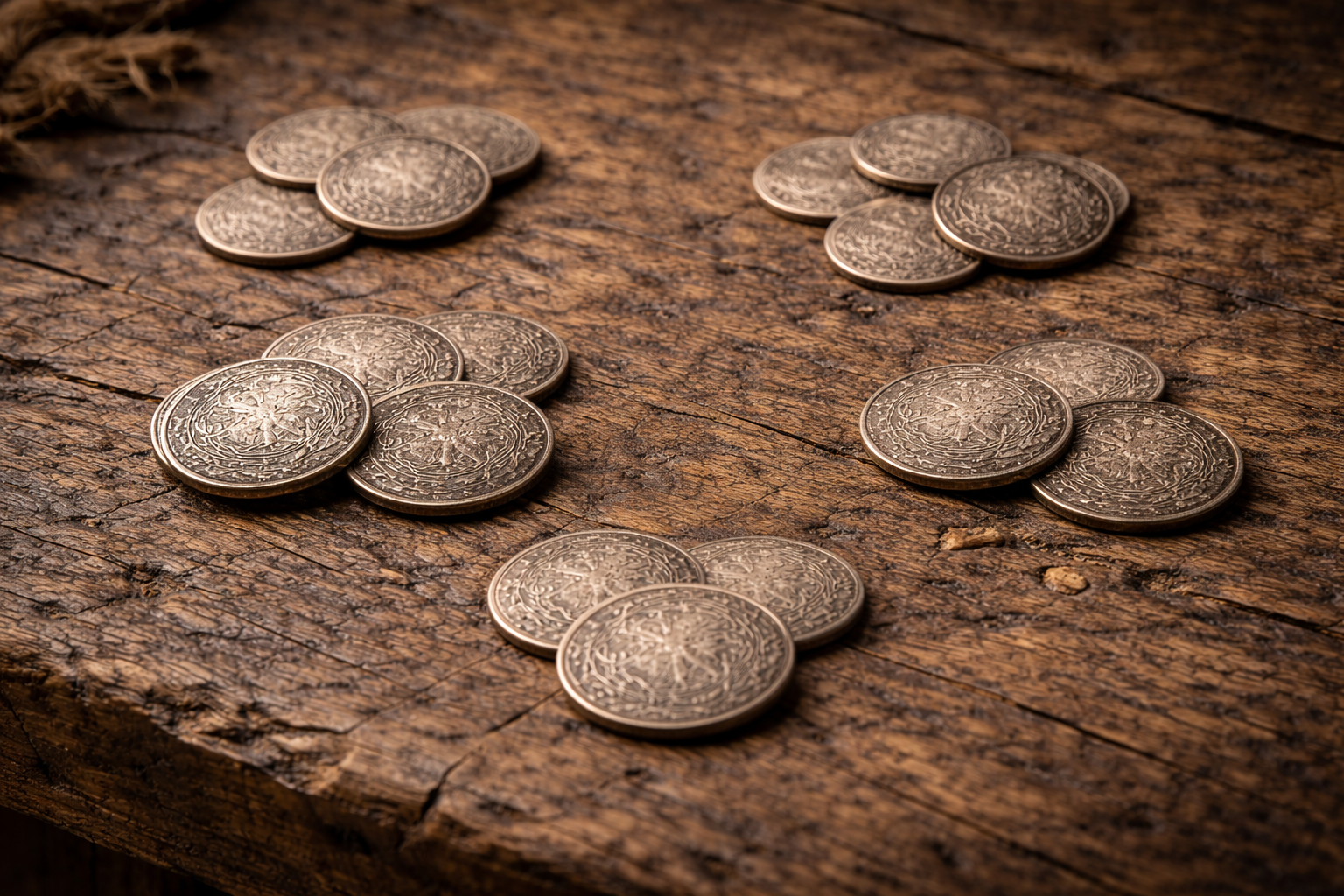
In medieval markets, coins influenced negotiation because they created options. A buyer with several small pieces could build an offer step by step. A buyer with fewer larger pieces had different flexibility. Even when both buyers had similar purchasing power, the feel of the exchange could change.
This is one way money shapes behavior. It shapes how people structure a conversation. It shapes how quickly agreement happens. It shapes whether the exchange feels fair.
Choice, Preference, and the Psychology of Acceptance
One of the most human behaviors in any market is preference. People do not accept any form of money with equal comfort. They prefer what feels familiar.
This preference shaped market behavior in Flanders. Sellers might accept a coin quickly if it was common and trusted. They might hesitate if the coin felt unfamiliar. They might suggest a different piece, not as an insult, but as a habit.
These small moments created invisible rules. Buyers learned what to offer first. Sellers learned how to signal caution without starting conflict. Markets learned which coins kept the rhythm smooth.
If you want the deeper foundation of how daily exchange produced trust in the first place, the earlier article in this series captures that everyday market logic: How Flemish Coins Shaped Everyday Trade and Trust.
Small Rules That Made Markets Work
Many market rules were never written. They were learned.
Do not push unfamiliar coins too aggressively. Offer common pieces first. If a seller hesitates, respond calmly. If someone asks for verification, treat it as normal.
These are behavioral rules, not legal rules. But behavioral rules can be stronger, because they are reinforced daily. Coins helped these rules exist because coins created a shared center. Without a shared center, every transaction becomes a negotiation from zero.
Fairness as a Performance
Fairness is not only a moral idea. In markets, fairness is a performance. People need to see it.
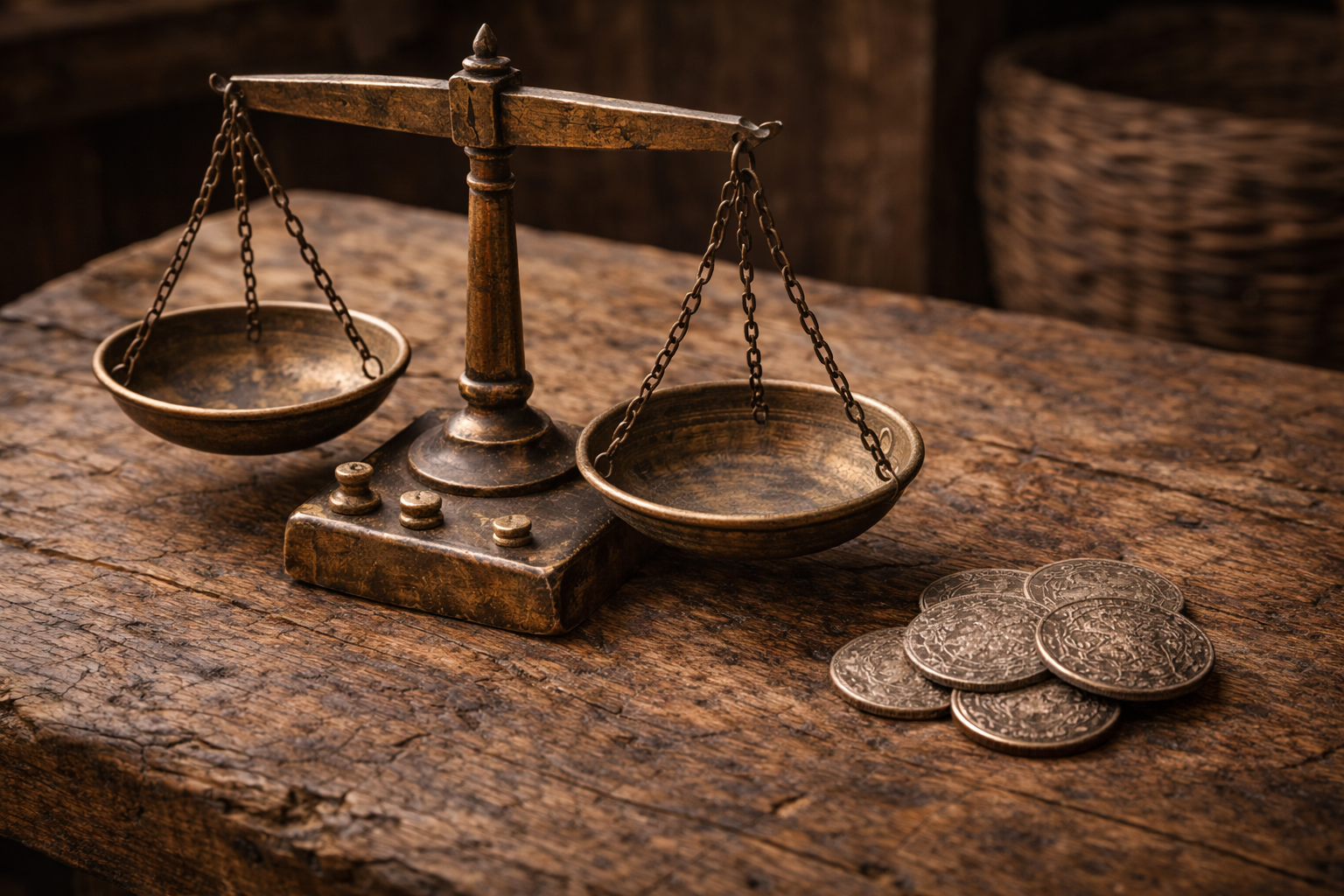
A seller who counts carefully is performing fairness. A buyer who offers an appropriate mix of coins is performing fairness. A merchant who verifies with a scale is performing fairness.
These behaviors protect the market. They reduce suspicion. They reduce conflict. They keep strangers willing to trade.
Reality Check
Markets do not only rely on trust. They rely on visible behaviors that make trust feel reasonable. The more repeatable the behavior, the more stable the market becomes.
Routines That Reduced Conflict
The best markets are not the ones with no conflict. They are the ones where conflict is managed quickly.
Coins supported routines that made conflict less likely. Familiar coin types reduced argument. Common verification habits reduced accusation. Shared expectations reduced dramatic reactions.
This is why trust and behavior are linked. Trust makes behavior smoother. Behavior reinforces trust.
If you want the deeper trust layer before institutions, the trust focused entry connects directly to this behavioral theme: How Flemish Coins Built Trust Before Modern Banking.
What People Did When Uncertainty Entered
Uncertainty changes behavior instantly. People become slower. They become cautious. They prefer what they know.
In Flemish markets, uncertainty could appear through unfamiliar coinage, rumors of debased pieces, or simply the presence of strangers. The response was rarely panic. The response was routine.
People compared coins. They weighed coins. They asked for different pieces. These behaviors formed a social safety net. They allowed trade to continue even when confidence was slightly shaken.
This behavior also connects to how people learned to think about value as a skill rather than a fixed label. If you want that psychological layer, this article continues the chain: How Flemish Coins Trained People to Think About Value.
The Rhythm of the Market
Markets have rhythm. When trust is high, exchanges feel fast and light. When doubt enters, exchanges slow down. What matters is that the market can recover.
Flemish coins supported recovery by providing shared objects and shared routines. People did not need to invent new behavior each day. They returned to habits that had worked before.
In this way, coins shaped market behavior not by commanding it, but by enabling it. They made stable behavior easier than unstable behavior.
Final Verdict
Final Verdict
Flemish coins shaped market behavior by creating shared expectations. They influenced negotiation, acceptance habits, and routine verification practices that reduced conflict and kept trade moving. In a world without modern financial systems, behavior became the invisible infrastructure of the market, and coins helped build it.
Frequently Asked Questions
How can coins shape market behavior?
Coins influence how people negotiate, how quickly they accept payments, and how they respond to uncertainty. Familiar coin types create smoother exchanges and more predictable habits.
Why did verification routines matter so much?
Verification routines reduced suspicion without stopping trade. Simple checks made the market feel fair, especially among strangers.
Is this content safe for AdSense?
Yes. The article is educational and historical. It does not provide pricing, valuation, or financial advice.
How does this connect to the earlier Flemish articles?
This article builds on everyday exchange, trust, and learned value. Together, the series shows how coins shaped daily life beyond simple payment.