1793 penny who is on it
Estimated reading time: 14–16 minutes.
When people ask who is on the 1793 penny, they often expect the name of a real person. The answer is more symbolic than personal. The figure on this coin is Liberty, and the coin itself is technically known as a Large Cent, not a modern penny.
Understanding who appears on the 1793 penny means understanding how the early United States chose to represent identity, authority, and national values through everyday money.
Quick Context
This article belongs to the Coin Meanings category. If you want a broader view of how coins taught people to recognize power and belonging through symbols, this earlier article connects naturally: What Coins Taught People About Power and Belonging .
What the 1793 Penny Really Is
The coin commonly called the 1793 penny is officially known as the United States Large Cent. It was the first cent-sized coin produced by the newly formed U.S. Mint.
The word penny is a modern convenience. In the eighteenth century, Americans referred to this coin simply as a cent. Its large size and copper composition set it apart from later, smaller cents.
Who Is on the 1793 Penny
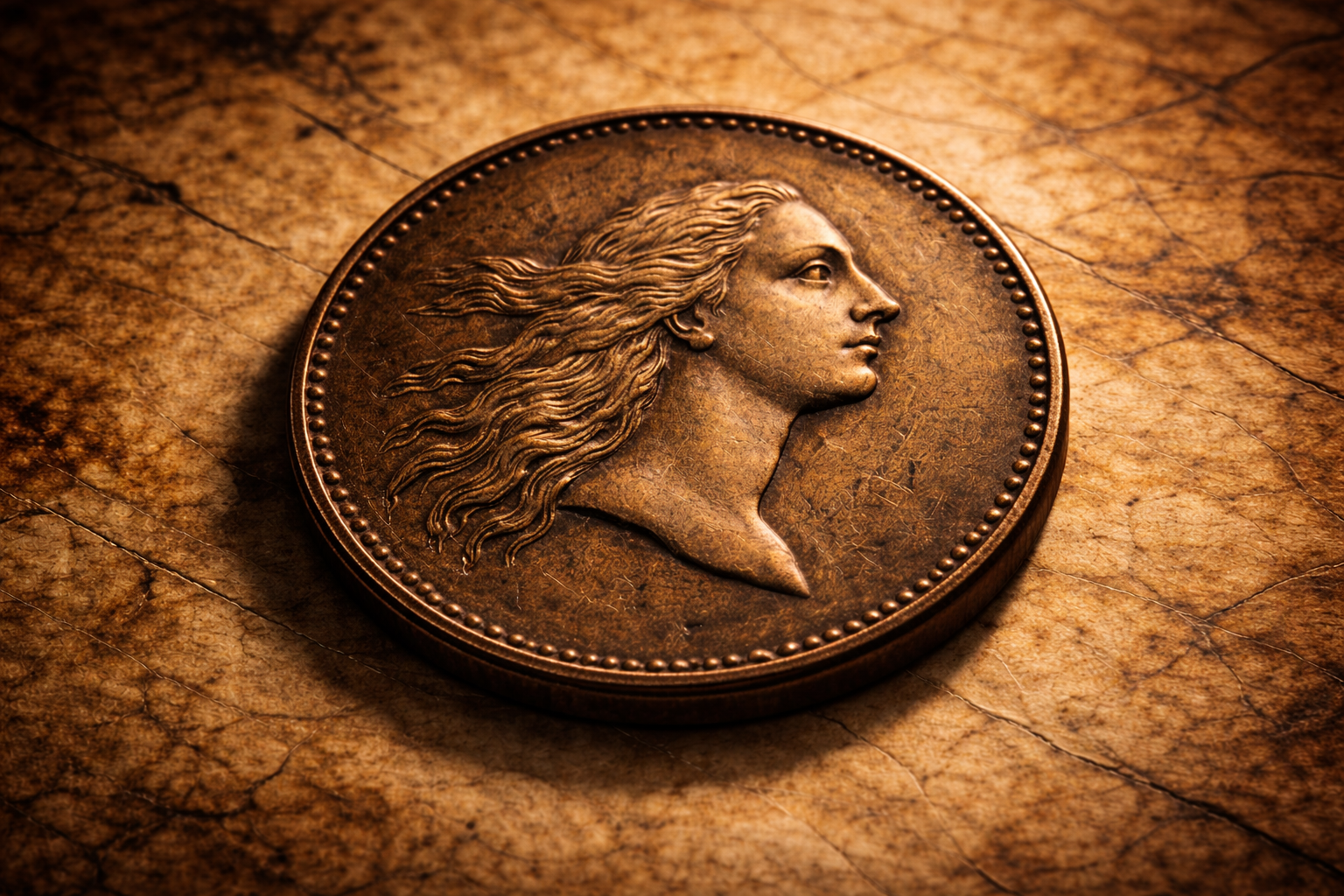
There is no named historical figure on the 1793 penny. Instead, the coin features an allegorical representation of Liberty.
Liberty was not meant to be a portrait. She was a symbol. Her role was to express an idea rather than commemorate an individual.
The first American cent did not celebrate a leader. It celebrated a principle.
Why Liberty Was Chosen
After gaining independence, the United States faced an important choice. Should its money resemble European traditions with monarchs and rulers, or should it reflect a new political identity.
Choosing Liberty allowed the young nation to avoid placing real individuals on its coinage. Instead of authority through a ruler, the coin expressed authority through an idea.
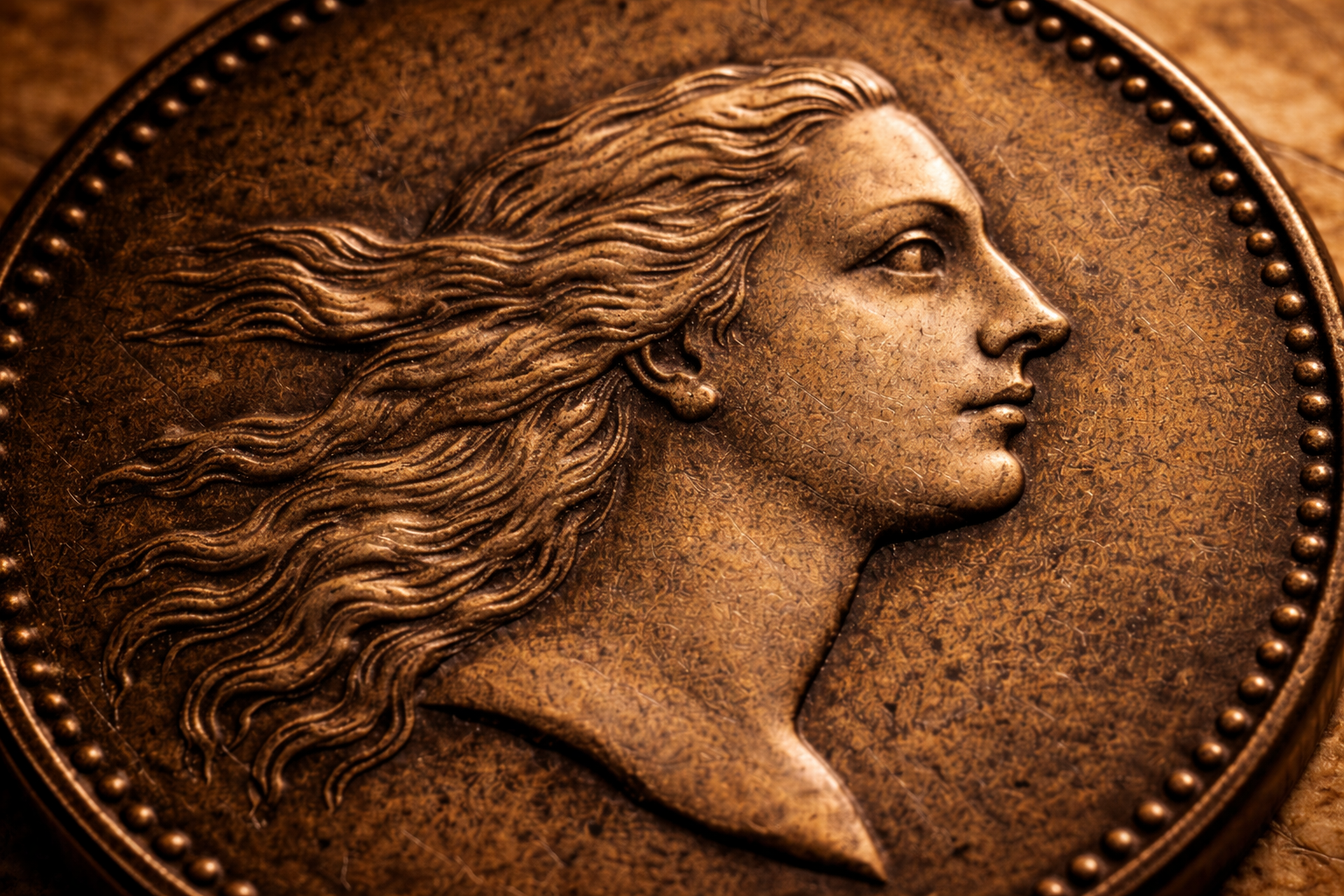
This approach aligned with how early Americans wanted to see themselves. Liberty symbolized independence, self-rule, and a break from monarchy.
The Liberty Design Explained
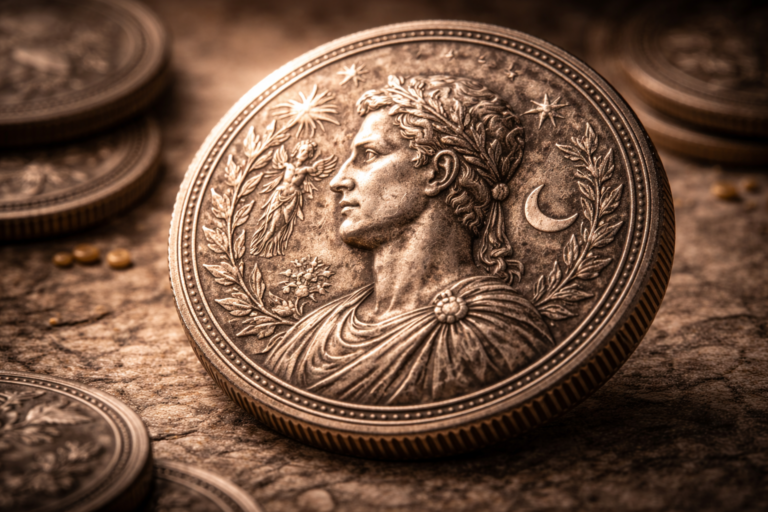
The Liberty figure on the 1793 Large Cent is shown with flowing hair and a calm expression. This was intentional.
Flowing hair suggested freedom. The absence of crowns or royal symbols reinforced the idea that authority came from shared values, not inherited power.
Design choices on early coins were never random. They were carefully selected to communicate meaning in a society where symbols mattered deeply.
Early Design Variations in 1793
The year 1793 saw more than one design for the Large Cent. These early variations reflect experimentation rather than inconsistency.
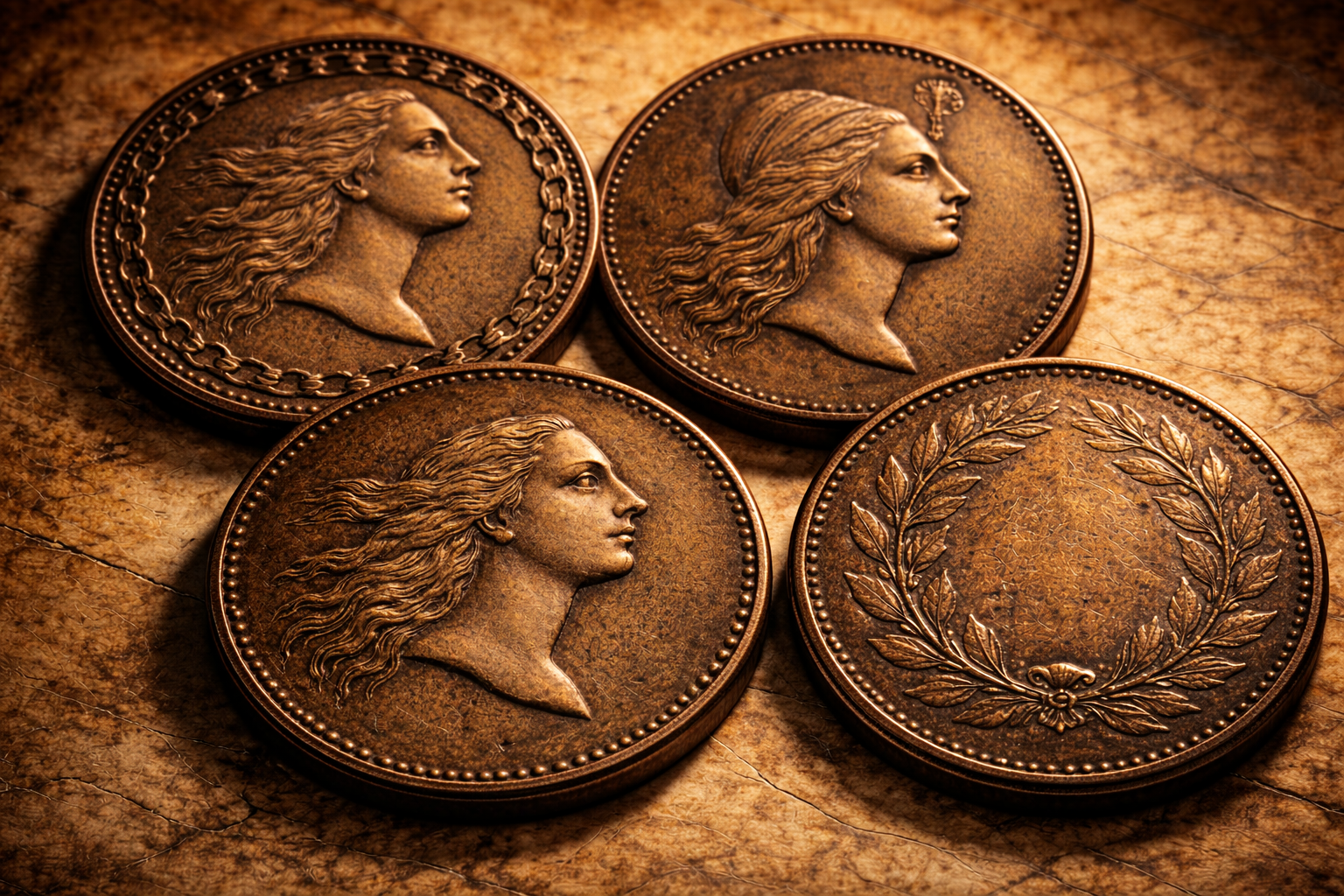
Different reverse designs appeared during the year, including early experimental styles. What remained consistent was the presence of Liberty on the obverse.
Reality Check
The first American coins were not perfect. They were learning tools for a new nation defining how it wanted to be seen.
What This Design Meant to Early Americans
For everyday users, the Liberty image became a repeated reminder of national identity. Coins passed through countless hands. Each exchange reinforced the same message.
In this way, the 1793 Large Cent did more than enable trade. It helped teach Americans what their new country stood for.
Final Verdict
The answer to who is on the 1793 penny is Liberty. Not a ruler. Not a politician. But a symbol chosen to express the values of a new nation. As a Large Cent, this coin represents one of the earliest attempts to communicate American identity through everyday money.
Frequently Asked Questions
Is the 1793 penny actually a penny?
Technically, it is a Large Cent. The term penny is a modern nickname.
Was Liberty a real person?
No. Liberty was an allegorical figure used to represent ideals rather than an individual.
Why didn’t early U.S. coins feature presidents?
Early Americans avoided placing real people on coins to prevent associations with monarchy.
Is this article safe for AdSense?
Yes. It is historical and educational, with no pricing or financial advice.
Article link: https://pastmint.com/1793-penny-who-is-on-it/