Why Some Coin Symbols Lasted for Centuries
Estimated reading time: 14–16 minutes.
Some coin symbols disappear quickly. Others stay for centuries, surviving rulers, reforms, and entire political eras. This is not only a design story. It is a story about recognition, memory, and the human need for stable signals in everyday life.
This article explains why some coin symbols lasted for centuries, how repetition turned imagery into cultural habit, and why familiar designs often outlived the powers that first used them.
Quick Context
This article continues the Coin Meanings direction. If you want the decision layer behind coin imagery, start with Who Decided What Appears on Coins. If you want the belonging layer, continue with How Coin Symbols Created a Sense of Belonging. And for the broader foundation of power and belonging through repeated imagery, read What Coins Taught People About Power and Belonging.
- What It Means for a Symbol to Survive
- Recognition Outlives Explanation
- Repetition as a Cultural Engine
- Cultural Anchors That Resist Change
- Useful Symbols: Clarity Beats Complexity
- When Authority Adopts Familiar Imagery
- Symbols as Shared Memory
- What Finally Makes a Symbol Disappear
- Final Verdict
- Frequently Asked Questions
What It Means for a Symbol to Survive
A coin symbol survives when it keeps working across time. Not only as decoration, but as a reliable signal people recognize.
Survival does not always mean the design stayed identical. Symbols often evolved slowly. Lines simplified. Details changed. But the core idea remained recognizable.
That recognizability is the key. A long lasting symbol becomes part of daily life, then part of habit, then part of cultural expectation.
A symbol lasts when people stop noticing it as a design and start relying on it as a signal.
Recognition Outlives Explanation
Most people do not study coinage. They do not need a full explanation of politics or mint policy to accept money. They need recognition.
That is why familiar imagery can outlive the story that created it. Even if the original meaning fades, the symbol remains useful because it triggers a simple response. This looks legitimate. This looks normal.
In other words, recognition is often stronger than ideology. It can survive leadership change because it lives in habit, not in speeches.
Repetition as a Cultural Engine
Repetition is the engine of endurance. The first time a symbol appears, it is new. The hundredth time, it becomes familiar. After years of circulation, it becomes expected.
Coins repeat constantly. They pass through wages, markets, travel, and daily exchange. This makes coin imagery one of the most repeated visuals in ordinary life.

Notice what repetition does. It reduces uncertainty. It lowers the mental cost of deciding. In busy markets, that matters more than abstract logic.
Reality Check
Symbols do not last because people admire them. They last because people rely on them. Reliance grows when imagery becomes predictable through repetition.
Cultural Anchors That Resist Change
The most enduring coin symbols often draw from cultural anchors. Anchors are images that already carry meaning outside coinage. They feel stable because the community already recognizes them.
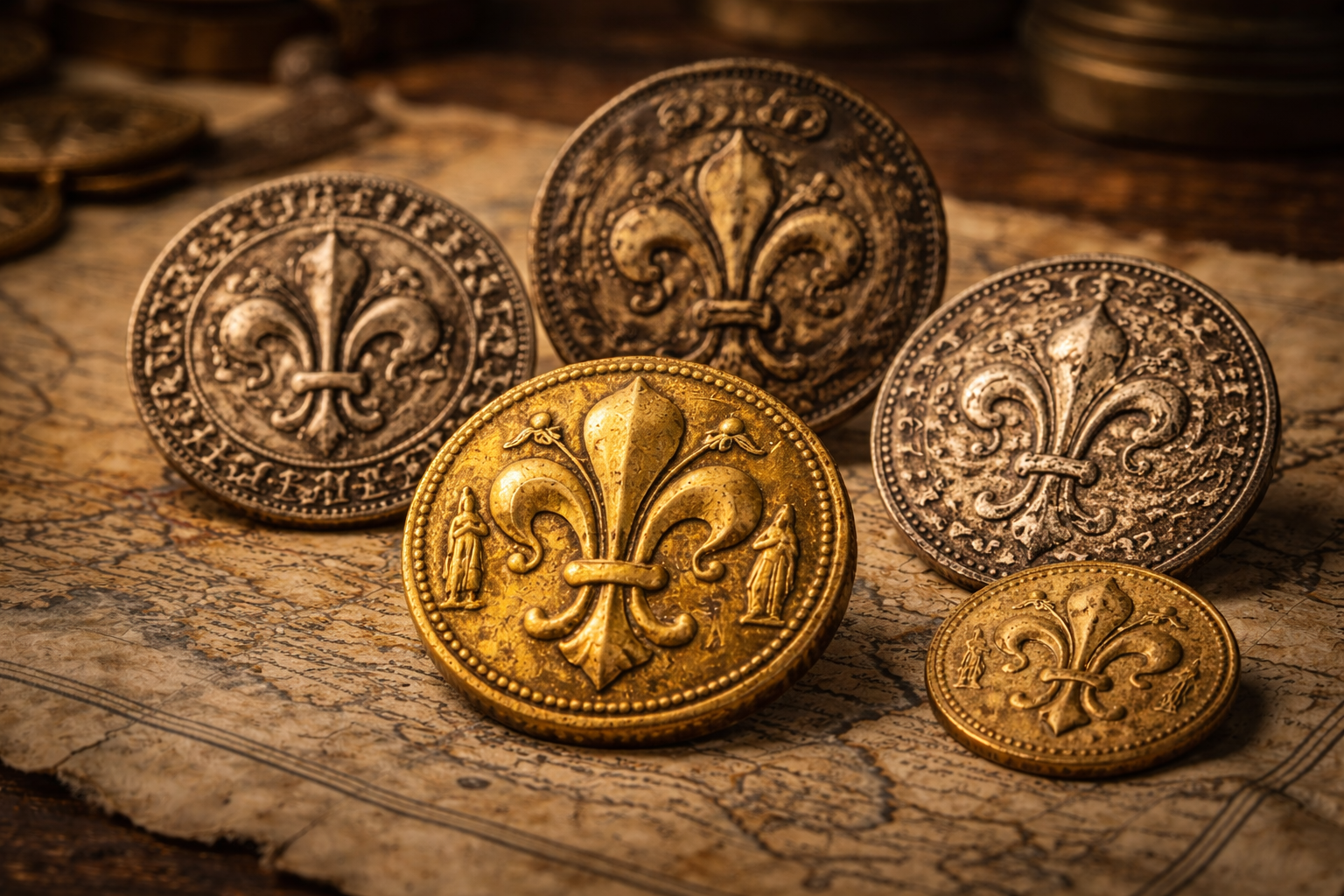
Examples of anchors include religious motifs, local animals, plants tied to land, city emblems, and widely shared myths. When a symbol is anchored like this, it does not depend entirely on one ruler or one policy. It is supported by culture itself.
This is one reason coin symbols could survive political change. A new authority could replace names, but still keep familiar imagery to maintain smooth acceptance.
Useful Symbols: Clarity Beats Complexity
Endurance is often practical. Coins are small, handled often, and worn over time. Symbols that last tend to be simple enough to survive wear and still be recognized.
Complex scenes can look impressive in perfect condition, but they can fail in everyday circulation. A strong symbol is visible even when the coin is old. That visibility keeps the symbol alive.
This is why many long lasting designs are bold and high contrast. They are built for the real world, not only for collectors.
When Authority Adopts Familiar Imagery
Coin imagery is decided by issuing power, but power often borrows familiarity. If you want the decision layer, this earlier piece connects directly: Who Decided What Appears on Coins.
New regimes often face a trust problem. People hesitate in uncertain times. Money must keep working. One solution is to keep imagery that already feels legitimate.
This is not always a sign of respect for the past. It is sometimes a sign of practical intelligence. Keeping a familiar symbol reduces friction and helps stabilize exchange.
Symbols as Shared Memory
When a symbol lasts, it becomes memory. Not only individual memory, but shared memory.
People learn which marks worked in the market. That learning spreads through daily experience. The symbol becomes part of what the community expects to see.
Over time, the symbol can carry emotional weight. It feels like continuity. Even when life changes, the repeated mark suggests that something remains stable.

What Finally Makes a Symbol Disappear
Even strong symbols can vanish. Usually, they disappear for one of three reasons.
First, a major institutional break. If a new system replaces old rules completely, older imagery may be removed to signal a fresh start.
Second, a slow cultural drift. If a symbol no longer feels relevant, it can fade quietly as new designs take its place.
Third, practical redesign. Sometimes money changes shape, size, or production method, and older imagery does not translate well. In that case, the symbol is not defeated by politics, but by format.
Even then, the disappearance is often gradual. Because people resist sudden change in everyday signals. Familiarity has momentum.
Final Verdict
Final Verdict
Some coin symbols lasted for centuries because they were useful. They were clear enough to survive wear, repeated enough to become familiar, and anchored enough to feel culturally stable. When imagery becomes part of habit, it can outlive the powers that introduced it and continue shaping trust and belonging across generations.
Frequently Asked Questions
Do coin symbols last because of religion or because of politics?
Sometimes both, but endurance usually depends on recognition and repetition. Symbols anchored in culture can survive politics because they remain familiar to the public.
Why do simple coin symbols endure more than complex designs?
Coins are small and wear over time. Simple symbols remain visible even when the coin is worn, which keeps recognition alive.
Can a symbol survive even if its original meaning is forgotten?
Yes. Recognition can outlive explanation. A symbol can remain useful as a legitimacy signal even when people no longer remember its first story.
Is this content safe for AdSense?
Yes. It is educational and historical, and it contains no pricing, valuation, or financial advice.