The Hidden Stories Behind the Coins People Used Every Day
Estimated reading time: 10 minutes.
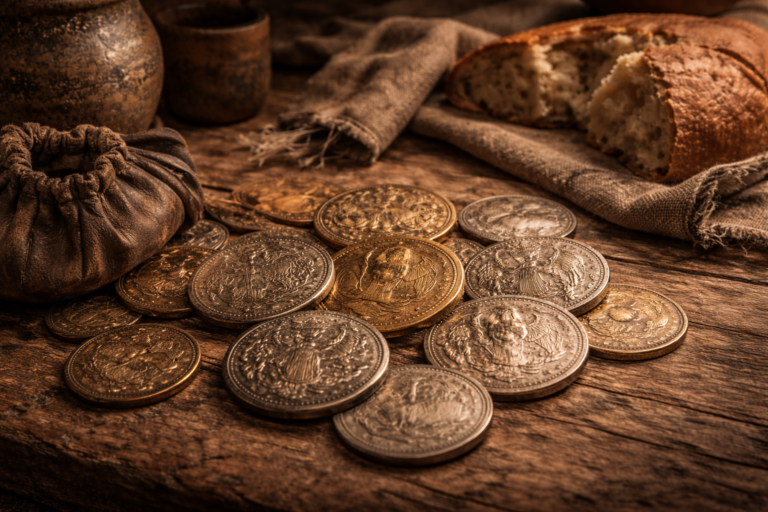
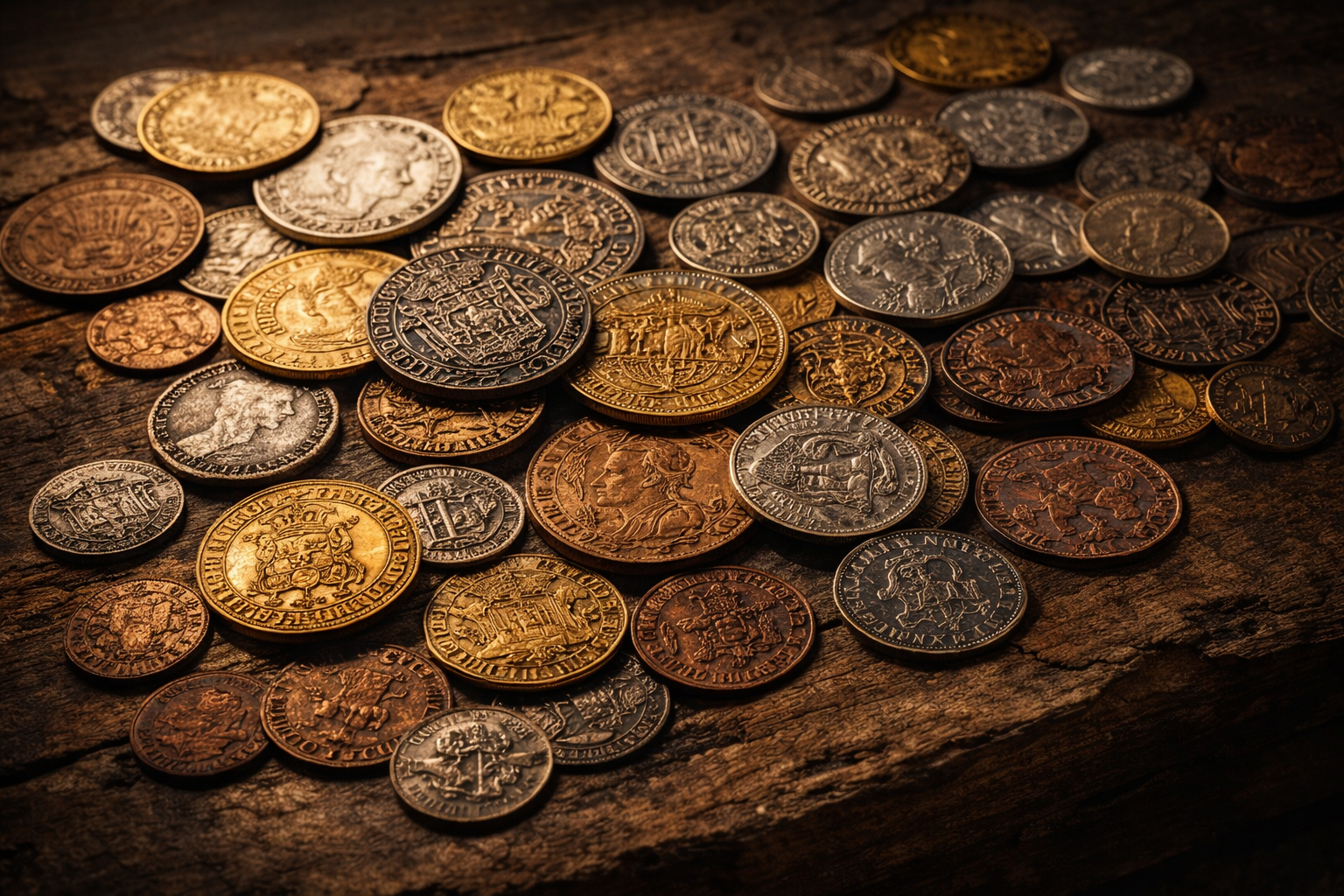
The coins people used every day were never just metal. They were tiny tools that carried trust, habits, and local culture through ordinary routines.
If you want to understand how past societies actually worked, skip the palaces and look at the pocket. Everyday money shows what people bought, what they feared, and what they considered normal.
What you will notice in this article
Everyday coins were designed to be recognized fast, traded easily, and accepted without debate. Their wear, size, and even boredom are part of the story.
- What Everyday Money Really Means
- Coins as Market Tools, Not Museum Pieces
- Why Worn Coins Were Still Trusted
- Metal, Weight, and the Quiet Rules of Trust
- The Patterns People Learned Without Thinking
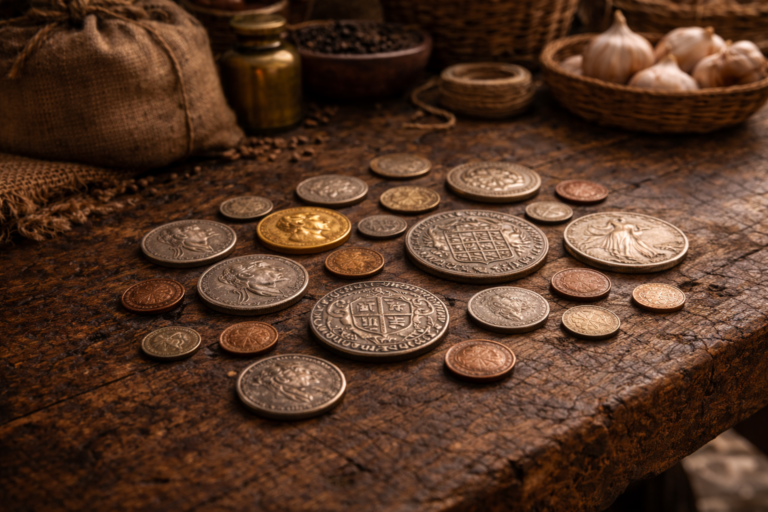
- Everyday Coin Types and Their Daily Jobs
- How Ordinary Coins Carried Identity
- Final Verdict
- Frequently Asked Questions
What Everyday Money Really Means
Everyday money is not defined by rarity. It is defined by repetition. The coin you see again and again becomes part of your sense of order. It tells you what a fair trade looks like, what a normal meal costs, and what a small mistake feels like.
When historians talk about daily life, they often rely on texts written by elites. Everyday coins are different. They are evidence created by the whole society, because the whole society touched them.
The most honest money is the money that got bored, because it worked every day.
Coins as Market Tools, Not Museum Pieces
In a busy market, people do not have time for speeches about legitimacy. They need quick signals. A familiar size. A familiar color. A familiar feel. That is why everyday coin designs often stayed stable for long periods.
Even when rulers changed, the smallest coins had to keep the market moving. Bread, oil, small services, and transport relied on predictable units. The coin did not need to impress. It needed to function.
Why Worn Coins Were Still Trusted
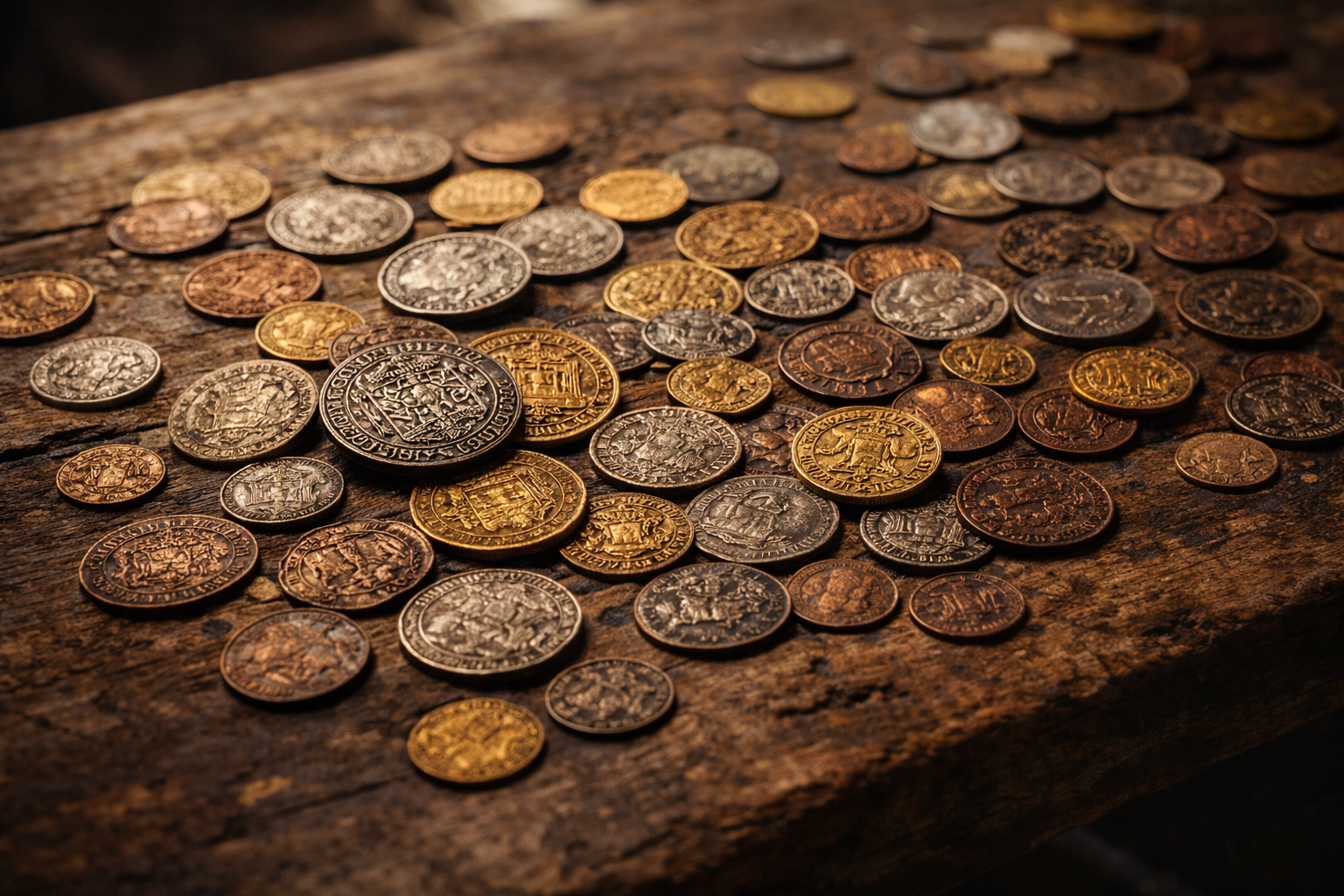
A coin that circulated heavily often lost sharp detail. That did not automatically destroy trust. People learned the outlines. They learned the weight range. They learned the sound a real coin makes when it hits a table.
Worn coins also carried social proof. If a coin looks like it has been accepted thousands of times, you assume it will be accepted one more time. In daily life, trust is often inherited from what others already did.
Reality Check
A perfect coin is not always the most trusted coin. In many periods, the most trusted coin was the one people saw all day, every day, in normal trade.
Metal, Weight, and the Quiet Rules of Trust
Everyday money usually lives in the lower denominations. That meant cheaper metals, smaller blanks, and faster minting. But even cheap coins needed rules. People needed a reason to accept them without arguing in every transaction.
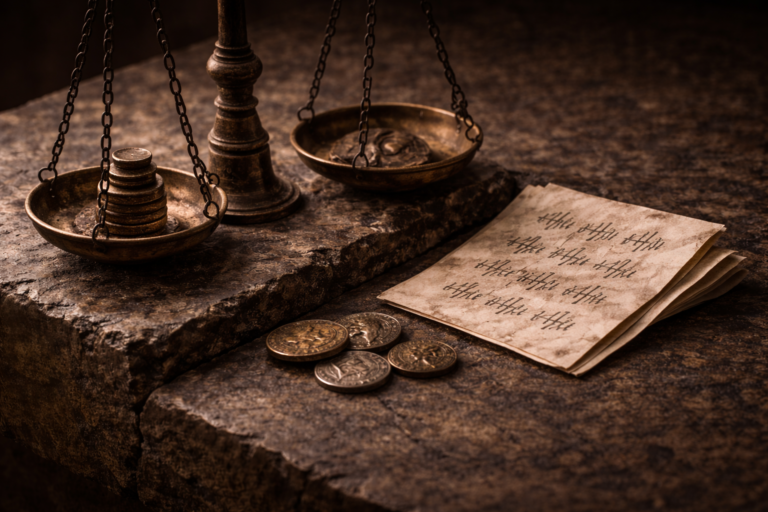
Those rules were often enforced by habit more than law. A predictable weight. A familiar edge. A design that is hard to fake quickly. Daily exchange turns these details into muscle memory.

The Patterns People Learned Without Thinking
One of the hidden stories inside everyday coins is how they trained behavior. People learned what can be bought with one coin. They learned what change looks like. They learned what feels expensive.
Over time, money becomes a quiet teacher. It shapes how people negotiate. It shapes what they consider fair. And it shapes what they consider normal.
Everyday Coin Types and Their Daily Jobs
Fast reference table
This table avoids prices and focuses on function, because function is what defines everyday money.
| Everyday coin type | What it did in daily life | Why people trusted it | Common wear story |
|---|---|---|---|
| Small change coin | Handled quick purchases and minor services | Recognizable size and routine acceptance | Heavy wear from constant hand to hand movement |
| Market standard coin | Anchored daily bargaining and simple accounting | Stable feel and familiar design signals | Edges soften first, details fade later |
| Local circulation coin | Stayed inside towns and regions for everyday trade | Community habit and shared recognition | Often shows uneven wear from local use patterns |
| High turnover token like coin | Made small repeated exchanges easier in busy spaces | Worked because everyone around you accepted it | Looks ordinary fast, because it was made to be spent |
How Ordinary Coins Carried Identity
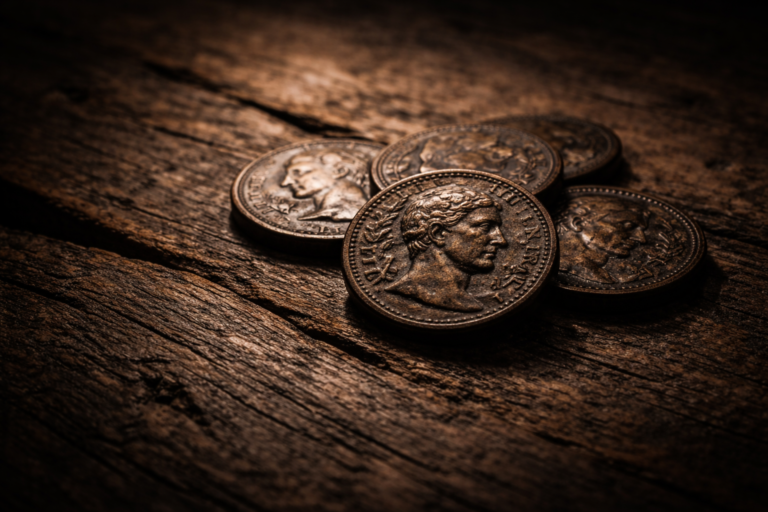
Even the most common coin carries a message. Sometimes that message is a ruler. Sometimes it is a symbol. Sometimes it is simply a style of lettering that tells you where the coin belongs.
This matters because everyday money shapes belonging. When you accept the coin, you accept the system behind it. You may not think about politics, but you participate in a shared framework of trust.
Related PastMint stories
These two articles connect perfectly with the theme of everyday money.
Final Verdict
Final Verdict
The hidden stories behind everyday coins are stories of repetition. These coins taught people what normal trade looks like, how trust becomes automatic, and how a society runs when money works quietly. The most important coins are often the ones nobody talks about, because they did the real daily work.
Frequently Asked Questions
What makes a coin an everyday coin
Frequency and function. If a coin is used for routine purchases and repeated daily exchange, it is everyday money.
Do everyday coins matter for understanding history
Yes. They show habits at street level. They reveal how trade worked for ordinary people, not only for elites.
Why do many everyday coins look boring
Because boring is efficient. A stable design reduces hesitation and makes quick recognition easier in markets.
Is this content safe for AdSense
Yes. It is educational and historical, and it contains no pricing, valuation, or financial advice.