What Roman Coins Reveal About Power and Society
Estimated reading time: 10 minutes.
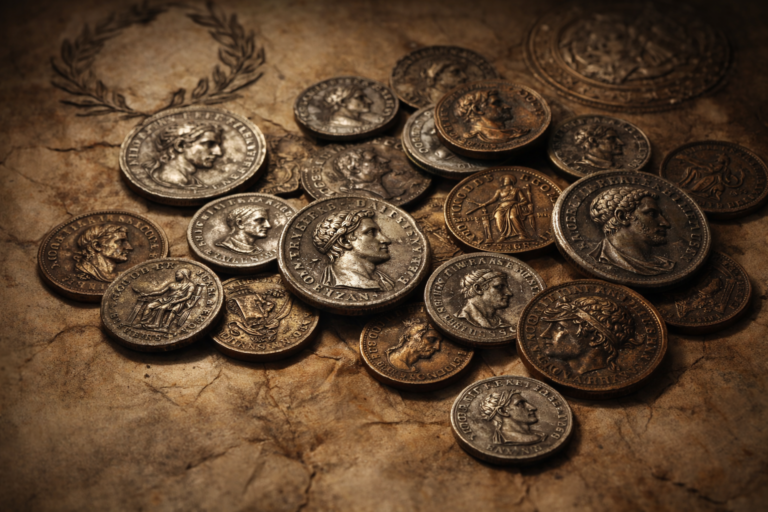
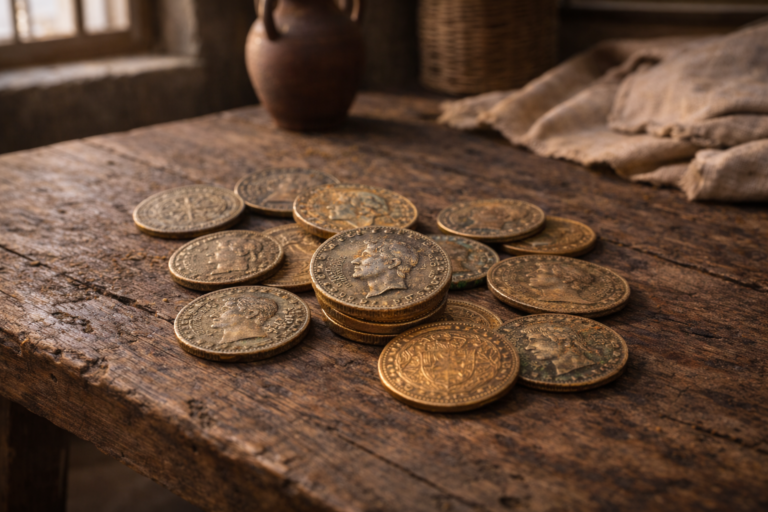
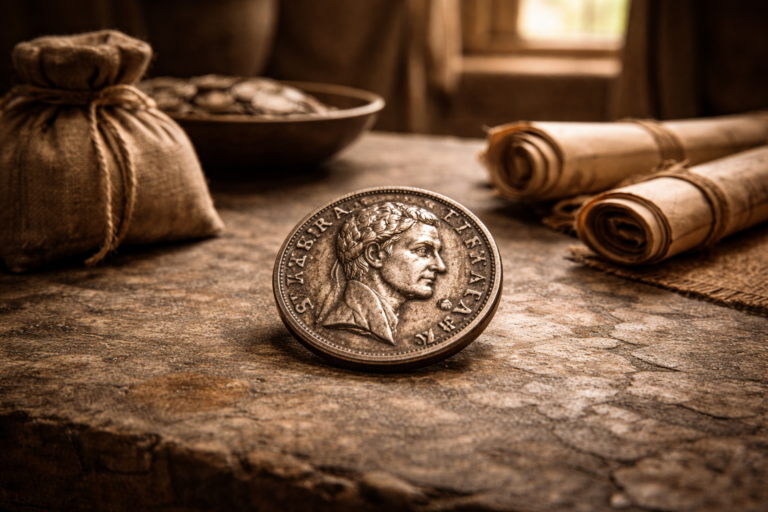
Roman coins were small objects with a large job. They did not only move value. They moved ideas about who had power, what society respected, and what public life was supposed to look like.
In this Roman Coins series, we focus on what coin designs reveal about real history. You can explore more Roman coin stories here: Roman Coins.
What this article explains
We explore what Roman coins reveal about power and society through portraits, symbols, and public messages. This is a historical and educational article, with no pricing, valuation, or investment advice.
Why Coins Were the Empire’s Loudest Silent Media
Coins traveled. They crossed roads, markets, ports, and borders. That movement made them a powerful medium. A message stamped on a coin could reach people who never attended a public speech.
This is why Roman coin design matters for history. Coins were not neutral. They carried authority signals, shared values, and public promises that helped society feel organized.
A Roman coin was a message that never stopped moving.
Portraits and the Idea of Authority
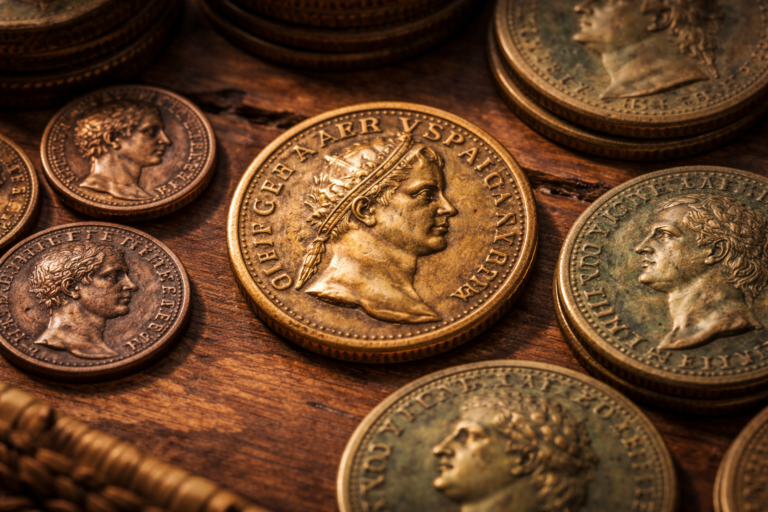
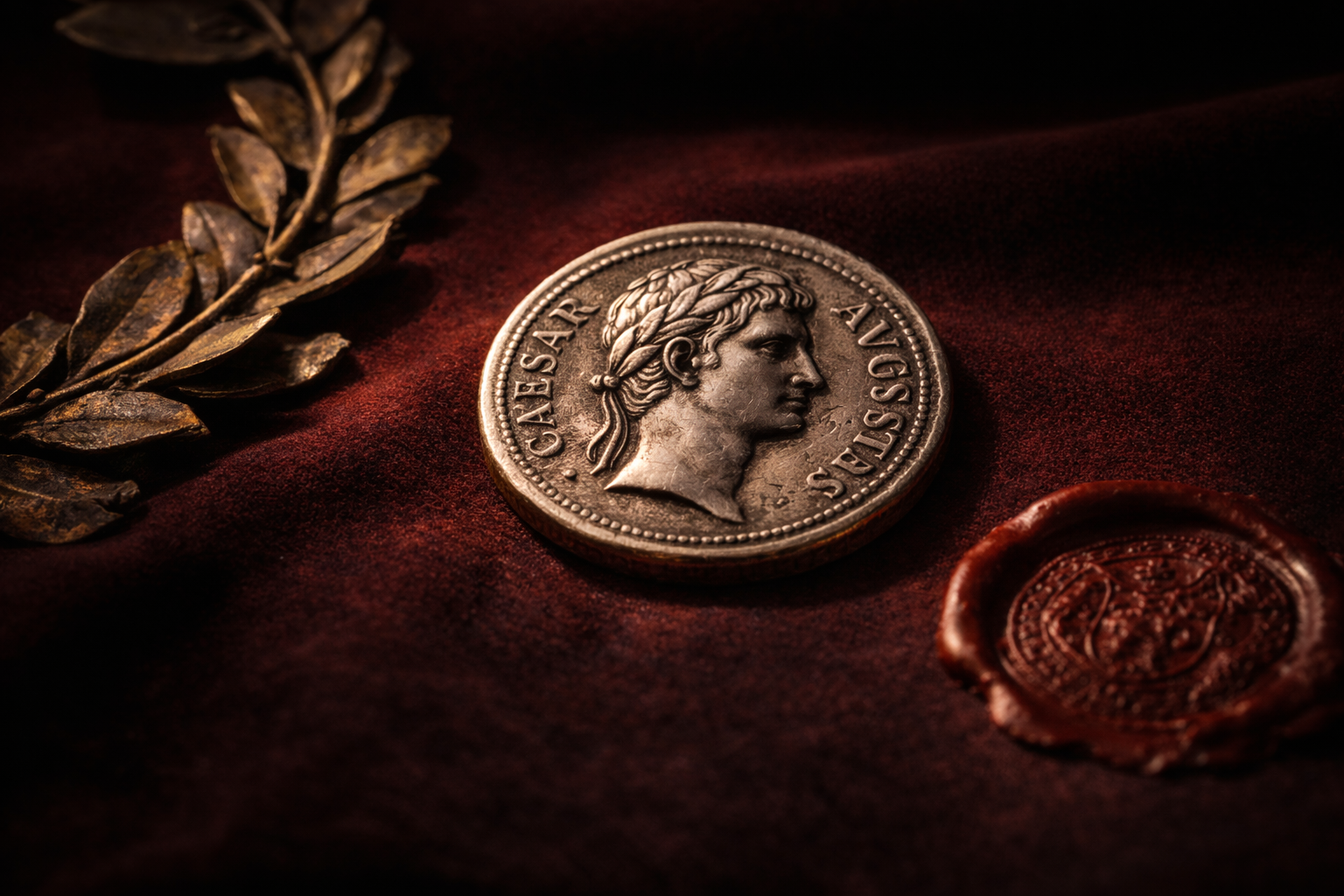
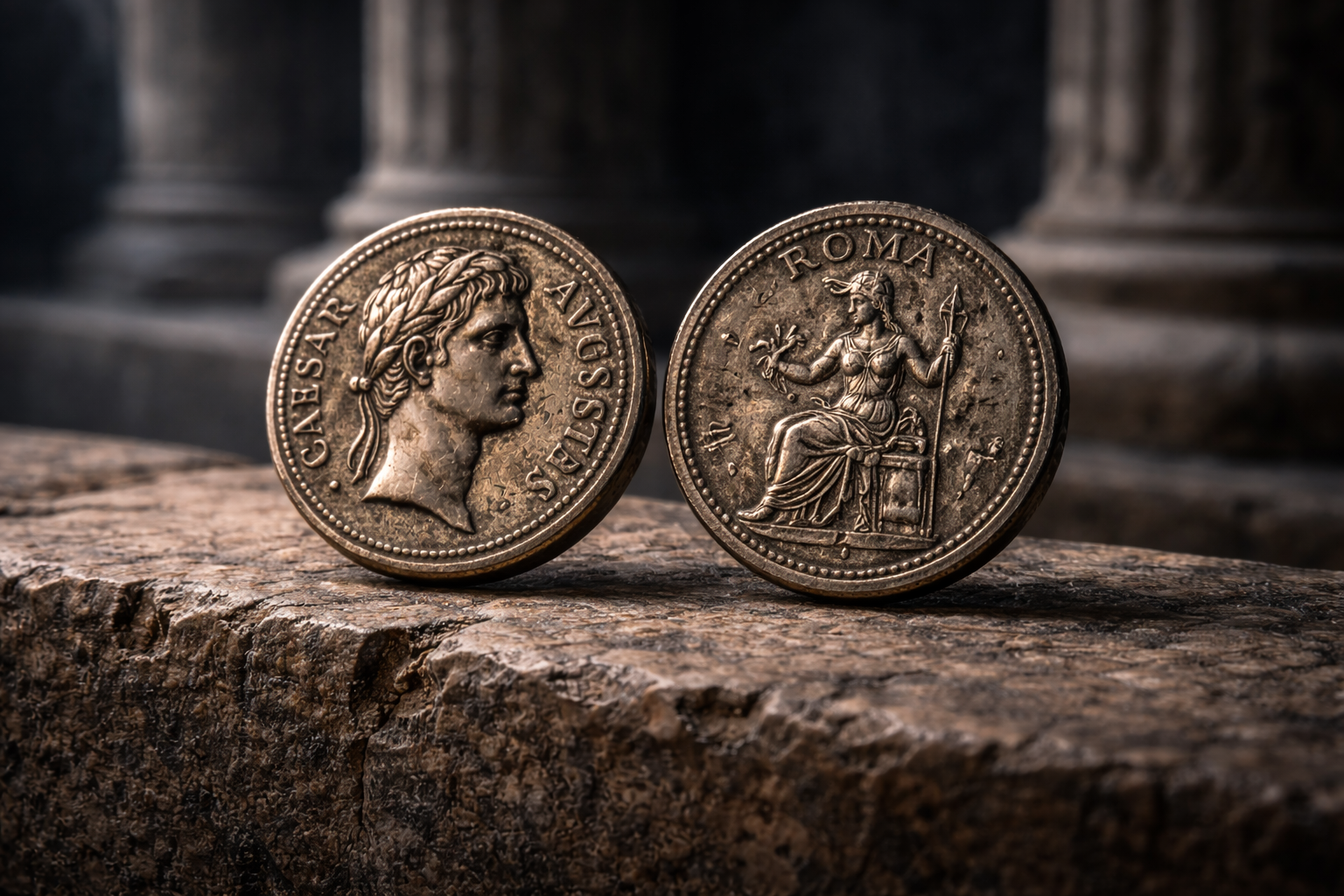
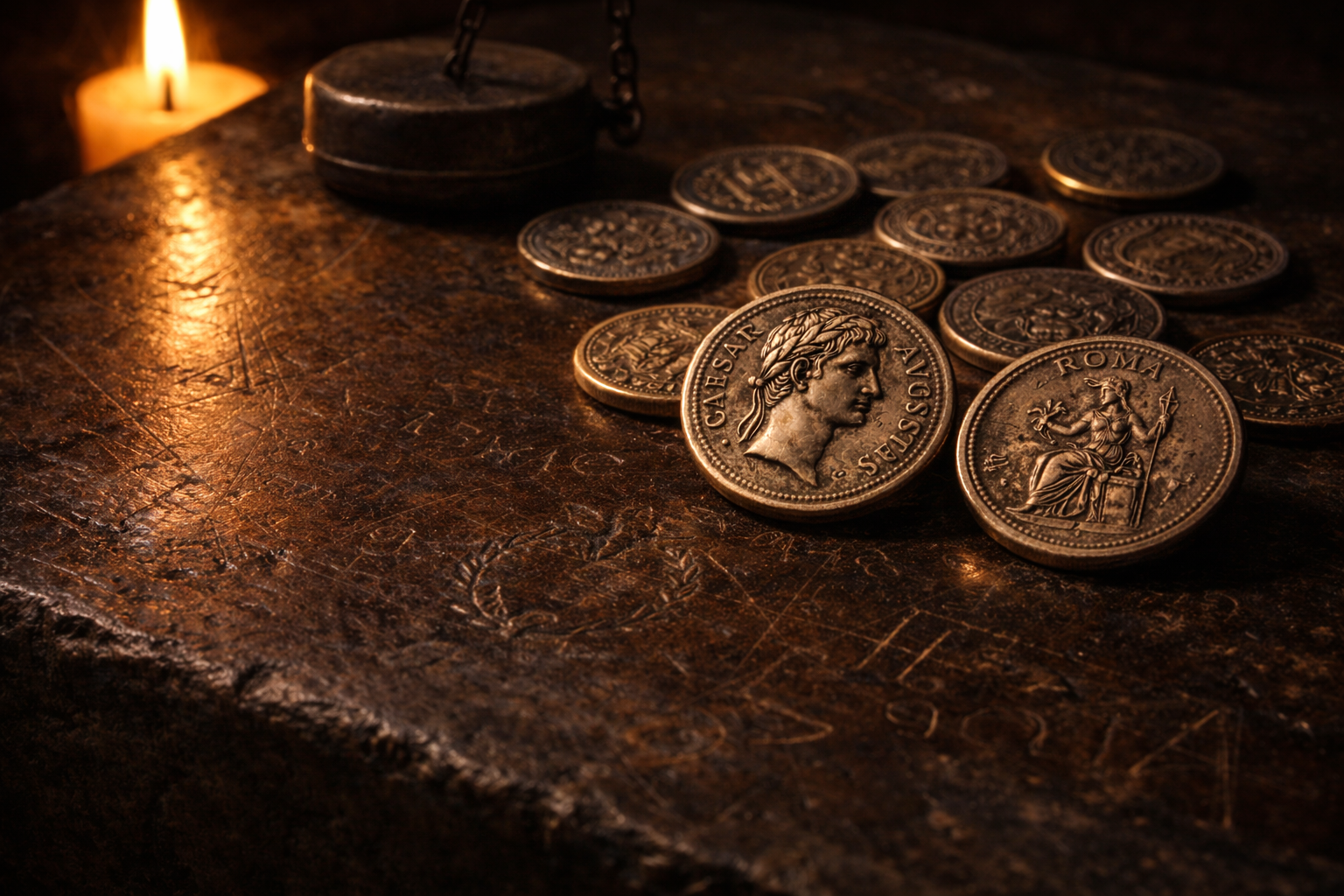
Portraits on coins were not just decoration. They were a daily reminder of who held authority. They turned an abstract political system into a face people could recognize.
If you want a deeper explanation of why emperors appeared on coins and what that did to public trust, see: Why Roman Emperors Appeared on Coins. It connects directly to how coin portraits reinforced legitimacy in everyday life.
Reality Check
Most people encountered the empire through everyday things. A coin portrait may have been the most frequent official image many people ever saw.
Symbols That Taught People What to Believe
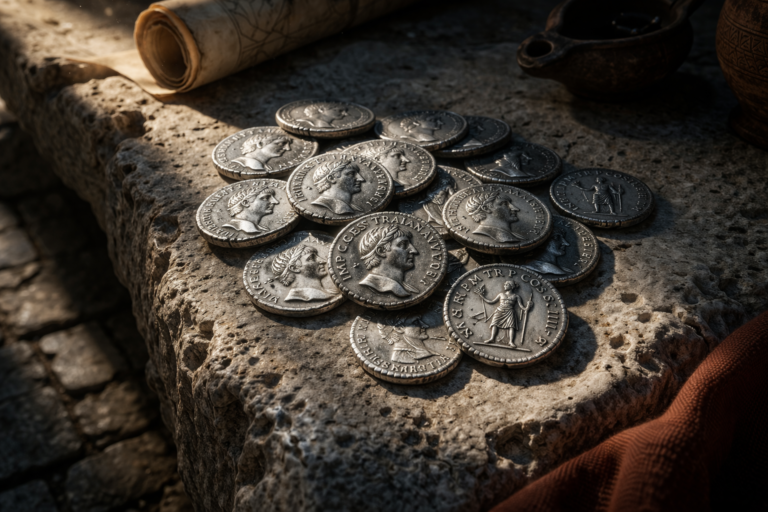
Roman coins also taught values through symbols. Victory imagery, divine references, military themes, and civic motifs were not random. They suggested what society should respect and what the state claimed to protect.
Symbols simplified complex ideas. A person does not need to read policy to understand a symbol repeated everywhere. Repetition turns imagery into a shared language.
Trust Legitimacy and Public Life
Power depends on trust. And daily life depends on predictable exchange. Coins helped connect the two. When people accept money quickly, public life feels stable.
That stability is not only economic. It is social. It allows strangers to cooperate and makes communities feel more organized. In this way, coins supported public life even when politics felt distant.
What Coin Messages Reveal About Society
Roman coin messages reveal what the empire wanted to emphasize. Authority. Order. Victory. Continuity. These themes appear repeatedly because they answered real fears in public life.
Coins also reveal what ordinary people were expected to accept as normal. A stable ruler. A protected world. A shared identity. Whether those promises were always true is a separate question. The important historical point is that coins carried those promises into daily hands.
Power and Society Table
What Roman coin design reveals
This table focuses on historical meaning and public life. It avoids pricing and valuation and stays educational for AdSense safety.
| Design element | What it communicated | Why it mattered | What it reveals about society |
|---|---|---|---|
| Emperor portrait | Authority and legitimacy | Made power recognizable | Public life relied on visible symbols |
| Victory themes | Strength and protection | Reassured the public | Security was a shared concern |
| Divine references | Sacred support | Added moral weight to rule | Religion and politics were intertwined |
| Civic symbols | Order and identity | Unified diverse regions | Shared imagery shaped belonging |
Related Roman Coins
Continue exploring Roman coin history through the Roman Coins collection and this key explainer.
Final Verdict
Final Verdict
Roman coins reveal how power and society were kept visible in everyday life. Portraits and symbols turned money into a moving public message. Coins helped normalize authority, shape shared values, and support trust between strangers in daily exchange.
Frequently Asked Questions
Were Roman coins a form of propaganda
They often carried political and cultural messages through portraits and symbols. That made them a practical tool for shaping public perception.
Why did portraits matter so much on coins
They made authority recognizable. A face on money turns distant power into something people see every day.
Is this article safe for AdSense
Yes. It is educational and historical, and it avoids pricing, valuation, and financial advice.