The Hidden Messages Inside Roman Coin Designs
Estimated reading time: 16 minutes.
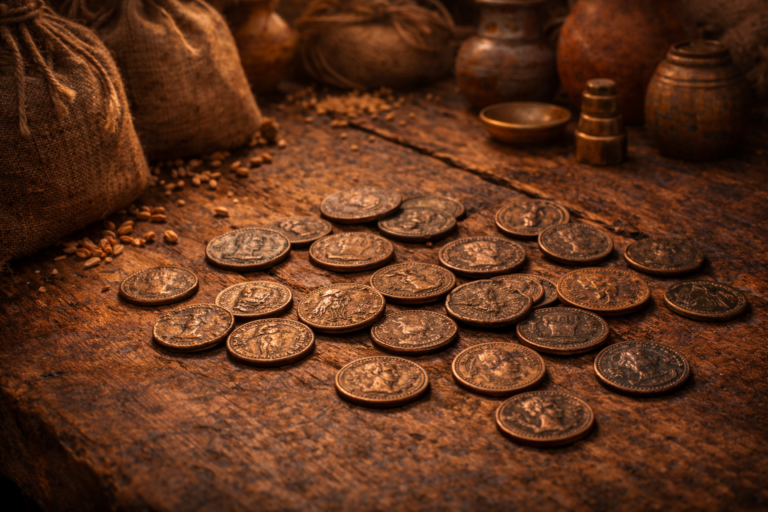
Roman coins were everyday objects with a hidden job. They did not only help people pay, travel, and trade. They also trained people to recognize authority, accept public order, and repeat the same beliefs without noticing.
In this Roman Coins series, we focus on what coin designs reveal about real history. You can explore more Roman coin stories here: Roman Coins.
What this article explains
We explore the hidden messages inside Roman coin designs. We focus on inscriptions, symbols, and repeated imagery that shaped trust, identity, and public belief across the empire. This article stays historical and educational and avoids pricing, valuation, and financial advice for AdSense safety.
Coins as messages you could hold
The Roman Empire had many ways to project power. It built temples. It issued laws. It staged ceremonies. But those things reached people unevenly. A farmer in a small town might never see an emperor. A merchant might never hear a formal speech. A traveler might miss official announcements entirely.
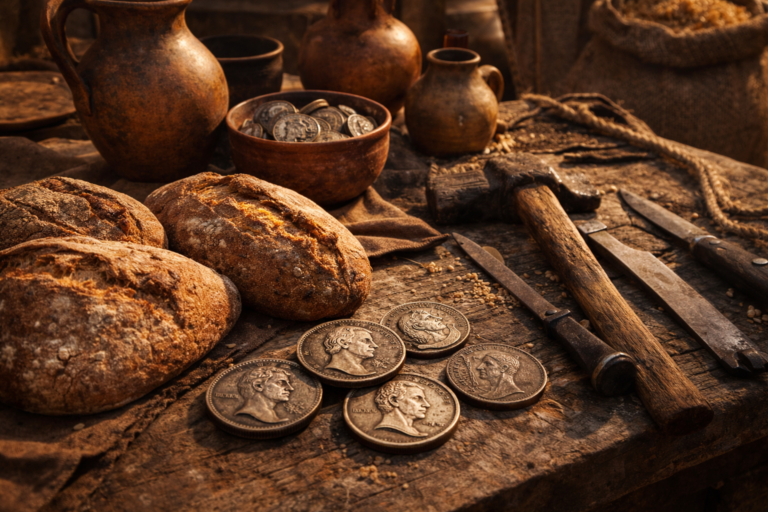
Coins were different. Coins entered life through necessity. A person could ignore a monument. A person could not ignore money. If you wanted bread, oil, tools, or transport, you needed a coin that other people would accept. That acceptance is not only economic. It is social. It is psychological. It is a daily agreement between strangers.
Rome used that agreement as a channel. When a coin moved from hand to hand, the empire moved with it. The design reminded people that there was a system behind daily exchange. The system had symbols. The system had titles. The system had claims about what it protected and what it valued.
The most important part is repetition. A message on a wall might be seen once. A coin message might be seen ten times in a single day. Over weeks and years, repeated imagery becomes background truth. People stop questioning it. They simply recognize it, and recognition becomes a form of trust.
A Roman coin was a public message that traveled farther than most people ever could.
When we say hidden messages, we do not mean secret codes. We mean layered meaning. A coin did not tell a long story. It told short claims that were easy to repeat. Authority is legitimate. The empire is protected. Order is normal. The future is stable. These claims mattered because daily life depends on feeling that tomorrow will work like today.
This is why Roman coin design is a mirror of society. It shows what leaders thought the public needed to believe. It shows what fears had to be answered. It shows what symbols were trusted enough to repeat across regions. And it shows how a state can shape ordinary life without direct force, just by training the eye.
Inscriptions and the language of authority
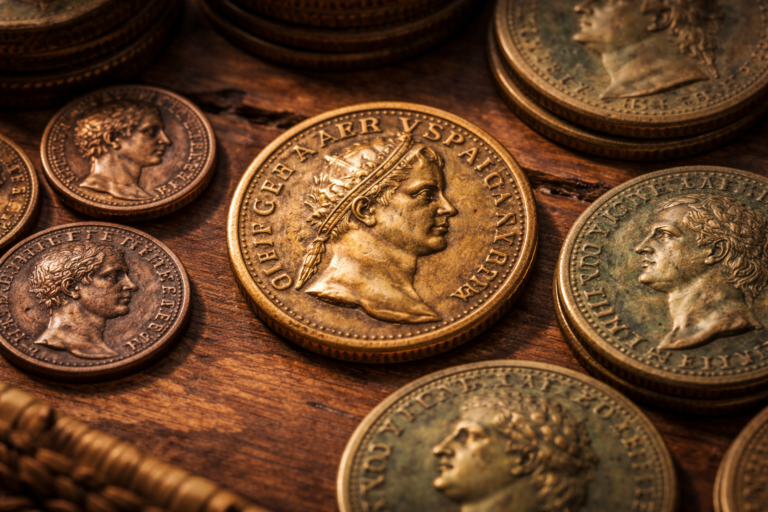
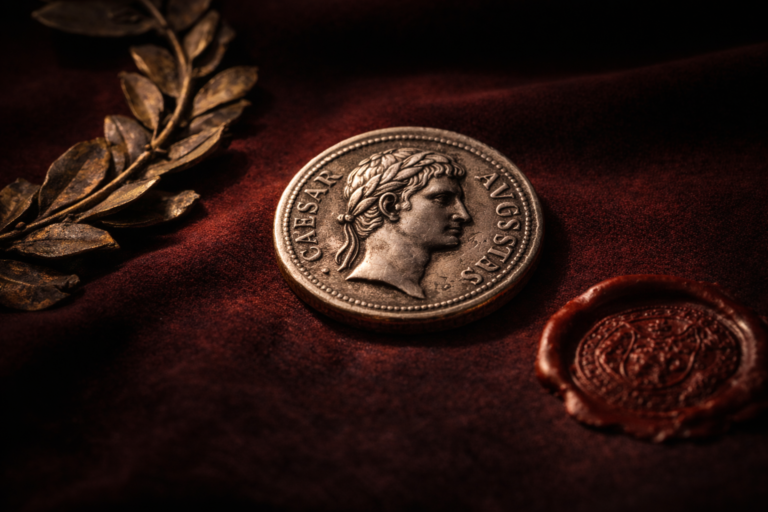
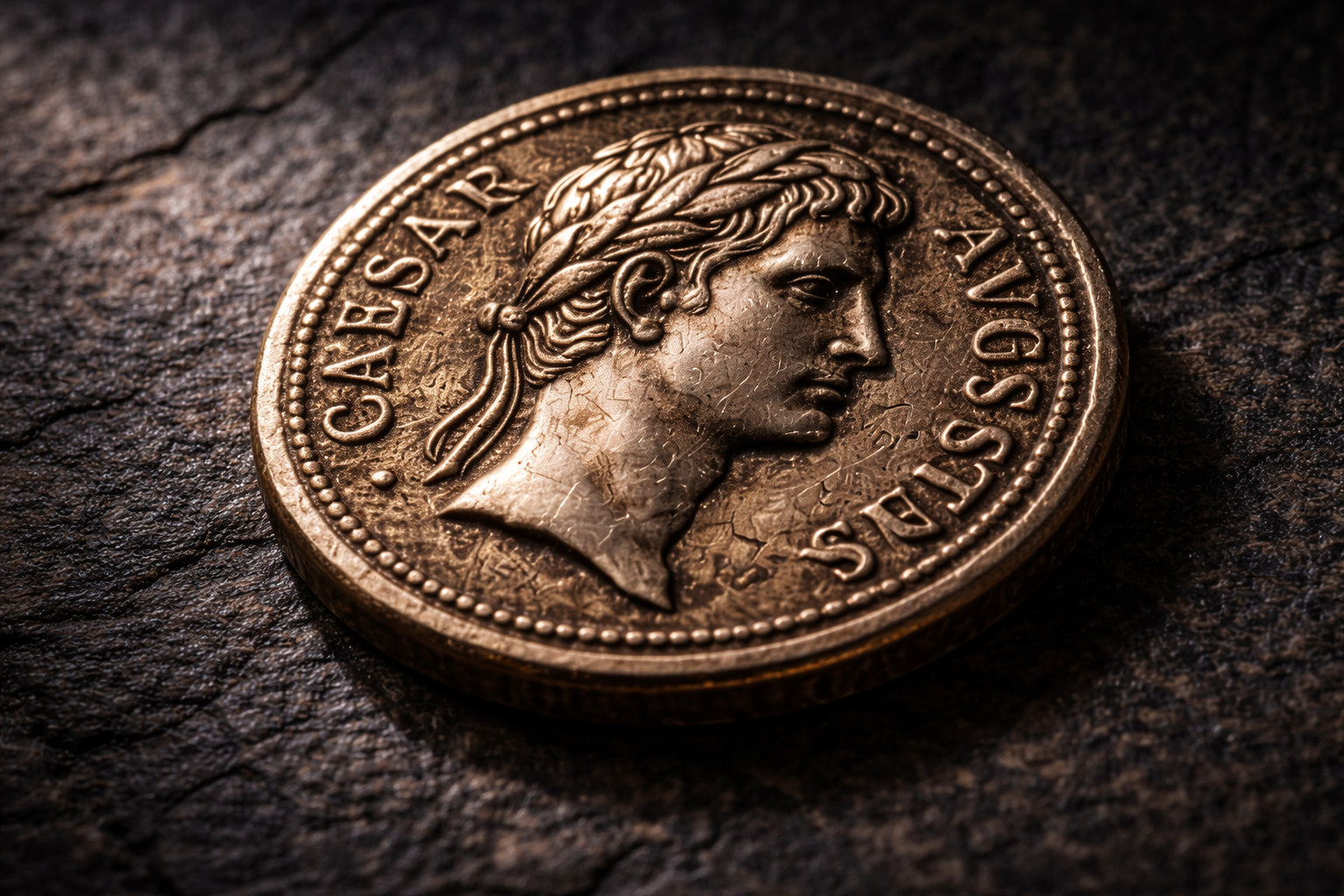
Inscriptions were the most direct message on a Roman coin. Names, titles, and abbreviations did more than identify a ruler. They framed power as something structured and official. They made authority feel consistent, even when politics were unstable behind the scenes.
Space on a coin is limited, so Roman inscriptions used compressed language. Abbreviations were common, not because Rome wanted secrecy, but because it needed efficiency. Yet that efficiency created a specific effect. The text looked like an official stamp. It looked like administration. It looked like order. The format itself became part of the message.
In a world where literacy varied, inscriptions still mattered. People learned patterns. They learned what official writing looked like. They recognized certain sequences of letters as authority, the same way people recognize modern logos without reading them. Recognition is a powerful tool because it works fast. Fast recognition keeps markets moving.
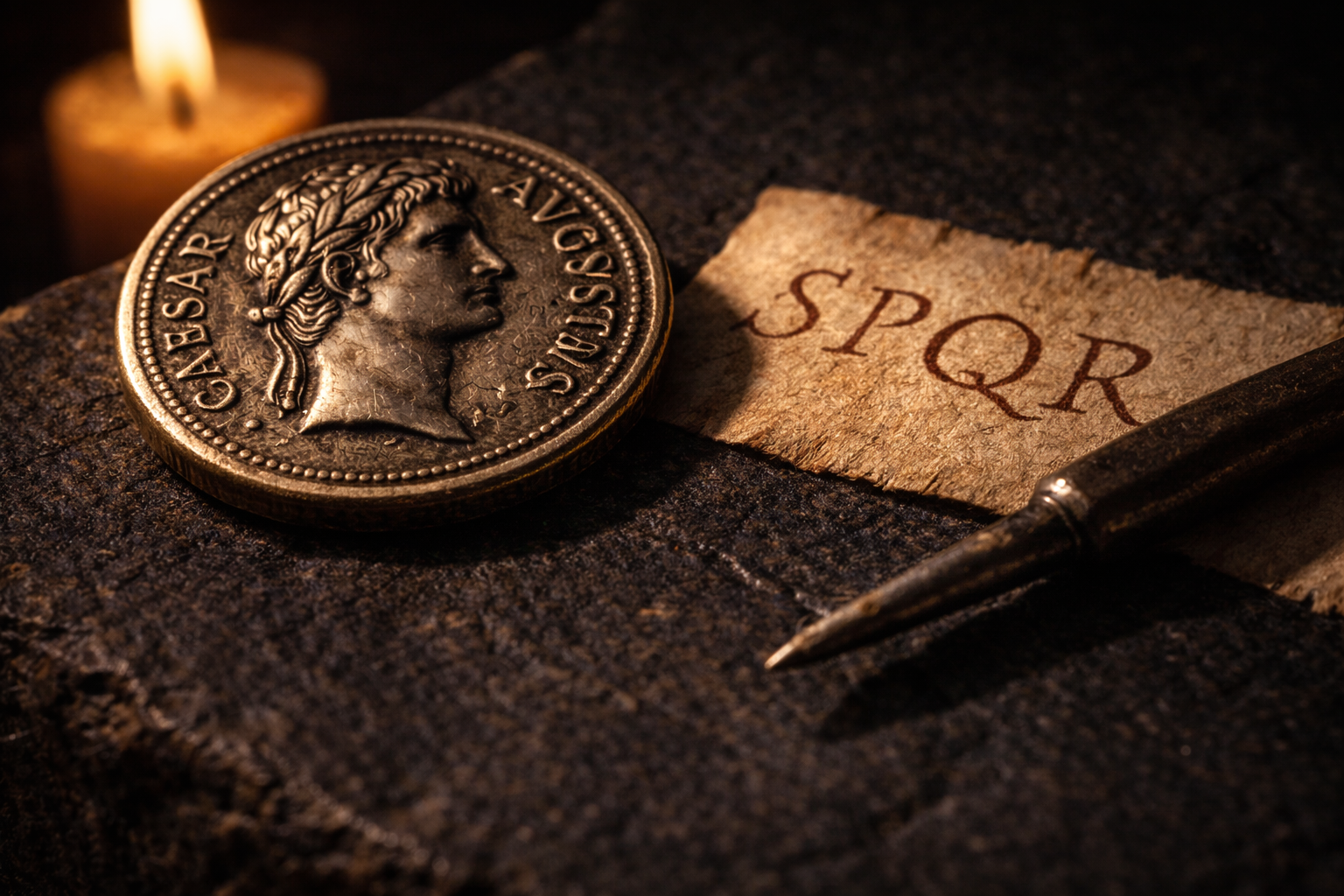
Titles also carried social meaning. They told people how to think about leadership. A title can suggest legal right. It can suggest military strength. It can suggest religious approval. Even without understanding each word, the public learned that the ruler had a full identity backed by institutions. That identity made the money feel safe to accept.
Portraits and inscriptions worked together. The portrait made authority visible. The inscription made it official. If you want the full explanation of why portraits became central, this article connects directly: Why Roman Emperors Appeared on Coins.
Reality Check
Coin messages did not require full literacy. They relied on repetition, recognizable patterns, and visual authority. People trusted what they saw daily and saw others accepting without hesitation.
Another hidden function of inscriptions is time. Coins anchored public life to a sense of continuity. When language remains stable across years, people feel that the system remains stable too. That feeling matters in an empire that spans many cultures and distances. Continuity is not just political. It is emotional. It reduces daily anxiety.
Symbols as shortcuts to belief
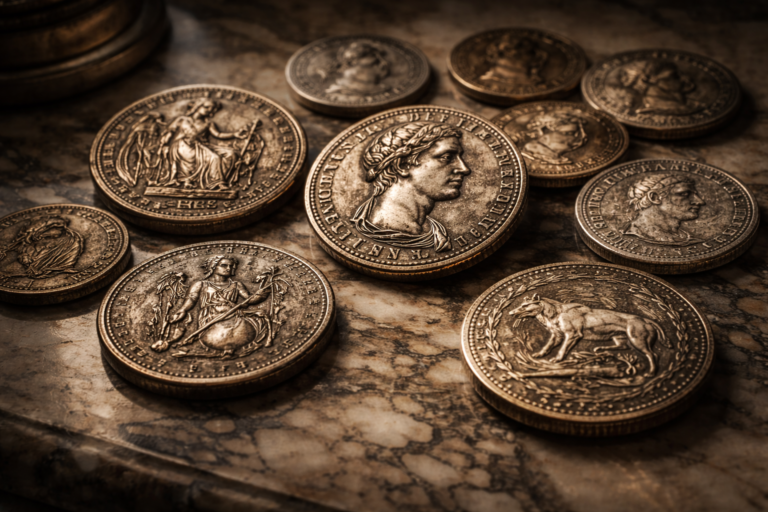
Symbols were the fastest part of Roman coin messaging. A symbol can communicate across language barriers. It can work in a province where Latin is not spoken at home. It can reach a person who cannot read at all. That is why symbols were essential for an empire that needed unity without uniformity.
Roman coin symbols were not random decoration. They were a vocabulary. Victory imagery suggests protection. Divine references suggest moral approval. Military themes suggest security. Civic motifs suggest order and belonging. The coin does not explain these things. It repeats them until they feel normal.
A hidden message in symbols is expectation. When a society constantly sees symbols of victory, it learns to expect victory. When it constantly sees symbols of stability, it learns to treat instability as unacceptable. Those expectations shape public mood. They shape how people interpret news, rumors, and change. Coins helped train that interpretation.
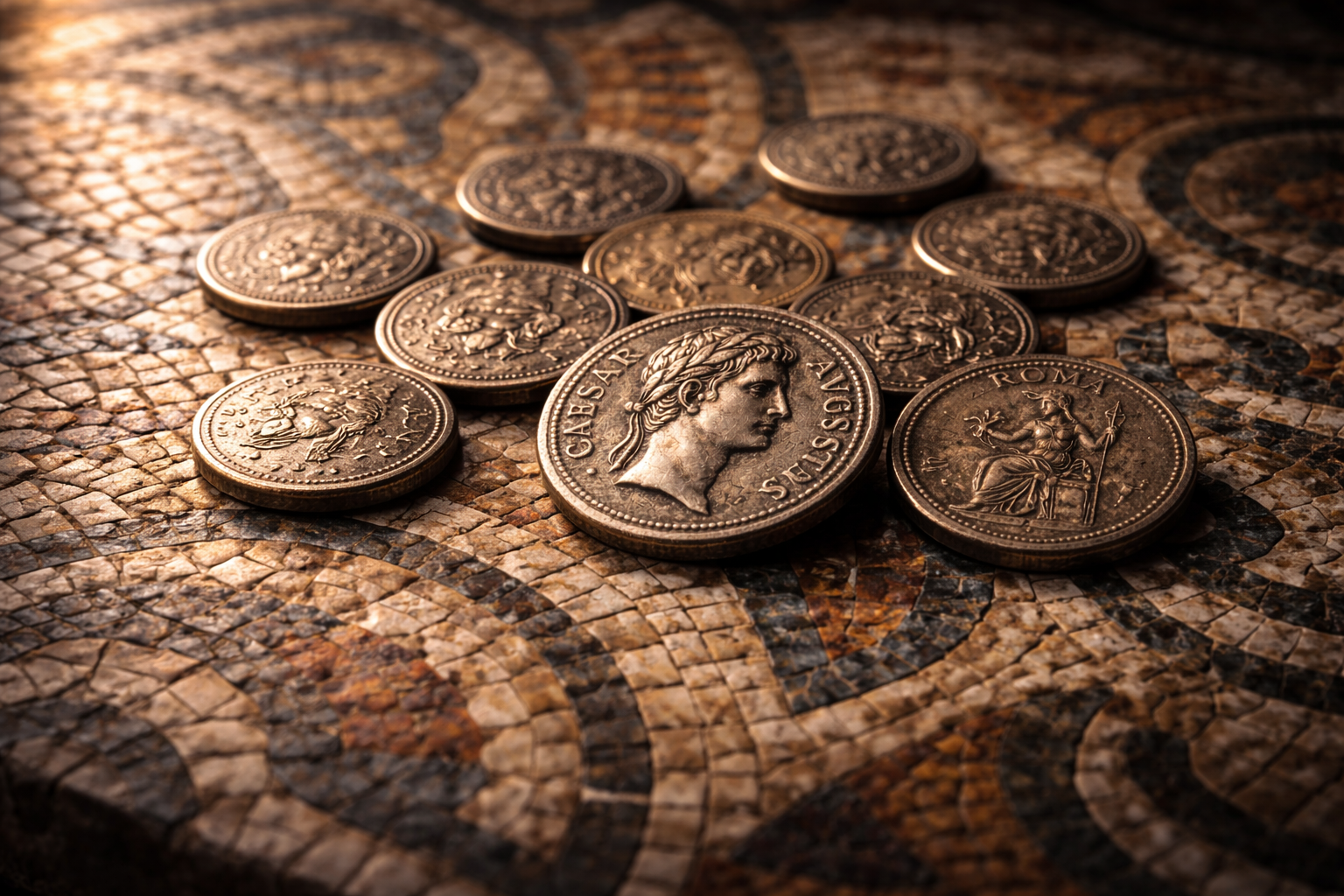
Symbols also helped unify daily life. Think about a traveler moving through different towns. Dialects change. Customs change. But the coin imagery stays familiar. Familiar imagery reduces friction. It tells the traveler, this system works here too. That is a quiet form of integration.
Another hidden layer is social ranking. Some symbols suggest hierarchy. Some suggest public duty. Some suggest divine favor. These messages train the public not only to obey, but to accept certain structures as natural. When a symbol repeats across the empire, it becomes part of what people think society is supposed to look like.
Why repetition mattered more than beauty
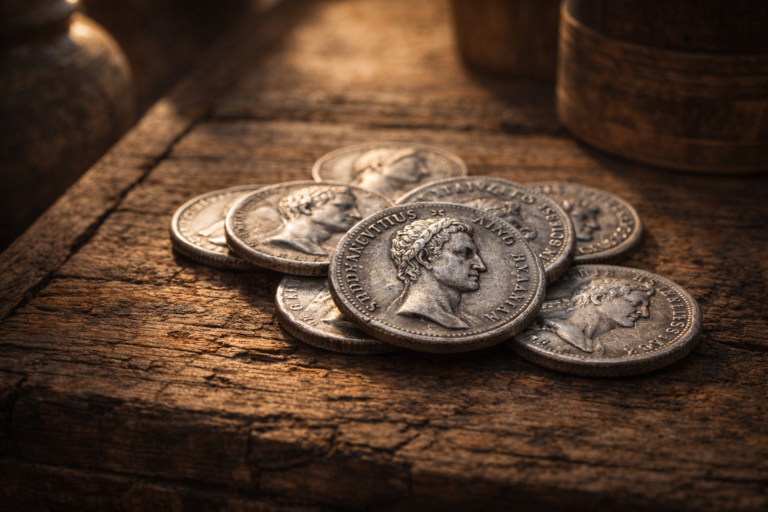
Modern people often evaluate coins like art. Rome evaluated coin design like infrastructure. The most important job was recognition. A coin should be accepted quickly. That means it should look familiar. Familiarity is built through repetition.
Repetition is stronger than persuasion because it becomes habit. People can argue with a speech. People rarely argue with routine. When a coin design is repeated thousands of times, it becomes the default visual truth of public life. That is how hidden messages gain power. They stop feeling like messages and start feeling like reality.
Repetition also reduces fear of change. If a person hears rumors of instability, the daily sight of familiar coins can act like reassurance. It suggests continuity. It suggests that the system still functions. Even when politics are tense, consistent coin designs can calm daily exchange.
This is one reason certain themes persisted across reigns. Even when rulers changed, the state often reused the same visual language of legitimacy. The message was not, everything is new. The message was, the system continues. That message is valuable because ordinary people want predictable routines.
Hidden messages and public trust
The final destination of all these messages is trust. Trust is the invisible foundation of everyday money. Markets only work when people accept money without long debate. Wages only matter when people believe money will still work tomorrow. Travel is easier when money works across regions.
Roman coin designs supported that trust by making authority visible and repeatable. A consistent portrait, a familiar title, and repeated symbols told people that the system had a stable center. That stable center might be distant. But it felt present because the coin was present.
Coin messages also shaped identity. If the same imagery appears in many towns, people begin to feel part of a shared world. That shared world is not only economic. It is social. It is cultural. Coins created that shared reference point every time they were used.
This is why coins are strong historical evidence. They are public objects designed to be accepted. Their design shows what authorities believed would work on ordinary people. Not what rulers said in speeches, but what they repeated in daily hands.
Hidden Messages Table
What Roman coin design communicated quietly
This table focuses on historical meaning and public life. It avoids pricing and valuation and stays educational for AdSense safety.
| Design element | What it communicated | Why it mattered | What it reveals about society |
|---|---|---|---|
| Inscriptions and titles | Legitimacy and official order | Trained recognition and reduced hesitation | Public life depended on familiar authority signals |
| Portrait plus text | A personal signature of rule | Made distant power feel present | Society valued visible leadership as a stabilizer |
| Victory imagery | Protection and strength | Reassured daily exchange | Security was a shared concern in public mood |
| Divine symbols | Moral approval and sacred support | Added weight to authority without explanation | Religion and politics were deeply intertwined |
| Civic motifs | Order, unity, belonging | Unified diverse regions through shared imagery | Belonging was shaped through repeated public symbols |
| Repetition across issues | Continuity and stability | Turned messages into habit | Routine was treated as proof that the system worked |
Related Roman Coins
These links connect directly with the Roman Coins series and expand the same ideas.
Final Verdict
Final Verdict
The hidden messages inside Roman coin designs were not hidden by secrecy. They were hidden by familiarity. Inscriptions made authority official. Symbols made authority understandable. Repetition made authority normal. Coins did not only move value. They moved belief and shaped daily public life through constant contact.
Frequently Asked Questions
What does hidden messages mean in Roman coin design
It means layered meaning, not secret codes. Designs carried claims about legitimacy, protection, continuity, and social order through words and symbols.
Did ordinary people understand Roman coin symbols
Many understood them through repetition. Even without reading Latin, people recognized official patterns and the general meaning of repeated imagery.
Why did Rome repeat the same themes on coins
Repetition creates recognition. Recognition creates trust. Trust keeps daily exchange moving, especially across regions and social classes.
Is this article safe for AdSense
Yes. It is educational and historical, and it avoids pricing, valuation, and financial advice.