Ancient Roman Coins in Daily Use
Estimated reading time: 8 minutes.
A Roman coin was not made for a glass case. It was made for a warm hand in a loud street. If you could hear ancient Rome for one minute, you would hear coins more than speeches. Metal tapping wood. Metal sliding across stone. Metal landing in a palm like a small promise that today will still work.
In this Roman Coins series, we focus on everyday money and what it reveals about real life. You can explore more Roman coin stories here: Roman Coins.
What this article explains
We explore how ancient Roman coins worked in daily use. We focus on markets, wages, small purchases, and the quiet routines that coins made possible. This article stays historical and educational and avoids pricing, valuation, and financial advice for AdSense safety.
Daily use is where the story lives
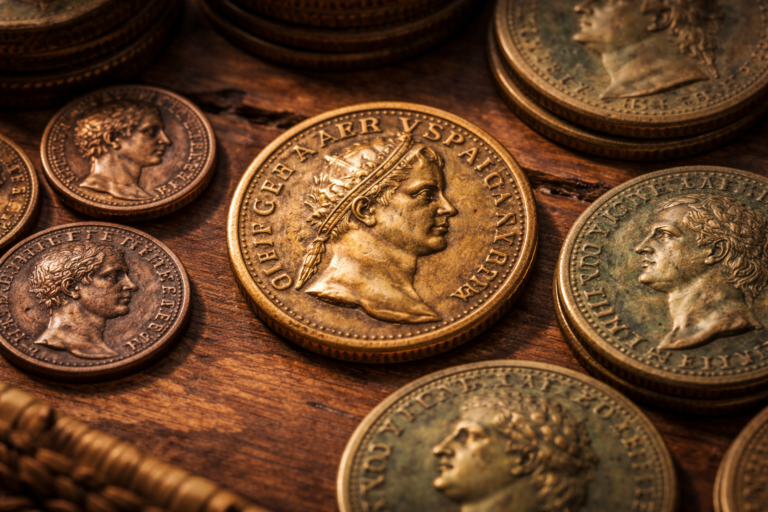
Most people meet Roman coins through clean photos. The portrait looks sharp. The letters look official. The coin feels like a message from the emperor.
But daily life did not feel like a museum. Daily life felt like errands. Like waiting. Like being tired. Like buying something small because you cannot wait until tomorrow.
Coins were built for that world. They were the fastest way to turn effort into food. They were a way to pay someone you do not know. They were a social shortcut. A shared agreement between strangers that keeps streets moving.
Coins in markets and street buying
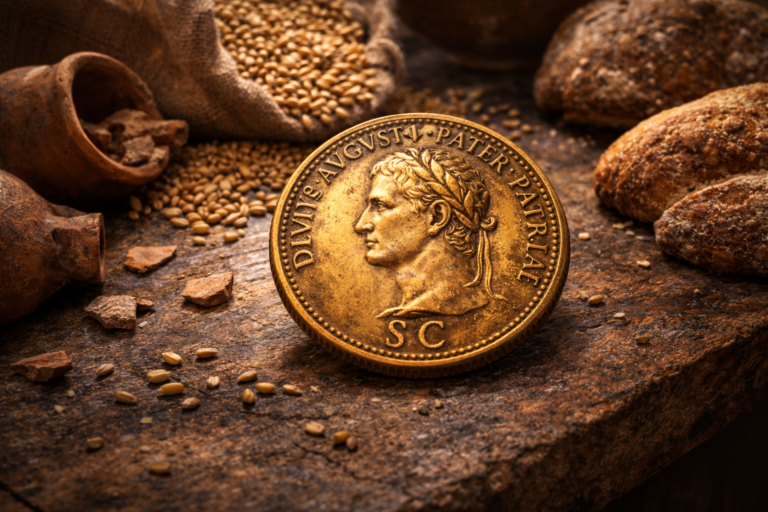
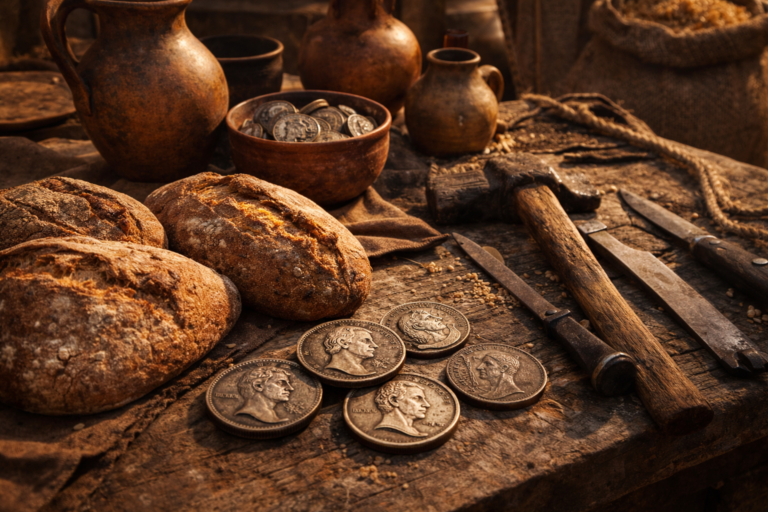
Imagine a morning market. Not one building with one cashier. A cluster of voices and smells. A seller measuring grain. A potter stacking clay. A vendor cutting bread with practiced speed.
This is where coins became real. Coins are not important because they exist. Coins are important because other people accept them without a fight. Acceptance is what makes daily trade possible.
In a market, time matters. You cannot debate every transaction. You need small values. You need simple counting. You need quick trust. That is why low value coinage shaped daily life more than gold ever did.
Bronze coins and ordinary spending
Bronze coins were the coins of routine. They matched the scale of ordinary needs. A snack. A tool repair. A small service. A quick purchase that keeps a day from breaking apart.
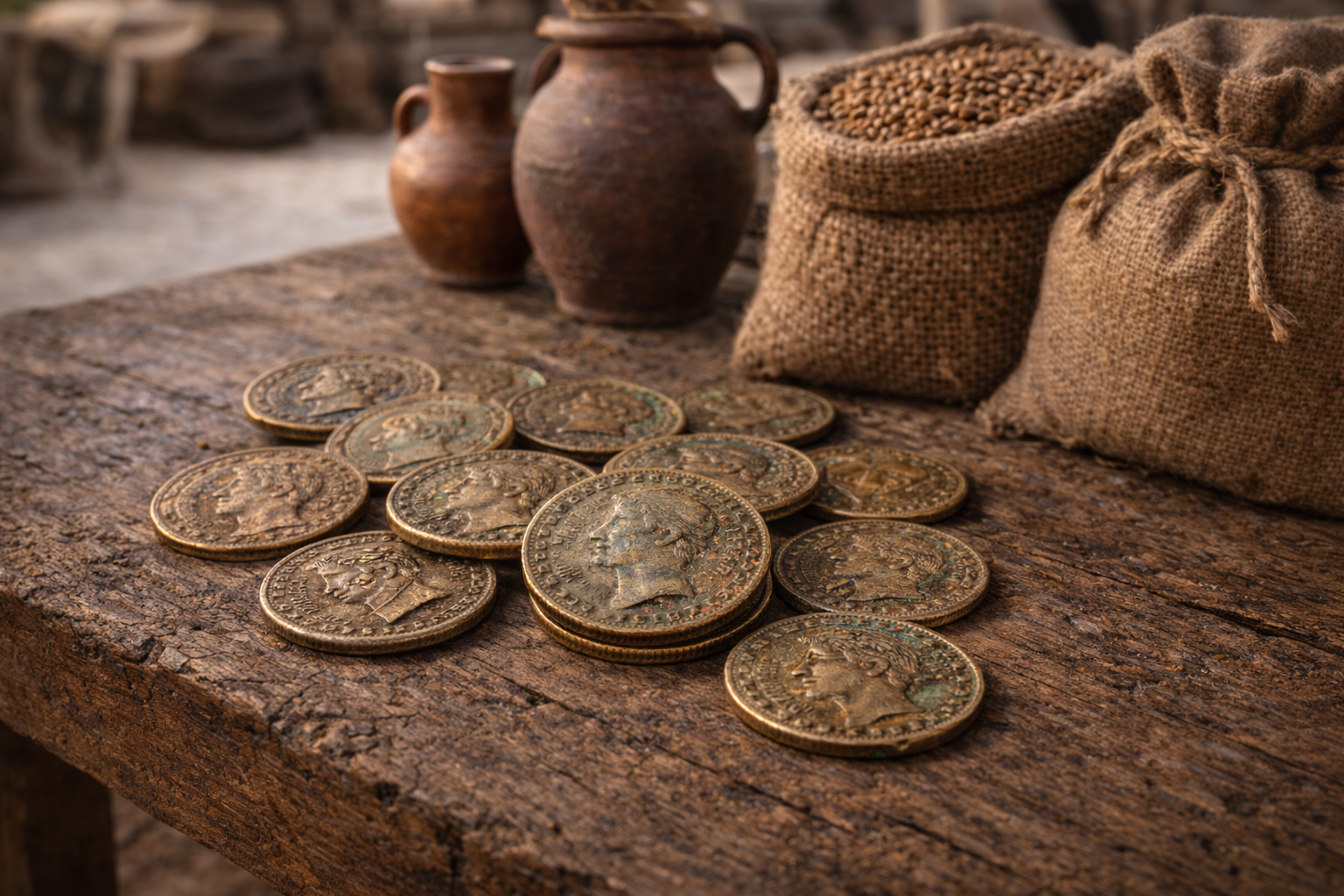
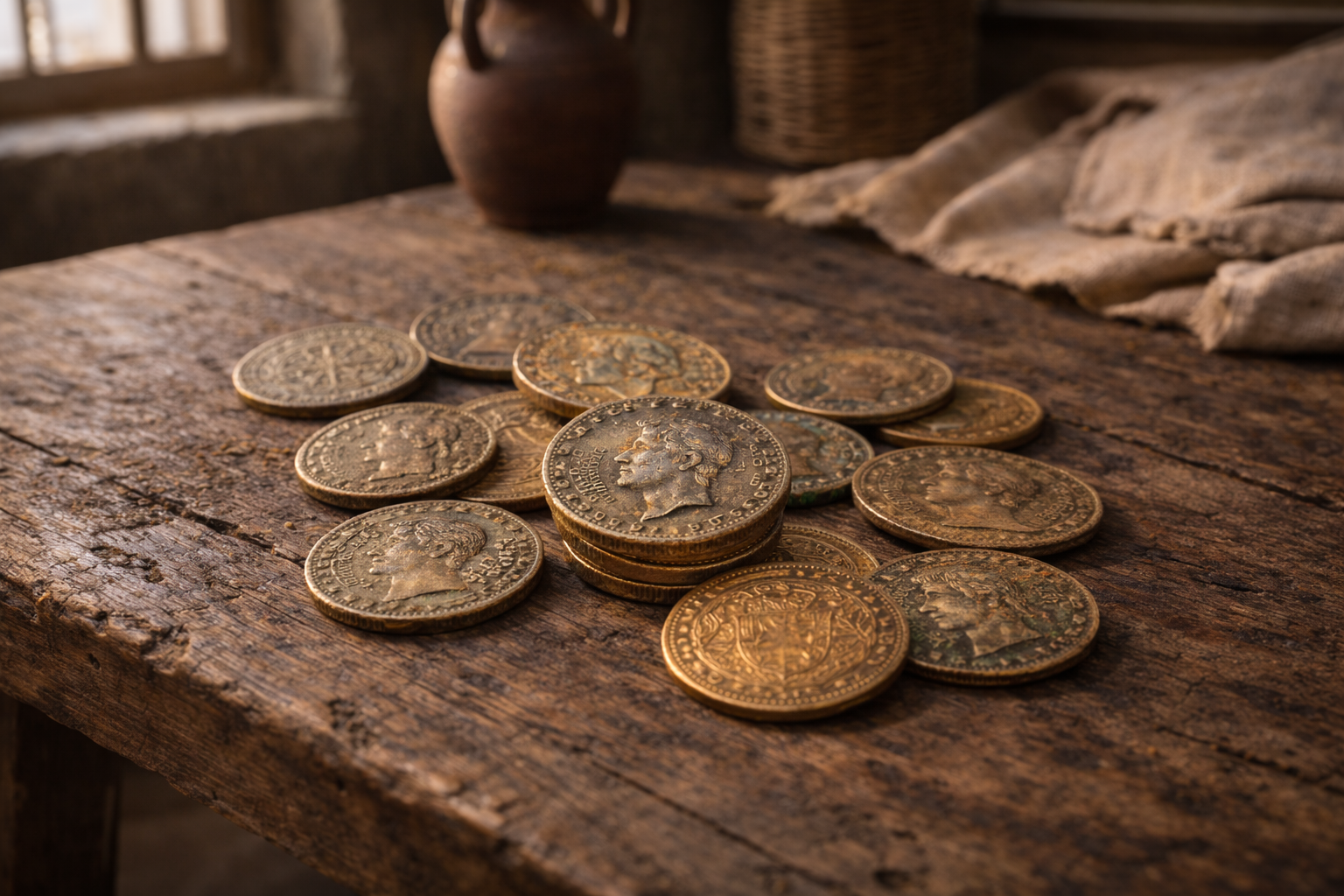
Bronze also tells you something honest about pressure. These coins moved fast. They were handled while people talked. While people carried goods. While people stood in lines. That is why so many bronze coins look softened and tired today.
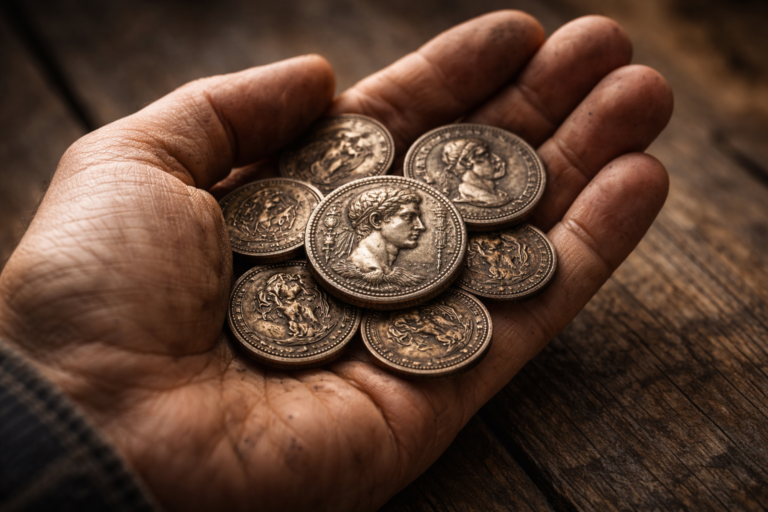
Wear is not only damage. Wear is evidence. It means the coin lived in pockets and pouches. It rubbed against other coins. It slipped onto counters. It fell into dust. It was picked up again. It did its job.
Reality Check
Everyday coins mattered more than impressive coins. A society runs on small repeat purchases. Bronze coinage is where you see the real rhythm of Roman life.
The denarius and routine payments
Now shift from street buying to predictable payments. Wages. Rent. Larger purchases that shape a month, not a minute.
This is where silver enters the story. The denarius was not rare in the Roman world. It was familiar. It was counted carefully because it carried more meaning per coin.
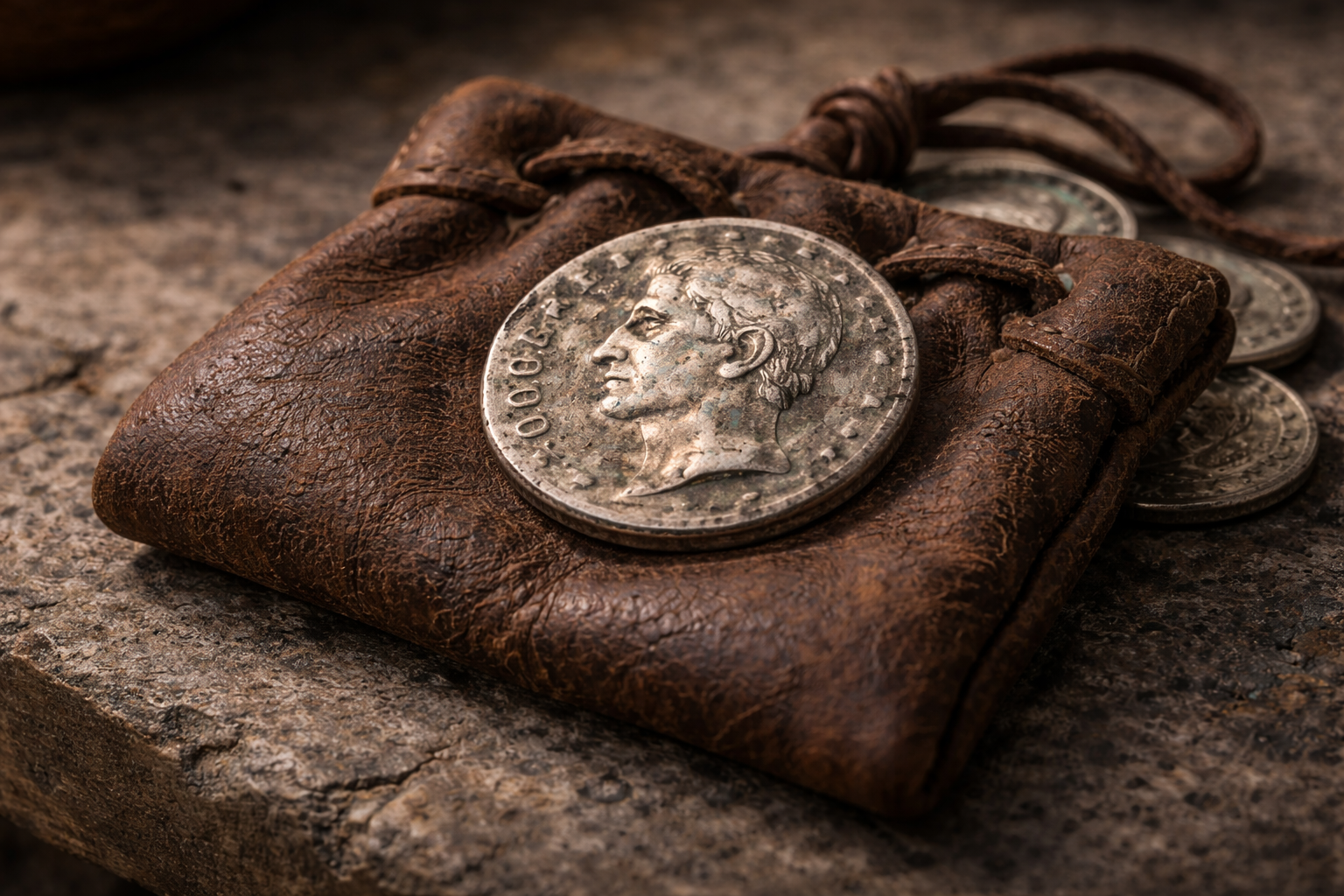
Think about the feeling of payday. Relief is part of the payment. A denarius could be planning. Not only spending. People separated coins for specific needs. Food. Household items. A bill. A small cushion for trouble.
Silver also helped transactions between strangers when stakes felt higher. It reduced negotiation. It reduced suspicion. It made daily economic life smoother across towns and regions.
Why trust mattered more than beauty
A coin does not succeed because it is pretty. A coin succeeds because it is trusted. Trust is the invisible engine of daily exchange.
Rome needed that trust across a huge world. People spoke different languages. People lived under different local habits. But coins created a shared routine. People learned what official money looked like. People learned what weight felt normal. People learned which pieces moved without argument.
When trust was strong, life felt easier. When trust weakened, everything slowed down. Markets become cautious. Sellers demand different terms. Buyers hesitate. Daily life becomes heavier.
Daily Use Table
The easiest way to visualize daily use is to map coin types to real situations. This table is not about prices. It is about behavior. It shows how different coins fit into different moments of ordinary life.
Daily Use Table
This table summarizes where coins appeared in daily routines. It focuses on small transactions, regular payments, and the practical role each coin played.
| Coin type | Most common daily setting | Typical daily function | What it reveals about life |
|---|---|---|---|
| Bronze low value coins | Markets and street vendors | Small purchases and quick services | Daily life was built on frequent small exchanges |
| Bronze mid value coins | Workshops and local trade | Tools, repairs, household items | Practical needs shaped most spending decisions |
| Silver denarius | Wages and routine payments | Payday, rent, planned buying | People organized money around monthly pressure points |
| Mixed change | Pouches and home storage | Balancing now and later | Saving and spending lived side by side in ordinary homes |
| Heavily worn pieces | High traffic neighborhoods | Constant circulation | Wear is proof of repeated human contact, not a defect |
Related Roman Coins
These links connect directly with the Roman Coins series and expand the same ideas.
Final Verdict
Final Verdict
Ancient Roman coins were daily tools before they were historical artifacts. Bronze carried the rhythm of small needs. Silver carried the rhythm of regular payments. Trust carried everything. If you want to understand Rome, do not start with the palace. Start with the coin in a tired hand at the end of a long day.
Frequently Asked Questions
Were Roman coins really used every day by ordinary people
Yes. Coins were part of routine exchange in markets, services, and common payments. Daily use was most visible in bronze coinage used for frequent small transactions.
Why are many Roman bronze coins so worn
They circulated heavily. They were carried in pouches and handled constantly. Wear is often evidence of long circulation and repeated contact, not a single moment of damage.
What was the denarius used for in daily life
The denarius often supported larger routine payments. It was used in wages, rent, and planned purchases where people wanted fewer coins with more value per piece.
Is this article safe for AdSense
Yes. It is educational and historical, and it avoids pricing, valuation, and financial advice.