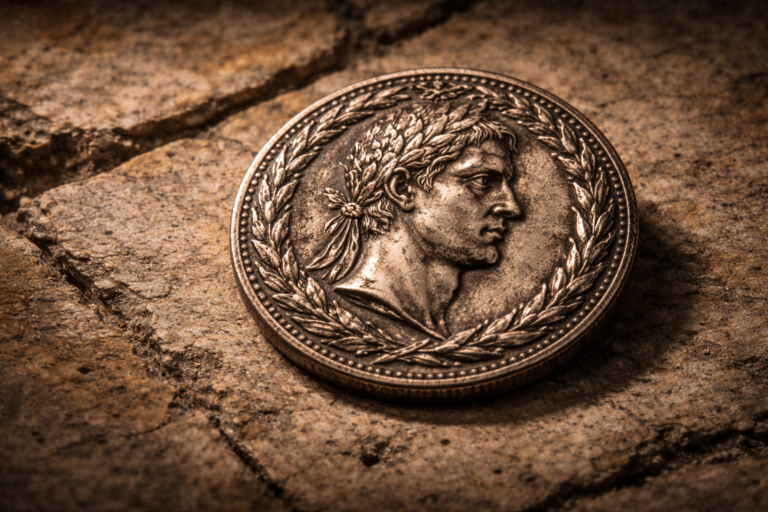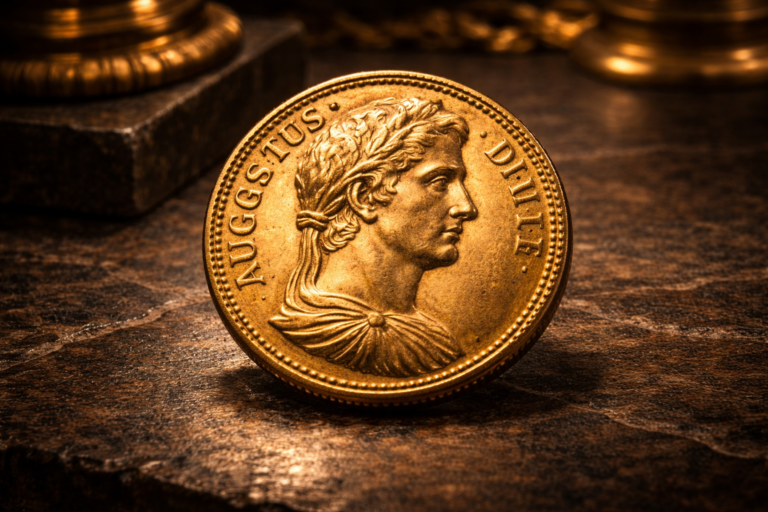
Why the Sestertius Dominated Everyday Life in Ancient Rome
Estimated reading time: 10 minutes.
Picture a Roman morning when the city is already loud. Bread is being weighed. Small services are being negotiated. A worker wants a quick payment before he moves on. In moments like that, Rome did not run on gold. It ran on a coin people could recognize instantly.
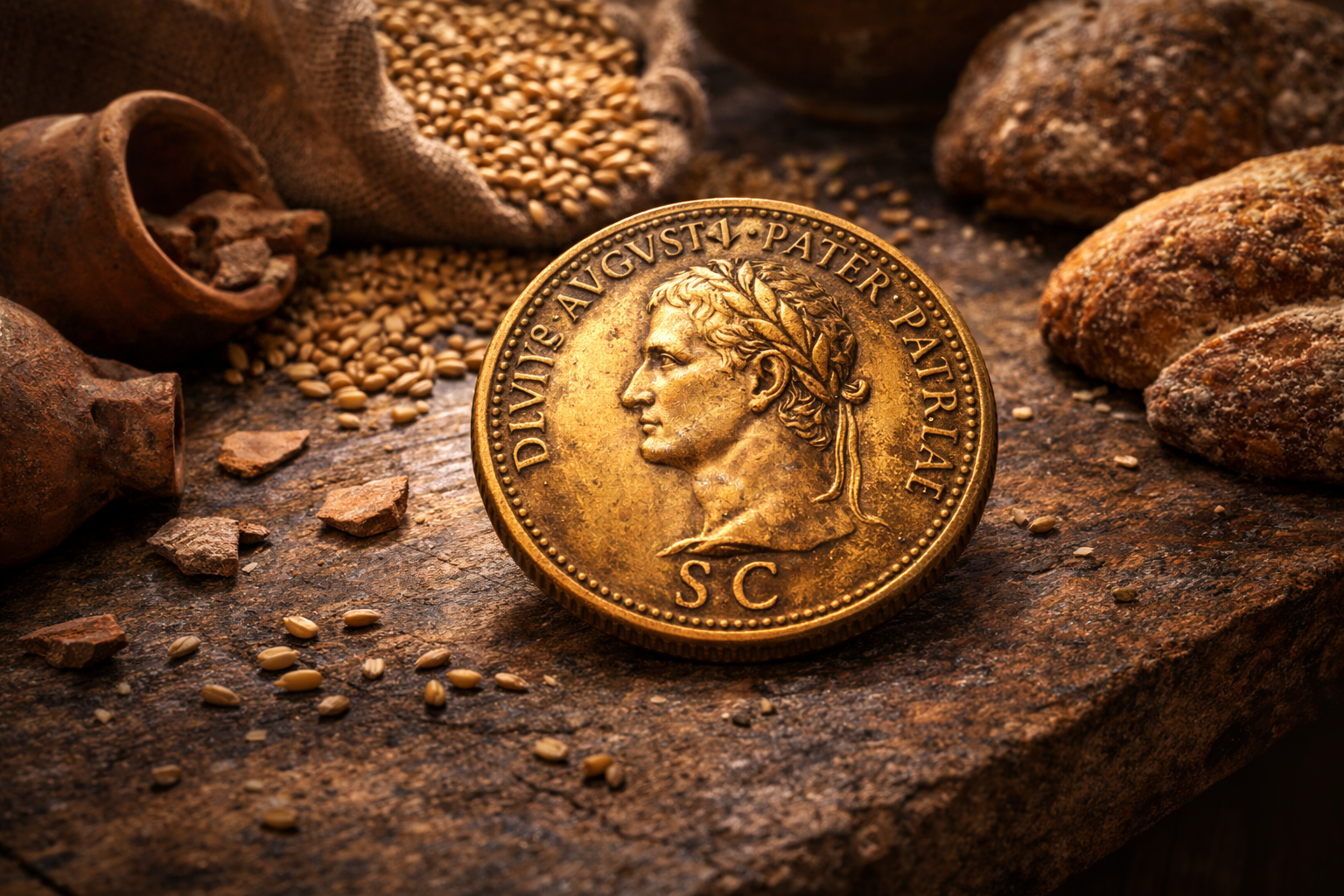
That coin was the sestertius. Big enough to feel real in the hand. common enough to be accepted without a debate. and practical enough to sit at the center of everyday exchange. If the denarius was Rome’s trusted silver, the sestertius was Rome’s daily rhythm.
What this article explains
We explain why the sestertius dominated everyday life in ancient Rome through visibility, practical value, and constant use in markets, wages, and daily payments. This is historical and educational and avoids pricing or modern financial advice.
What the sestertius was
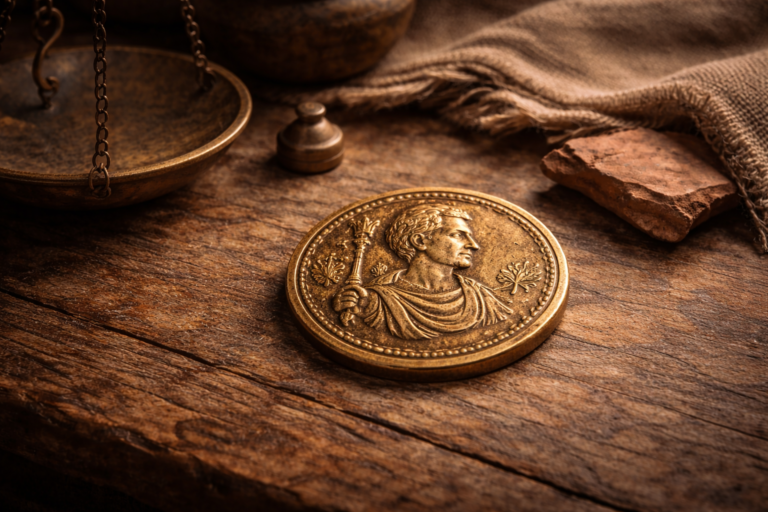
The sestertius was one of the most familiar Roman coins, especially in the everyday world. It was not meant to hide in a pouch as a rare treasure. It was meant to move. From hand to hand. from stall to stall. from one ordinary moment to the next.
In practical terms, the sestertius became a comfortable middle coin. Not too tiny to feel meaningless, and not too large to be limited to elite use. That balance is one of the reasons it dominated daily life.
Why it fit daily life so well
Daily life has a specific problem. Most payments are not dramatic. They are small, frequent, and fast. People need a coin that feels straightforward. A coin that can be counted quickly. A coin that does not require a long argument about value.
The sestertius fit that reality. It worked as a practical unit people could think in. When a coin becomes the unit people think in, it becomes the coin that dominates.
Markets, services, and routine payments
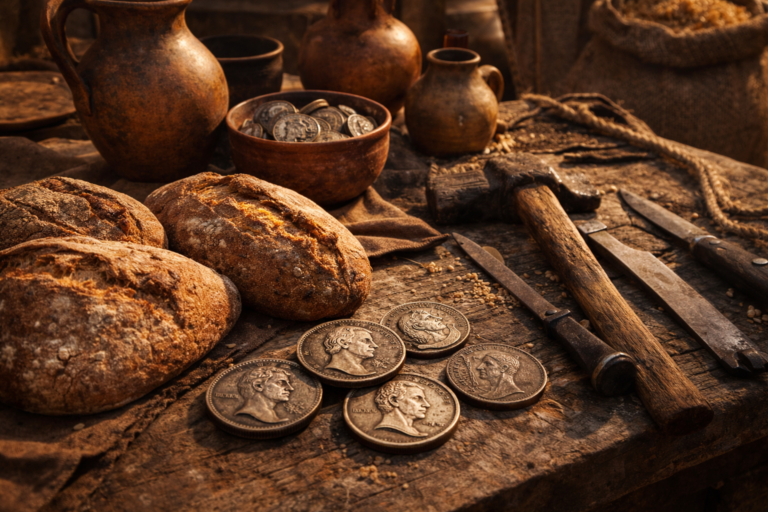
The sestertius belonged to the market world. Food. simple tools. basic household items. quick services. a small fee at the right moment.
It was the kind of coin that made everyday exchange feel smooth. People did not need to pause and translate its value every time they saw it. They already knew.
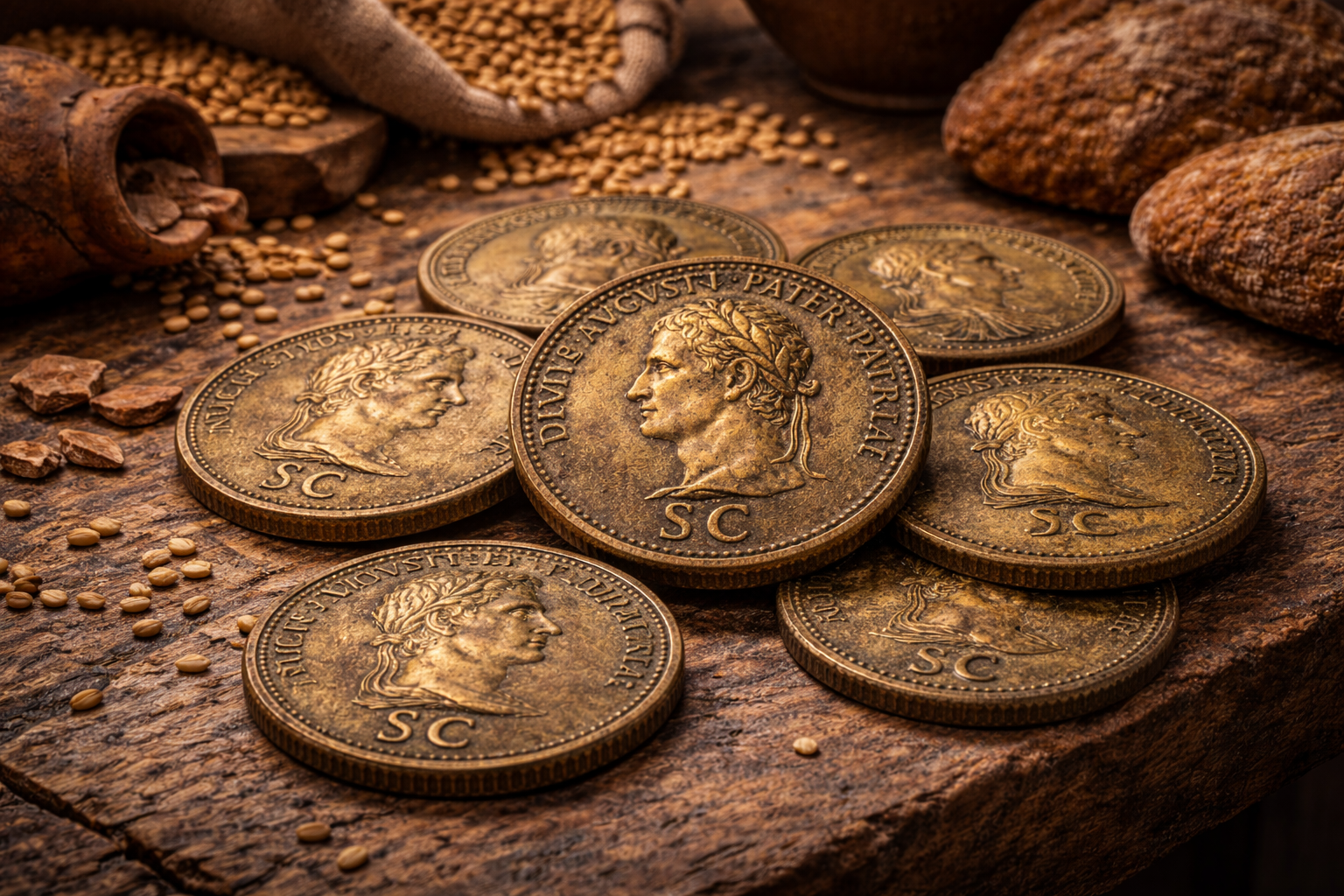
Reality Check
A coin dominates daily life when it removes hesitation. The sestertius did that by being familiar, visible, and practical in routine payments.
Wages and structured exchange
Daily life is not only shopping. It is also earning. Payment needs structure. It needs a unit that feels stable enough for planning.
The sestertius often filled that role in the ordinary economy. It worked as a simple measuring stick for everyday exchange. Even when other coins were involved, the sestertius remained a familiar reference point in how people talked about value.
Visibility, size, and recognition
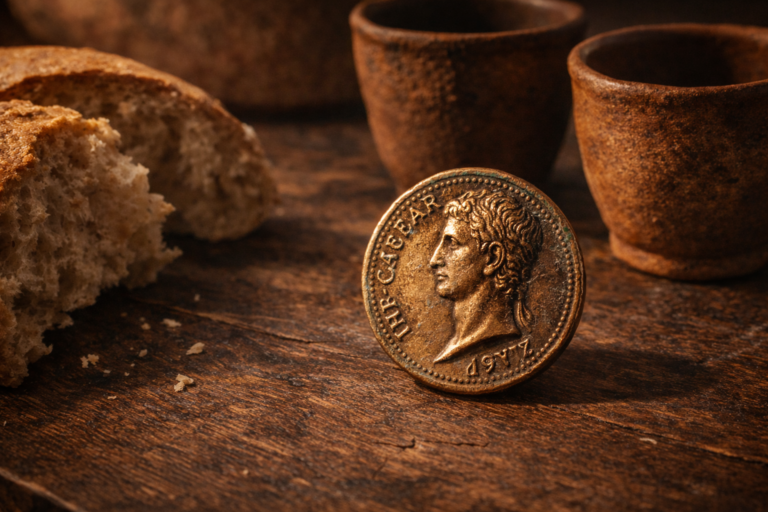
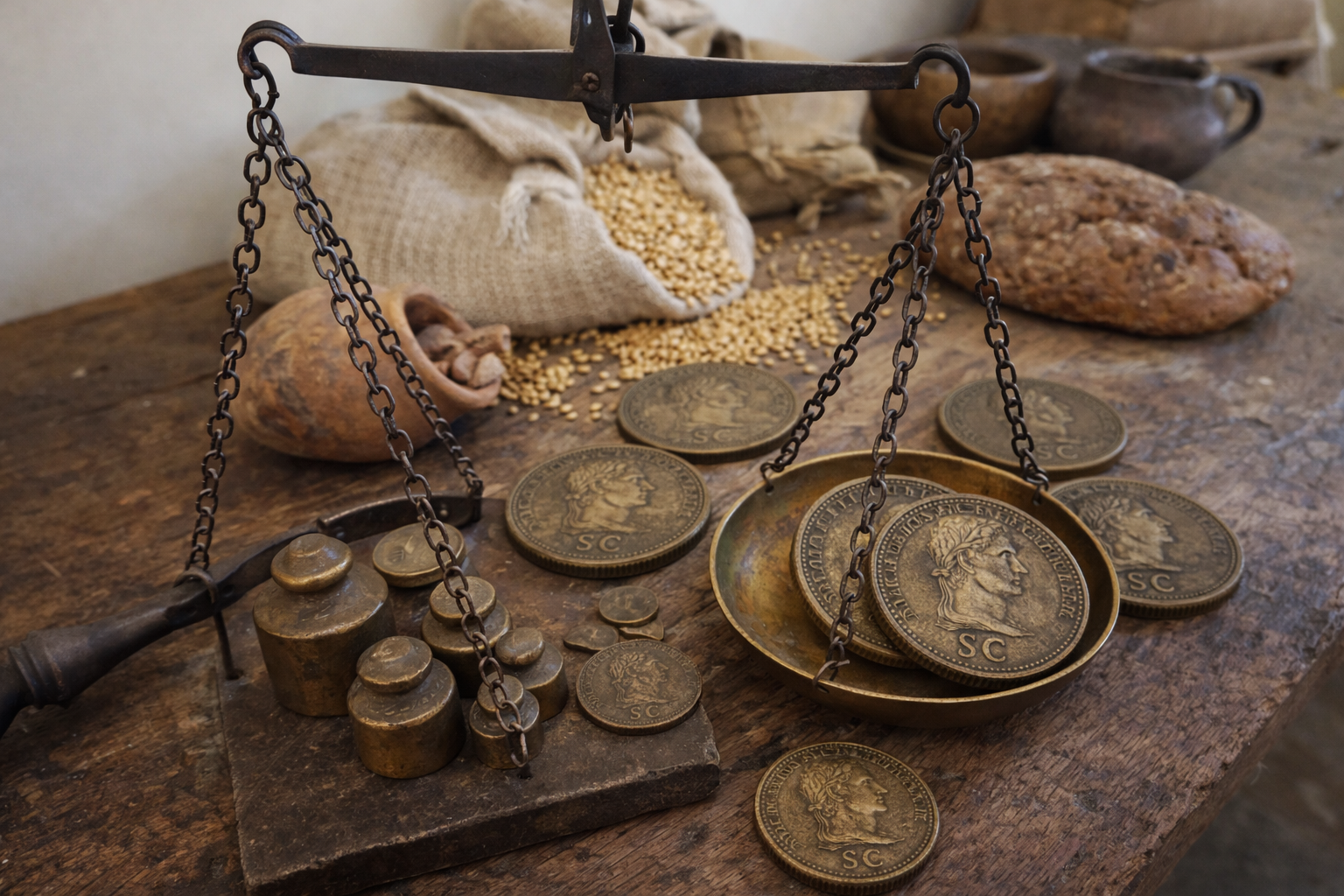
The sestertius was not only useful, it was easy to recognize. Size matters in a crowded market. A large coin is harder to miss. easier to verify quickly. and more likely to be accepted without delay.
Recognition creates speed. Speed creates habit. And habit creates dominance. That is the quiet story of the sestertius.
Where it sat inside Roman coinage
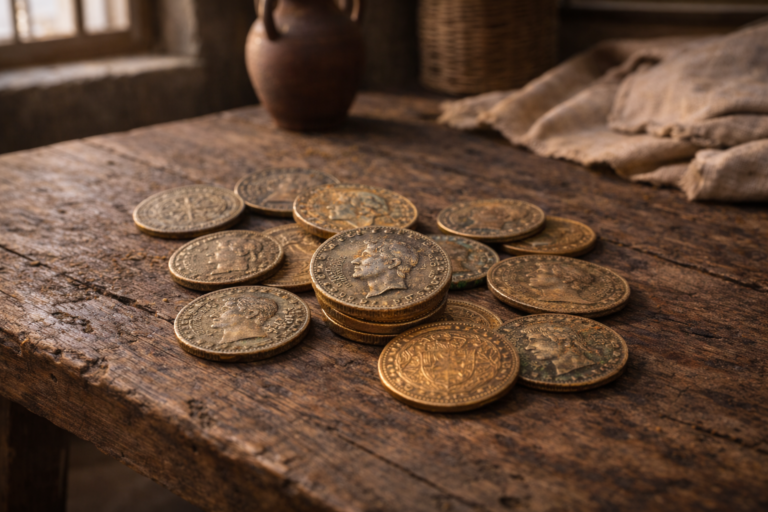
Roman money worked as a layered system. Different coins served different worlds. Gold spoke to authority and big payments. Silver handled broader trust and larger daily exchange. Bronze handled daily life and routine movement.
The sestertius sat right where daily life needed it most. It helped bridge tiny change and larger trusted payments.
Sestertius Daily Life Table
This table summarizes the practical reasons the sestertius became the everyday coin and what that meant on the street level.
Sestertius Daily Life Table
| Daily advantage | What it looked like | What it reduced | Result in real life |
|---|---|---|---|
| Visibility | Large, recognizable coin | Slow verification | Faster market exchange |
| Practical unit | Comfortable middle value | Confusing price talk | Smoother daily pricing |
| Routine use | Common in markets and services | Rejection and hesitation | Accepted without argument |
| Reference point | Familiar way to think about value | Uncertainty in payments | More confidence in exchange |
| Social habit | Seen daily across the city | Fear of unfamiliar money | Trust became routine |
Related Roman Coins
Final Verdict
Final Verdict
The sestertius dominated everyday life in ancient Rome because it was built for routine. It was visible, practical, and recognized fast. It made markets smoother, payments simpler, and daily exchange feel normal. In the Roman world, the sestertius was not a symbol of luxury. It was a tool for living.
Frequently Asked Questions
Why did the sestertius matter in daily life
Because it was practical and familiar. It reduced hesitation and helped everyday exchange move quickly in markets and routine payments.
Was the sestertius used by ordinary people
Yes. It was the kind of coin that matched ordinary needs, especially for frequent daily transactions.
How did the sestertius relate to other Roman coins
Roman coinage worked as a layered system. Different coins served different purposes, and the sestertius sat close to the everyday layer where routine exchange happened.