Small Bronze Coins and Daily Life in Roman Markets
Estimated reading time: 14 minutes.
In ancient Roman towns, daily life was built on the rhythm of small coins. Large silver pieces carried trust in trade. But the everyday heartbeat came from bronze. These small coins bought bread, wine, wool, oil, and basic tools. They moved quietly from hand to hand, stall to stall, hour after hour. Without them, ordinary life would feel slow and heavy, because even simple trade would require awkward bargaining or risky overpayment.
Bronze coins did not shine like silver. But they worked without pause. They connected people in markets and streets. They turned barter into payment. They made everyday exchange feel simple and fair. In a practical sense, bronze was the language of routine.
What this article explains
How small Roman bronze coins powered daily markets, supported ordinary payments, and shaped the economic pulse of Roman urban life, from street stalls to workshops and taverns.
- The as and everyday exchange
- Why Rome needed small change
- Both rhythm and pattern
- Bronze coins and daily wages
- Bronze coins and pricing balance
- Trust, habit, and the psychology of small coins
- Where bronze fitted in the wider system
- Daily Bronze Coins Table
- Related Roman Coins
- Sources and historical references
- Final Verdict
- Frequently Asked Questions
The as and everyday exchange
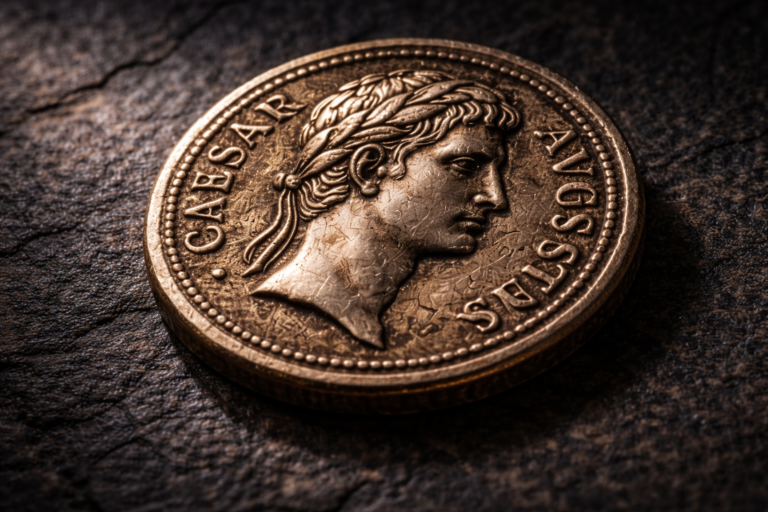
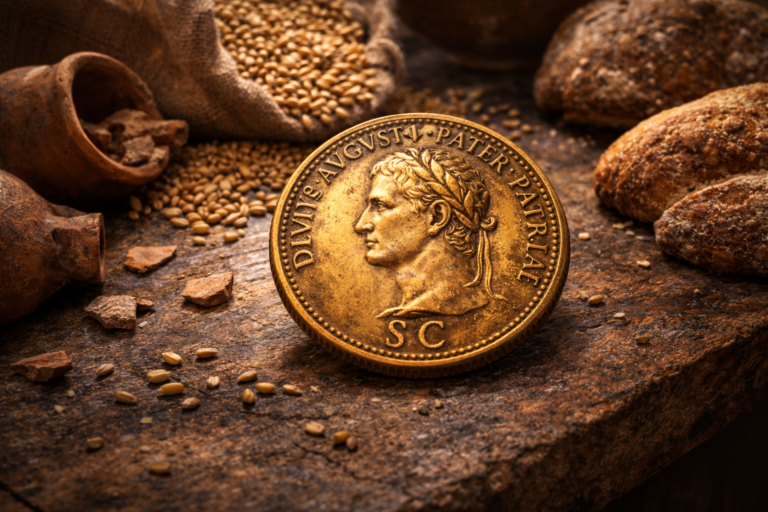
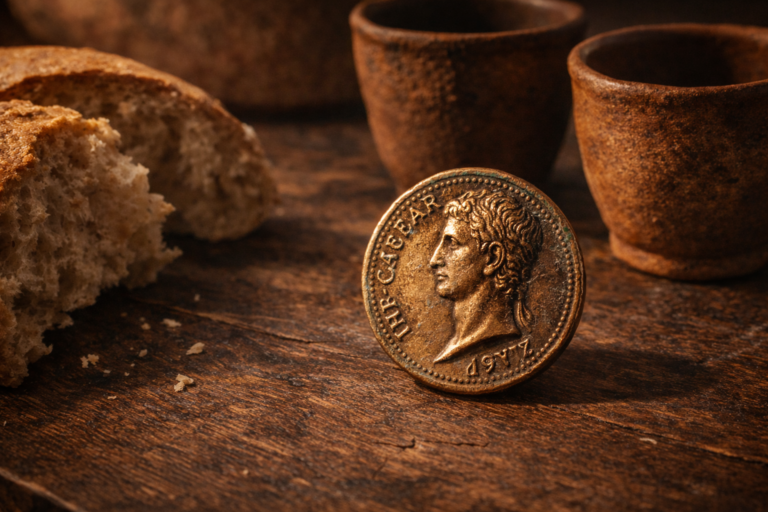
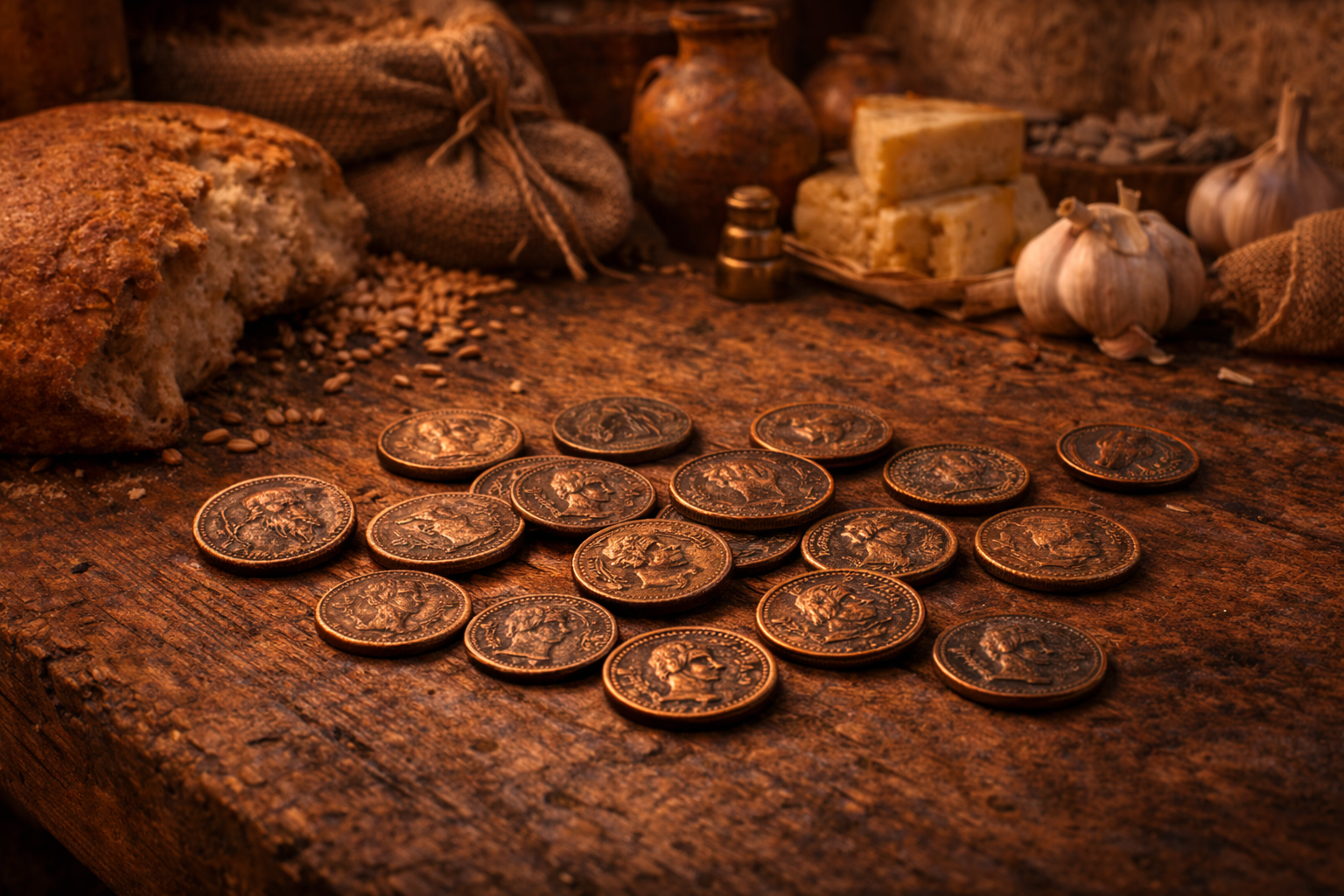
The as was one of the simplest bronze coins in Rome. It handled purchases that happened every day. Food at the stall. A jug of wine. A piece of cloth. A handful of vegetables. A small service.
Small in value, but large in presence. When a coin works every day, it becomes familiar. Not by force. But by routine. That routine matters because it creates a shared sense of what “a fair payment” looks like.
Imagine a crowded market where dozens of people are buying at the same time. If every purchase requires negotiation, trade slows down. But if there is a common coin for small payments, exchange becomes quick. The as helped create that speed. It made “small buying” normal.
Reality Check
Large silver coins may build kingdoms. But bronze coins kept streets alive. Without small change, daily life slows down. Bronze coins were the steady engine of Roman routine.
Why Rome needed small change
Rome was not one market. It was thousands of markets spread across towns, ports, and rural communities. Even when imperial policy mattered, everyday life still depended on local exchange. That is where small change becomes essential.
In a world without modern banking for ordinary people, most families lived close to their daily needs. They bought food regularly. They paid for small repairs. They purchased supplies for home and work. Bronze coinage made these repeated transactions possible without constant bargaining.
Small coins also supported specialization. If a potter can sell one small pot for a reliable amount, the potter can plan work. If a baker can price bread in small units, the baker can operate at scale. Bronze coins turned skill into routine income. They did not create wealth on their own, but they created the conditions for stable urban life.
Both rhythm and pattern
Markets run on predictability. Buyers knew what they could pay. Sellers knew what they could accept. Bronze coins reduced hesitation. They turned confusion into routine.
In busy marketplaces, the same coins bounced between hands. Seasoned merchants counted them without worry. Apprentices learned their value early. And ordinary people relied on them more than once a day.
That circulation created a rhythm. Coins returned to the market again and again. The more often a coin moves, the more it becomes part of social memory. This matters because pricing is not only math. Pricing is also habit. Bronze coins trained habit.
There is also a quiet economic lesson here. A market is not only about goods. It is also about trust. When people trust that a bronze coin will be accepted by the next seller, they are more willing to trade. That willingness increases volume. And higher volume is one of the reasons cities grow.
Bronze coins and daily wages
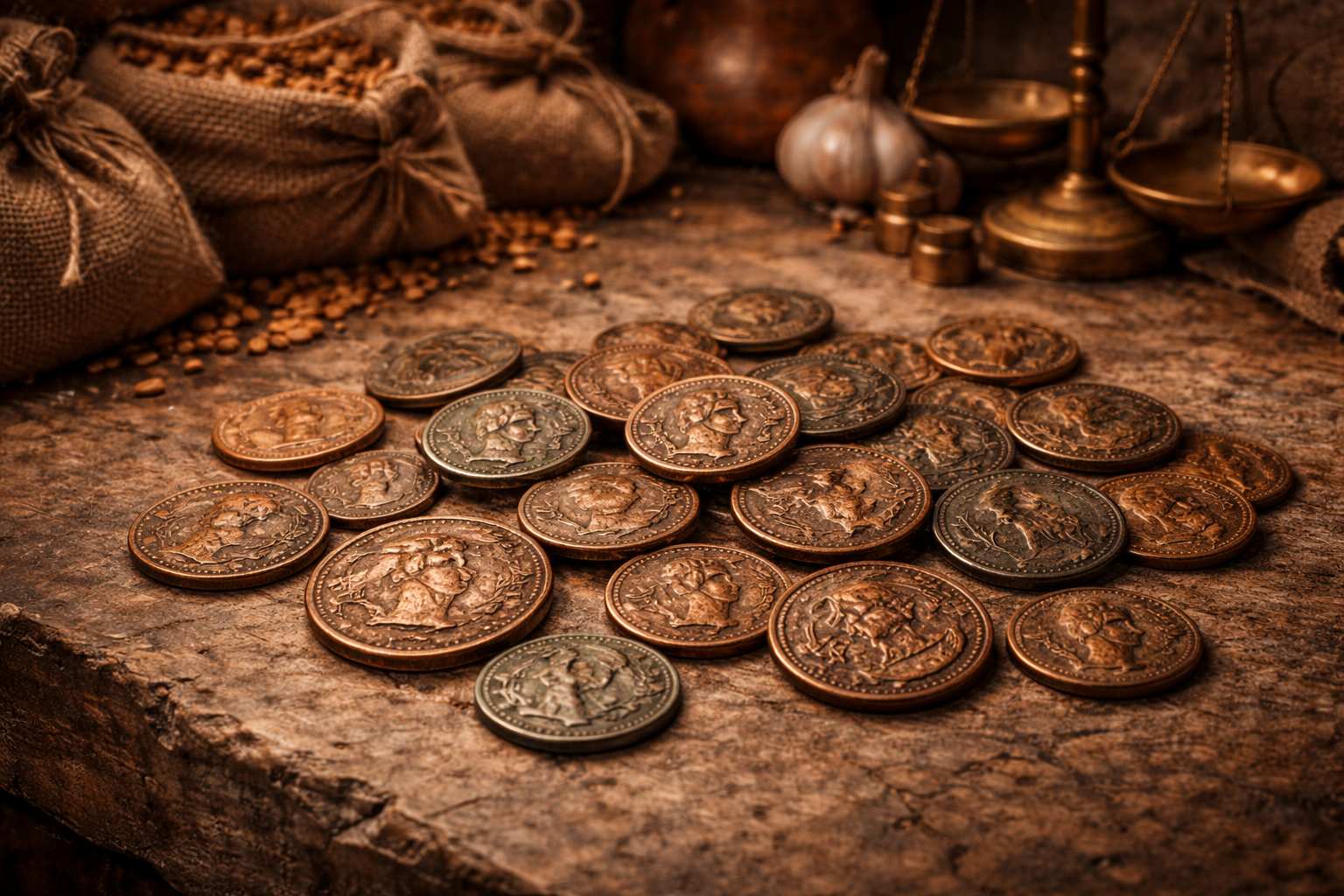
Not everyone in the Roman world was paid in silver every day. Many wages and casual payments could appear in mixed coin. Even when silver was the larger unit of account, daily life often returned to bronze for spending.
Think of a worker paid for a short job. A porter carrying goods. A helper at a stall. A craftsman paid for a small repair. These payments needed small units. Bronze made that possible.
This created an important pattern. Even if a household obtained silver for certain transactions, bronze still became the spending coin. It was the coin that left the home quickly. It was the coin that returned in change. It was the coin that supported the daily rhythm of consumption.
This is one reason bronze coin finds appear so frequently in archaeological contexts. They were constantly handled and constantly lost. A coin used rarely is less likely to slip away. A coin used every day falls from pockets, rolls under stalls, and disappears into dust.
Bronze coins and pricing balance
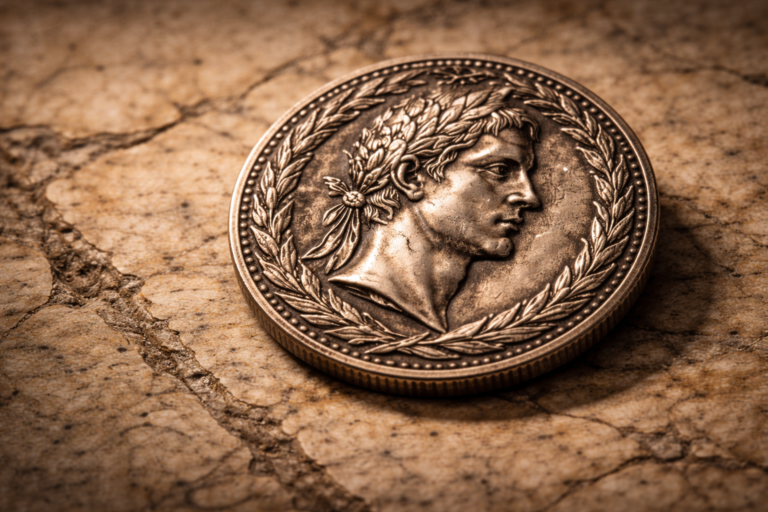
No single coin stood alone. The as, and other bronze denominations like the dupondius, created steps in value. These steps made pricing feel fair. They made payment patterns smooth.
Without value steps, trade becomes awkward. If you only have large coins, you risk paying too much. If you only have tiny pieces, large payments become exhausting. Rome’s monetary ladder solved that problem by using different denominations for different tasks. Bronze handled the ground level. Silver handled distance and trust. Together they formed a practical system that supported both local life and wider exchange.
This connects to the bigger story in the denarius and trust in Roman trade , where silver backed confidence across regions. And to how Roman coins shaped identity in how Roman coins shaped everyday authority .
Trust, habit, and the psychology of small coins
A small coin is not impressive. That is exactly why it matters. When people stop thinking about money, trade becomes easier. Bronze coins became “invisible tools” because they were normal. They were accepted without discussion.
This is the psychology of routine. A coin that everyone recognizes becomes a shared language. People do not need to ask what it is. They do not need to prove its worth. They simply use it. That simplicity reduces social friction.
In a diverse empire, people spoke many languages. But small coinage could still be understood at a glance. Even when designs changed, the practice of using bronze for daily exchange remained familiar. That continuity helped ordinary life feel stable, even when politics were not.
Where bronze fitted in the wider system
Bronze took care of the ground level. Silver took care of distance and trust. Together they made the Roman monetary ladder feel solid. Bronze coins supported street corners. Silver coins supported trade routes.
Each coin had its place. Each coin had its job. And ordinary life thrived because those jobs were clear. When money has clear roles, people plan better. When people plan better, markets feel calmer. Bronze helped create that calm.
Daily Bronze Coins Table
Daily Bronze Coins Table
| Role in daily life | Handled | Reduced | Result |
|---|---|---|---|
| Small everyday purchases | Bread wine cloth | Overpayment | Fair exchange |
| Predictable coins | Simple payments | Delay | Smoother markets |
| Value steps | Bronze denominations | Confusion | Clear pricing |
Related Roman Coins
Sources and historical references
Sources and historical references
- British Museum, Roman Coins collection
- Roman Imperial Coinage (RIC) reference volumes
- Cambridge Ancient History, Roman economy and daily life sections
- Archaeological reports from Pompeii and Ostia market areas
Final Verdict
Final Verdict
Small bronze coins were the quiet heartbeat of Roman daily life. They made payments feel natural. They gave routine its rhythm. They supported predictable pricing and faster exchange. Without them, everyday markets would become slow and uncertain. With them, ordinary life moved with calm confidence across towns and cities of the empire.
Frequently Asked Questions
Why were bronze coins important in Rome
They powered frequent low value purchases that kept markets moving and made daily exchange predictable. They also reduced bargaining friction by providing common units accepted by most sellers.
Did bronze coins help trade
Yes. Bronze supported local exchange, which kept people supplied, workshops operating, and markets active. That local stability supported the wider trade system that relied on silver for distance and trust.
How did bronze coins connect to other coins
Bronze handled the ground level of daily life. Silver carried trust and larger payments across regions. Together they formed a monetary ladder that made both local routine and wider trade function smoothly.