Why Electrum Was Used in the First Coins of Ancient Lydia
Estimated reading time: 11 minutes.
When historians talk about the birth of money, they almost always begin with one place and one unusual metal. In the ancient kingdom of Lydia, located in western Anatolia, a natural alloy called electrum became the foundation for the first coins ever produced.
These early coins were not made from pure gold or pure silver. Instead, they were struck from electrum, a naturally occurring mixture of the two metals. At first this choice may seem strange. Why would the earliest coin makers choose a mixed metal rather than a pure one? The answer reveals much about ancient trade, technology, and the economic challenges of the ancient world.
What this article explains
This article explores why electrum was chosen for the first coins in ancient Lydia. It explains how this natural alloy influenced early monetary systems and why later rulers eventually replaced electrum with separate gold and silver coins.
- What electrum actually is
- Why electrum existed naturally in Lydia
- Why early coin makers used electrum
- The advantages of electrum coins
- The problems with electrum currency
- How merchants valued electrum coins
- Why Croesus later replaced electrum coins
- Electrum coins and early trade networks
- Table | Electrum vs Gold vs Silver coins
- Reality Check
- Final Verdict
- FAQ
What electrum actually is
Electrum is a natural alloy composed mainly of gold and silver. In some cases it also contains small amounts of copper and other metals. Because it forms naturally in river deposits, ancient people could collect electrum without needing advanced metallurgical techniques.
The color of electrum often appears pale yellow, somewhere between gold and silver. Its appearance can vary depending on the exact ratio of the metals within the alloy.
This variability later became one of the major challenges of using electrum as currency. But during the earliest stages of coinage, it was actually one of the reasons the metal was chosen.
Why electrum existed naturally in Lydia
The rivers of western Anatolia carried natural deposits of electrum from nearby mountains. These deposits accumulated in riverbeds where they could be collected through simple mining techniques.
Because the region already had access to this material, electrum became an obvious choice for early coin production. It was available locally and did not require complicated refining processes.
Why early coin makers used electrum
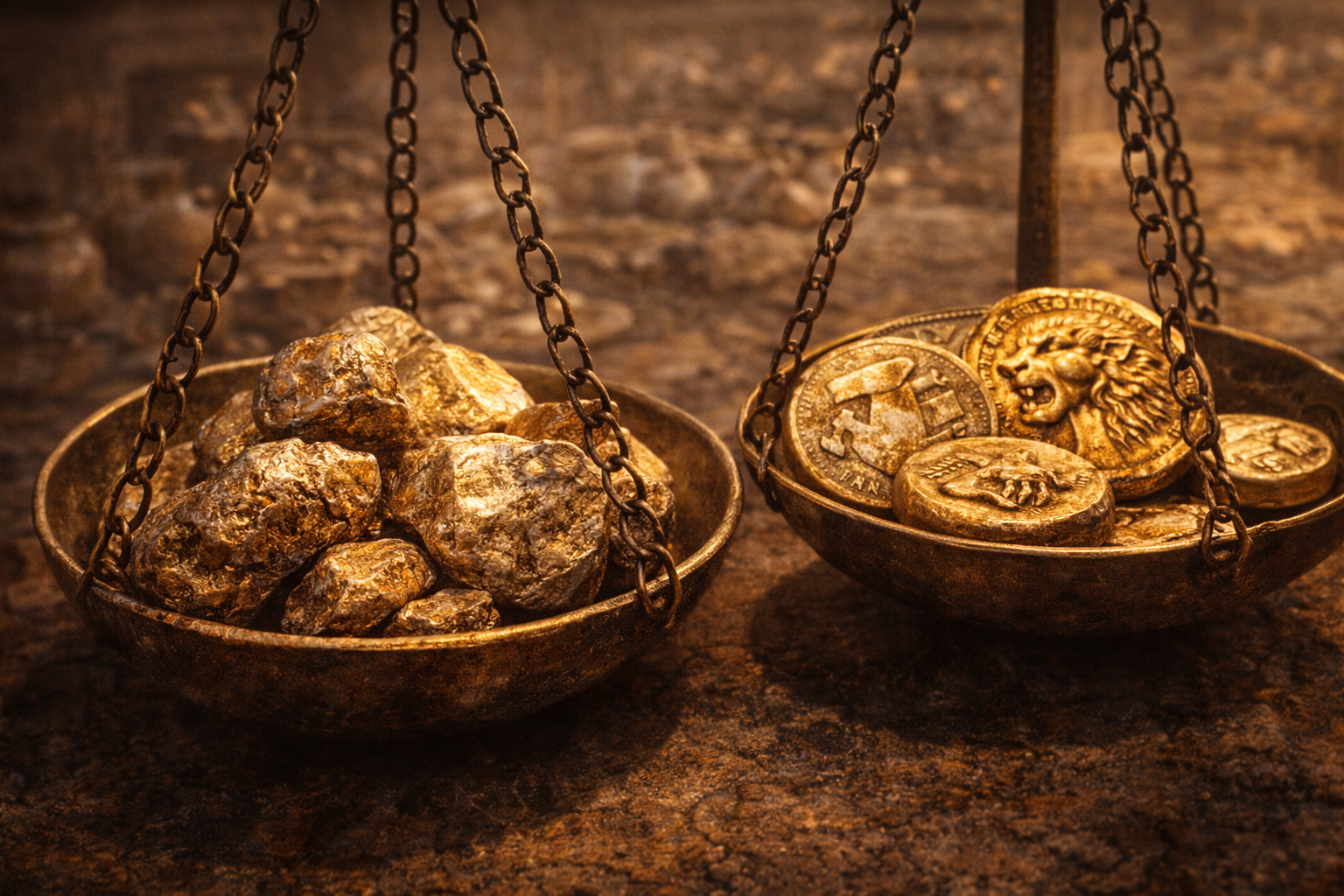
Electrum solved several problems that existed in ancient trade. Before coins existed, merchants had to weigh pieces of metal during every transaction. This process slowed down markets and required scales and careful verification.
By creating standardized pieces of electrum and stamping them with official symbols, rulers could guarantee both weight and authenticity. Traders could trust the mark on the coin instead of weighing the metal every time.
This innovation dramatically increased the speed and efficiency of trade.
The advantages of electrum coins
Electrum had several advantages that made it suitable for early coinage. First, it was durable enough to survive frequent use in trade. Coins passed through many hands in busy marketplaces, and the metal needed to withstand this constant circulation.
Second, electrum was valuable enough to represent significant purchasing power. Small pieces could carry meaningful value, allowing coins to be used for a wide range of transactions.
Third, electrum’s distinctive color made it recognizable. Merchants could easily distinguish these coins from other metals.
The problems with electrum currency
Despite its advantages, electrum also had an important weakness. The ratio of gold to silver in natural electrum varied from one deposit to another. This meant that two coins of identical weight might contain different amounts of gold.
For merchants, this created uncertainty. Without knowing the exact composition of the alloy, it was difficult to determine the precise value of the coin.
Although official stamps guaranteed weight, they did not guarantee the exact metal content.
How merchants valued electrum coins
In practice, merchants accepted electrum coins based largely on trust in the issuing authority. The stamp placed on the coin indicated that it had been produced by the royal mint.
This trust allowed coins to circulate widely despite the variation in metal composition.
Why Croesus later replaced electrum coins
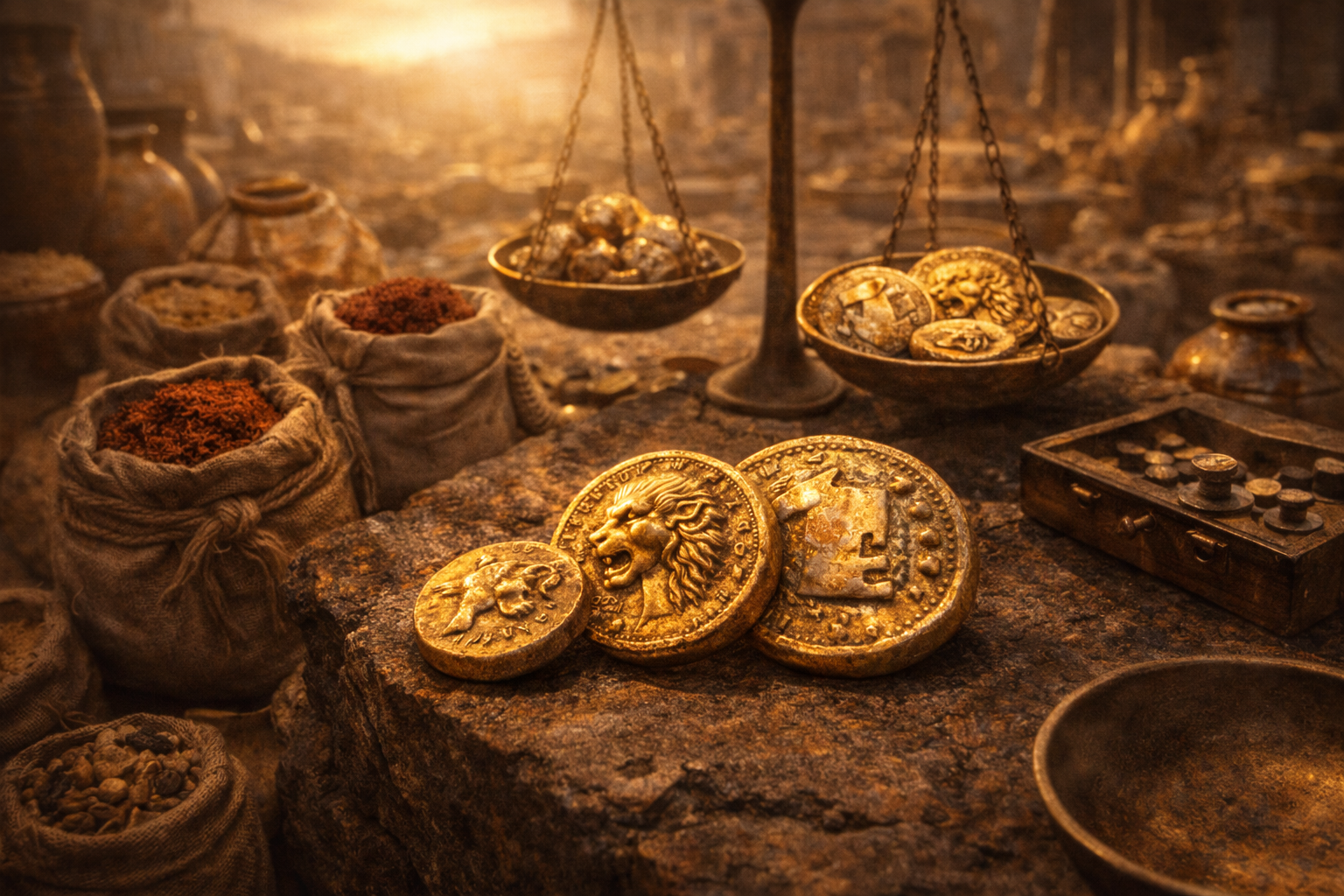
Several generations after the earliest electrum coins appeared, the Lydian king Croesus introduced a major reform. Instead of using mixed metal coins, he created separate gold and silver coins.
This innovation solved the problem of uncertain composition. Pure gold and silver coins could be valued more precisely, making trade even more efficient.
Croesus’ reform became one of the most important developments in the history of money.
Electrum coins and early trade networks
The invention of electrum coinage allowed trade networks to expand more rapidly across the ancient world. Standardized currency simplified transactions between merchants who might not share a common language or culture.
Coins could move easily between markets, carrying value without requiring complicated negotiations.
This transformation helped stimulate economic activity throughout the region.
Table | Electrum vs Gold vs Silver Coins
| Feature | Electrum Coins | Gold Coins | Silver Coins |
|---|---|---|---|
| Metal composition | Gold and silver alloy | Pure gold | Pure silver |
| First appearance | Early Lydian coinage | Croesus reform | Croesus reform |
| Value stability | Variable | High | High |
| Historical role | First coins in history | Improved currency system | Standardized trade currency |
Reality Check
Electrum coins were not a perfect monetary solution. Their variable composition eventually created challenges for merchants. However, their introduction marked a crucial step in the development of standardized currency.
Final Verdict
Electrum was chosen for the first coins of ancient Lydia because it was locally available, valuable, and durable. These characteristics made it an ideal material for the earliest experiments in coinage.
Although electrum coins later revealed weaknesses, their creation changed trade forever. By introducing standardized metal currency, the Lydians laid the foundation for the monetary systems used by later civilizations.
From this small beginning, the concept of coinage spread across the Mediterranean world and eventually became the basis of modern money.
FAQ
What is electrum
Electrum is a natural alloy composed primarily of gold and silver that occurs in river deposits.
Why did Lydia use electrum for coins
Because it was locally available and valuable enough to serve as currency.
Why were electrum coins eventually replaced
Because the ratio of gold and silver varied, making the exact value of coins uncertain.