How Romans Used Coins in Everyday Life
Estimated reading time: 13 minutes.
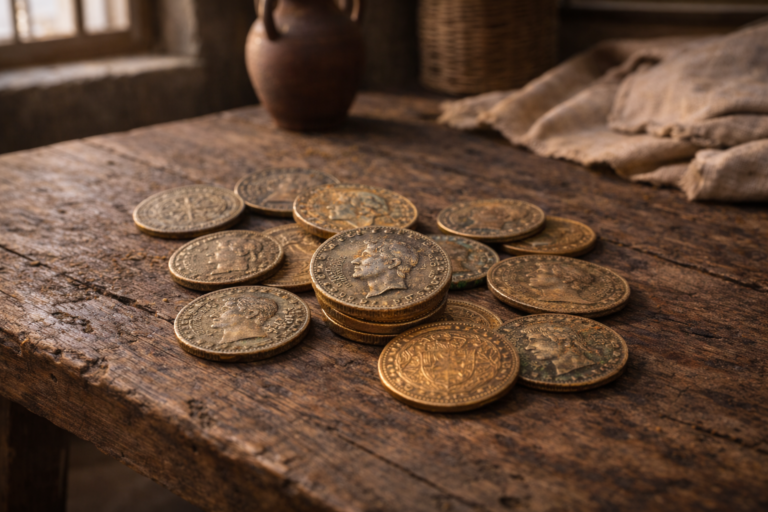
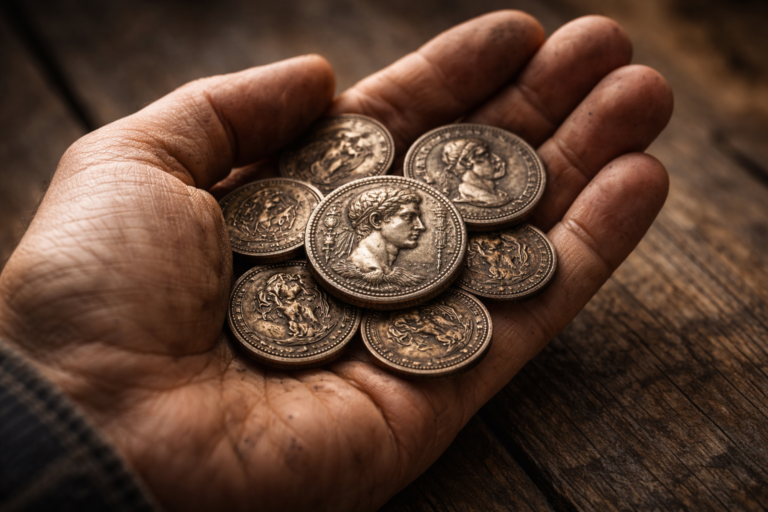
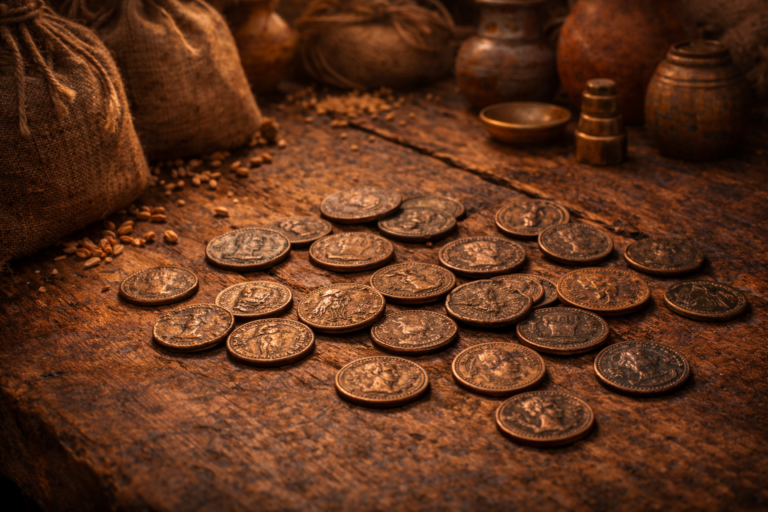
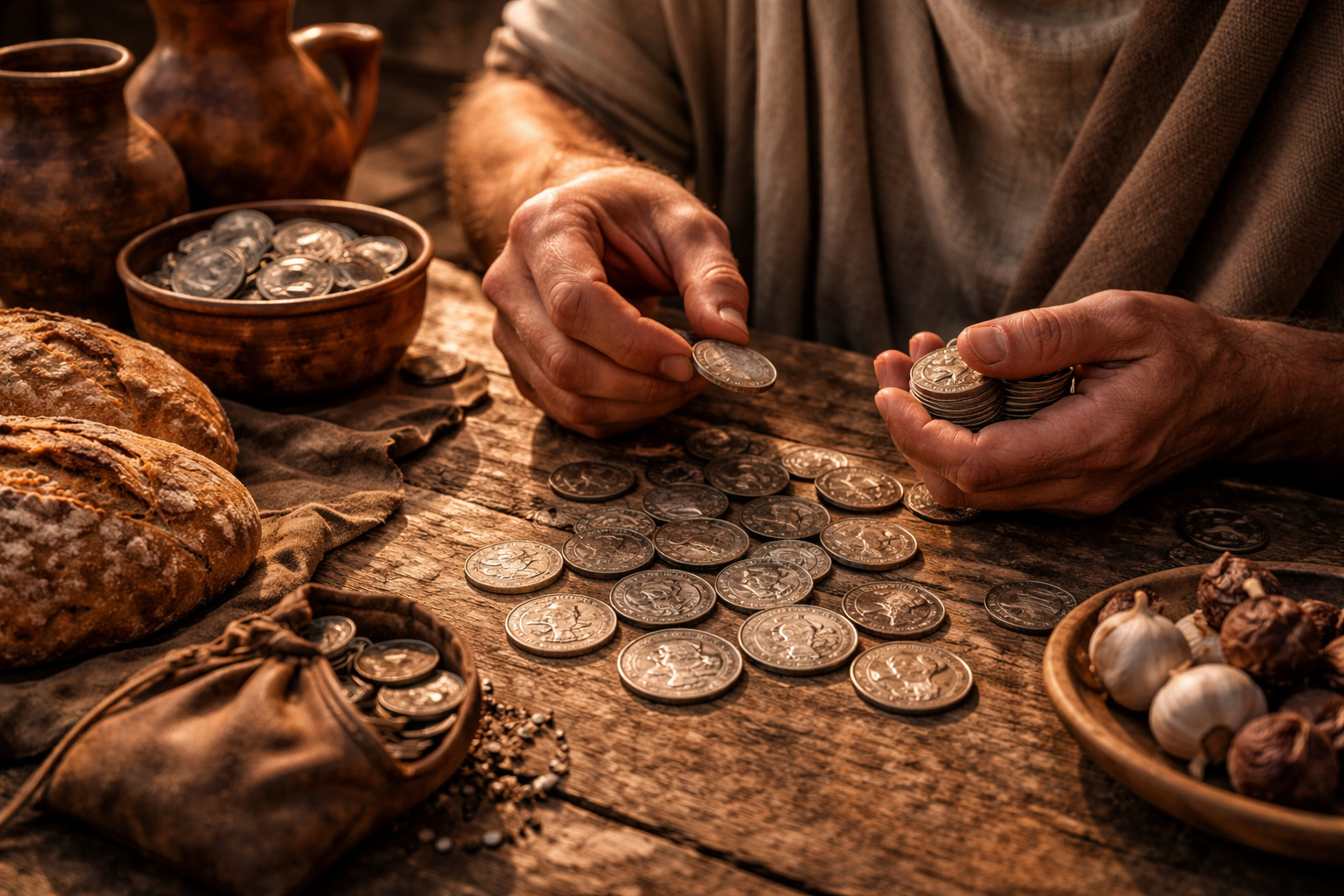
In ancient Rome, coins were not something distant or abstract. They were part of daily rhythm. They moved constantly. From hand to hand. From market to street. From worker to merchant.
If you wanted to understand Roman life, you did not need to visit a palace. You only needed to watch a marketplace. Because that is where coins told the real story.
What this article explains
This article explores how Romans used coins in everyday life, including markets, wages, services, and daily transactions, and how money shaped the rhythm of life across the empire.
- Coins as part of daily routine
- Buying food and basic goods
- Paying workers and wages
- Coins in street services
- Saving and storing coins
- How coins shaped social interaction
- Table of daily usage
- Reality Check
- Final Verdict
- FAQ
Coins as part of daily routine
For most Romans, coins were not special. They were normal.
They were used every day. For small things. For necessary things.
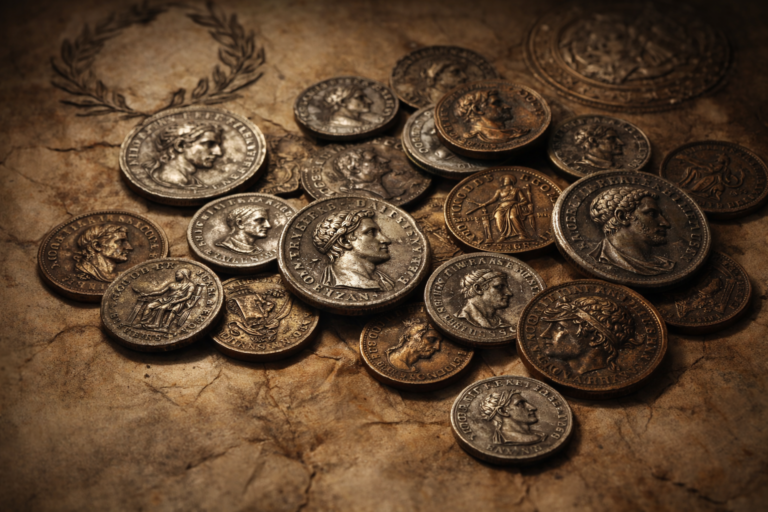
Coins like the denarius became part of this routine.
People woke up, worked, traded, and spent. And coins were always present.
Buying food and basic goods
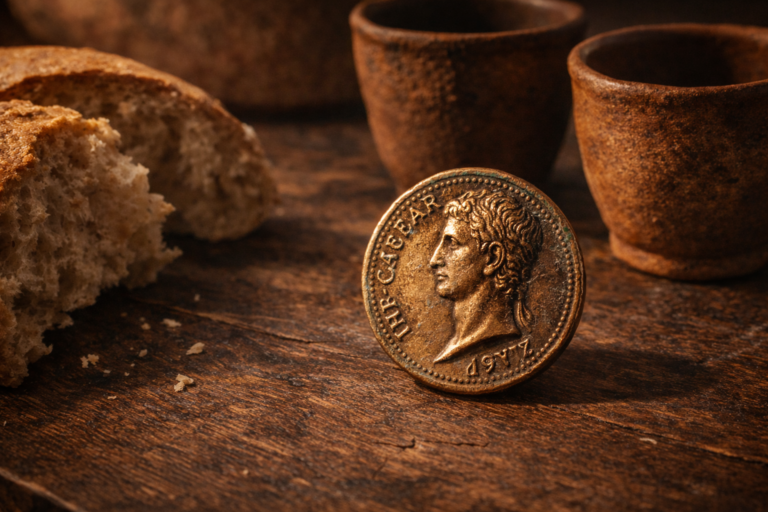
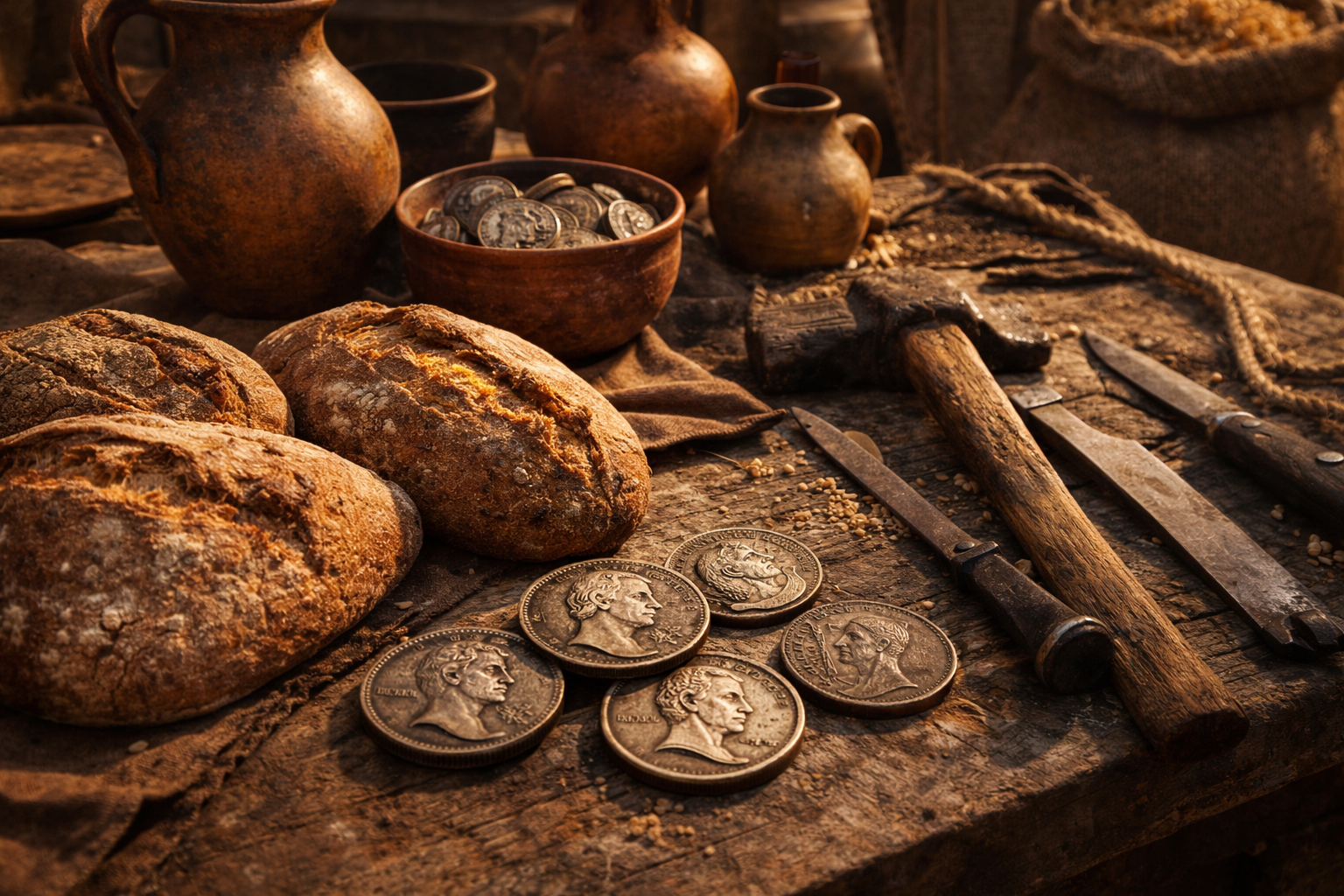
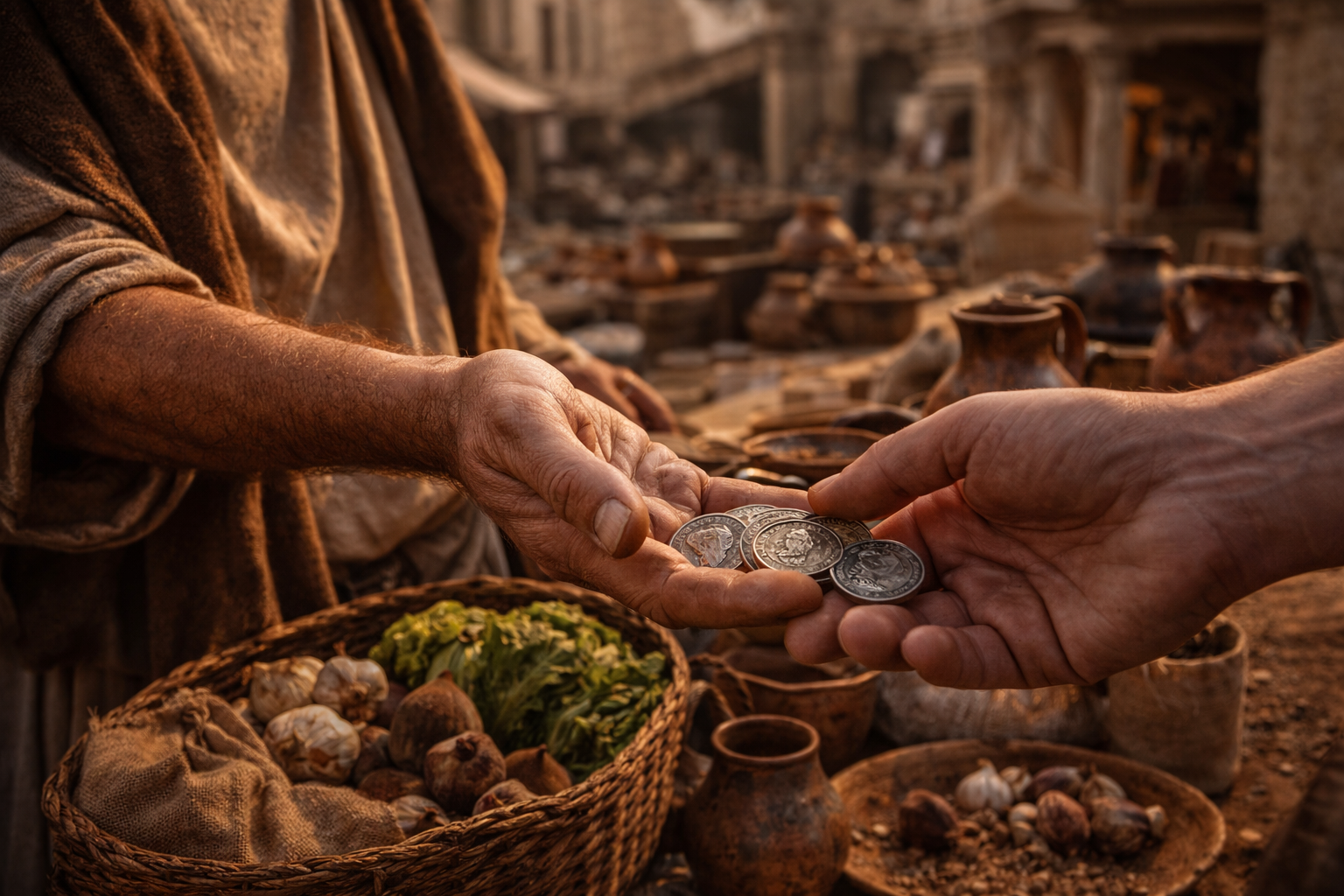
The most common use of coins was buying food. Bread. Vegetables. Oil. Simple things.
Markets were full of small transactions. Quick exchanges. Short conversations.
Coins made this possible. Without them, trade would be slow. Complicated. Uncertain.
With coins, everything became faster. Clearer. More predictable.
Paying workers and wages
Coins were also used to pay workers.
Labor needed compensation. And coins provided a consistent way to do that.
Builders. Craftsmen. Laborers.
They all relied on coins.
Payment created movement. Movement created economy.
Coins in street services
Daily life included services.
Food vendors. Transport. Public baths.
Each interaction required payment.
Coins made these interactions simple. Immediate. Practical.
They reduced the need for negotiation. They created structure.
Saving and storing coins
Not all coins were spent. Some were saved.
People kept coins for future use. For security. For stability.
Coins became a form of personal storage. Portable wealth.
Easy to hide. Easy to carry. Easy to use later.
How coins shaped social interaction
Coins did more than facilitate trade. They shaped behavior.
They created habits. Patterns. Expectations.
People began to think in terms of value. In terms of price.
This changed how society functioned.
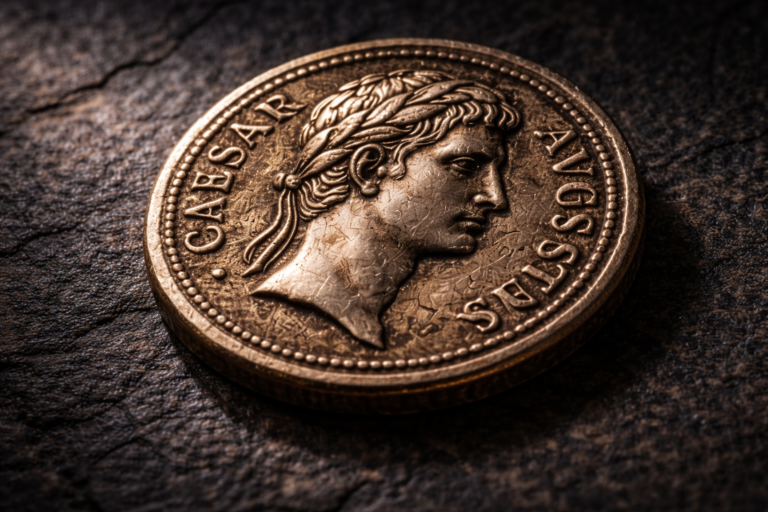
Coins also carried identity. Many of them had the emperor’s face. As explained in Roman coin portraits , money was also a tool of authority.
This meant that even simple transactions had deeper meaning.
Table of daily usage
| Situation | Use | Impact |
|---|---|---|
| Buying food | Small payments | Essential |
| Paying workers | Wages | High |
| Street services | Daily needs | Medium |
| Saving money | Stored wealth | Medium |
Reality Check
Not everyone in Rome used coins equally. Wealth differences existed, and some people relied more heavily on small denominations. Daily coin usage reflected social structure as much as economic activity.
Final Verdict
Roman coins were not just tools of trade. They were part of daily life.
They shaped how people bought, sold, worked, and saved.
They created rhythm. Consistency. Structure.
Through simple exchanges, coins connected millions of people across the empire.
FAQ
How did Romans use coins daily
They used coins for buying food, paying workers, and handling everyday transactions.
Were coins important in Roman life
Yes, they were essential for trade and daily activities across the empire.
Did all Romans use coins
Most people used coins, but usage varied depending on wealth and social status.