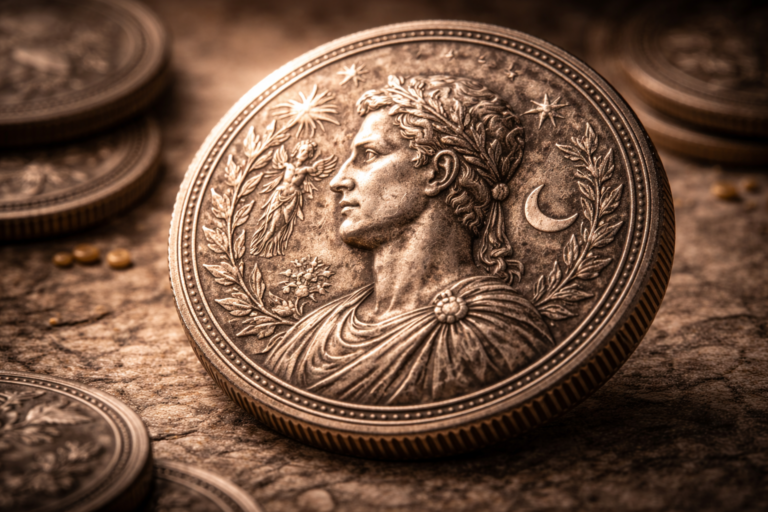
What a Laurel Wreath on Roman Coins Really Meant
Estimated reading time: 12 minutes. Many Roman coins look similar at first glance. A portrait of an emperor. A few…
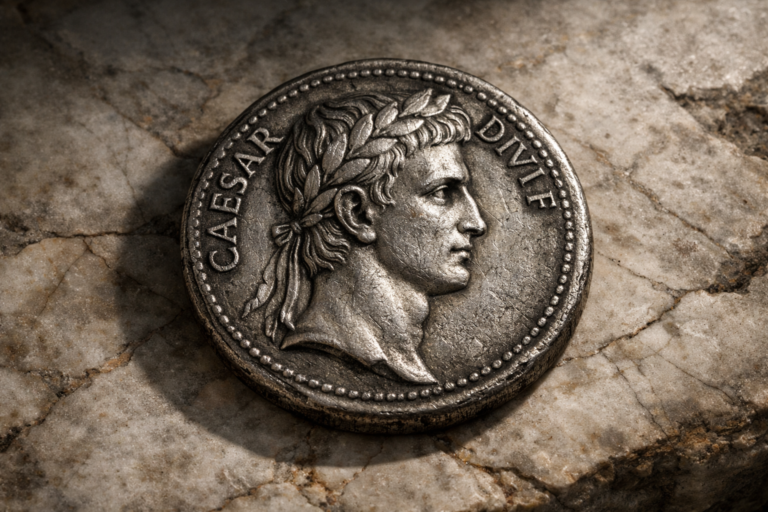
Estimated reading time: 12 minutes. Many Roman coins look similar at first glance. A portrait of an emperor. A few…
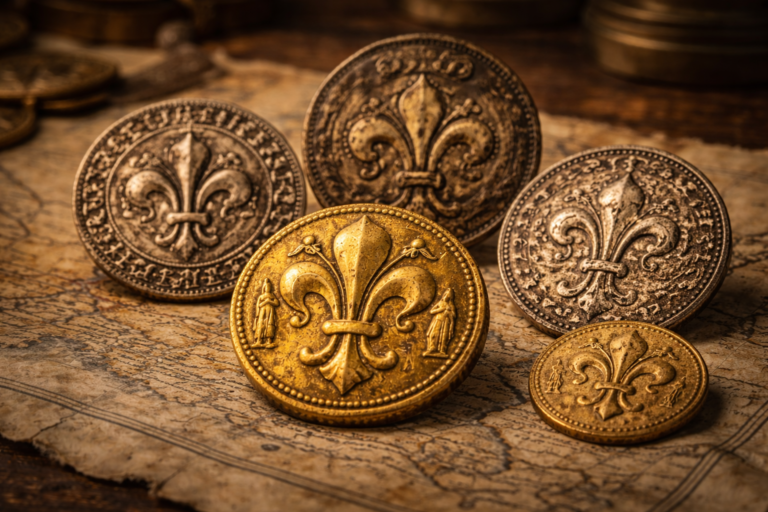
Estimated reading time: 14–16 minutes. Some coin symbols disappear quickly. Others stay for centuries, surviving rulers, reforms, and entire political…
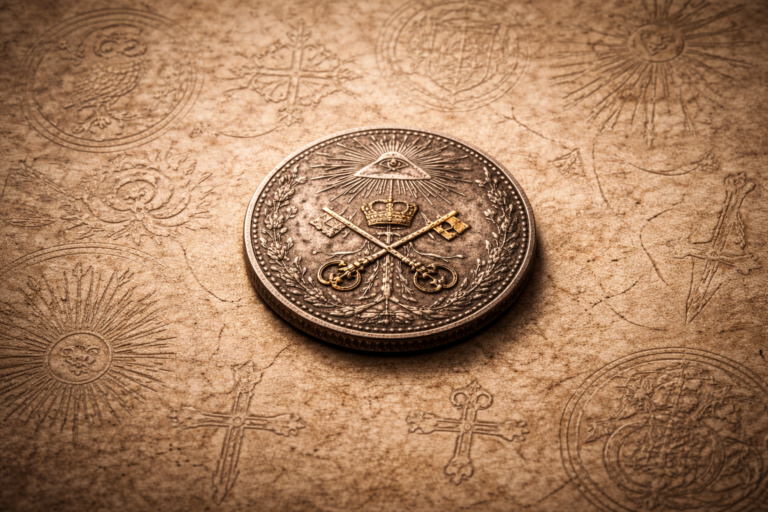
Estimated reading time: 14–16 minutes. Coin designs look permanent, almost inevitable. But every symbol, portrait, and mark on a coin…
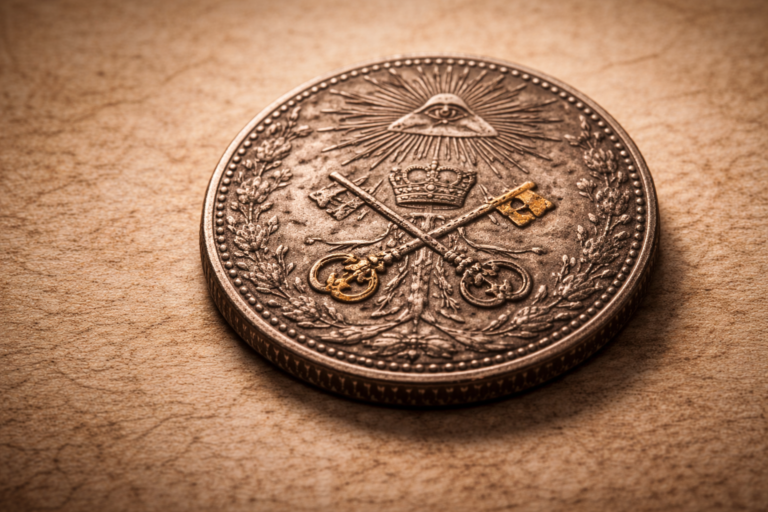
Estimated reading time: 12–14 minutes. Belonging is not only a feeling. It is a pattern people learn to recognize. For…
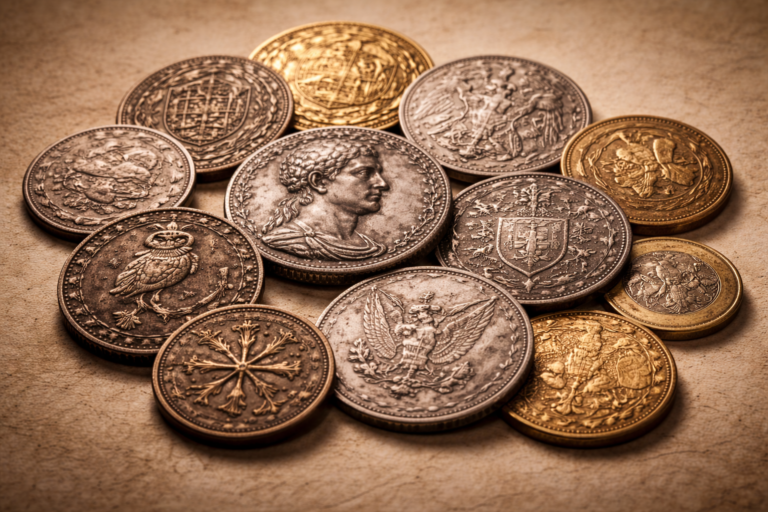
Estimated reading time: 18–20 minutes. Trust is rarely built from logic alone. In everyday life, trust often begins with recognition….
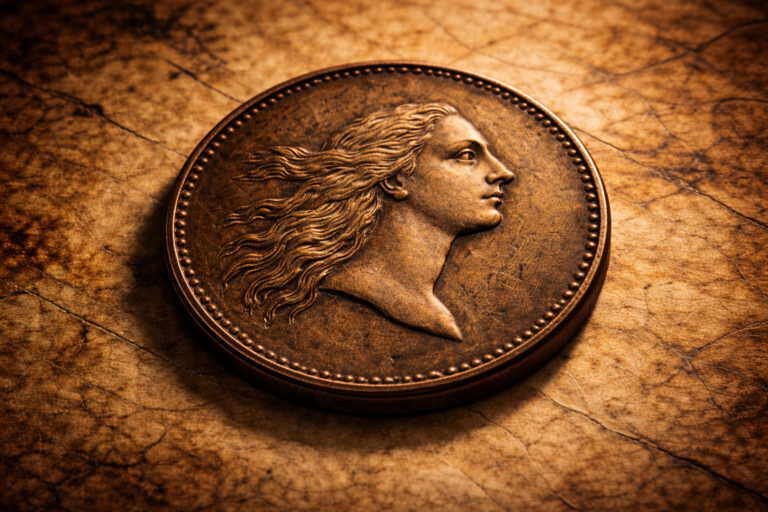
Estimated reading time: 14–16 minutes. When people ask who is on the 1793 penny, they often expect the name of…
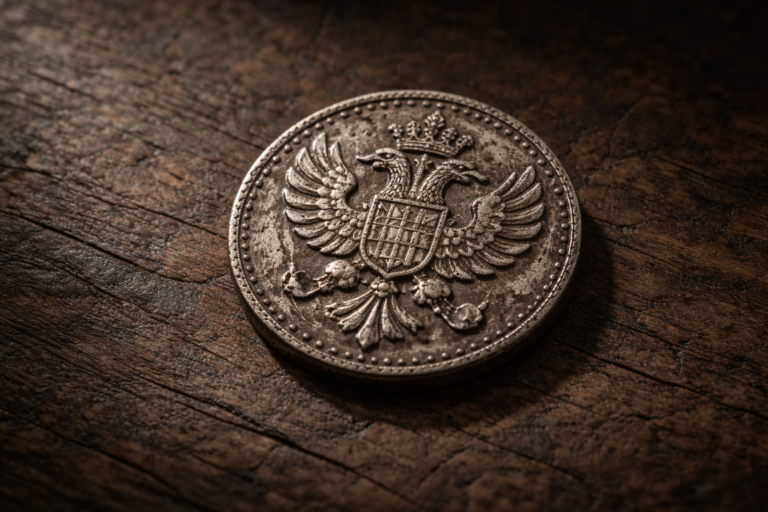
Estimated reading time: 18–20 minutes. Authority does not always need a speech. Sometimes it only needs a symbol that repeats….
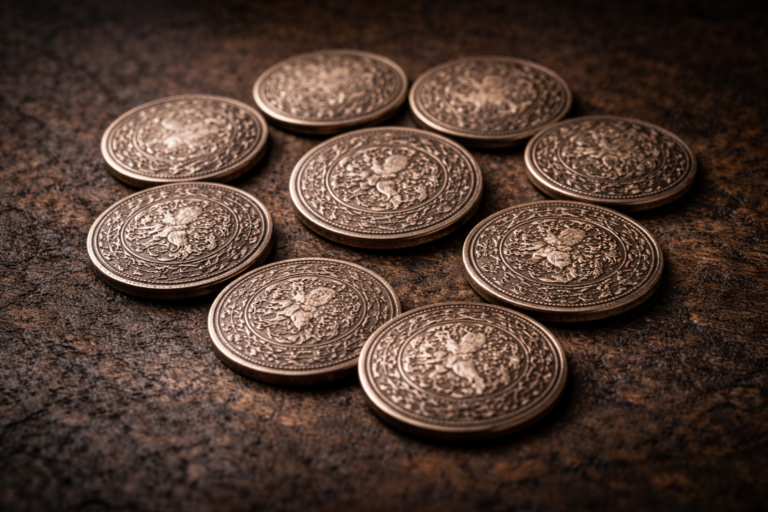
Estimated reading time: 18–20 minutes. Coins never carried meaning only through metal. They carried meaning through recognition. A coin could…
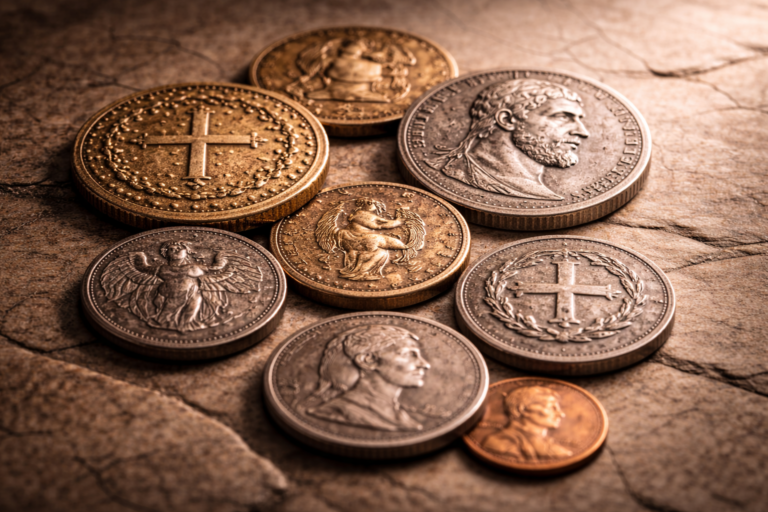
Estimated reading time: 19 minutes A coin is small, but it is never silent. Even before most people could read…
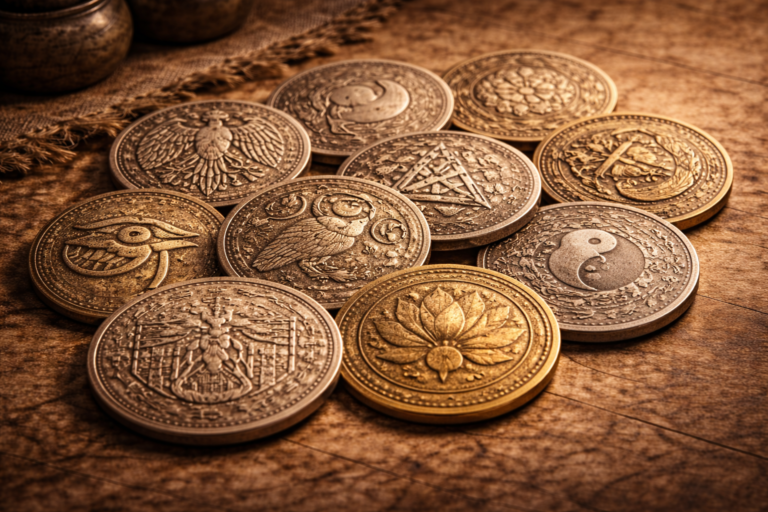
Estimated reading time: 18 minutes Identity is usually explained with words—names, flags, languages, and stories. But for most of history,…
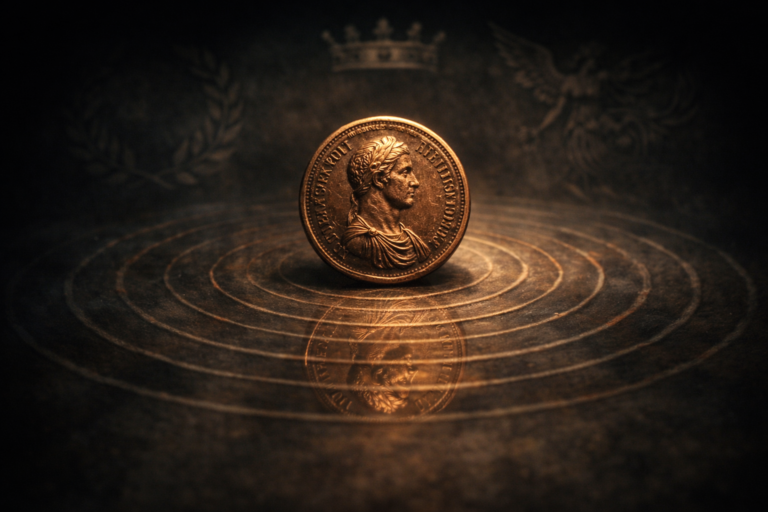
Estimated reading time: 22 minutes When people imagine “media,” they think of paper, screens, broadcasts, and networks. But media is…
Estimated reading time: 20 minutes History is not only written in books. It is pressed into metal, carried in pockets,…