How Ancient Markets Connected Civilizations
Estimated reading time: 10 minutes.
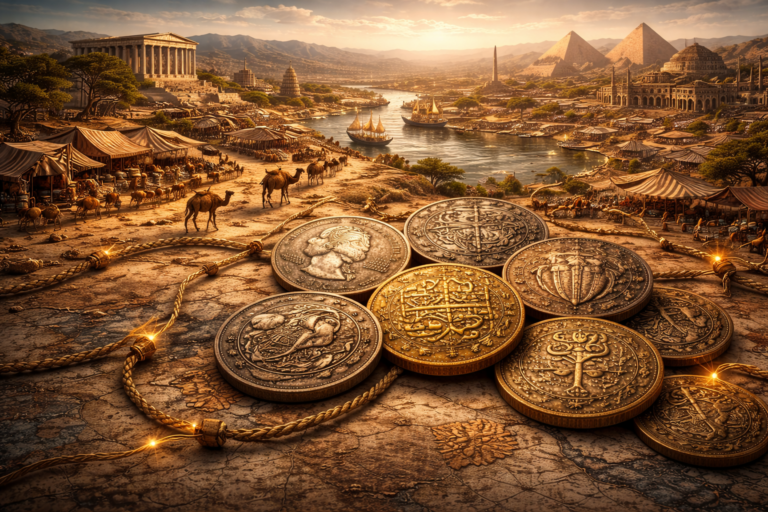
A market is not just a place to buy things. In the ancient world, a market was a bridge. One table could hold objects that had crossed deserts, sailed coastlines, and passed through strangers who spoke different languages. If you listened closely, you could hear civilization connecting itself in small transactions.
This is the part many people miss. Empires did not connect first through armies. They connected through habits. Through trust. Through the daily rhythm of exchange where a merchant learned what a distant city wanted and a traveler carried news faster than any official messenger.
What this article explains
We explain how ancient markets connected civilizations through trade routes, shared standards, repeated exchange, and everyday human contact. This is historical and educational and avoids pricing or modern financial advice.
Markets were meeting points, not only stores
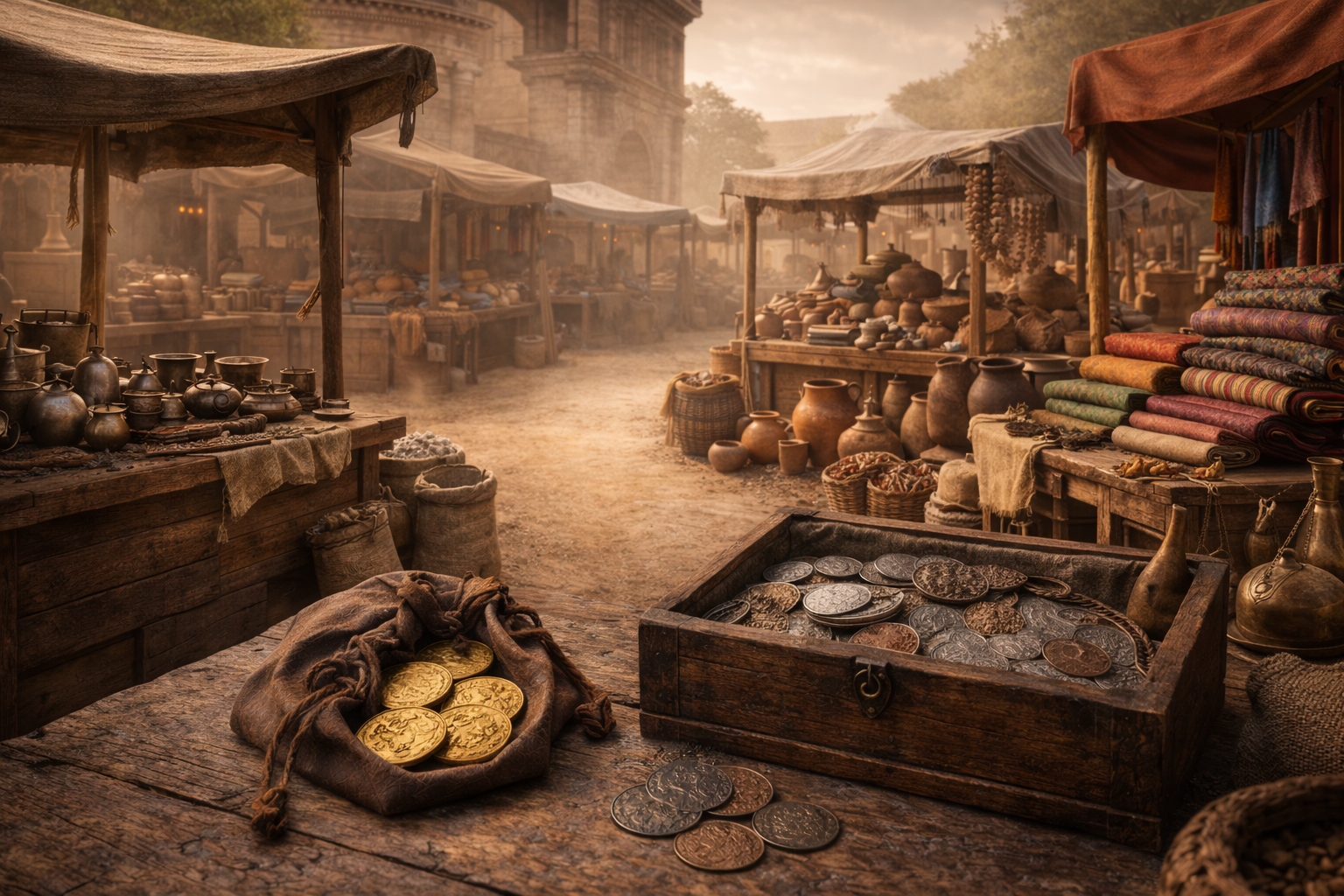
Ancient markets were practical, loud, and sometimes chaotic. But underneath the noise was something powerful. A market was one of the few places where different worlds could meet without permission.
You did not need an invitation to stand near a stall and listen. You could learn what people wanted, what they feared, what they trusted, and what they were willing to pay for. A market was an information engine disguised as shopping.
That is why markets connected civilizations. They created repeat contact. And repeat contact creates familiarity. Familiarity reduces fear. And fear is usually what stops long distance exchange.
Goods that carried distance in their texture
In the ancient world, distance was not a number on a map. Distance was something you could see. A fabric that felt different. A scent that did not belong to local fields. A pottery style that looked foreign even before anyone explained it.
Goods carried identity. Not like a flag. More like a fingerprint. They showed what another place could produce, what another place valued, and how another place lived.
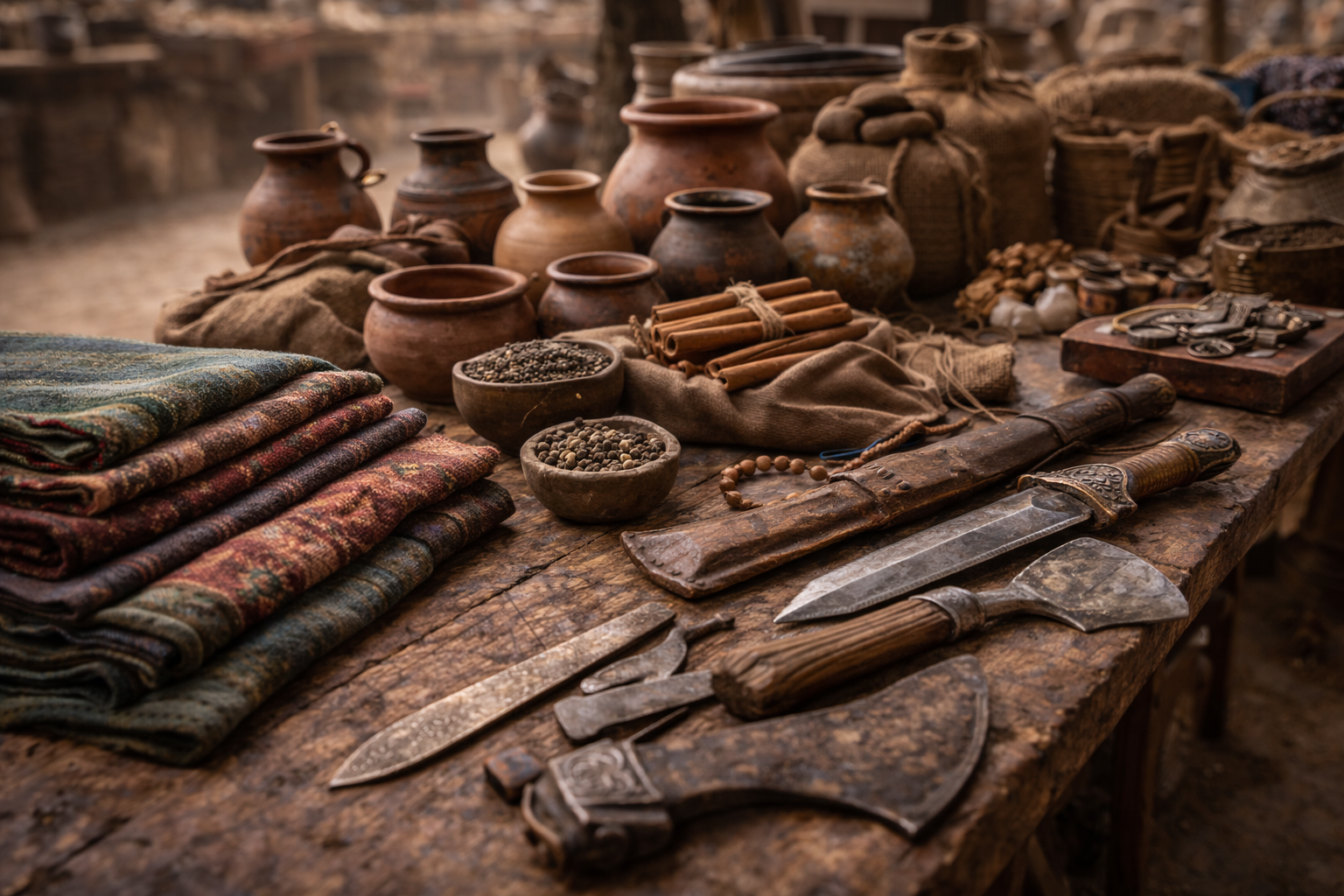
This is how markets quietly educated people. A buyer could hold something made far away and understand one simple truth. The world is bigger than my street.
Trade routes that fed the market
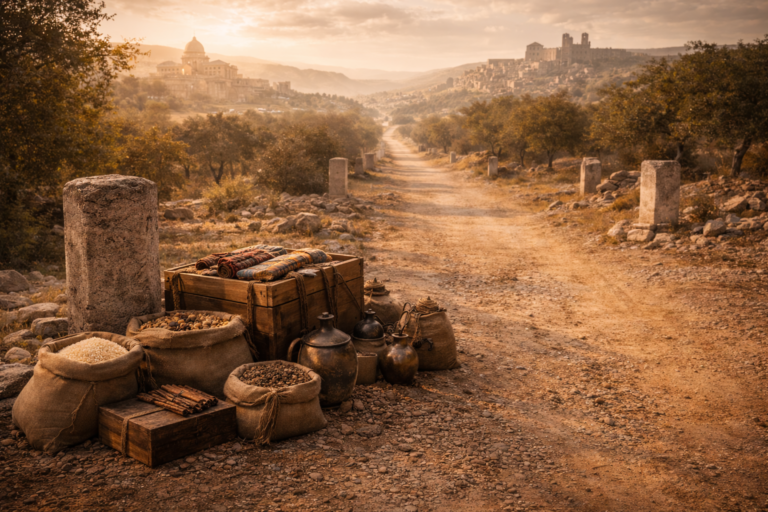
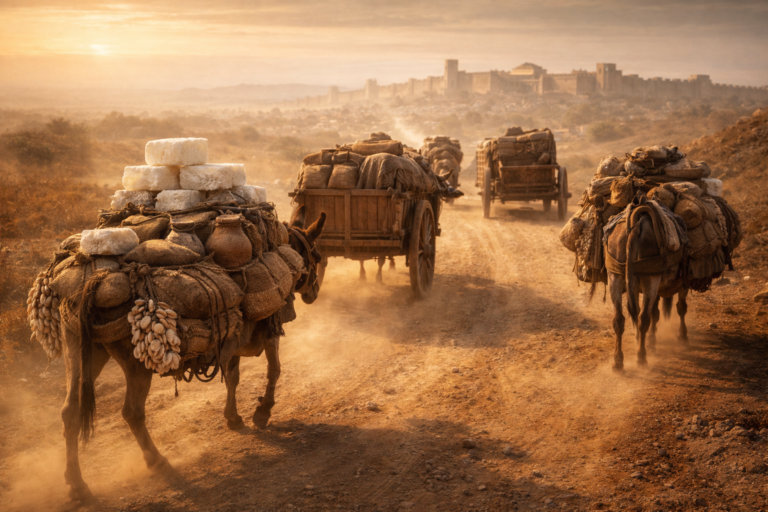
Markets did not create trade routes alone. Routes grew because enough people agreed that movement was worth the risk. When demand stayed strong, roads became patterns. Patterns became routes. Routes became lifelines.
Some routes were seasonal. Some depended on weather. Some depended on political stability. But the logic stayed the same. If the market kept absorbing goods, someone would keep bringing them.
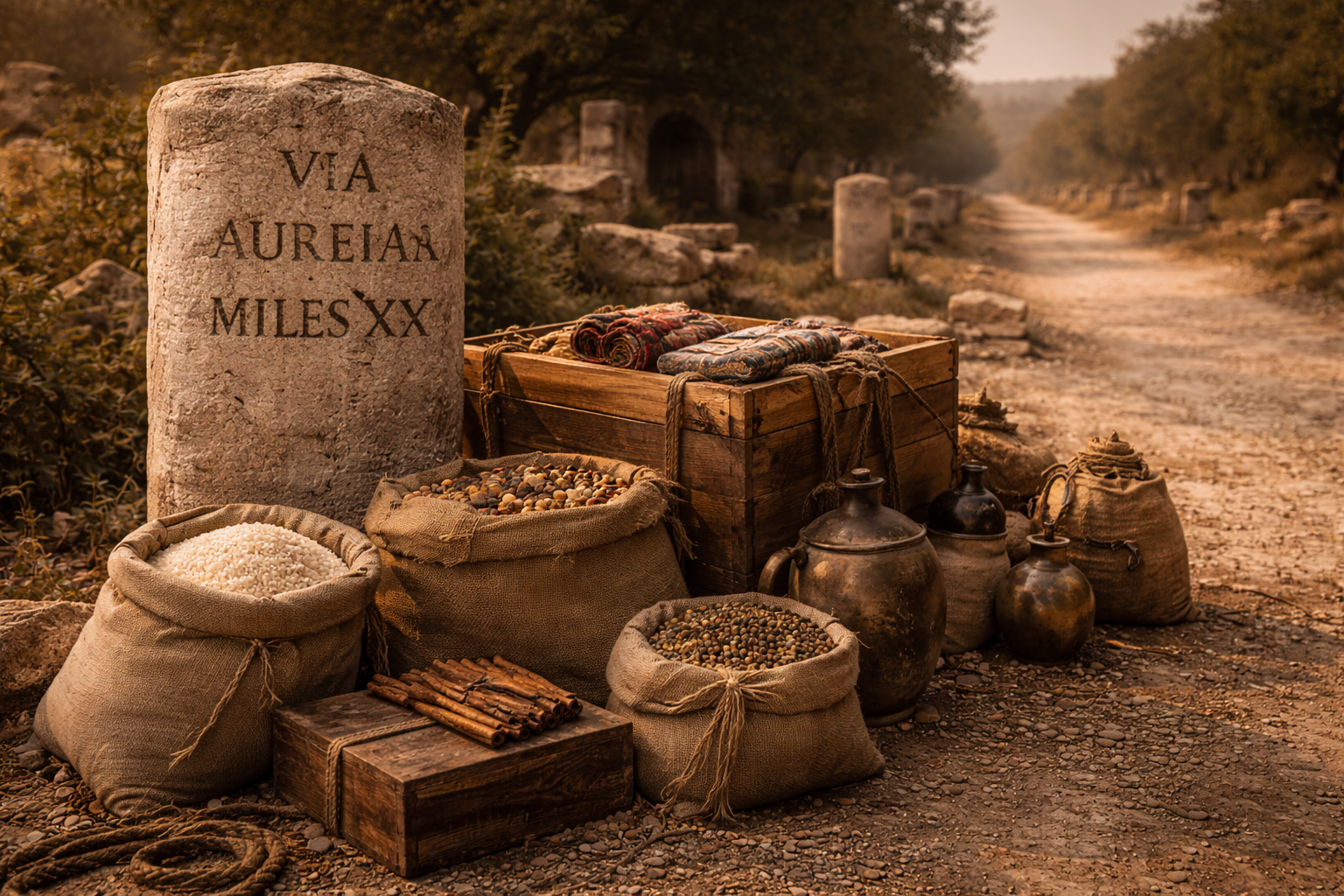
And once routes existed, they carried more than objects. They carried stories. Techniques. Words. Rumors. New ideas about what is normal. That is why a single route could reshape multiple civilizations over time.
Reality Check
Ancient trade was not only about profit. It was about reliability. A market connects civilizations when people can predict that goods and trust will arrive again.
Trust, weight, and shared rules
The biggest problem in ancient trade was not distance. It was uncertainty. Is this weight honest. Is this material real. Will this seller be here tomorrow.
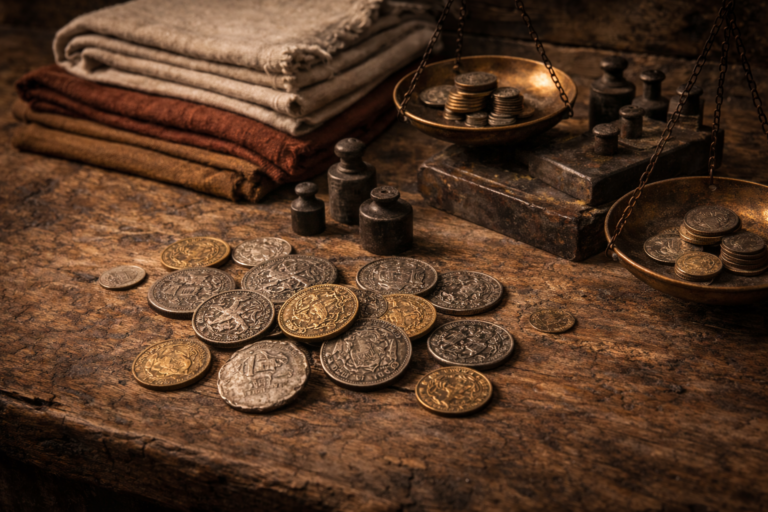
Markets solved uncertainty through repeated routine. Scales. Measuring tools. Familiar packaging. Common expectations that grew stronger with every successful exchange.
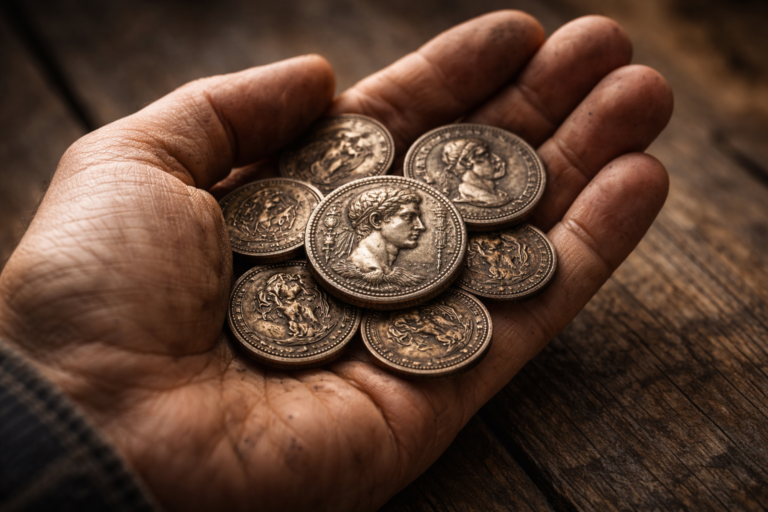
This is also where money and trade meet. Coins made exchange faster, but trust made it possible. If you are exploring how everyday payments worked inside one society, you can connect this trade story to Ancient Roman Coins in Daily Use, where coins are shown as tools of routine exchange.
The human network behind every stall
Behind every market stall was a chain of people. Producers. Carriers. Negotiators. Guards. Translators. Brokers who knew how to connect strangers without letting the deal collapse.
Most of these people never appear in official history. But they were the connection. They were the living bridge between civilizations.
And the most interesting part is how ordinary it became. After enough time, a foreign good stops feeling foreign. It becomes normal. That is what connection looks like in real life. Not sudden. Not loud. Just repeated presence until the world expands quietly.
Market Connection Table
This table is not about prices. It is about connection. It shows the key market features that turned trade into a bridge between civilizations.
Market Connection Table
This table summarizes how ancient markets created connection through repeated exchange, shared rules, and routes that carried more than goods.
| Market feature | What it did | Why it mattered | How it connected civilizations |
|---|---|---|---|
| Shared meeting place | Brought different groups into one space | Created repeat contact | Familiarity reduced fear and increased exchange |
| Mixed trade goods | Displayed distant materials and styles | Proved routes were real | Goods carried cultural fingerprints into daily life |
| Reliable routes | Moved goods repeatedly over time | Built predictability | Predictability turned trade into a stable relationship |
| Weights and standards | Reduced cheating and confusion | Made exchange faster | Shared rules allowed strangers to trust the process |
| Human intermediaries | Translated, negotiated, protected deals | Kept trade from collapsing | Networks connected communities beyond politics |
Related Roman Coins
Final Verdict
Final Verdict
Ancient markets connected civilizations by turning distance into routine. Routes carried goods, but markets turned those goods into familiarity. Trust, shared standards, and repeated exchange did the real work. If you want to see early globalization, do not start with empires. Start with the stall where strangers learned to trade without fear.
Frequently Asked Questions
Why were ancient markets so important for civilization
They created repeat contact between different groups. That contact helped build trust, spread ideas, and make trade routes stable over time.
Did markets spread culture as well as goods
Yes. Goods carried styles, techniques, and habits. Over time, foreign goods became familiar and changed daily life in multiple regions.
How did people trust trade in the ancient world
Trust grew through repeated exchange, shared standards, and the presence of intermediaries who helped deals succeed.