How Coin Symbols Created a Sense of Belonging
Estimated reading time: 12–14 minutes.
Belonging is not only a feeling. It is a pattern people learn to recognize. For centuries, coin symbols helped create that pattern. The marks on money told strangers what was familiar, what was accepted, and what counted as part of the local world.
This article explains how coin symbols created a sense of belonging, why repeated imagery became a social shortcut, and how markets turned simple designs into shared identity.
Quick Context
This article continues the Coin Meanings direction. If you want the broader foundation of how coins taught power and belonging through repeated imagery, read What Coins Taught People About Power and Belonging. If you want a focused view on how coins communicated authority without needing words, continue with How Coins Explained Authority Without Words. And if you want a practical example of symbolism in early America, see 1793 penny who is on it.
What Belonging Meant Before Borders
Modern belonging often sounds political. In older societies, belonging was usually practical. It meant you could trade without being treated as a stranger. It meant your payment would be accepted without a long debate.
People moved between towns, ports, and regions more than we often imagine. Each move created a quiet question in every transaction. Do you carry something that fits this place.
Coins helped answer that question. Not by giving speeches, but by showing familiar marks that the local crowd already recognized.
Belonging often begins when uncertainty drops. A familiar symbol can lower uncertainty in a single glance.
Symbols as a Shared Visual Language
A symbol is readable even when words are not. That mattered in crowded markets and mixed language communities. Many people could not read, and even those who could had no time to study text during fast exchange.
Symbols solved that problem. An animal, a branch, a temple, a ship, a crown. Simple shapes became signatures. They communicated, this coin belongs to a known system.
The goal was not decoration. The goal was recognition. Recognition is the first step toward acceptance, and acceptance is how belonging becomes real.
Belonging in Market Life
Markets are where identity becomes practical. People negotiate quickly. Goods change hands fast. Doubt slows everything down.
A recognizable symbol reduces friction. It helps strangers trade without long conversations. It prevents small hesitation from turning into argument.
Even when merchants weighed or compared coins, the symbol often provided the first layer of confidence. The checking came second. The symbol opened the door. Routine verification kept the door stable.

Repetition as a Belonging Machine
Symbols become powerful through repetition. The first time you see a mark, it is just a mark. The hundredth time, it becomes familiar.
Coins repeat more than most objects. They move through wages, markets, travel, gifts, and daily survival. This makes their symbols part of visual life. People remember them without effort.
Reality Check
Belonging is often built from predictability. When money looks predictable, daily life feels safer. Repeated symbols made that predictability visible.
Shared Symbols and Group Identity
Symbols do not only represent authority. They represent community.
When many people carry the same imagery, they share a visual language. Over time, that shared language can become a quiet badge. Not worn on clothing, but passed between hands.
This is how coin design can create an invisible boundary. What looks familiar feels like home. What looks unfamiliar feels risky, even if the metal is similar.
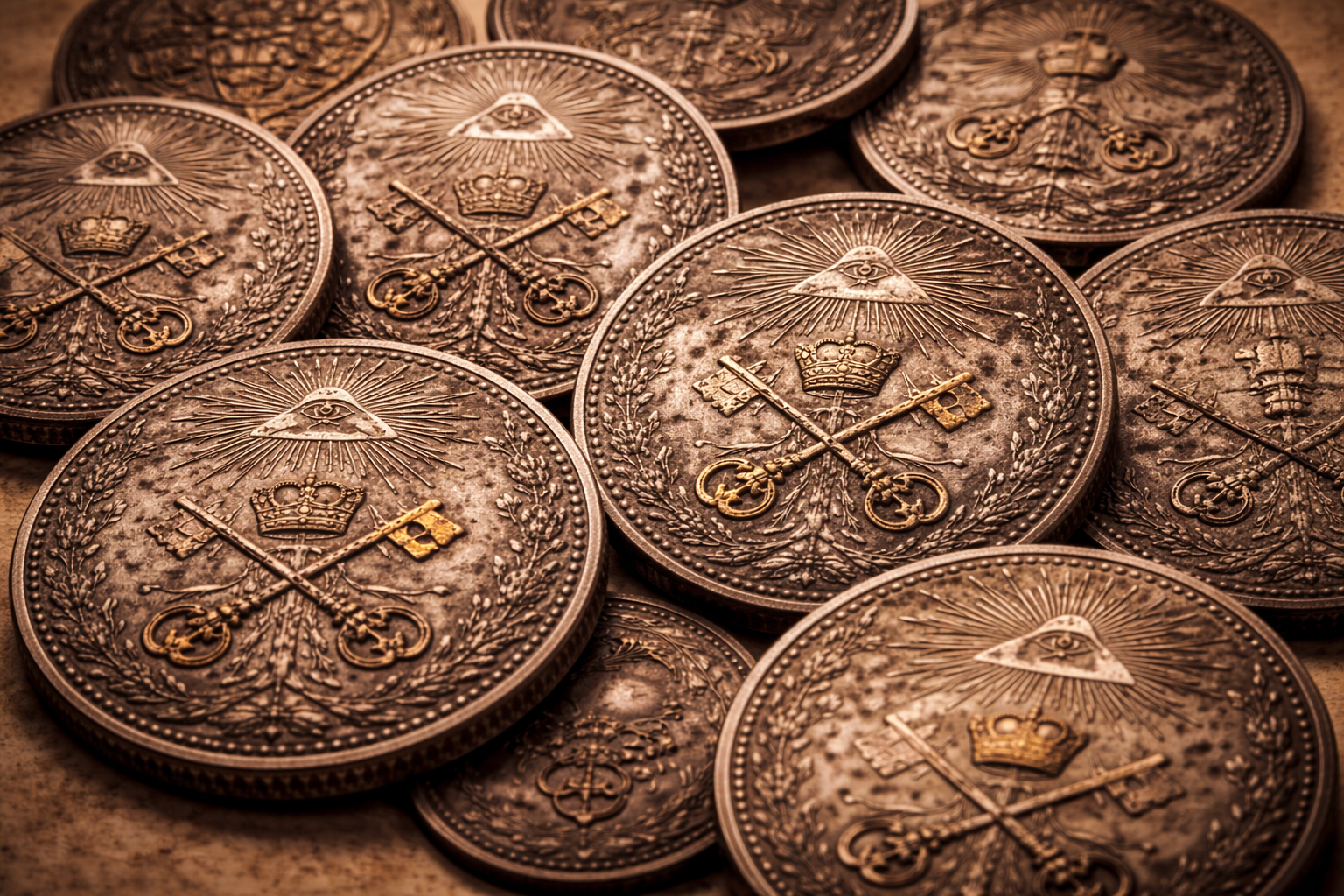
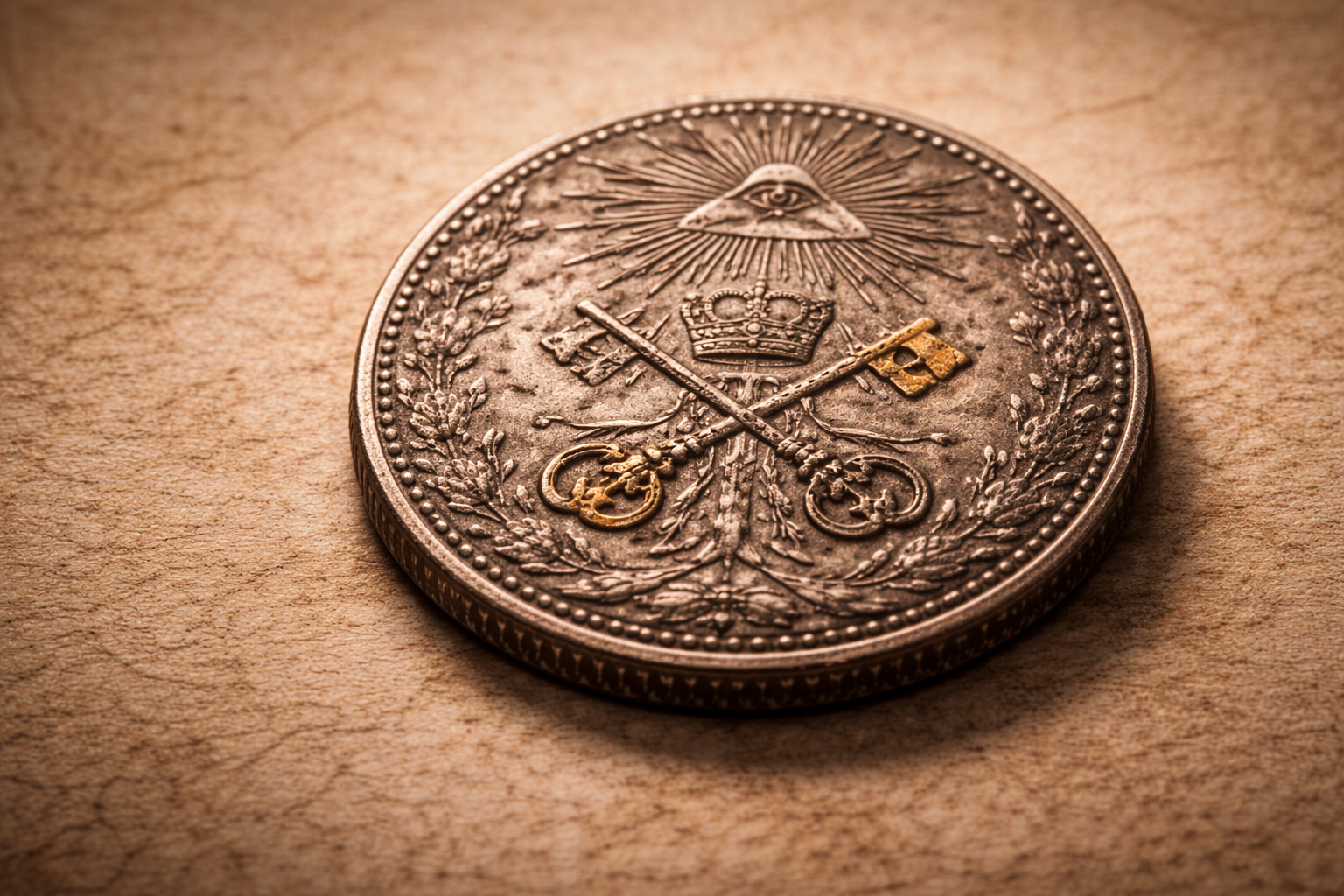
The strongest symbols were rarely random. They usually leaned on local anchors people already understood. City emblems, religious motifs, animals tied to the region, or imagery linked to a shared story. Coins did not invent belonging from nothing. They amplified what already existed and made it portable.
Symbols as Social Memory
Belonging is not only about the present. It also depends on memory.
A community learns which marks work in the market. It learns which designs cause hesitation. That learning spreads through experience and conversation.
Over time, a symbol becomes more than a design. It becomes a record of what the group has lived through. That is why old coin imagery can still feel emotionally strong. It carries the texture of shared life, not only the look of metal.
What Happens When Symbols Change
When symbols change suddenly, belonging can slow. People hesitate. They ask questions. They prefer older familiar designs.
This is not always resistance. It is a natural response to uncertainty. A new symbol has not earned repetition yet. It has not entered shared memory.
Over time, if the new design circulates widely and successfully, trust catches up. Repetition does the work again. Familiarity returns. Belonging rebuilds.
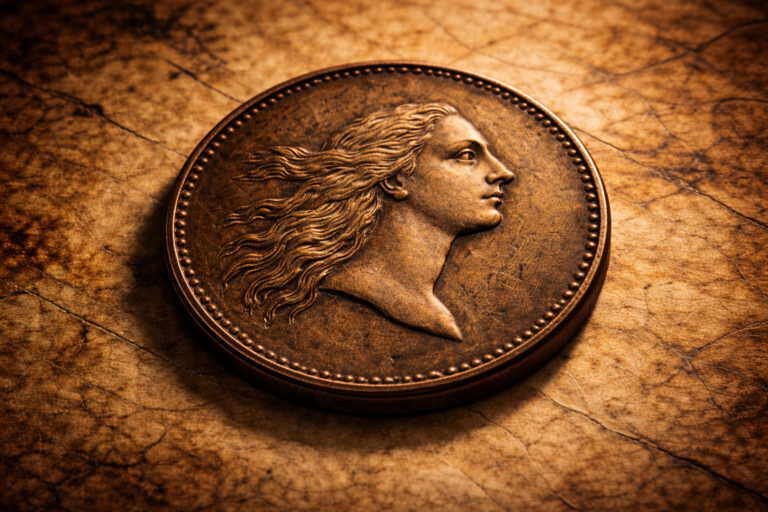
You can see a practical example of how symbolic choices mattered in early American coinage, where Liberty was chosen as an idea rather than a person: 1793 penny who is on it.
Final Verdict
Final Verdict
Coin symbols created belonging by making money recognizable. Recognition reduced doubt in daily markets. Repetition turned designs into familiarity, and familiarity became a shared mental home. Long before modern borders and paperwork, simple imagery on coins helped people feel connected to the same world of rules, trade, and community.
Frequently Asked Questions
Did coin symbols create belonging or only trust?
They helped create both. Trust is the fast decision to accept. Belonging is the slower feeling that you are inside the same shared system. Repetition can produce both outcomes over time.
Why did symbols work better than text in many societies?
Symbols are processed quickly and work across languages and literacy levels. They are easier to recognize in crowded market environments.
Could a foreign coin still be accepted?
Yes, especially in trade hubs. But unfamiliar imagery often increased hesitation. People tended to prefer what felt locally recognized, even when multiple currencies circulated.
Is this content safe for AdSense?
Yes. It is educational and historical, and it contains no pricing, valuation, or financial advice.