How Flemish Coins Trained People to Think About Value
Estimated reading time: 18–20 minutes.
Today, value feels like a number that appears instantly. In medieval Flanders, value was something people had to learn. It was not written clearly, guaranteed by institutions, or enforced by systems. It was discovered slowly in markets, shaped by habit, and reinforced by experience.
This article explores how Flemish coins trained people to think about value long before modern banking made value feel automatic.
Quick Context
This article continues the Flemish Coins series. For everyday exchange and trust foundations, read How Flemish Coins Shaped Everyday Trade and Trust. For the deeper trust layer before institutions, see How Flemish Coins Built Trust Before Modern Banking. For symbolism and identity shifts, continue with How Flemish Coins Reflected a Changing Europe.
Value Was a Skill, Not a Formula
In medieval Flanders, people did not grow up believing value was fixed. They learned quickly that value depended on judgment. A coin could be accepted with ease in one moment and questioned in another.
Value was not something people memorized. It was something they practiced.
Value was not read. It was felt, compared, and remembered.
The Market as the Teacher of Value
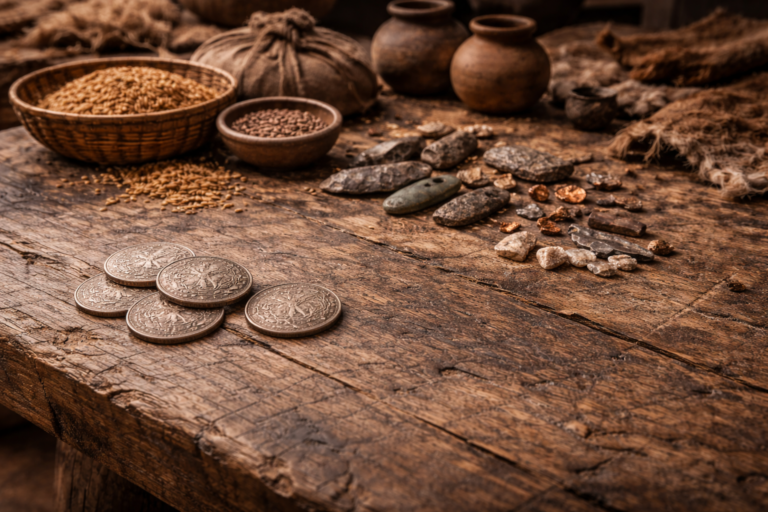
No schools taught monetary theory. Markets did.
People learned which coins moved quickly, which slowed transactions, and which raised suspicion. Through repetition, they developed instincts. Those instincts shaped value perception far more than official rules.
Comparison as Everyday Reasoning
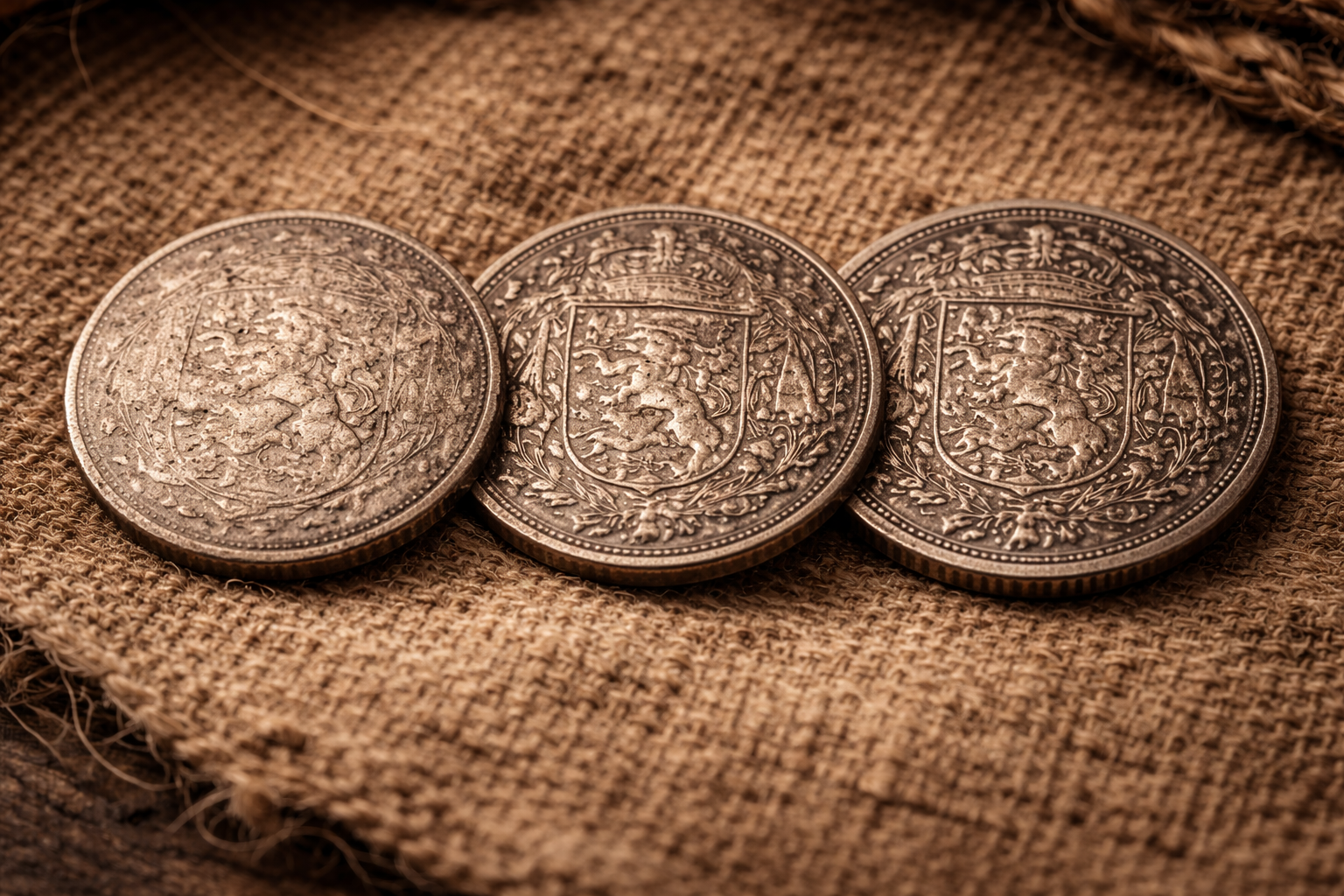
When certainty was unavailable, comparison became essential. Coins were compared to other coins already trusted. Thickness, wear, and feel mattered.
Familiarity and Comfort
Familiar coins reduced doubt. Doubt slowed trade.
Coins that circulated widely became comfortable tools. Comfort translated into acceptance. Acceptance reinforced value.
Reality Check
Value rarely depends on perfect knowledge. It depends on shared expectations and repeated success.
Reputation and Social Memory
Coins carried reputations. Not official reputations, but social ones.
People talked. Markets remembered. Coins that worked became preferred. Coins that caused conflict became avoided.
Verification Without Institutions
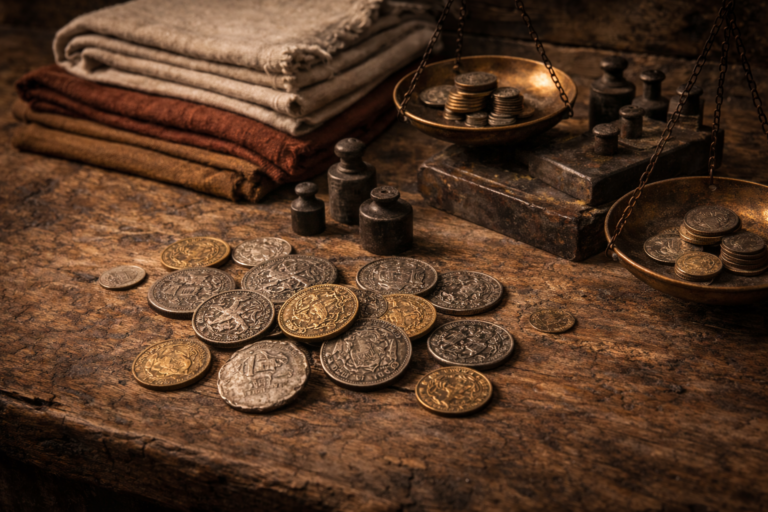
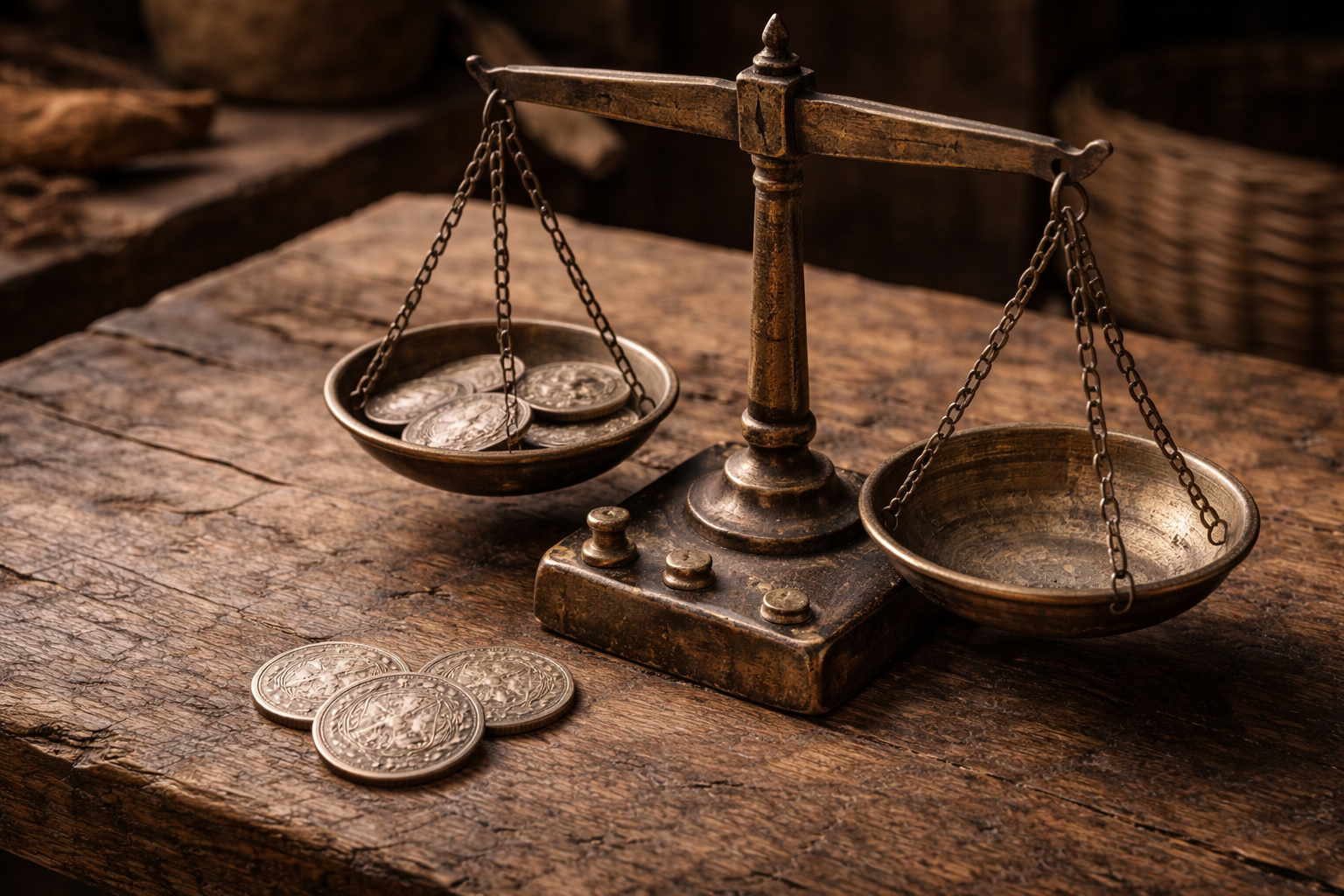
Verification mattered, but it had to remain simple. Balance scales provided reassurance, not precision.
Confidence and Market Rhythm
When confidence was high, trade felt smooth. When doubt increased, verification followed. Value moved with social rhythm.
Value as Collective Memory
Value lived in memory. People remembered what worked. That memory became culture. Culture became stability.
Final Verdict
Flemish coins trained people to think about value through repetition, familiarity, and shared market habits. Before modern banking, value was not delivered by systems. It was learned through experience.
Frequently Asked Questions
Was value fixed in medieval markets?
No. Value shifted with confidence, familiarity, and market conditions.
How did people judge value without banks?
Through comparison, memory, and simple verification habits.
Is this concept safe for AdSense?
Yes. The article discusses historical value perception, not prices or financial advice.