How Money Worked in Roman Times
Estimated reading time: 9 minutes.
Roman money did not feel like an economic theory. It felt like a small coin pressed into your palm when you were hungry. It felt like a careful count at home before rent was due. It felt like relief when you could pay without asking anyone for help.
In this Roman Coins series, we focus on how money worked in real life, not just in official history. You can explore more Roman coin stories here: Roman Coins.
What this article explains
We explain how money worked in Roman times through daily routines. We focus on circulation, trust, small purchases, and structured payments across ordinary life. This article stays historical and educational and avoids pricing, valuation, and financial advice for AdSense safety.
How money worked in practice
Money worked in Roman times because it matched human behavior. People needed quick exchange. People needed smaller values for frequent needs. People also needed a way to handle wages and repeating obligations without carrying a bag of metal everywhere.
Rome solved that problem with layers. Bronze supported the everyday. Silver supported routine planning. This did not mean every Roman walked around thinking about systems. It only meant the system quietly kept the day moving.
If you want the simplest entry point, start with daily use. We already explored that foundation in Ancient Roman Coins in Daily Use. That article shows what coins did minute by minute. This article expands the view and explains why the whole system held together.
How coins moved through society
A Roman coin was meant to move. Movement is what turned metal into money. A coin gained meaning every time someone accepted it without hesitation.
Think of the chain behind one purchase. A baker accepts bronze because the baker must pay someone else. That next person accepts the same bronze because it will work again tomorrow. Rome did not need every citizen to agree on philosophy. It only needed the street to agree on habit.
When coins moved smoothly, markets felt normal. When coins stopped moving, daily life became tense. People started to hold back. Sellers became cautious. Ordinary exchange slowed down. That is how you can feel an economy without reading any text at all. You can feel it in hesitation.
Small change and daily exchange
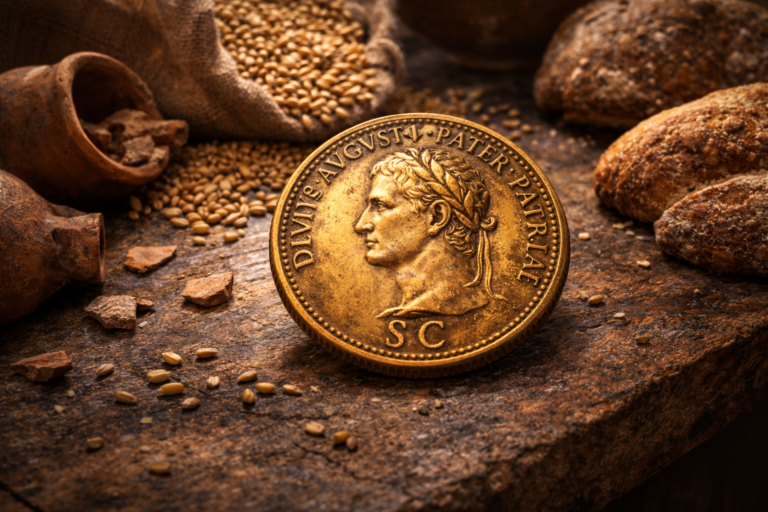
Bronze coins carried the noise of Roman life. Markets. Street vendors. Workshops. Small services. Tiny purchases that seem insignificant until you realize they happen every day.
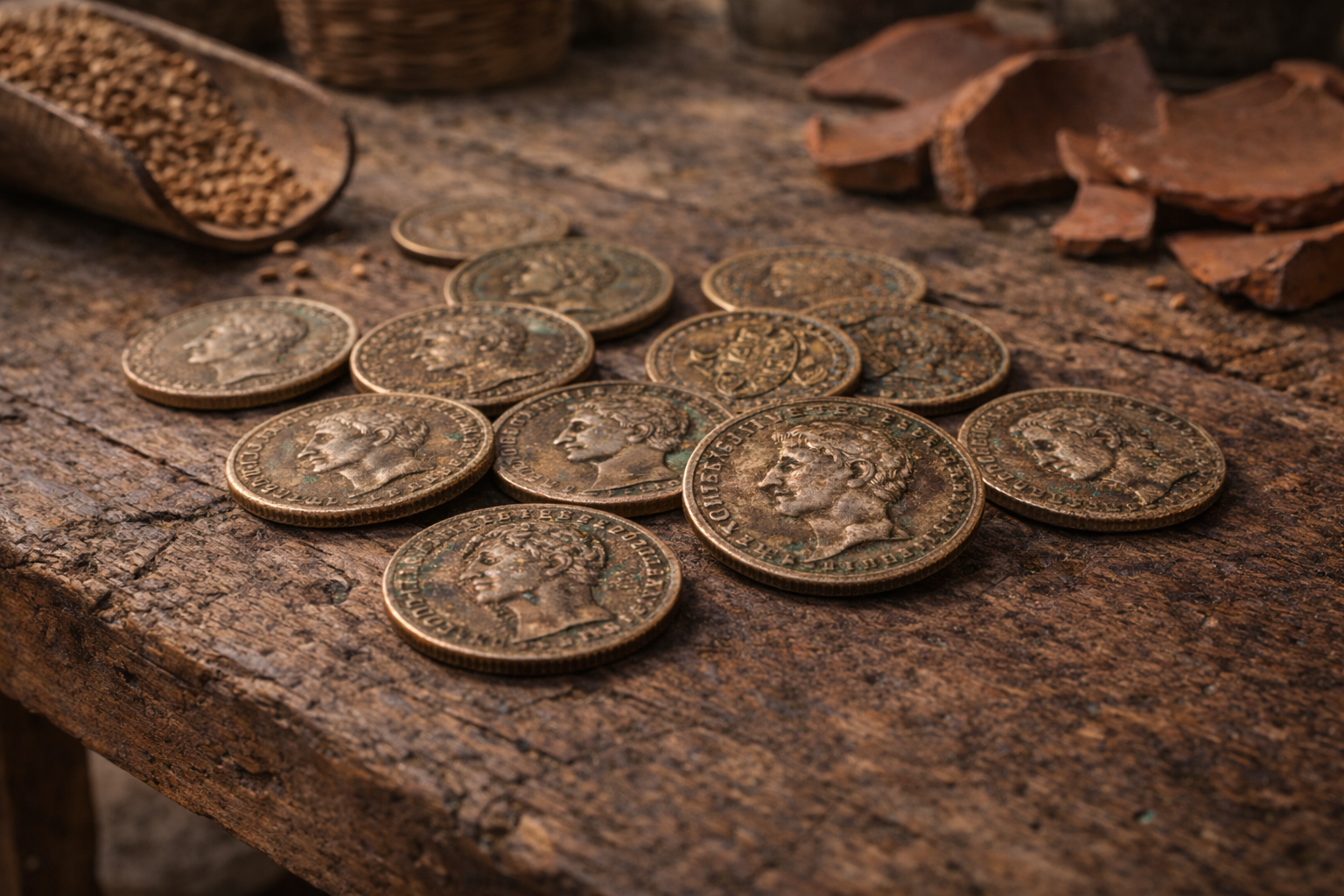
Bronze was not glamorous, but it was powerful. It gave ordinary people flexibility. It let them split a day into choices. Buy now. Save a little for later. Pay for a small repair. Tip a helper.
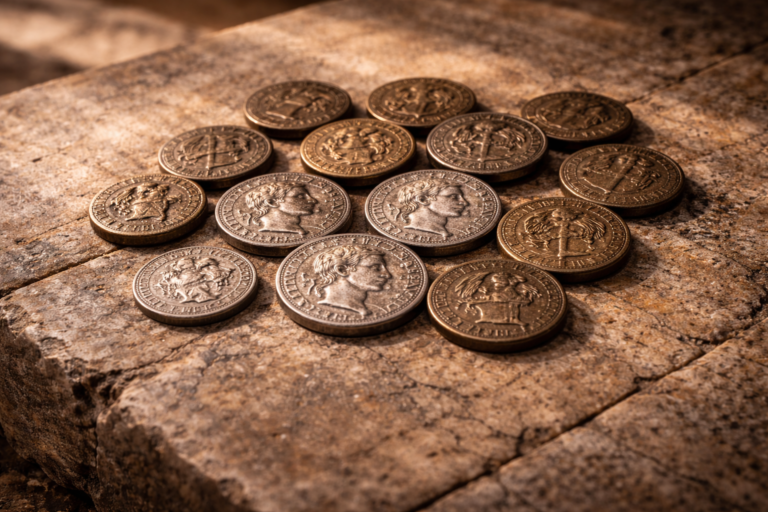
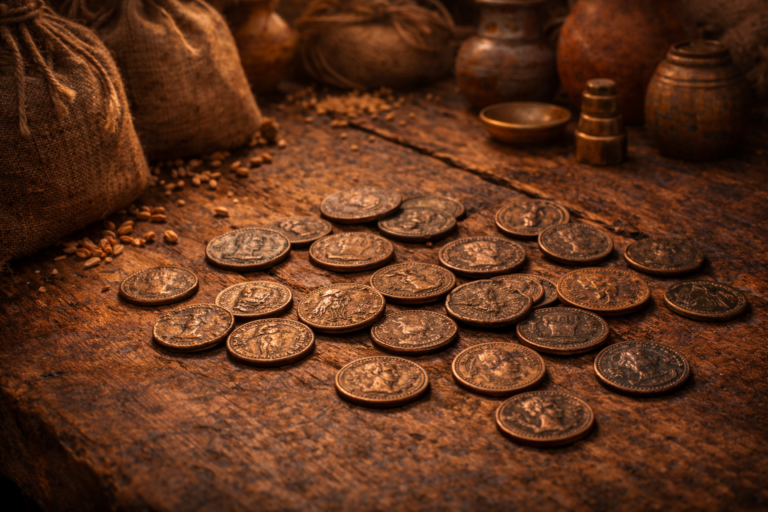
This is also why bronze often looks worn today. These coins were handled constantly. They slid across wood. They clinked in pouches. They fell into dust and were picked up again. Wear is not a defect here. Wear is a record of ordinary life.
Reality Check
The real economy is built on small repeat payments. Bronze coinage is the best place to see how Roman life actually worked day to day.
Planned payments and silver routines
If bronze was the pulse of the street, silver was the calendar. Silver helped people handle repeating obligations. Wages. Rent. Planned purchases that could not be solved with tiny change alone.
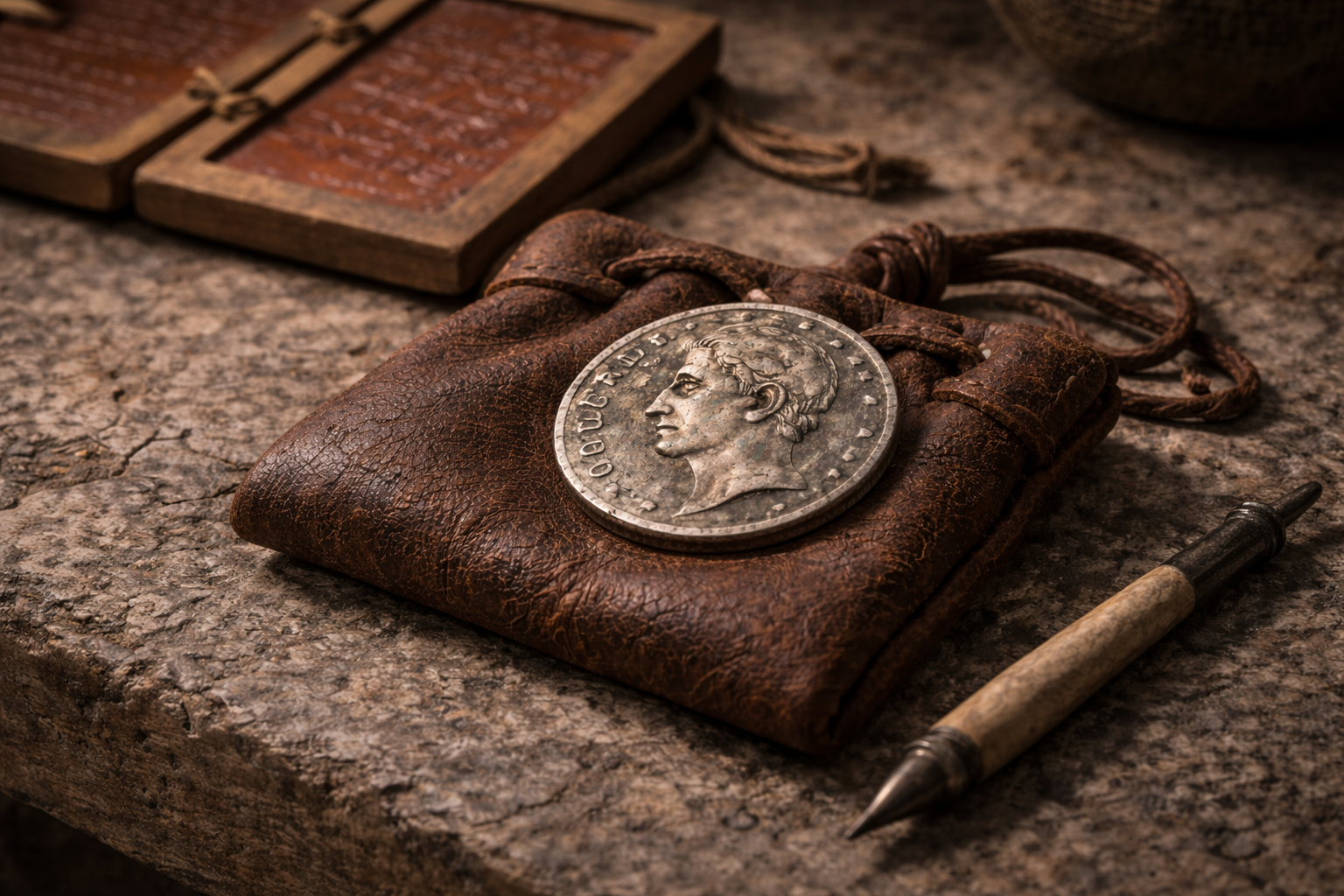
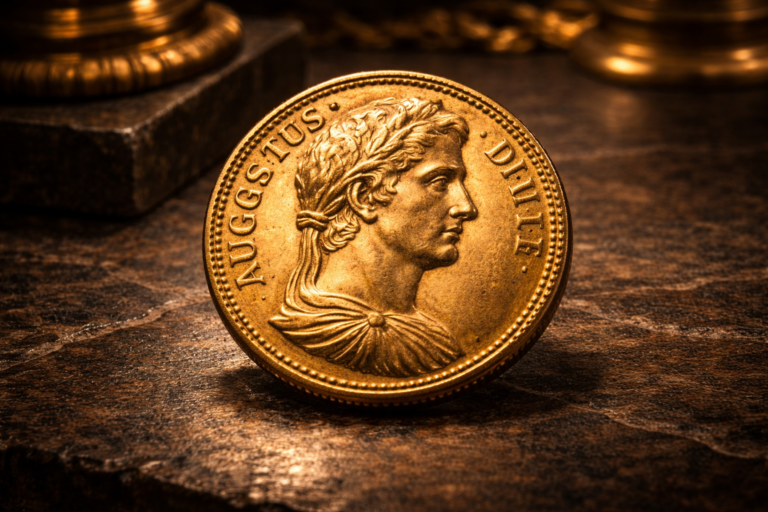
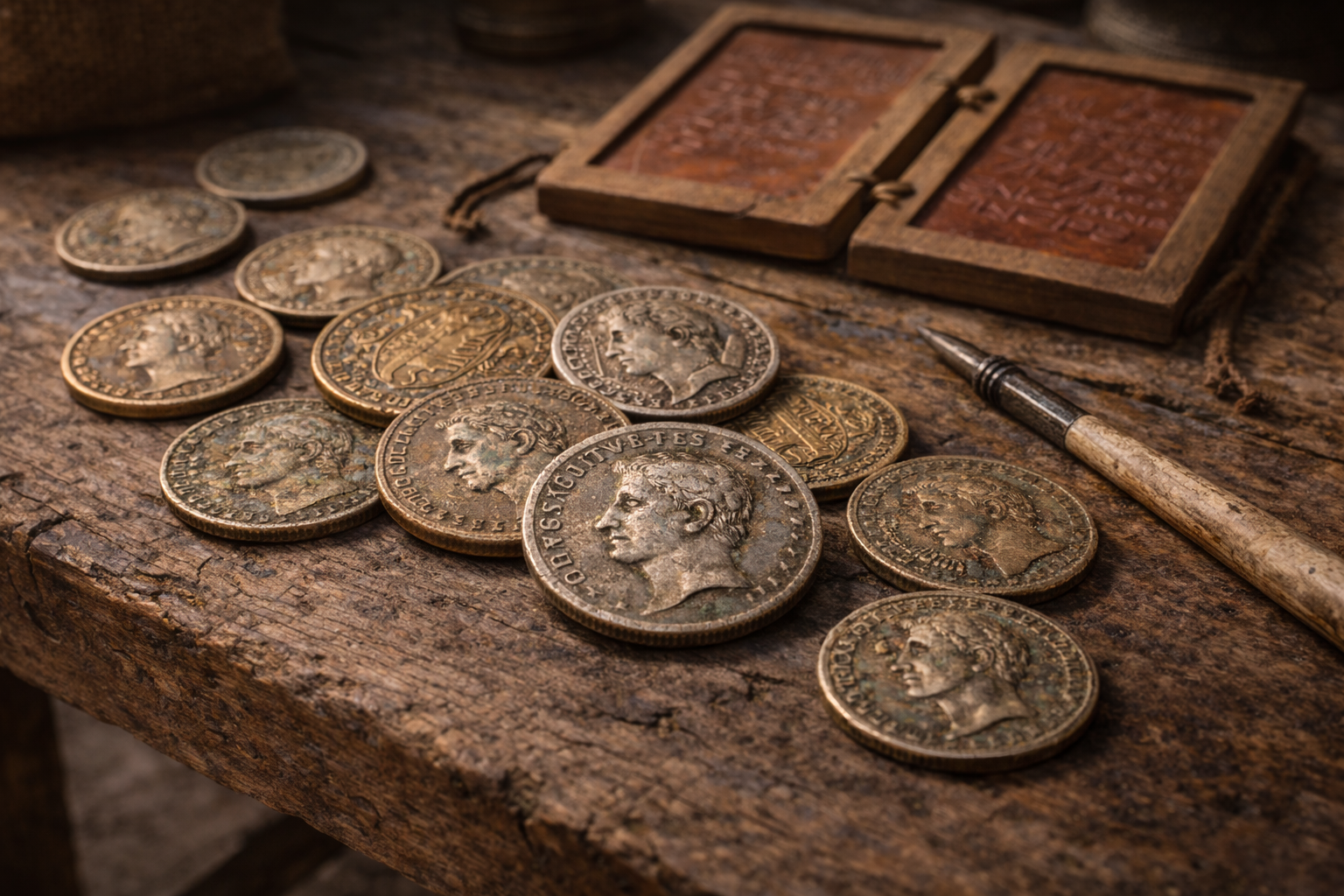
A denarius was not only a coin. It was a way to compress value into something manageable. Fewer pieces to count. Fewer pieces to carry. More control when you needed to settle something important.
Silver also changed the mood of a transaction. Bigger payments create more tension. Silver reduced that tension because it felt official and familiar. It made agreement quicker. It made trust easier.
Trust was the real system
Roman money worked because people believed it would work again. That belief was not magic. It was repetition. Yesterday the coin bought bread. Today it buys oil. Tomorrow it pays a worker.
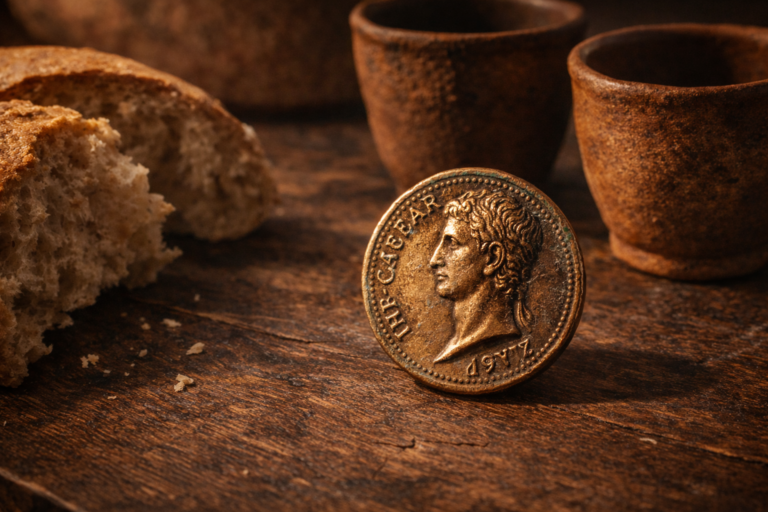
Portraits and inscriptions helped create recognition, but recognition alone was not enough. Trust came from success. The coin had to keep functioning in everyday exchange. The moment confidence weakened, the system felt fragile, even if coins still existed.
Daily Use Table
This table is not about prices. It is about behavior. It shows how coin types fit into ordinary routines and why the system made sense to people who never studied economics.
Daily Use Table
This table summarizes how Roman money worked through everyday use. It maps coin types to common situations and shows what each role reveals about ordinary life.
| Coin type | Main daily setting | Typical daily function | What it reveals about Rome |
|---|---|---|---|
| Bronze low value coins | Markets and street vendors | Small purchases and quick services | Daily life depended on frequent small exchanges |
| Bronze mid value coins | Workshops and local trade | Repairs, tools, household needs | Practical spending shaped most decisions |
| Silver denarius | Wages and routine payments | Payday, rent, planned buying | Money was organized around repeating obligations |
| Mixed change | Pouches and home storage | Balancing now and later | Saving and spending lived side by side |
| Heavily worn pieces | High traffic neighborhoods | Constant circulation | Wear is proof of repeated human contact |
Related Roman Coins
These links connect directly with the Roman Coins series and expand the same ideas.
Final Verdict
Final Verdict
Money worked in Roman times because it was practical and layered. Bronze supported everyday survival and constant exchange. Silver supported structure and planned payments. Trust supported everything. If you want to understand the Roman economy, start with daily routines. That is where the system becomes human.
Frequently Asked Questions
What made Roman money work across such a large empire
It worked through repetition and trust. People accepted coins because they expected others to accept them again. That shared habit kept daily exchange moving.
Did ordinary Romans use bronze coins more than silver
Yes. Bronze handled frequent small purchases in markets and services. Silver was more common in wages and structured payments.
Why are so many Roman coins worn today
Heavy circulation caused wear. Coins were handled constantly and carried in pouches. Wear is often evidence of long everyday use rather than a single event.
Is this article safe for AdSense
Yes. It is educational and historical, and it avoids pricing, valuation, and financial advice.