How Roman Coins Shaped Everyday Authority
Estimated reading time: 18 minutes
In the ancient Roman world, authority was everywhere and nowhere at the same time. You could feel it in legal decrees. You could see it in architecture. But the subtle, persistent form of authority that seeped into the daily lives of ordinary people was not written in law books. It was held in their hands.
This is the quiet story of how Roman coins shaped everyday authority not by force, but by familiarity; not by decree, but by repetition.
What we’ll discover in this article
How ordinary money became a source of psychological authority, how repeated exposure normalized imperial power, and why coins became one of the most effective tools of influence in ancient Roman life.
Why Everyday Authority Matters
Most histories of Roman authority focus on laws, generals, or monuments. But for a farmer in Gaul or a baker in Ostia, authority was not something read in textbooks. It was something *felt* daily.
The authority that matters most is the kind that shapes behavior quietly—without conversation, without protest, without conscious choice. That is everyday authority.
Power in Routine
Authority becomes most powerful when it becomes routine. A command shouted once can be forgotten. A law carved in stone might never be seen. But a coin passed from hand to hand, day after day, month after month? That becomes familiar—almost invisible.
And when something is familiar, it no longer feels like authority. It feels normal. And that is when influence becomes most effective.
Coins Everywhere You Went
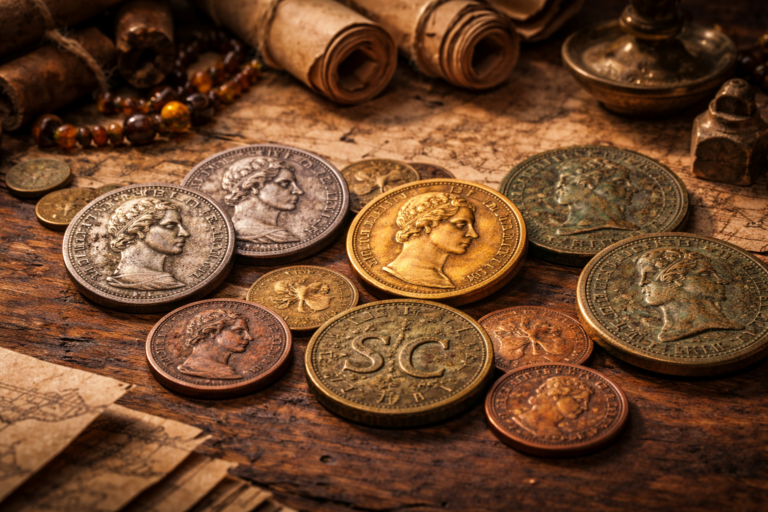
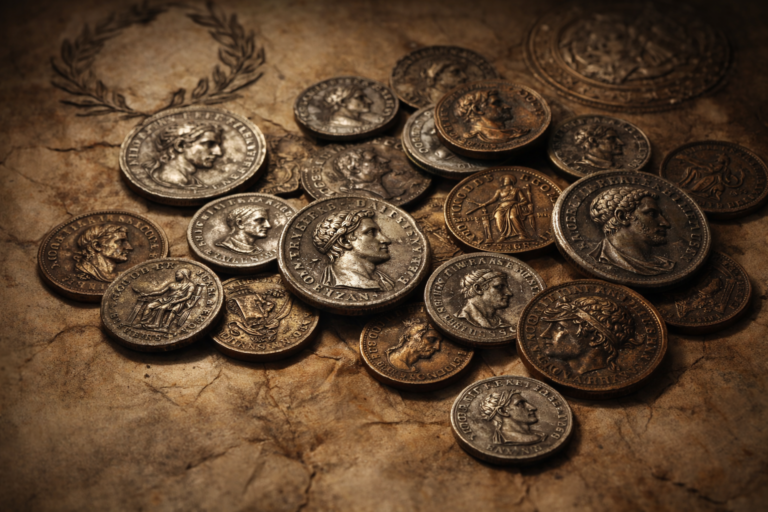
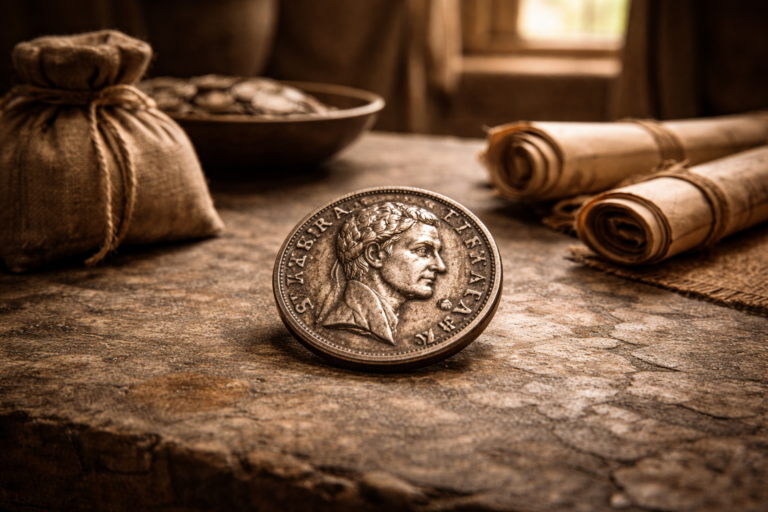
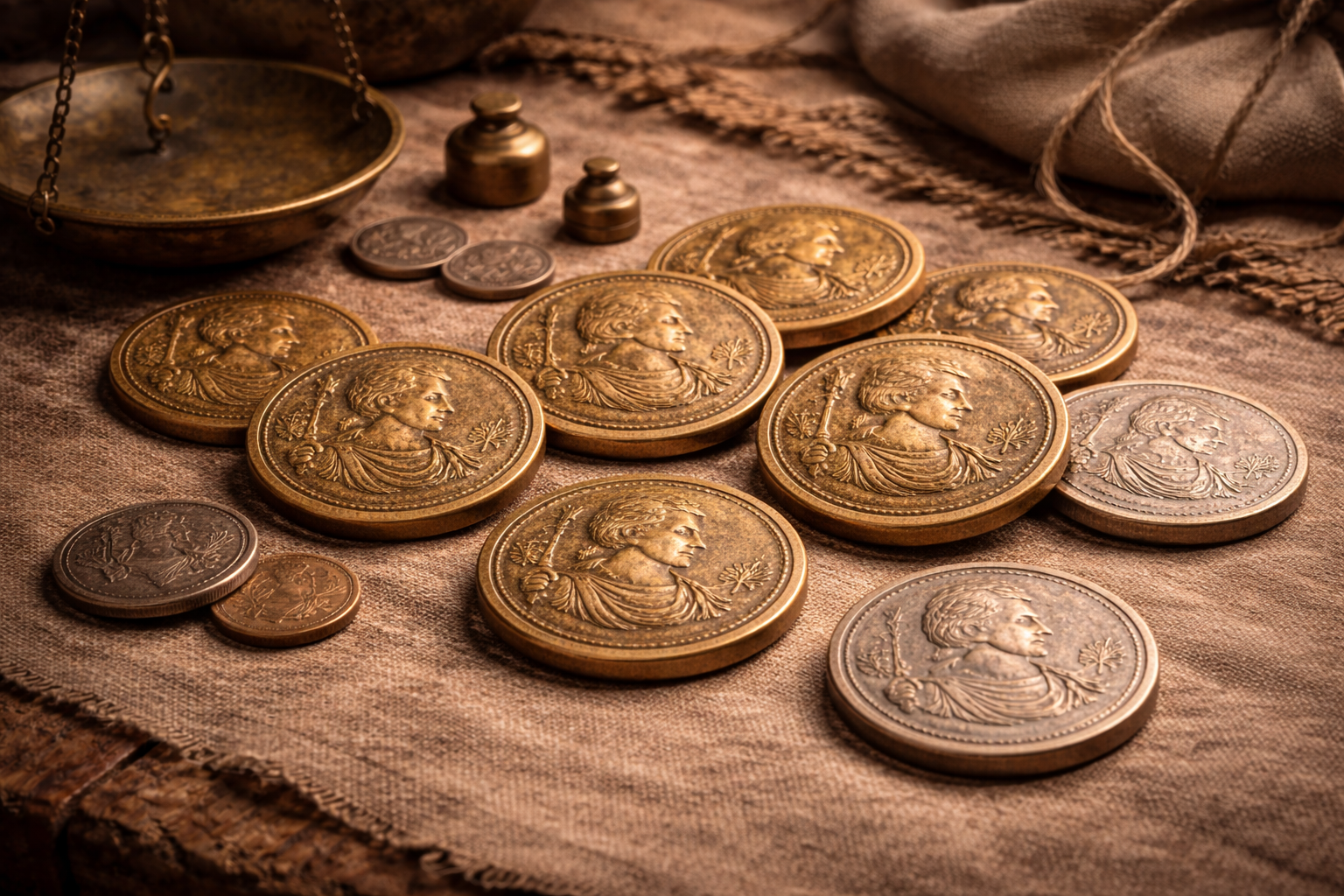
Roman coins were everywhere. From dusty frontier towns to the steps of temples in Rome itself. They paid soldiers. They bought bread. They settled taxes. They sealed deals.
Every exchange became a moment of exposure to imperial identity. Every pocket contained a reminder of who was in charge.
The Psychology of Familiarity
Human psychology is shaped by repetition. We trust what we see again and again. We accept what we experience daily. And we internalize what feels normal before we analyze it.
Roman coins worked like an early psychological campaign: instead of preaching authority, they *embodied* it in the hands of everyone.
Markets, Wages, and Daily Life
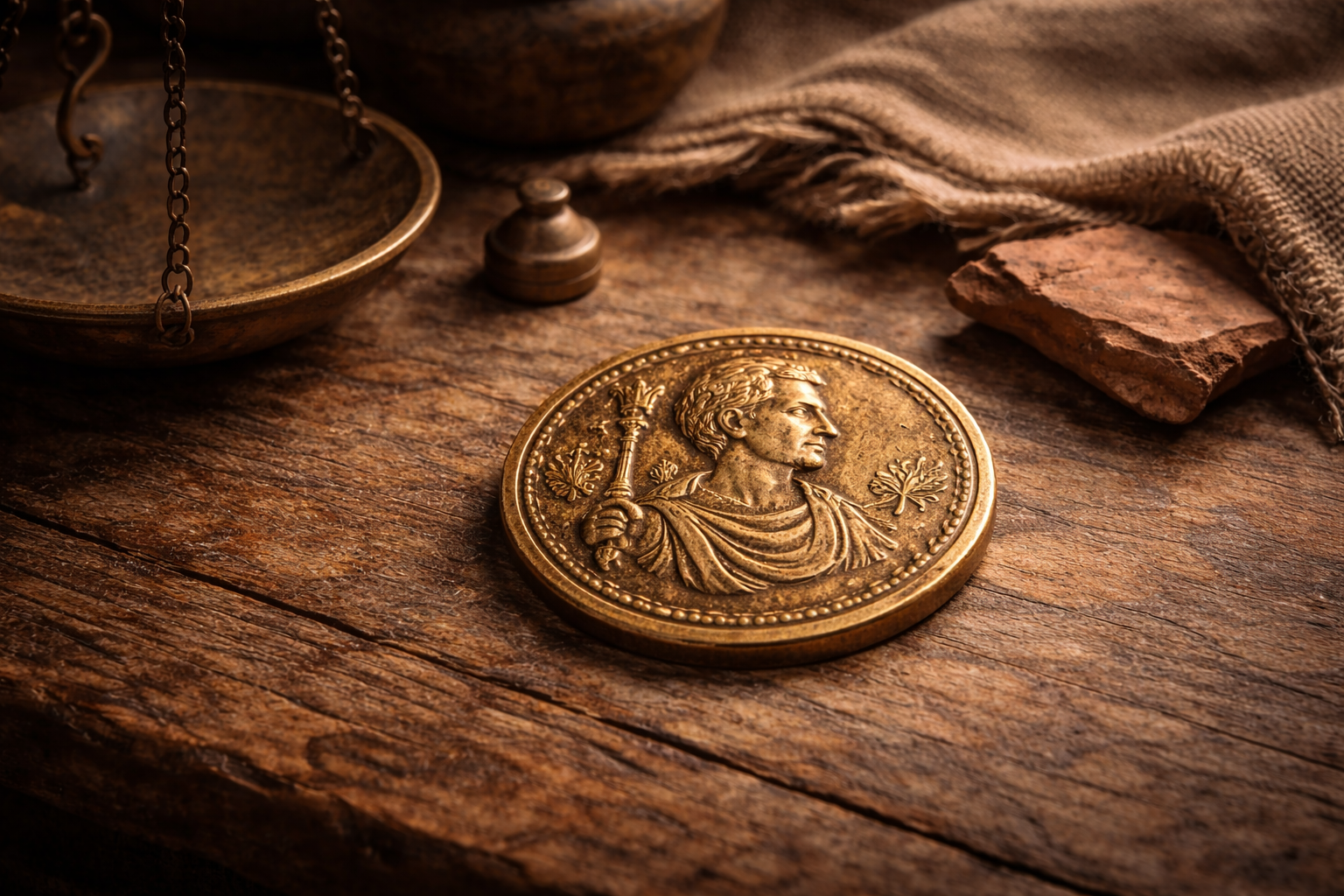
The marketplace is where everyday authority became visible. A merchant in Pompeii might never meet the emperor. But every coin he weighed, counted, or spent carried that imperial connection.
In wages and purchases, authority was normalized. It was not spoken. It was *experienced*.
Symbols of Authority on Coins
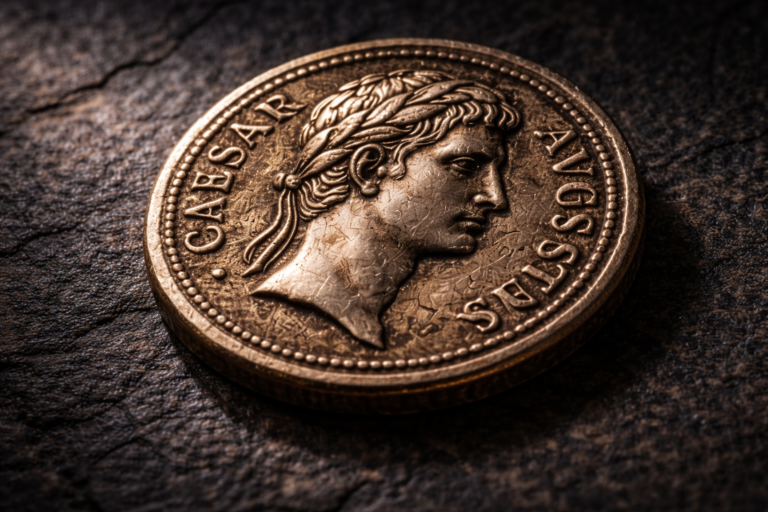
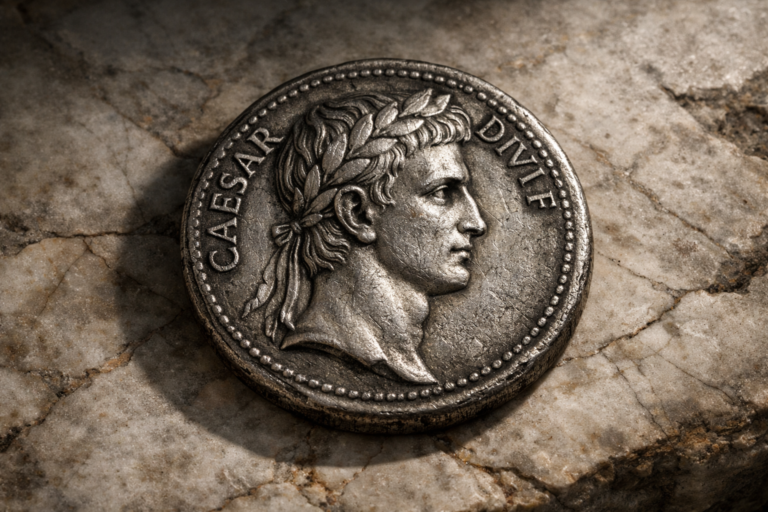
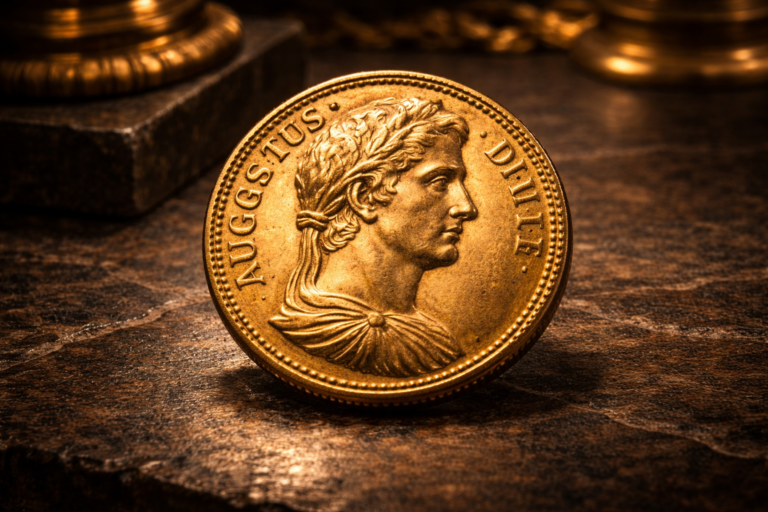
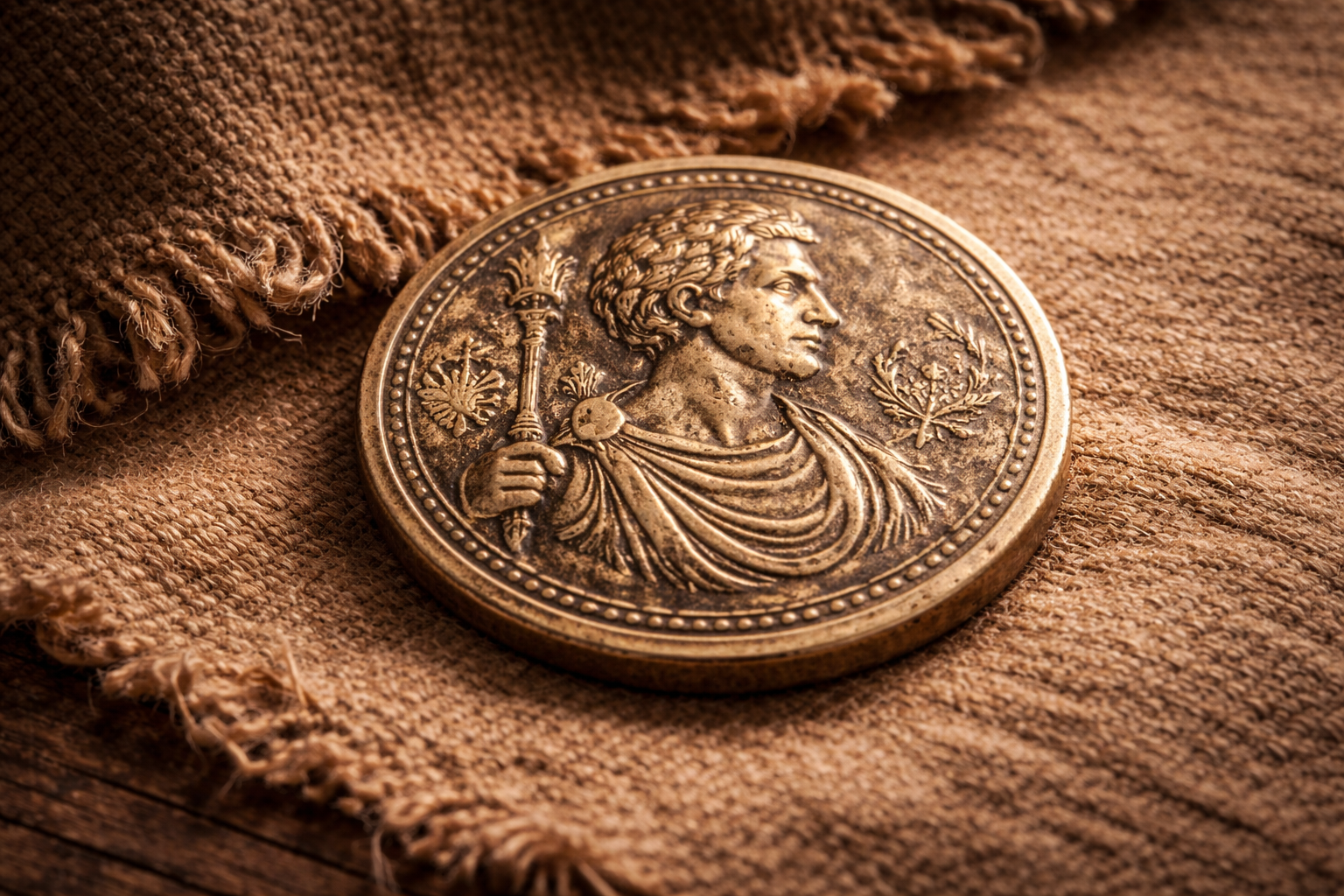
Roman coins were not blank discs of metal. They were carefully designed messages: portraits of emperors, depictions of victories, and symbolic figures that suggested stability and order.
Unlike written decrees, these images did not need literacy to communicate. They worked visually, instantly, and constantly.
When Money Didn’t Convince
Not everyone accepted authority passively. Counterfeit coins. Delayed wages. Economic instability. Sometimes the coin did not reassure.
But even resistance reveals power: people would test coins, weigh them, or reject them—because they felt the *weight* of authority when something felt unfamiliar.
Authority as Identity
Authority is tied to identity. When people see the same designs repeatedly, those designs become part of who they are. To carry a Roman coin was to belong to a system. It meant inclusion, not just compliance.
In distant provinces, local populations learned the language of imperial symbols. They didn’t just use the coins. They recognized them. And in recognition lies identity.
Modern Echoes of Everyday Authority
We still encounter authority through routine objects. National currency. Logos on cards. Familiar symbols on digital cash. Money is still one of the most repeated messages we receive daily.
Coins didn’t invent mass communication. But they refined it into something people *felt* before they *thought*.
Final Verdict
Roman coins shaped everyday authority by embedding messages into routine life. Authority became familiar, not forced. Power became background reality, not distant proclamation. If you want to understand how empires shape belief quietly, follow the money.
Share and Reflect
If this article made you reconsider how authority works in everyday life, share it with someone who loves insights beyond textbooks.
Article link: https://pastmint.com/how-roman-coins-shaped-everyday-authority/
Reflection question: What routine object today makes authority feel normal before any announcement?
About PastMint
PastMint
PastMint explores the hidden stories behind money, symbols, and everyday objects. We focus on how meaning and routine shaped civilizations—quietly, consistently, and often more effectively than words.