How Romans Actually Paid for Daily Life
Estimated reading time: 9 minutes.
Paying in ancient Rome was rarely dramatic. It was a coin pressed into a palm at the exact moment life demanded an answer. Bread now. Water now. A small repair now. Most Romans did not experience money as wealth. They experienced it as daily survival with tiny choices.
This article follows those choices. Not the official system on paper. The real one in markets, homes, workshops, and streets where payments had to be quick and accepted without argument.
What this article explains
We explain how Romans actually paid for daily life through routine transactions. We focus on small change, wages, planned payments, and the trust that kept coins moving. This is historical and educational and avoids pricing or valuation.
Daily payments were small but constant
A normal Roman day was built on small payments. A loaf of bread. A cup of wine. A handful of vegetables. A quick service that saves time when you are tired.
These payments were not rare events. They were the rhythm of life. And rhythm needs small change. That is why low value coinage mattered so much more than impressive metal.
The important detail is not the coin itself. It is the speed of agreement. Payment worked when both sides accepted the routine without hesitation.
Paying in streets and markets
Street buying demanded quick decisions. A seller cannot pause and debate. A buyer cannot waste time proving their honesty. Coins solved this problem because they created a shared habit.
The market did not run on speeches. It ran on repetition. A coin is handed over. Goods move across a counter. The next person steps forward. When coins flowed smoothly, daily life felt stable.
Bronze coins for everyday needs
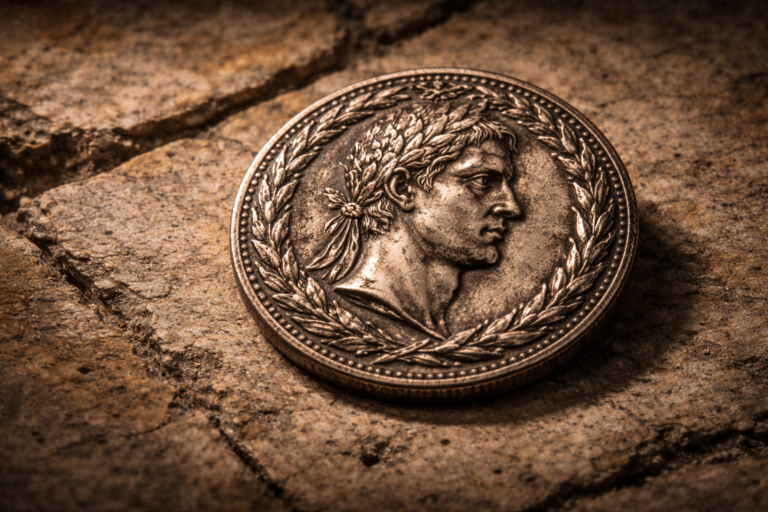
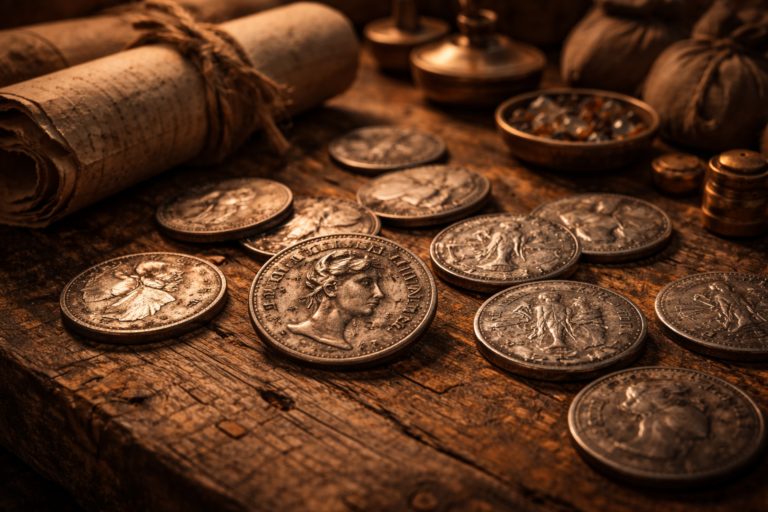
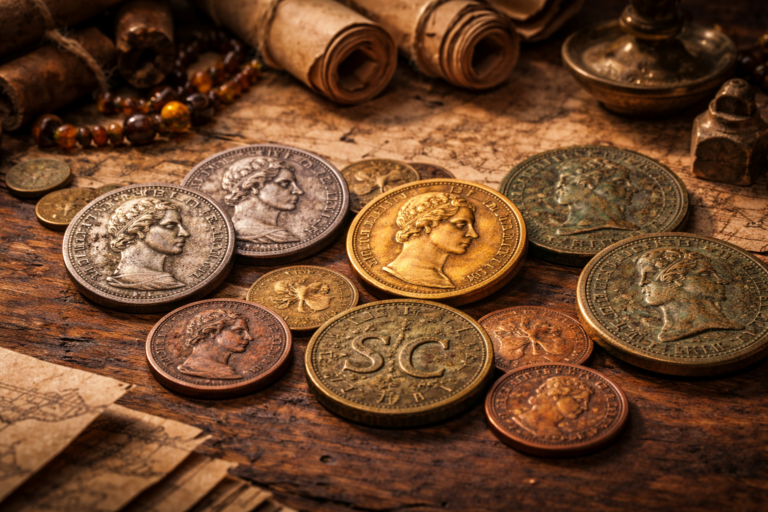
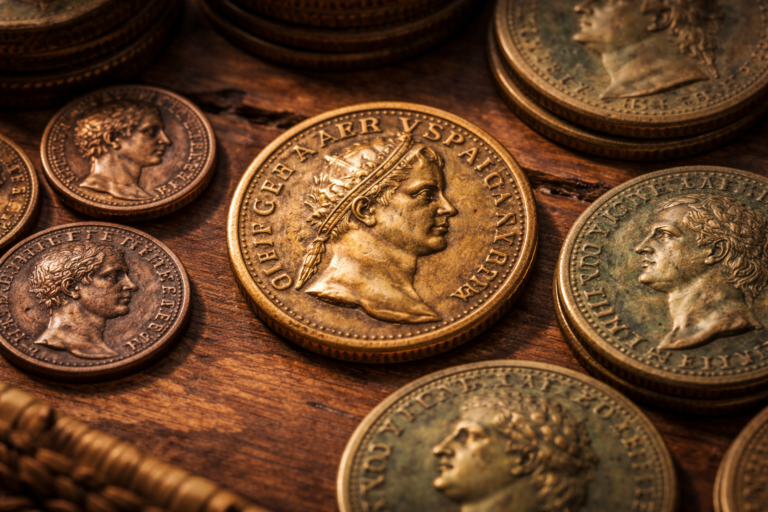
Bronze was the true daily payment tool. It matched the scale of ordinary needs and constant exchange. It was used without ceremony and handled without care because it had work to do.
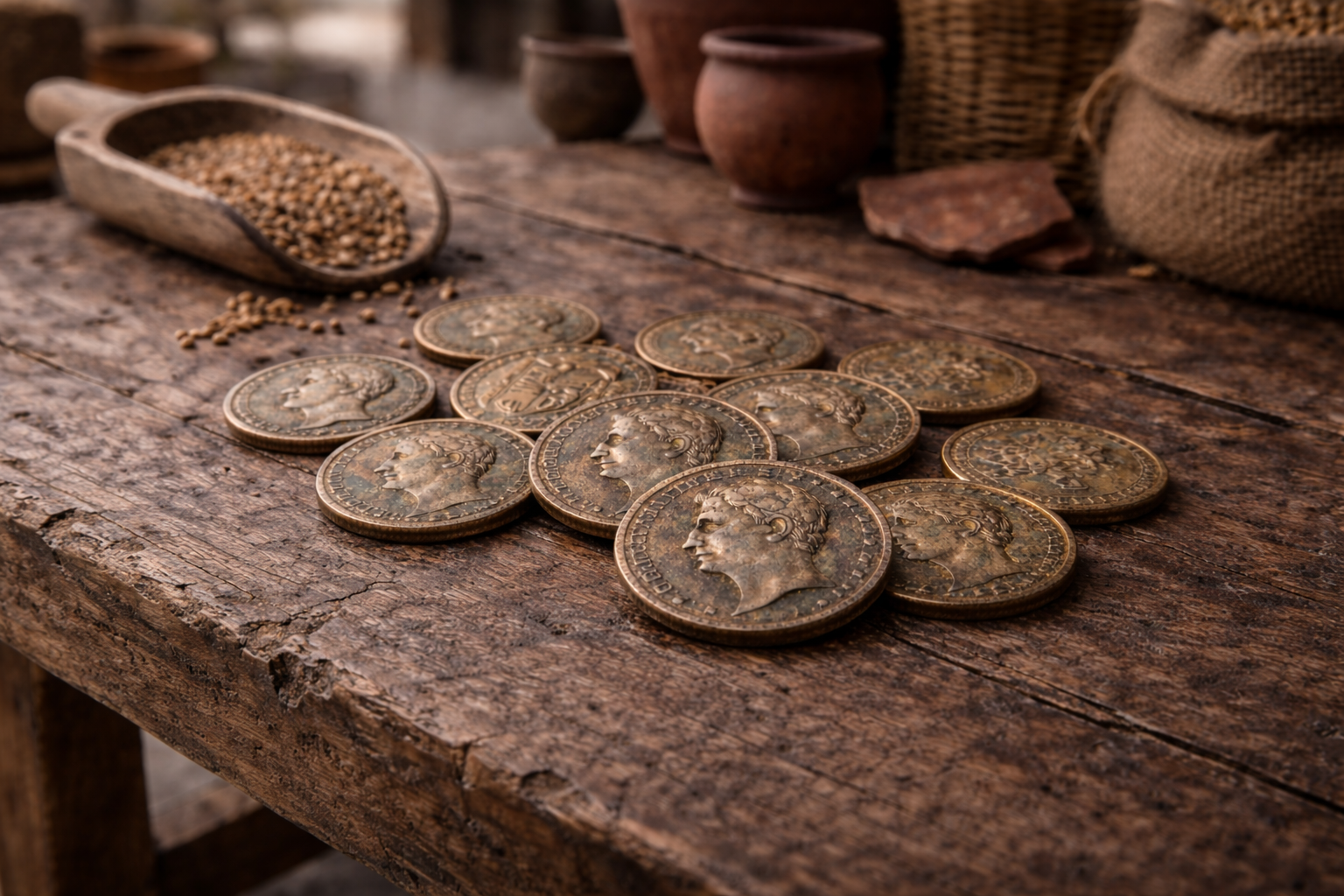
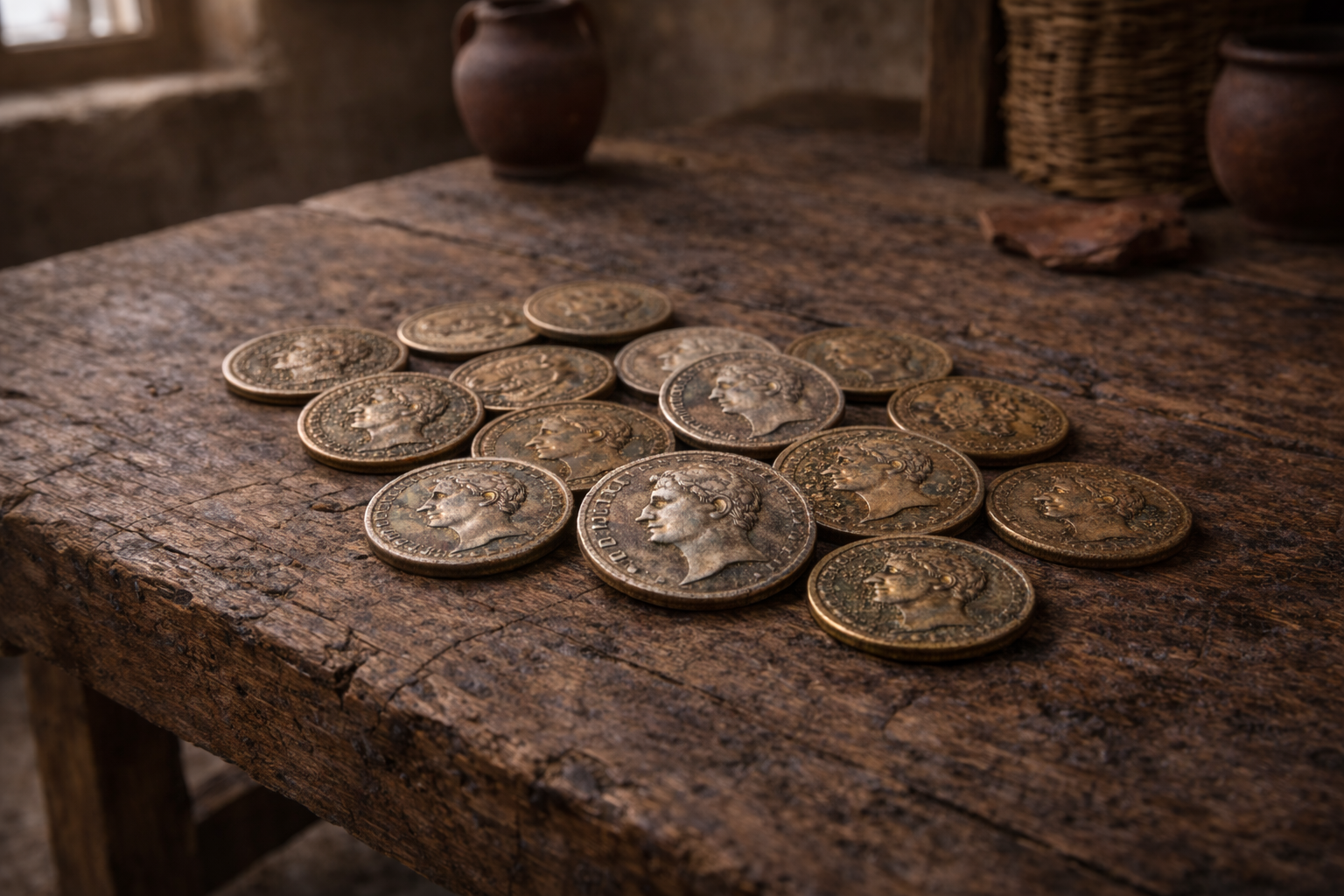
These coins passed through countless hands. They were dropped. Picked up. Counted quickly. Spent again. Their worn surfaces today are not a mistake. Wear is a record of how often ordinary people needed them.
Reality Check
The true economy lives in repeated small payments. Bronze coinage is where you see Roman daily life most clearly.
Silver coins for wages and planning
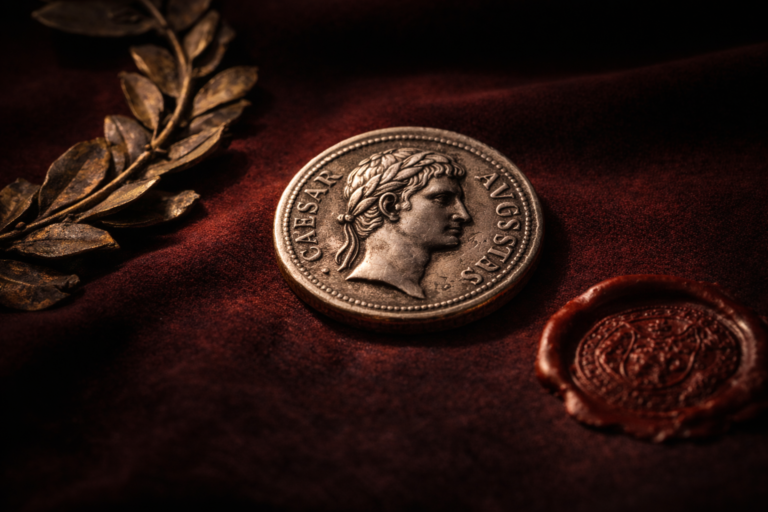
When payments became structured, silver mattered more. Wages. Rent. Planned purchases that could not be handled with small change alone.
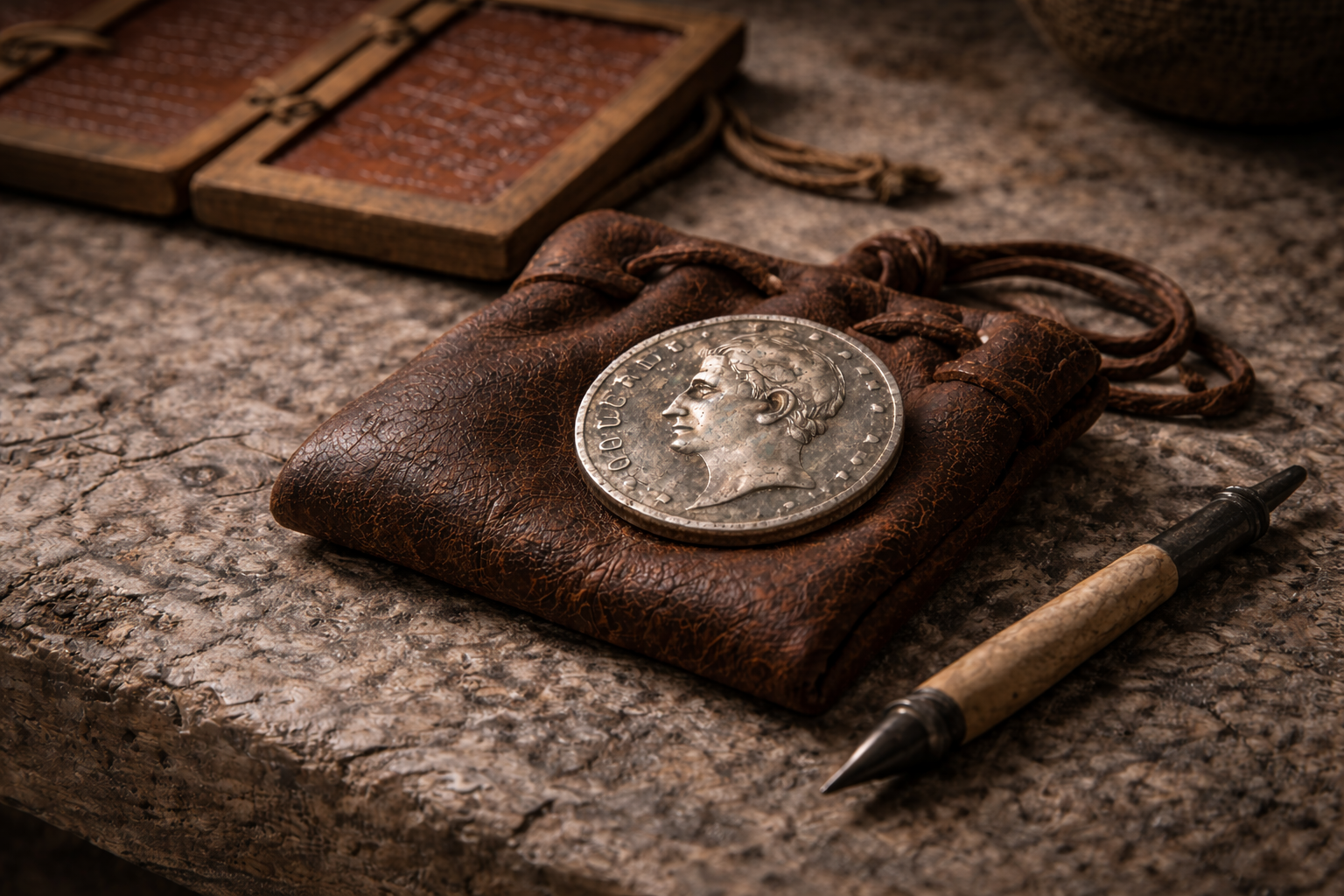
Silver simplified bigger agreements. It reduced counting. It reduced argument. It made routine obligations feel manageable. It also changed the mood of payment. Bigger payments bring tension. Silver helped reduce that tension by feeling familiar and accepted.
Trust made payment possible
Coins are metal. Payment is trust. Romans accepted coins because they expected the next person to accept them as well.
Trust was built through repetition. Yesterday a coin bought bread. Today it buys oil. Tomorrow it pays a worker. That is the invisible chain that makes daily payment work.
Daily Payment Table
This table is not about prices. It is about behavior. It maps coin types to real daily situations and shows how ordinary Romans experienced money.
Daily Payment Table
This table summarizes how Romans paid for daily life. It connects payment types to common settings and explains what each role reveals about routine living.
| Payment type | Coin used | Daily setting | What it reveals |
|---|---|---|---|
| Food and small goods | Bronze coins | Markets and street sellers | Daily life depended on frequent small exchange |
| Services and repairs | Bronze coins | Workshops and local trade | Practical needs shaped spending habits |
| Wages and rent | Silver denarius | Planned routine payments | Money was organized across time and obligation |
| Household budgeting | Mixed coins | Pouches and home storage | Saving and spending coexisted in ordinary homes |
Related Roman Coins
Final Verdict
Final Verdict
Romans paid for daily life with practical routines. Bronze handled constant small needs. Silver handled structure and planned obligations. Trust held the system together. If you want to understand Rome, follow the coin through an ordinary day.
Frequently Asked Questions
Did Romans pay mostly with coins
Yes. Coins were the primary tool for everyday payments in markets, services, and routine obligations.
Why were bronze coins used so often
Bronze coins matched small daily needs and circulated quickly through society, making them ideal for frequent purchases.
Were silver coins used every day
Silver coins were common in wages, rent, and planned payments, while bronze handled most small daily transactions.
Is this article safe for AdSense
Yes. It is historical and educational and avoids pricing, valuation, and financial advice.