How the Dupondius Bridged Small and Medium Payments in Rome
Estimated reading time: 9 minutes.
In a Roman market, the most annoying problem was not a lack of money. It was the gap between coins. Something felt too large for an as. Too small for a sestertius. Too awkward to solve with a long debate. Rome needed a coin that could quietly fix that moment.
That coin was the dupondius. It lived right in the middle. Not tiny, not heavy. It helped prices feel smoother and payments feel fair. If the as was the coin of small purchases, the dupondius was the coin that made everyday trade feel balanced.
What this article explains
This article explains how the dupondius bridged small and medium payments in Rome by filling the practical gap between low value coins and larger bronze denominations. It is written for history and daily life context, not modern pricing.
What the dupondius was
The dupondius was a common Roman denomination designed to sit above the as. Its purpose was simple. It gave ordinary people a middle step. When money has steps, daily life becomes easier.
People did not need to love the dupondius. They only needed to understand it. When a coin becomes easy to understand, it becomes easy to use.
The payment gap it solved
Every market has prices that do not land neatly on the smallest coin. If everything is priced in tiny units, counting becomes slow. If everything is rounded up to larger coins, small purchases become unfair.
The dupondius softened that problem. It offered a practical middle amount for everyday trade. It helped vendors price goods without awkward jumps. It helped buyers pay without feeling forced into overpaying.
Where it showed up in daily exchange
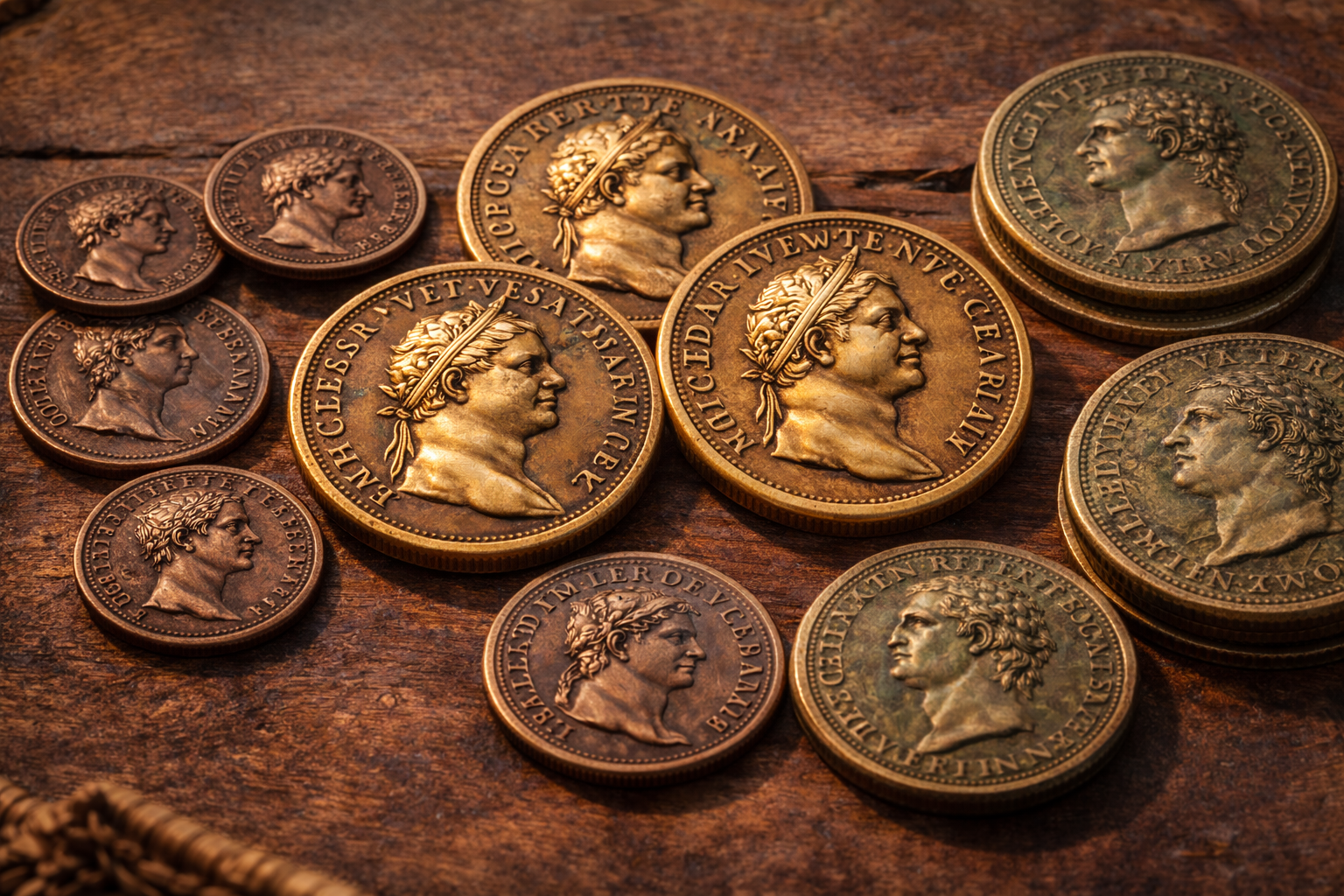
The dupondius belonged to the middle of daily life. Not the tiniest items, and not the biggest expenses. It was useful when a purchase was more than pocket change but still ordinary.
Reality Check
A coin does not need to be famous to be important. The dupondius mattered because it reduced friction. It made everyday pricing feel smoother and payments feel more accurate.
How people recognized it quickly
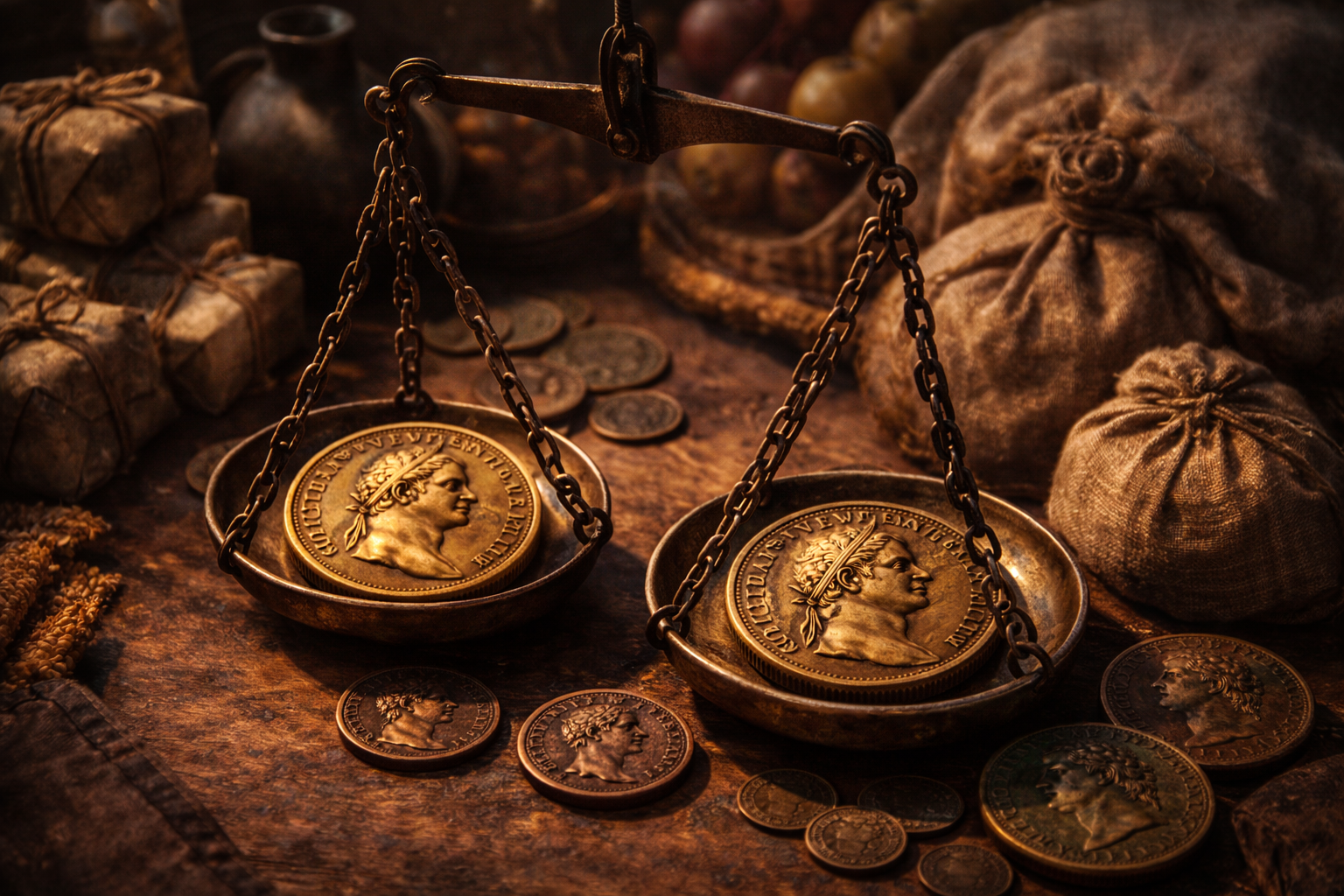
In a fast market, recognition matters. People want to verify a coin quickly and move on. Rome learned that a coin is more useful when it is easy to identify at a glance.
The dupondius often stood out in feel and appearance compared to smaller coins. That made it easier to sort in the hand and easier to accept without delay.
Where it fit inside Roman coinage
Roman money worked like a ladder. Each rung had a job. Small coins kept daily exchange moving. Larger coins handled heavier spending. The dupondius helped connect the lower rungs to the higher ones.
When that connection exists, the system feels natural. People can move up and down the ladder without confusion. That is what made everyday trade feel stable.
Dupondius Balance Table
This table shows how the dupondius made small and medium payments easier in daily Roman life.
Dupondius Balance Table
| Daily role | What it solved | What it reduced | Result in real life |
|---|---|---|---|
| Middle step coin | Payments between small and medium needs | Price gaps | Smoother everyday buying |
| Fairer pricing | More natural amounts for common goods | Overpaying | Better buyer confidence |
| Faster exchange | Less counting of tiny units | Slow transactions | Quicker market rhythm |
| Easy sorting | Clear difference from smaller coins | Confusion | More consistent acceptance |
| System connector | Bridge between low and higher bronze values | Awkward jumps | More usable coin ladder |
Related Roman Coins
Final Verdict
Final Verdict
The dupondius mattered because it filled a real everyday gap. It connected small purchases to medium payments without forcing awkward jumps. It made prices feel smoother, made payments feel fairer, and kept daily exchange moving at street speed. In the Roman economy, the dupondius was a quiet tool that made the whole system feel easier to live with.
Frequently Asked Questions
What was the dupondius used for
It was used for everyday payments that felt too large for the smallest coins and too small for larger bronze denominations.
Why did Rome need a middle coin
Because daily prices do not always fit neatly into tiny units. A middle coin reduces friction and keeps market exchange fast.
How did the dupondius help trade
It improved practical pricing and reduced awkward gaps, making ordinary buying and selling feel smoother.