How Trade Routes Shaped the Ancient World
Estimated reading time: 10 minutes.
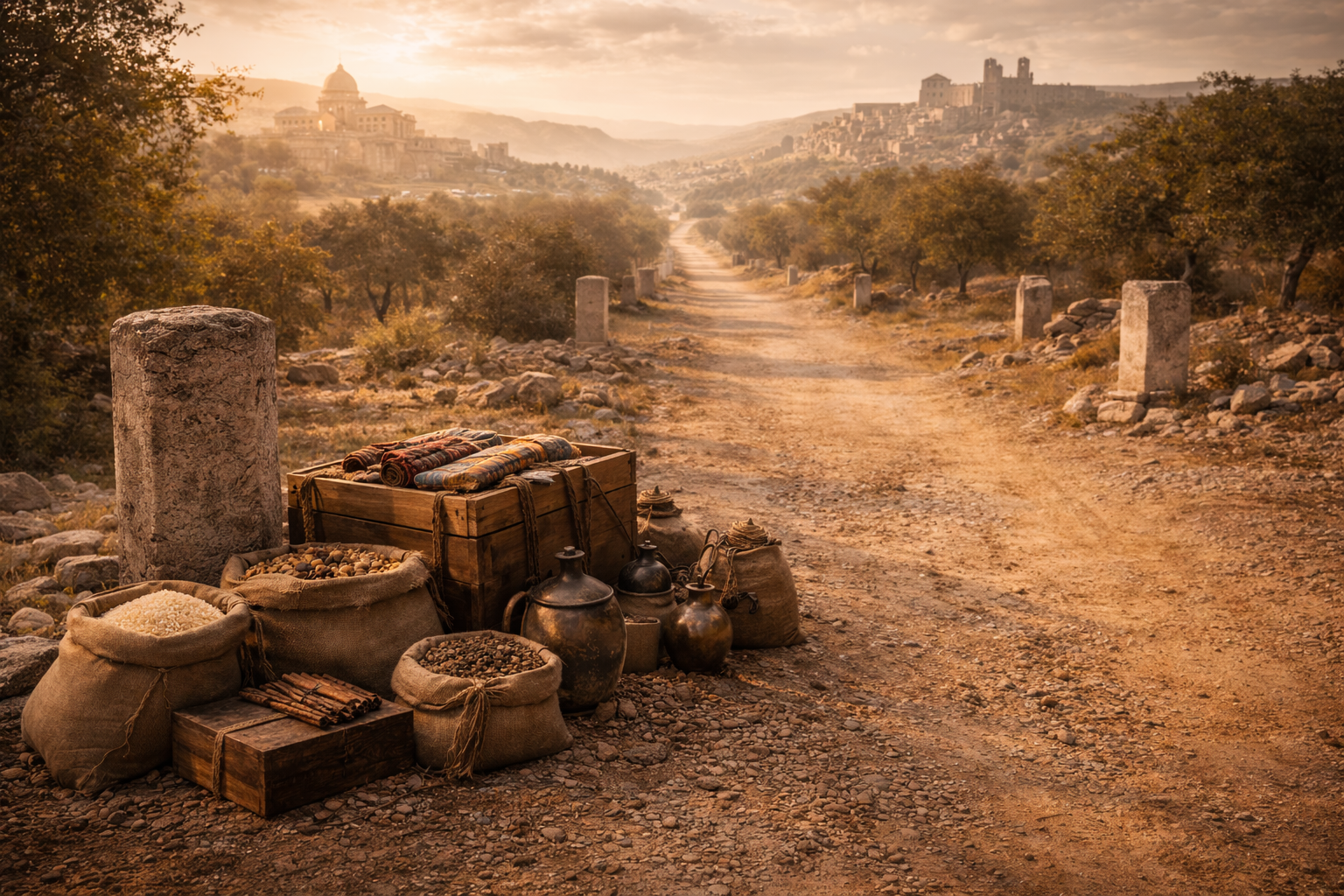
In the ancient world, a trade route was more than a road. It was a promise that someone far away would still be there. It was a pattern of risk repeated until it became normal. And once a route became normal, it started shaping everything around it.
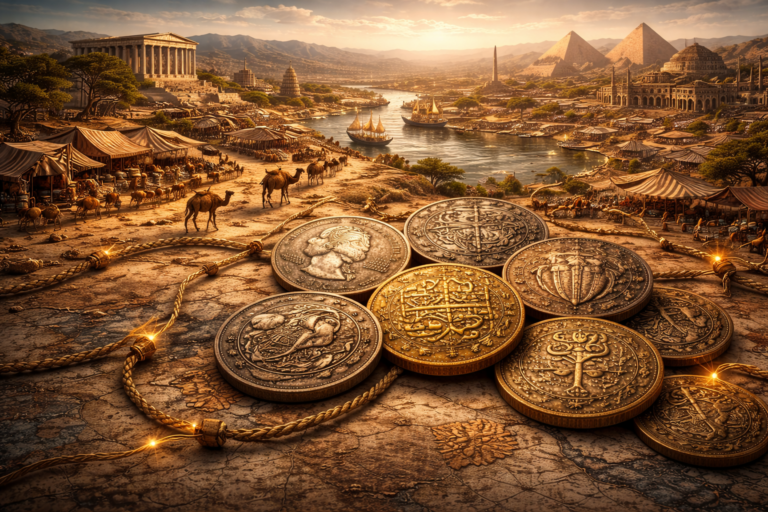
Trade routes shaped the ancient world quietly. Not in one dramatic moment. But through daily movement. Goods traveled, and with them traveled habits, ideas, techniques, and expectations. Civilizations changed because distance stopped being a wall and became a routine.
What this article explains
We explain how trade routes shaped the ancient world by creating reliable movement of goods, ideas, and human networks. This is historical and educational and avoids pricing or modern financial advice.
What a trade route really was
A trade route was not just geography. It was behavior. A repeated decision to move goods despite danger, weather, politics, and uncertainty.
When that decision was repeated enough times, it created something powerful. Predictability. And predictability turns trade into a relationship. Cities begin to expect certain goods. Merchants begin to plan around seasons. Local producers adjust what they make because they know what will sell.
A route becomes a nervous system. It connects distant places with a flow that can be felt even by people who never travel.
Movement that changed daily life
The simplest way to understand impact is to look at ordinary routines. What people ate. What they wore. What tools they used. What materials became normal.
Trade routes changed these routines because they expanded choice. A market that once offered only local goods begins to offer items with foreign textures and unfamiliar smells. Over time, the unfamiliar becomes normal. That is how the world changes.
Goods that carried culture
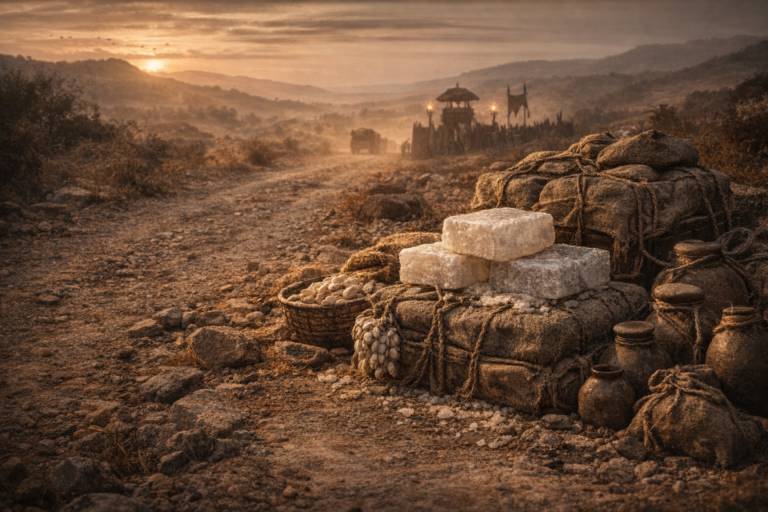
In ancient trade, goods were not silent objects. They carried style and technique. A pottery shape teaches you how another place stores food. A textile pattern teaches you what another place considers beautiful. A metal tool teaches you how another place solves daily problems.
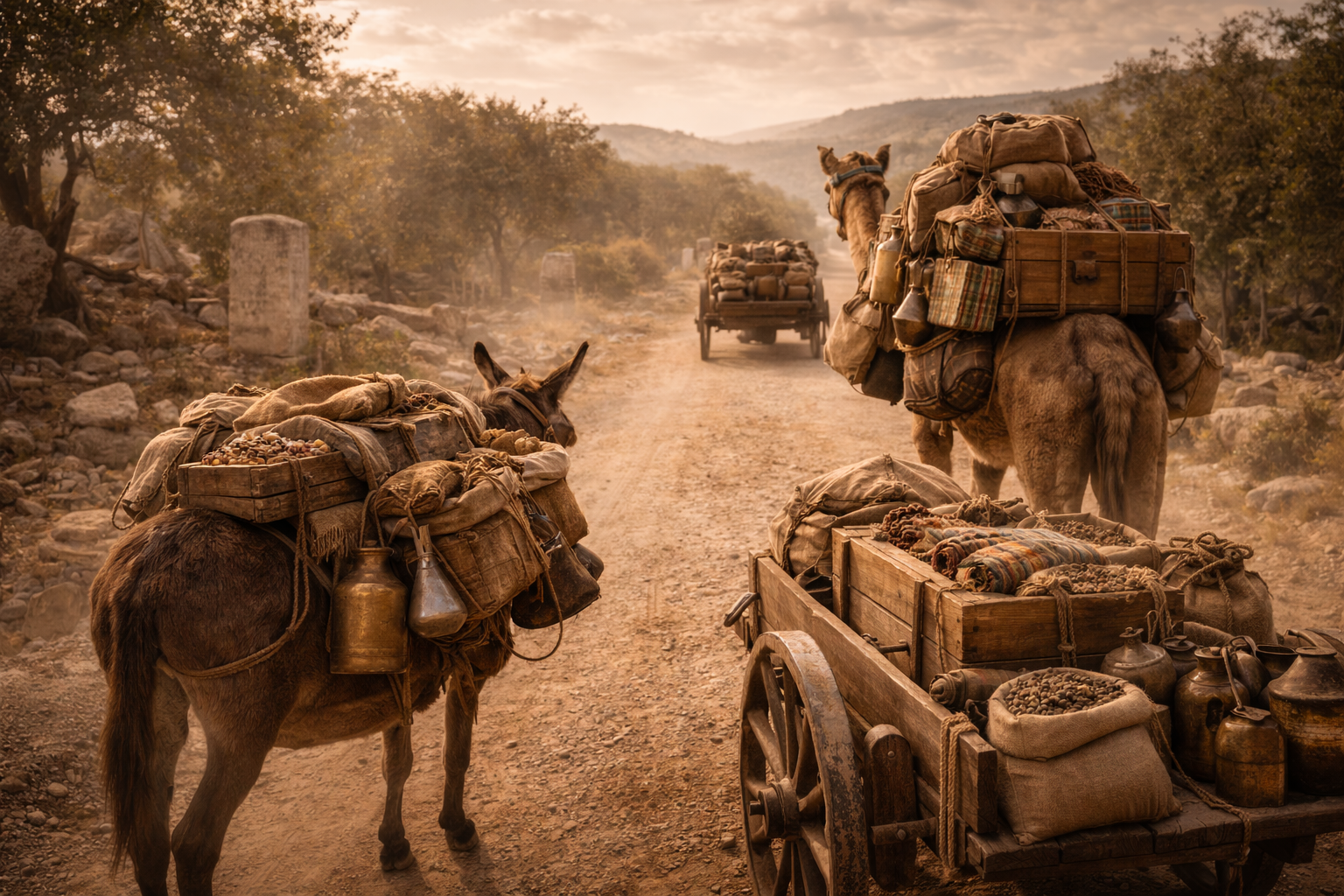
That is why routes shaped civilizations. Not only by feeding economies. But by feeding imagination. People begin to picture the wider world because pieces of it arrive in their hands.
Reality Check
Trade routes shaped the ancient world through reliability. A single successful journey matters, but repeated journeys create lasting change.
Crossroads where influence spread
The most powerful places on a route were not always the biggest cities. Often it was the crossroads. A meeting point where routes merged and choices were made.
Crossroads created mixing. Different merchants. Different languages. Different goods. That mixing produced new habits and new standards because people had to understand each other enough to trade.
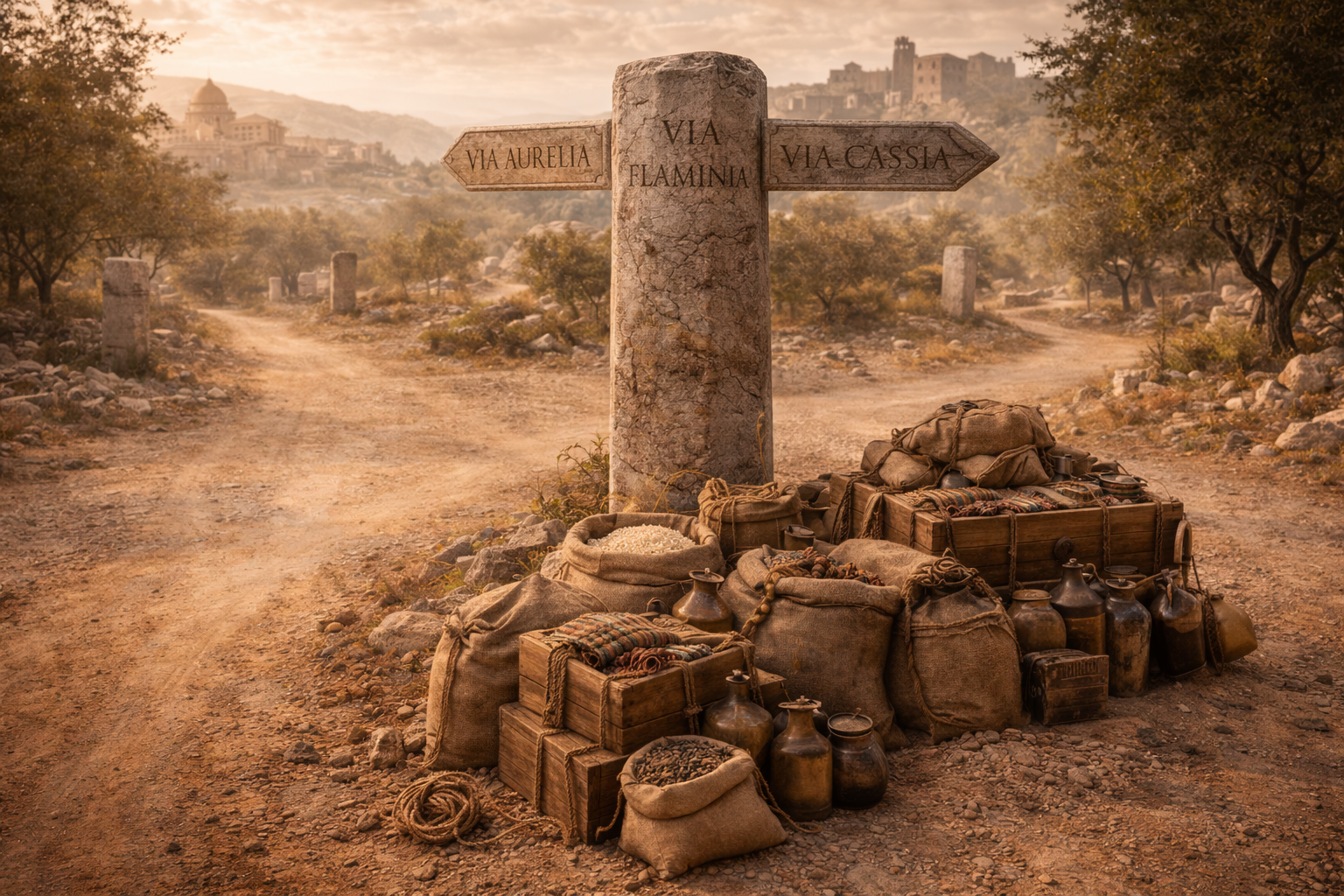
A crossroads also spreads ideas faster than politics. An empire may rise and fall, but a route that solves real needs often survives the change. That is why trade can outlast rulers.
Trust, standards, and repeat exchange
Long distance trade needs trust more than bravery. Is the weight honest. Is the container sealed. Will this deal be honored later.
Routes pushed societies toward shared standards. Measures. Seals. Familiar packaging. Repeated rituals that reduce uncertainty.
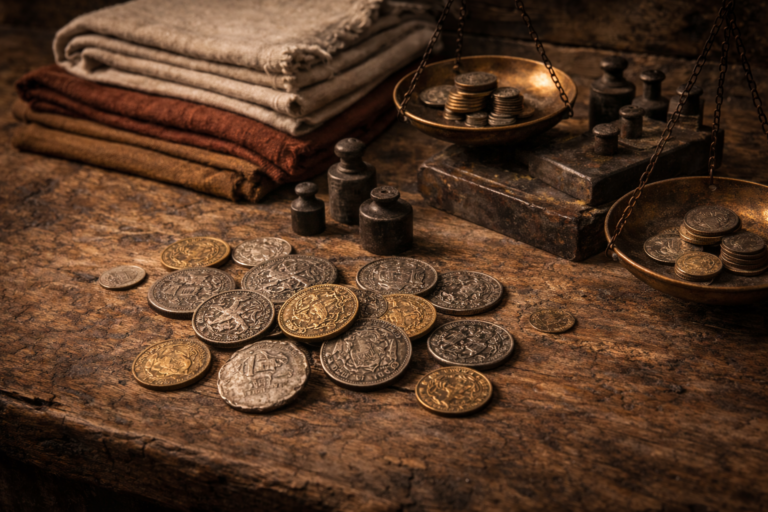
This is where money becomes a silent partner in trade. Coins and standard exchange tools made trade faster, but trust made it possible. If you want a connected perspective on everyday exchange inside one society, our Roman Coins series shows how routine trust works on the ground.
Trade Route Impact Table
This table is not about prices. It maps the main ways trade routes reshaped the ancient world through movement, standards, and everyday change.
Trade Route Impact Table
This table summarizes how routes changed daily life, markets, and long term development by making distant exchange predictable.
| Route effect | What changed | Daily result | Long term impact |
|---|---|---|---|
| Reliable movement | Goods arrived repeatedly | Markets expanded choice | Trade became a stable relationship |
| Crossroad mixing | Groups met and negotiated | New habits formed | Cultures influenced each other |
| Shared standards | Measures and trust improved | Deals became faster | Exchange became scalable |
| Skill transfer | Techniques traveled with goods | Local production changed | Innovation spread across regions |
| Information flow | News and ideas moved | People adapted faster | Worldviews expanded over time |
Related Roman Coins
Final Verdict
Final Verdict
Trade routes shaped the ancient world by turning distance into routine. They moved goods, but they also moved habits, standards, and ideas. When movement became reliable, markets expanded, cultures mixed, and daily life changed quietly. That is what shaped civilizations for centuries.
Frequently Asked Questions
What made an ancient trade route successful
Reliability. When routes delivered goods repeatedly, people began to plan around them and trust the exchange enough to expand trade.
Did trade routes spread ideas as well as goods
Yes. Goods carried techniques and habits, and merchants carried stories and knowledge that shaped how societies viewed the wider world.
Why were crossroads important in ancient trade
Crossroads allowed routes to merge, bringing different groups together and accelerating cultural mixing and the spread of standards.