How Trust Made Ancient Trade Possible
Estimated reading time: 10 minutes.
Ancient trade looks impossible at first glance. Two strangers meet. They speak different languages. They traveled through danger. They carry goods that matter for survival. And yet they still agree to exchange.
That agreement was not magic. It was trust. Not perfect trust. Practical trust built from small tools that made cheating harder and fairness easier. Without trust, trade collapses into fear. With trust, strangers become repeat partners and routes become stable.
What this article explains
We explain how trust made ancient trade possible through reputation, shared standards, witnesses, seals, and repeat exchange that reduced uncertainty.
Why trust was the real currency
In ancient trade, money helped, but trust made exchange possible. You can carry coin. You cannot carry certainty.
Traders needed to believe that a weight is honest, a container is sealed, and an agreement will not vanish the moment someone turns away. That belief did not come from hope. It came from systems.
These systems were simple, but powerful. They reduced the chance of fraud and made fairness easier to prove.
Reputation as protection
Reputation was one of the strongest protections in the ancient world. If you cheated someone once, you might win that day and lose every future opportunity.
Markets were social spaces. People watched. People talked. News traveled with merchants faster than many rulers could control. A bad reputation could block access to deals long before any formal punishment existed.
That is why many merchants treated honesty as strategy, not kindness. The long game mattered.
Standards that made deals feel fair
The most common fear in trade is unfair measurement. Ancient markets fought that fear with standards. Weights, measures, and familiar tools that created shared expectations.
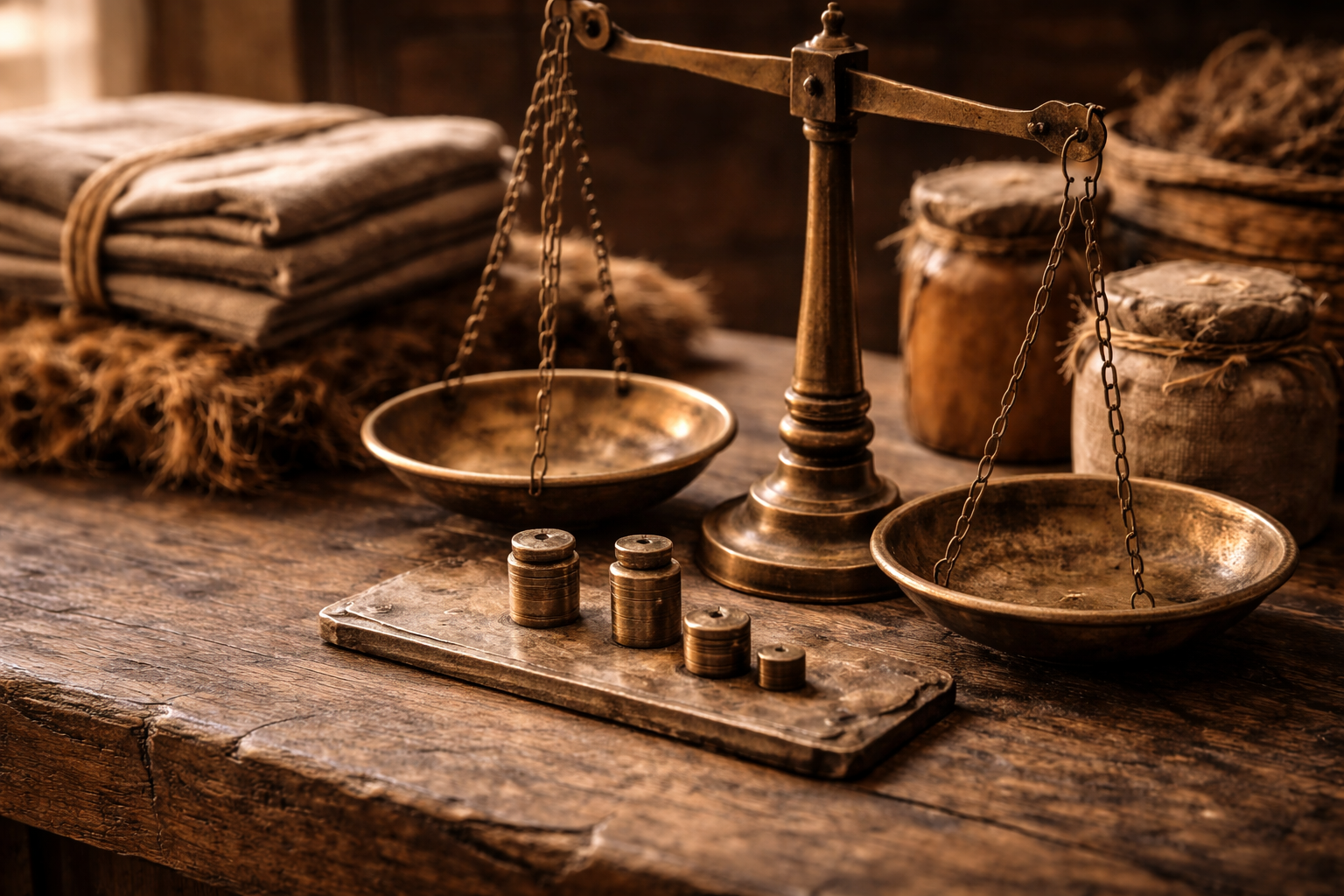
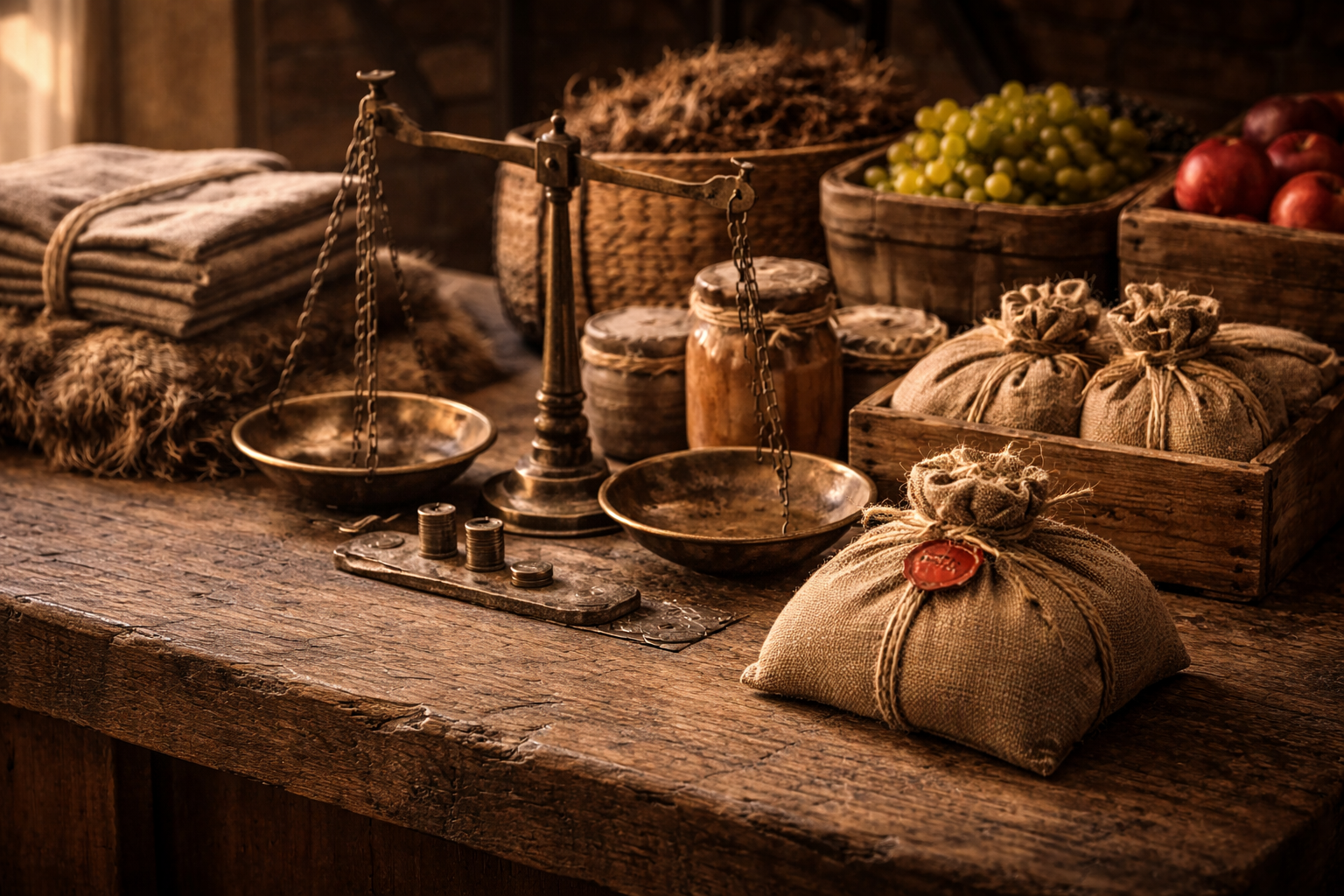
A scale is not only a tool. It is a message. It says this deal is visible. It says fairness can be checked. It calms both sides enough to move forward.
Reality Check
Ancient trade did not rely on perfect honesty. It relied on systems that made dishonesty costly and easy to expose.
Seals, tags, and proof
Seals and tags were practical tools of trust. A seal told a buyer that a container had not been opened. A mark identified ownership. A tag helped track goods across distance.
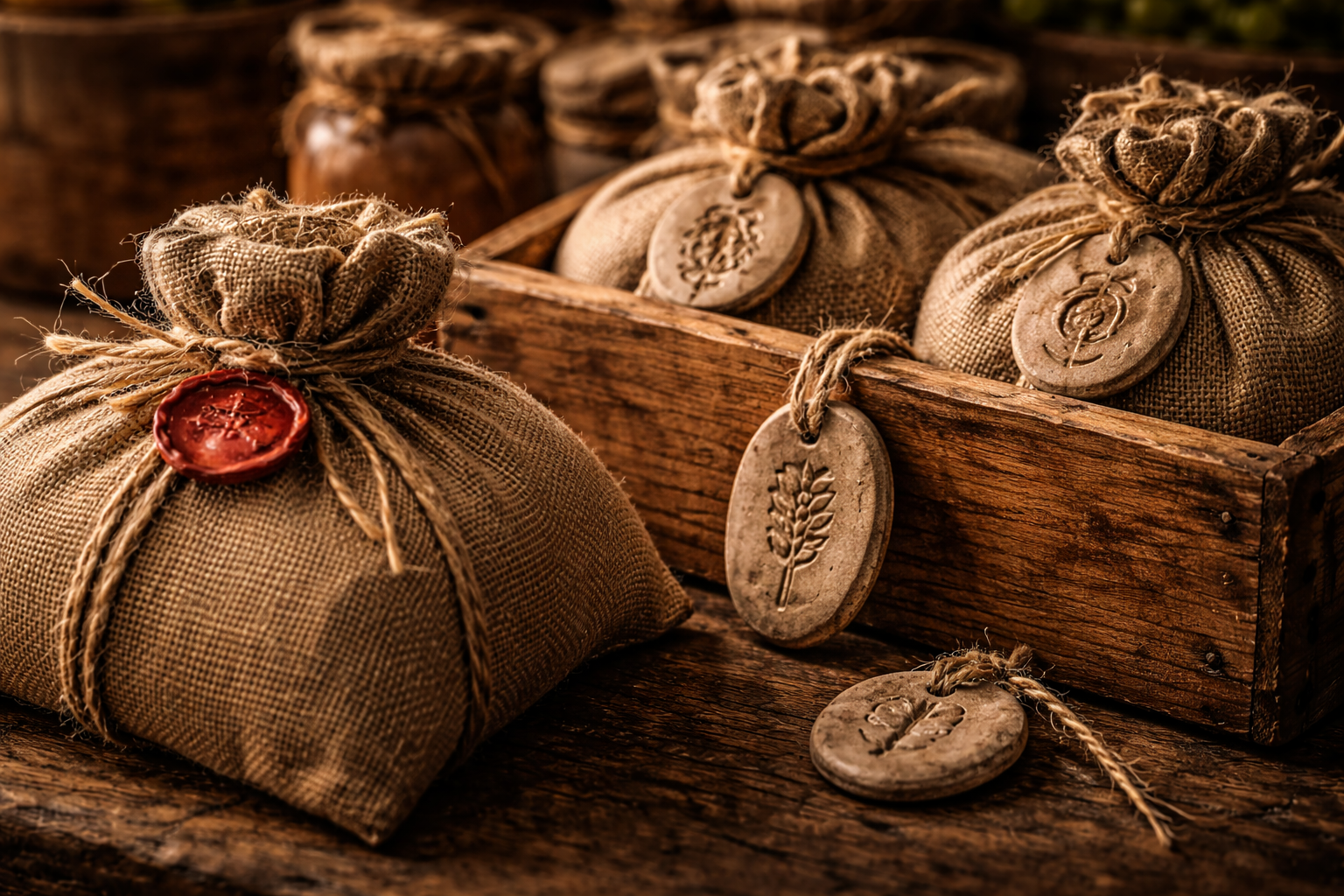
These details look small. But they solved big problems. They reduced argument. They reduced suspicion. They allowed exchange to happen faster.
Witnesses and public agreement
Many deals were made in public for a reason. A witness is a form of security. A public agreement is harder to deny.
In a busy market, witnesses were everywhere. That made cheating riskier. It also created a shared memory of what happened.
Repeat exchange created stability
The strongest trust comes from repetition. A deal succeeds once. Then again. Then it becomes expected.
Once expectations are stable, trade routes become predictable. Predictability turns trade from gamble into system. This is how markets stay alive for generations.
Trust Building Table
This table maps the simple tools that built trust in ancient trade and explains why they worked.
Trust Building Table
| Trust tool | How it worked | What it reduced | Result in the market |
|---|---|---|---|
| Reputation | News about behavior traveled | Repeat cheating | More repeat partners |
| Scales and weights | Fairness could be checked | Measurement disputes | Faster agreements |
| Seals and tags | Ownership and integrity proved | Theft and fraud | More confidence in goods |
| Witnesses | Public memory of deals | Denial and conflict | Stronger accountability |
| Repeat exchange | Proof over time | Fear of strangers | Stable trade routes |
Related Trade Articles
Final Verdict
Final Verdict
Trust made ancient trade possible because it reduced fear. Reputation punished dishonesty. Standards made fairness visible. Seals and tags protected goods. Witnesses created accountability. And repeat exchange turned strangers into partners. Trade survived because trust became routine.
Frequently Asked Questions
How did ancient traders trust strangers
Through reputation, shared standards, witnesses, and repeat exchange that made cheating costly and easier to expose.
Why were scales and weights important in ancient markets
They made fairness visible. When measurement can be checked, deals become faster and disputes become less common.
What role did seals play in trade
Seals helped prove ownership and protect containers from being opened, reducing fraud and loss during long routes.