The Quiet History of Everyday Money
Estimated reading time: 19 minutes
Money rarely announces itself. It does not arrive with speeches, flags, or ceremonies. For most of human history, money entered life quietly—through markets, wages, debts, favors, and survival.
The history of everyday money is not a story of kings or empires alone. It is a story of ordinary routines: buying food, paying rent, saving for winter, surviving bad weeks, and planning uncertain futures.
Why everyday money matters
Grand currencies reflect power. Everyday money reflects life. To understand how societies truly functioned, we must follow the quiet flow of money through ordinary hands.
Life Before Coins
Before coins existed, people still exchanged value every day. Food, tools, labor, protection, and shelter were traded through relationships and trust. This system worked—until societies grew larger and more complex.
As populations expanded, memory failed. Who owed whom? How much labor equaled a sack of grain? Barter depended heavily on familiarity. Strangers broke the system.
Why Money Was Invented
Money did not appear to create wealth. It appeared to reduce friction.
Everyday money allowed people to trade without knowing each other. It replaced memory with measurement. It replaced trust with standardization.

Reality Check
Money did not simplify life overnight. It reorganized it. Every improvement came with new risks and new dependencies.
Barter, Trust, and Limits
Barter survives best in small communities. Once distance grows, trust weakens. Money allowed exchange across space, time, and culture.
The Power of Small Money
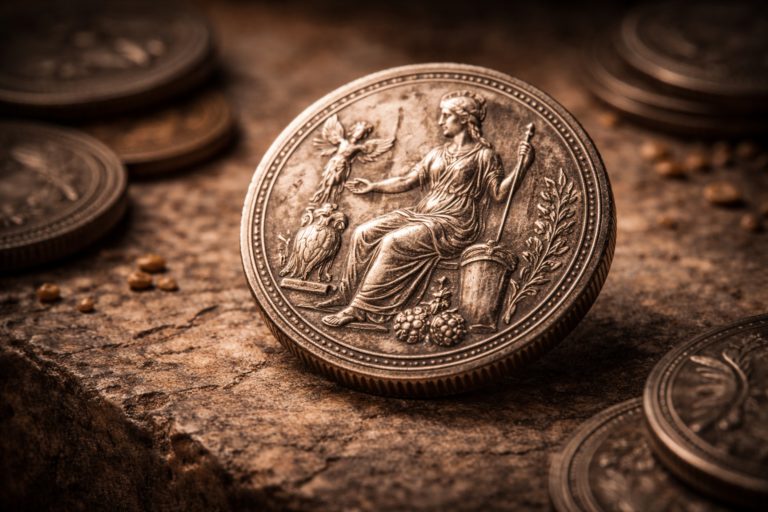
Large coins attract historians. Small coins built societies.
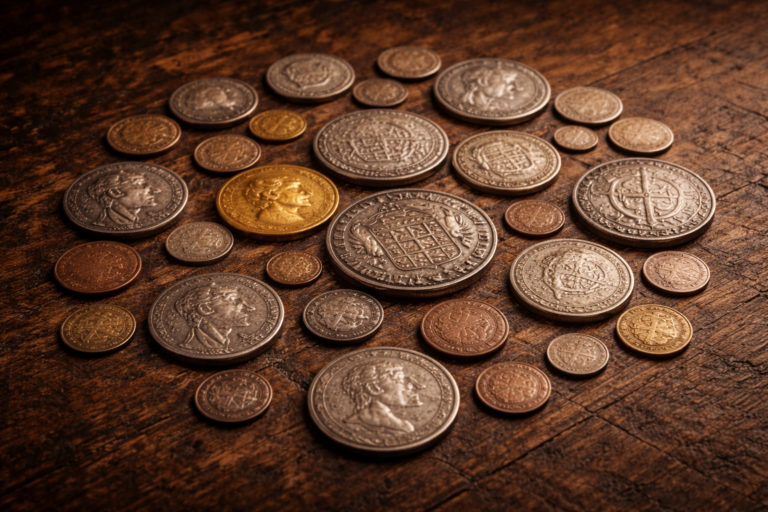
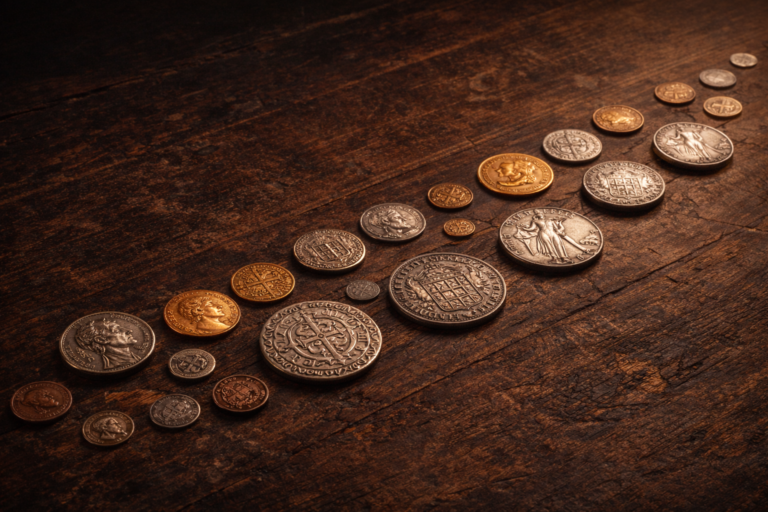
Everyday money lived in small denominations—used for bread, salt, oil, and rent. These coins dictated rhythm. They decided whether life felt stable or fragile.
Markets as Social Engines
Markets were not only economic spaces. They were social theaters. Information traveled with money. Prices reflected fear, abundance, and rumor.
Wages, Labor, and Time
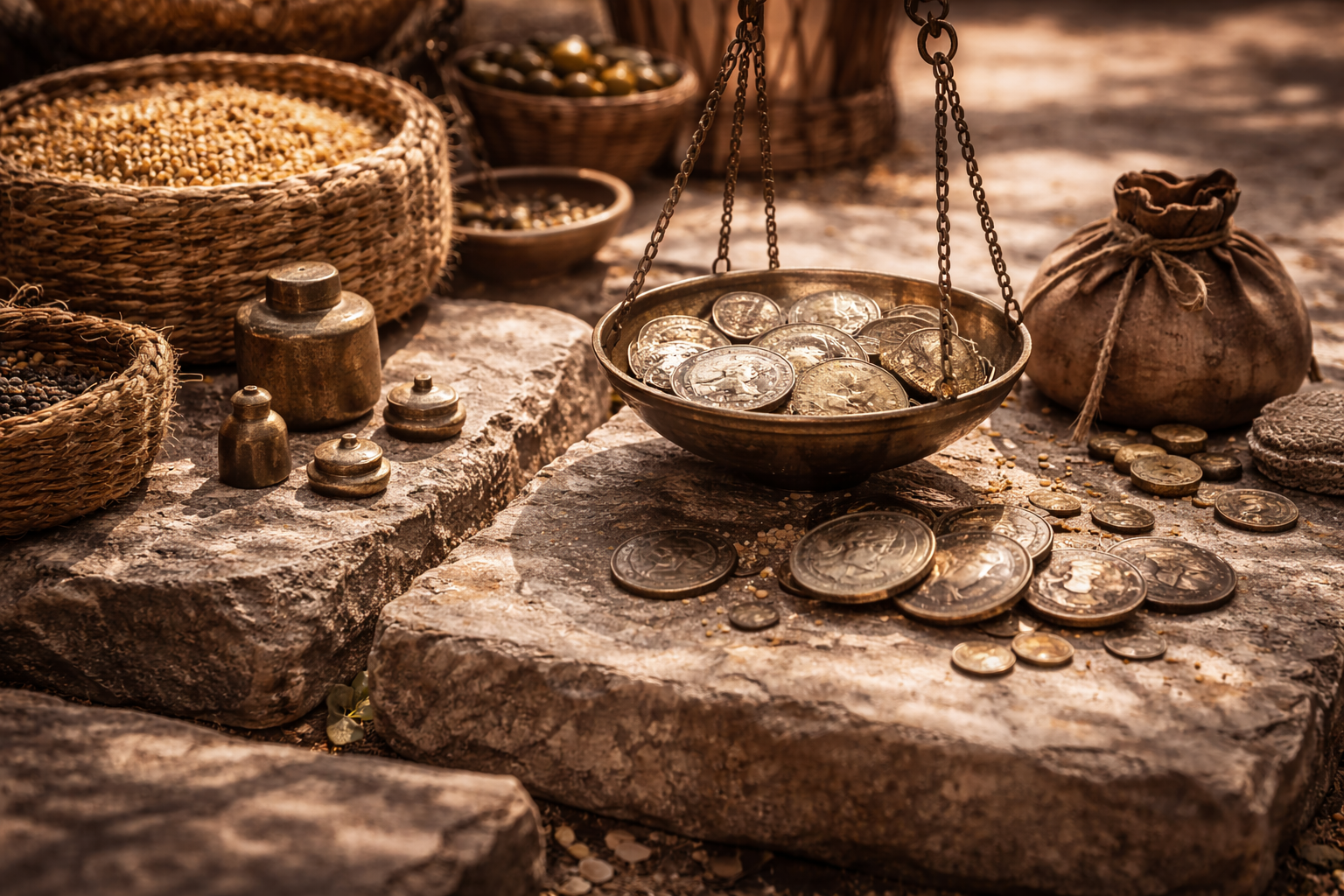
When work is paid in coins, time becomes tangible. Labor is no longer abstract. It can be counted.
This changed how people valued effort. It also exposed inequality. Some could save. Others could only circulate.
Fear of Instability
Nothing frightened ordinary people more than unstable money. Debasement, shortages, or sudden changes created panic.
How Money Shaped Habits
Money trains behavior. Saving, spending, hoarding, sharing—all emerge from everyday interaction with currency.
The Psychology of Everyday Exchange
Money carries emotion. Relief. Anxiety. Hope. Shame.
Everyday money shaped how people planned futures, judged risk, and understood security.
Echoes in the Modern World
Modern digital money moves faster, but the psychology remains unchanged. People still seek stability, trust, and predictability.
Final Verdict
The history of everyday money is quiet because it was constant. It shaped lives without ceremony, guided behavior without speeches, and held societies together one transaction at a time. To understand humanity, follow the money that no one talks about.
Share and Reflect
Share this article if it changed how you think about money—not as wealth, but as routine.
Article link:
The Quiet History of Everyday Money
Reflection question: What form of everyday money shapes your life today without you noticing?
About PastMint
PastMint
PastMint explores the hidden stories behind money, symbols, and everyday objects. We focus on how ordinary systems quietly shaped civilizations—without spectacle, but with lasting power.