What Coins Meant to a Poor Roman Citizen
Estimated reading time: 15 minutes.
Not every Roman lived with comfort.
Some woke up with only a few coins. And no certainty about the next meal.
For them, money was not about wealth. It was about getting through the day.
What this article explains
This article explores what coins meant to poor Roman citizens and how small money shaped survival, food, and daily decisions in ancient Rome.
- What a coin really represented
- Daily life built on small money
- What coins could actually buy
- The constant risk of loss
- Why small coins mattered most
- How daily use shaped the system
- Table of daily coin meaning
- Reality Check
- Final Verdict
- FAQ
What a coin really represented
To the wealthy, coins stored value.
To the poor, coins were immediate.
They meant food.
They meant access.
They meant one more day without hunger.
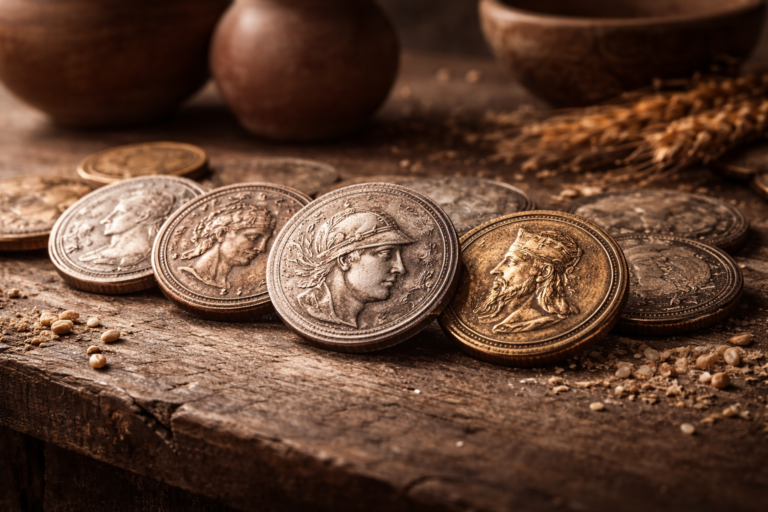
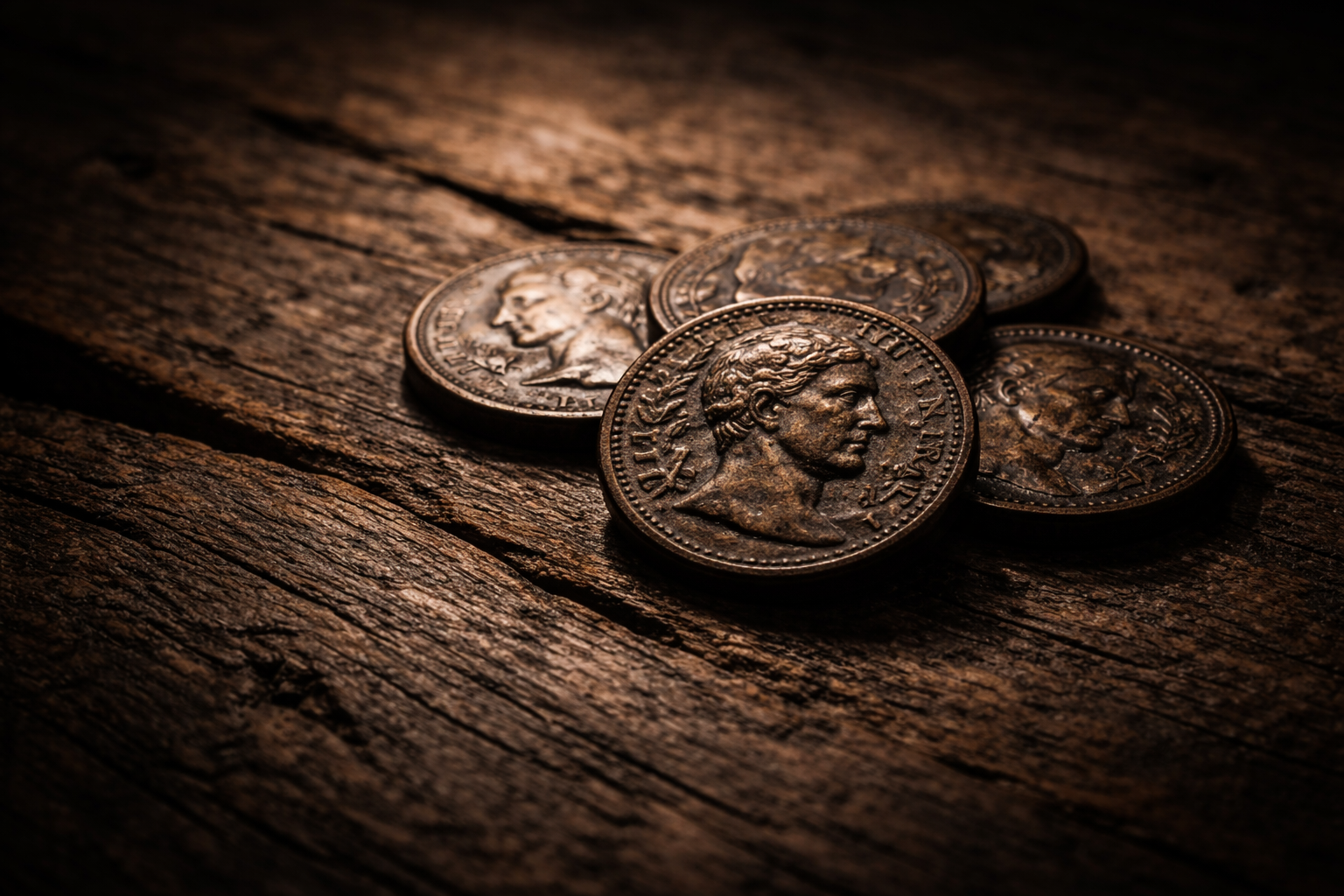
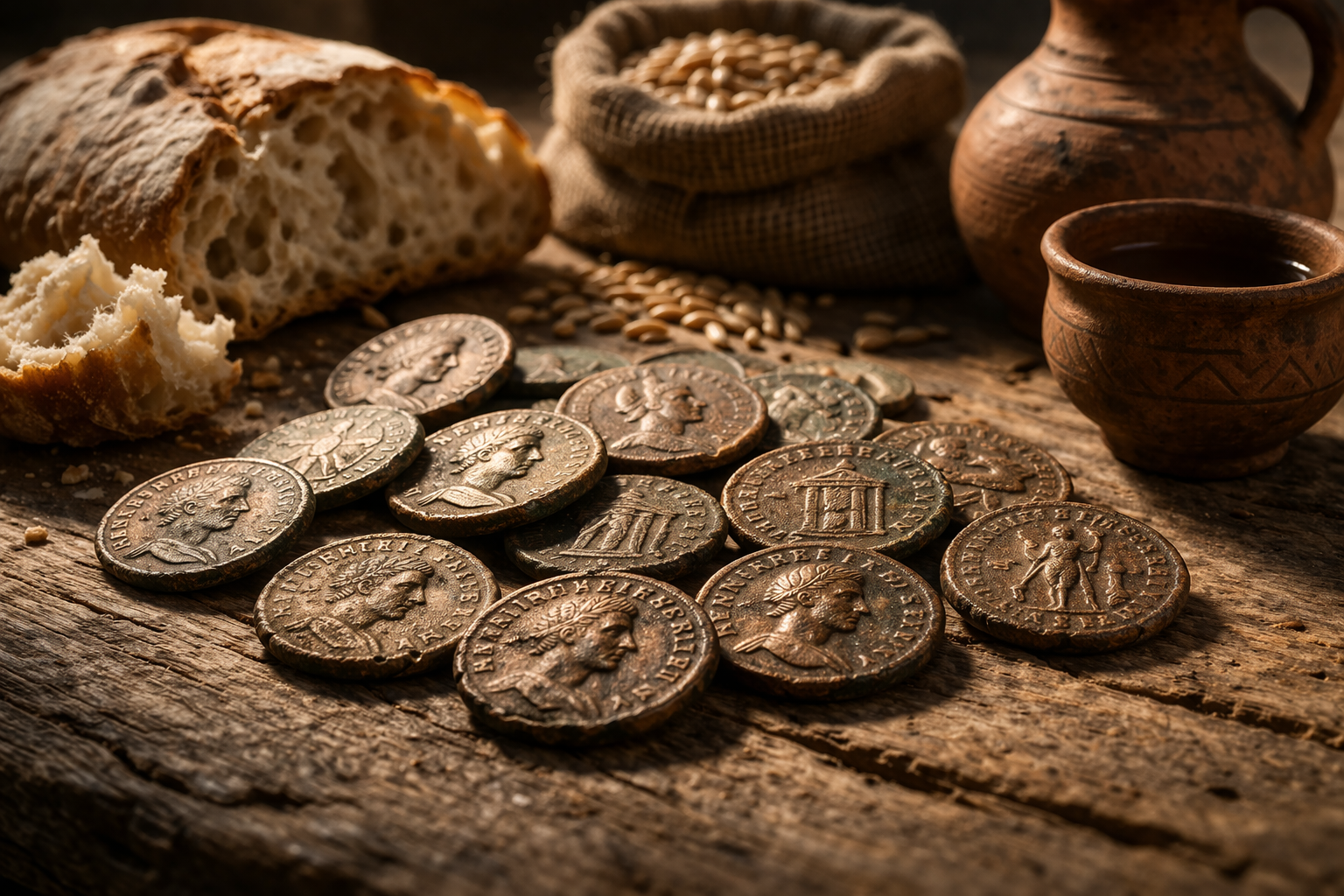
Most of these coins were bronze. Small. Worn. Used again and again.
They were not impressive. But they were essential.
Daily life built on small money
Life in Roman cities moved through markets.
Food was not stored long.
It was bought daily.
Coins made that possible.
A person needed coins every day. Not occasionally.
As shown in daily Roman life , small transactions shaped routine.
And routine defined survival.
What coins could actually buy
Coins had clear meaning.
They were tied to real things.
Bread. Oil. Simple goods.
Even the smallest coins had purpose.
They allowed participation in the market.
Without them, trade stops.
The Roman system depended on this structure.
You can understand the broader system through the Roman currency system .
The constant risk of loss
Losing a coin today is small.
In Rome, it was serious.
There were no backups.
No safety nets.
Each coin had immediate value.
Losing it meant losing opportunity.
Sometimes losing food.
That is why coins were protected. Handled carefully. Spent with thought.
Why small coins mattered most
Large coins represented wealth.
Small coins represented life.
They moved constantly.
From hand to hand. From market to market.
They connected people.
They enabled exchange.
They kept the system alive.
Their importance was not in value. But in function.
How daily use shaped the system
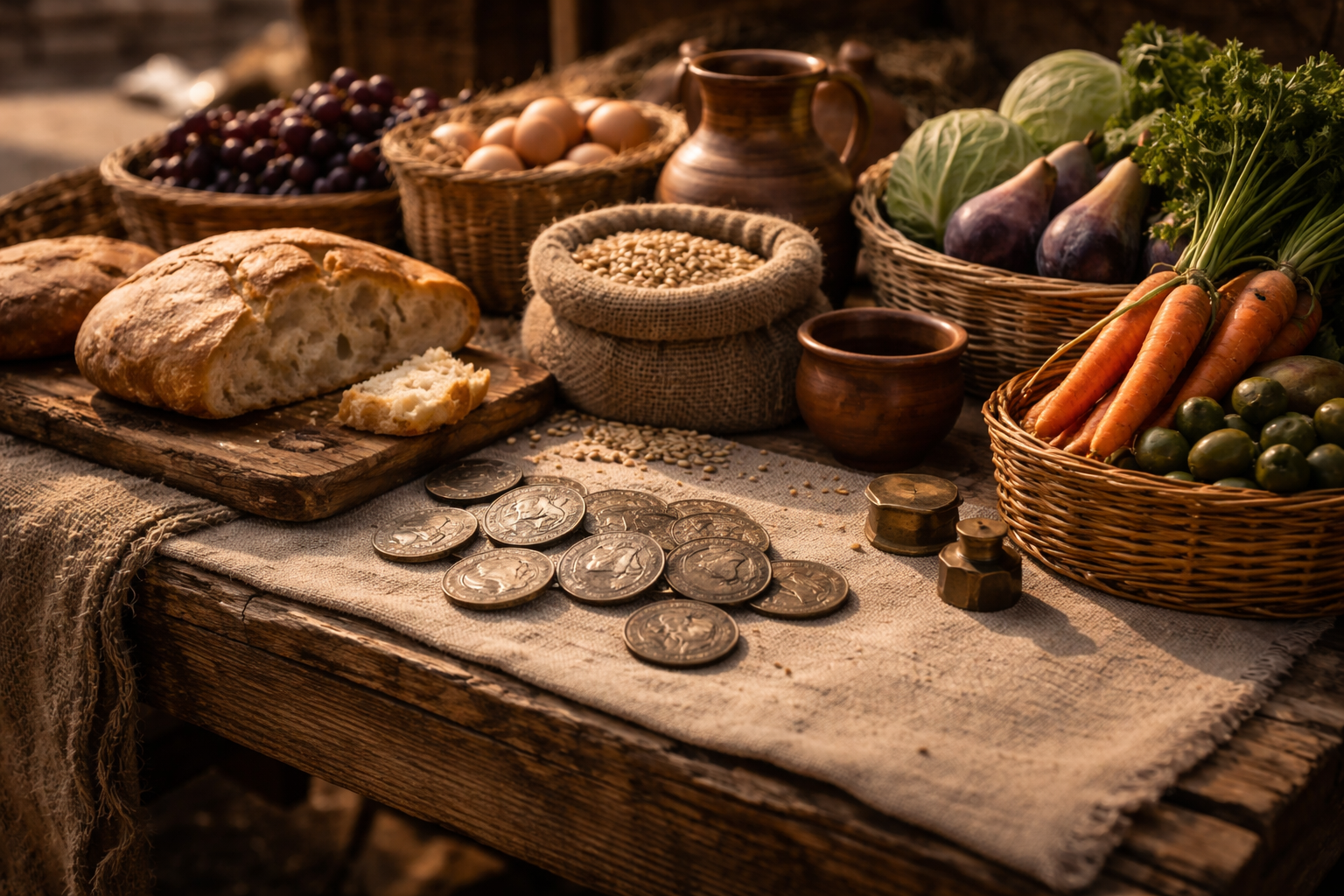
A system becomes strong through repetition.
Coins were used constantly.
That built trust.
As explained in trust without banks , people accepted coins without hesitation.
This created flow.
And flow creates stability.
Table of daily coin meaning
| Situation | Coin Role | Impact |
|---|---|---|
| Buying food | Direct exchange | Survival |
| Small services | Quick payment | Access |
| Daily market use | Continuous flow | Economic activity |
| Saving coins | Short-term value | Limited security |
| Losing coins | Immediate loss | Risk of hardship |
Reality Check
Roman coins were not equal in meaning for everyone. For the poor, even the smallest coin carried real weight and immediate consequences.
“A small coin in ancient Rome was not small at all. It was a full day of survival.”
Final Verdict
Roman coins built an empire.
But their deepest impact was not in power.
It was in daily life.
In the hands of ordinary people.
In small exchanges.
In quiet moments of survival.
FAQ
What coins did poor Romans use
Mostly small bronze coins used for daily transactions.
Could one coin buy food
Yes, small coins were enough for basic goods like bread.
Why were small coins important
Because they enabled daily life and constant market activity.