What Coins Taught People About Power and Belonging

Estimated reading time: 18–20 minutes.
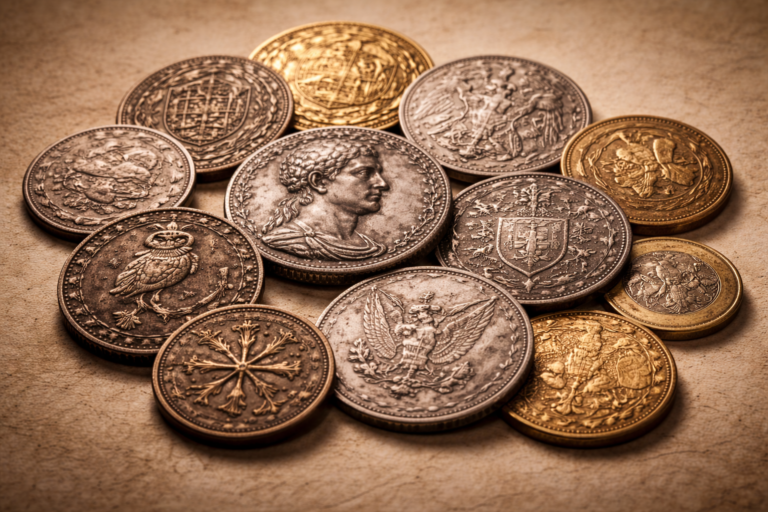
Coins never carried meaning only through metal. They carried meaning through recognition. A coin could tell you who held power, who belonged, and what kind of world you were living in, often before you heard any official announcement. Long before newspapers and mass education, coins became one of the most repeated messages a society could hold in its hand.
This article explores what coins taught people about power and belonging, and why everyday money became one of history’s quiet teachers.
Quick Context
This piece sits inside the Coin Meanings category, but it connects naturally to the Flemish Coins series. If you want to see how trust formed without institutions, read How Flemish Coins Built Trust Before Modern Banking. If you want to see how coins shaped daily behavior in markets, continue with How Flemish Coins Shaped Market Behavior. These two ideas, trust and behavior, help explain why meaning on coins mattered so much.
Coins as Everyday Messages
Most historical messages were not repeated. A proclamation could be read once, heard once, and forgotten by most of the population. Coins were different. Coins repeated themselves.
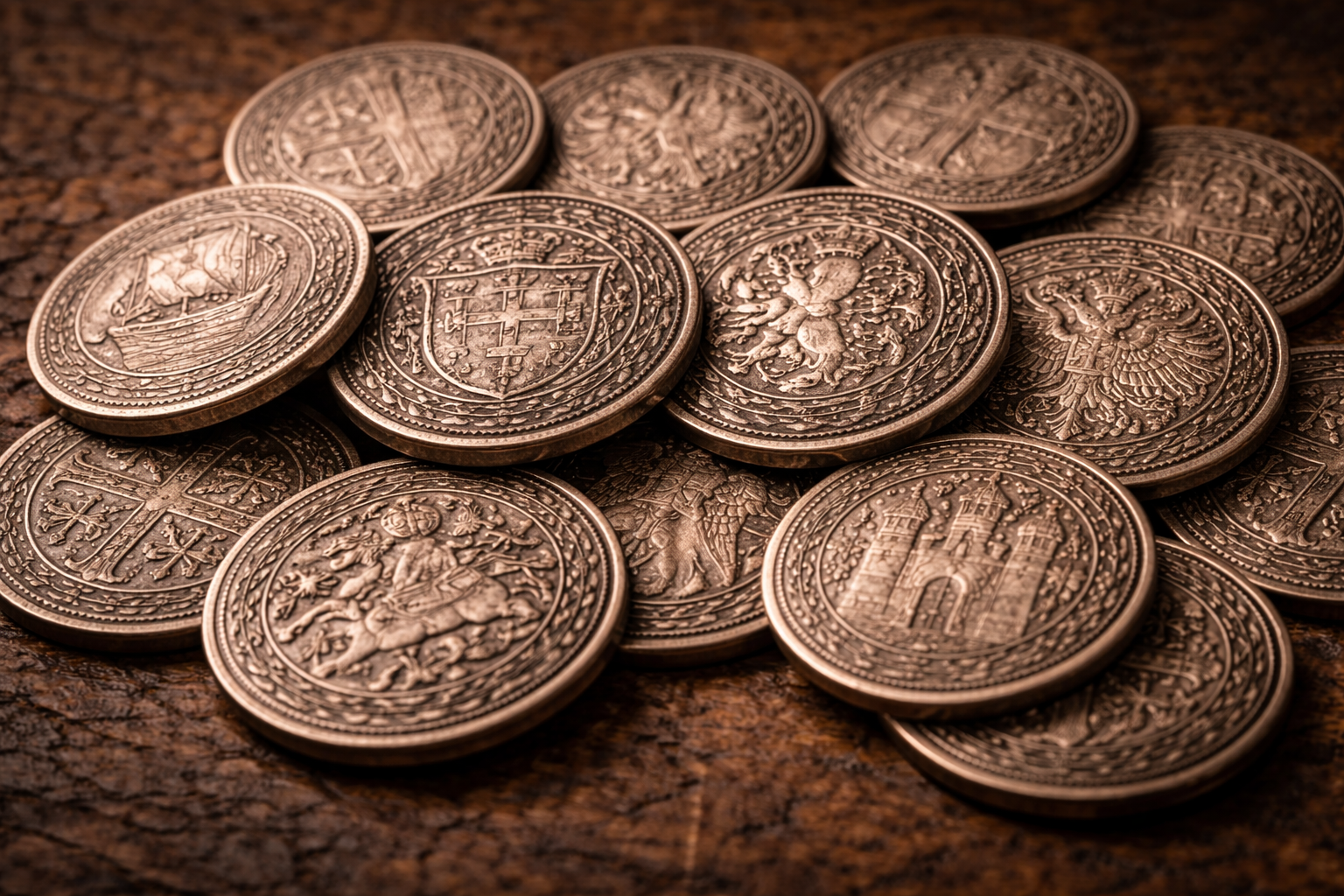
A coin was touched daily. It passed through hands at the market, in wages, in small debts, and in quiet personal exchanges. That repetition turned coin imagery into one of the most consistent signals in public life.
Even when people did not fully understand the politics behind a symbol, they learned to recognize it. Recognition is powerful. It shapes perception. It shapes behavior. Over time, it shapes belonging.
A coin was not only money. It was a repeated message that trained the eye to recognize authority.
Power You Could Hold
Power can feel distant. It can feel like something that happens in castles, councils, or cities far away. Coins brought power into everyday life.
When a coin carried an emblem, a portrait, or a recognized sign of authority, it made power tangible. People might never meet a ruler. They might never see a flag, a seal, or an official building. But they would see the coin. They would feel it. They would accept it.
In that sense, coins trained people to associate authority with a certain look. The message was subtle but consistent. This is what belongs. This is what is accepted. This is what holds the market together.
Power does not need to shout when it can repeat. Coins were repetition.
Why Images Worked Better Than Words
Images work across literacy levels. They work across dialects. They work across quick glances.
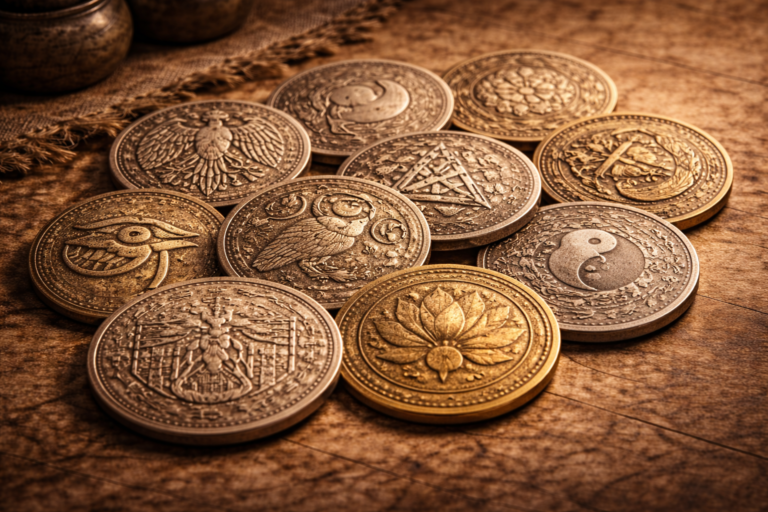
Many people in medieval Europe could not read long texts. But they could read shapes. They could recognize a symbol. They could remember a familiar pattern.
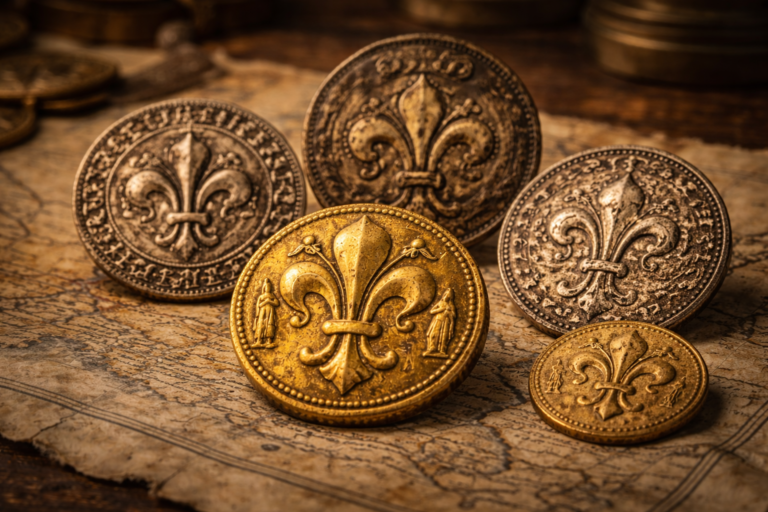
Coins relied on this human skill. A coin did not need to explain itself. It only needed to be recognizable enough to signal legitimacy.
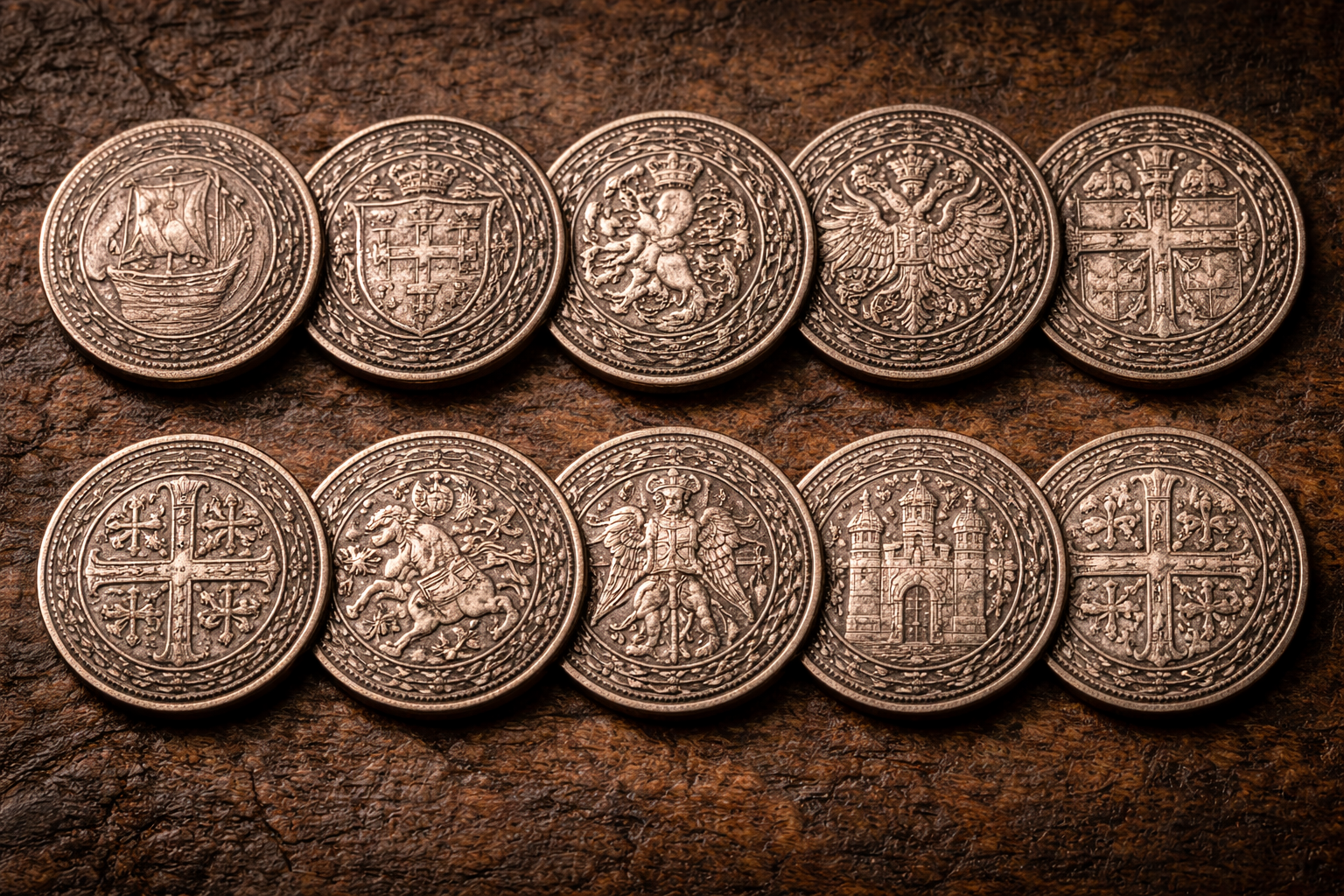
This is why coin meanings often outlasted the rulers who made them. People remember images longer than they remember names. They remember a pattern that works in daily life. They remember what signals acceptance.
Belonging Through Familiar Money
Belonging is often built through shared objects. Language is one. Clothing can be one. Money is one of the most overlooked.
When a community uses the same coins, it shares a rhythm. People recognize what belongs in their market. They recognize what feels normal. They recognize what feels foreign.
This is not only economic. It is psychological. A familiar coin can make a transaction feel calm. An unfamiliar coin can make the same transaction feel uncertain.
Over time, familiar money becomes part of community identity. It becomes a small marker of who is inside the system and who is outside it.
Reality Check
Belonging is rarely announced. It is usually repeated. Coins helped societies repeat recognition until recognition felt natural.
Repetition as a Teacher
One reason coins taught meaning so effectively is simple. People saw them constantly.
Think about daily life. Wages, market purchases, rent payments, small debts, gifts, tips, and countless tiny exchanges. Coins were present in all of them.
This repetition created learning without lectures. People learned what power looked like. People learned what legitimacy looked like. People learned what belonging felt like.
Even if a coin’s message was never discussed, it was absorbed. That is how culture often works.
Identity, Borders, and Recognition
Coins also trained people to recognize borders, even when borders were not clean lines on a map. If you traveled and your familiar coin suddenly caused hesitation, you felt the edge of belonging.
That hesitation shaped behavior. People prepared different coins for travel. They asked locals what was accepted. They learned quickly what belonged and what did not.
In this way, coins did more than represent an economy. They represented an identity system. A coin could quietly say, this is ours. Another coin could say, this comes from elsewhere.
Meaning in Market Life
The market was where meaning became practical. Meaning was not only symbolic. Meaning changed how people acted.
A coin that looked legitimate encouraged quicker acceptance. A coin that looked unfamiliar encouraged negotiation. A coin associated with trust encouraged smoother behavior.
That is why meaning and behavior belong together. If you want to explore that link in detail, this article shows how coins shaped the market’s unwritten rules: How Flemish Coins Shaped Market Behavior.
Why Meaning Strengthened Trust
Meaning strengthens trust because it makes legitimacy feel familiar. A trusted coin is not only a correct weight. It is a recognized message.
When people see an emblem they associate with stability, they relax. When they see a design that has circulated for years, they feel less risk. Meaning becomes comfort. Comfort becomes trust.
This is why trust can grow even without institutions. It grows through repeated recognition. If you want the full trust story in a pre banking world, this earlier piece connects directly: How Flemish Coins Built Trust Before Modern Banking.
Final Verdict
Final Verdict
Coins taught people about power by making authority visible and repeatable in daily life. They taught belonging by creating familiar signals that shaped acceptance, confidence, and behavior. Long before mass communication, coin imagery became one of the most consistent ways societies trained recognition, trust, and identity.
Frequently Asked Questions
What does coin meaning actually include?
Coin meaning includes the symbols, designs, and familiar signals that shape how people interpret authority, identity, and legitimacy through everyday money.
How did coins teach power to ordinary people?
By repeating the same imagery in daily transactions. People learned to recognize authority through what the market accepted again and again.
How did coins create a sense of belonging?
Shared coin use created familiarity. Familiar money reduced uncertainty and helped communities feel like they belonged to the same economic and social rhythm.
Is this article safe for AdSense?
Yes. It is educational and historical, and it does not discuss pricing, valuation, or financial advice.