What Made Roman Coins Stable for Centuries
Estimated reading time: 14 minutes.
Some things in history appear strong for a moment. Then disappear.
Roman coins were different. They lasted. They worked. For generations.
Not by accident. But because the system behind them was built to survive.
What this article explains
This article explains what made Roman coins stable for centuries and how structure, trust, and consistent design created one of the most reliable monetary systems in history.
- What stability in money really means
- The role of consistent metal value
- Standardization and control
- Authority and enforcement
- Daily use as a stabilizing force
- Expansion without collapse
- Trade and system strength
- Table of stability factors
- Reality Check
- Final Verdict
- FAQ
What stability in money really means
Stability is not about perfection.
It is about reliability.
A stable coin is one people can trust. One they can use without hesitation.
In Rome, coins reached that level.
They became predictable. Consistent. Recognizable.
Coins like the denarius played a central role in that system.
The role of consistent metal value
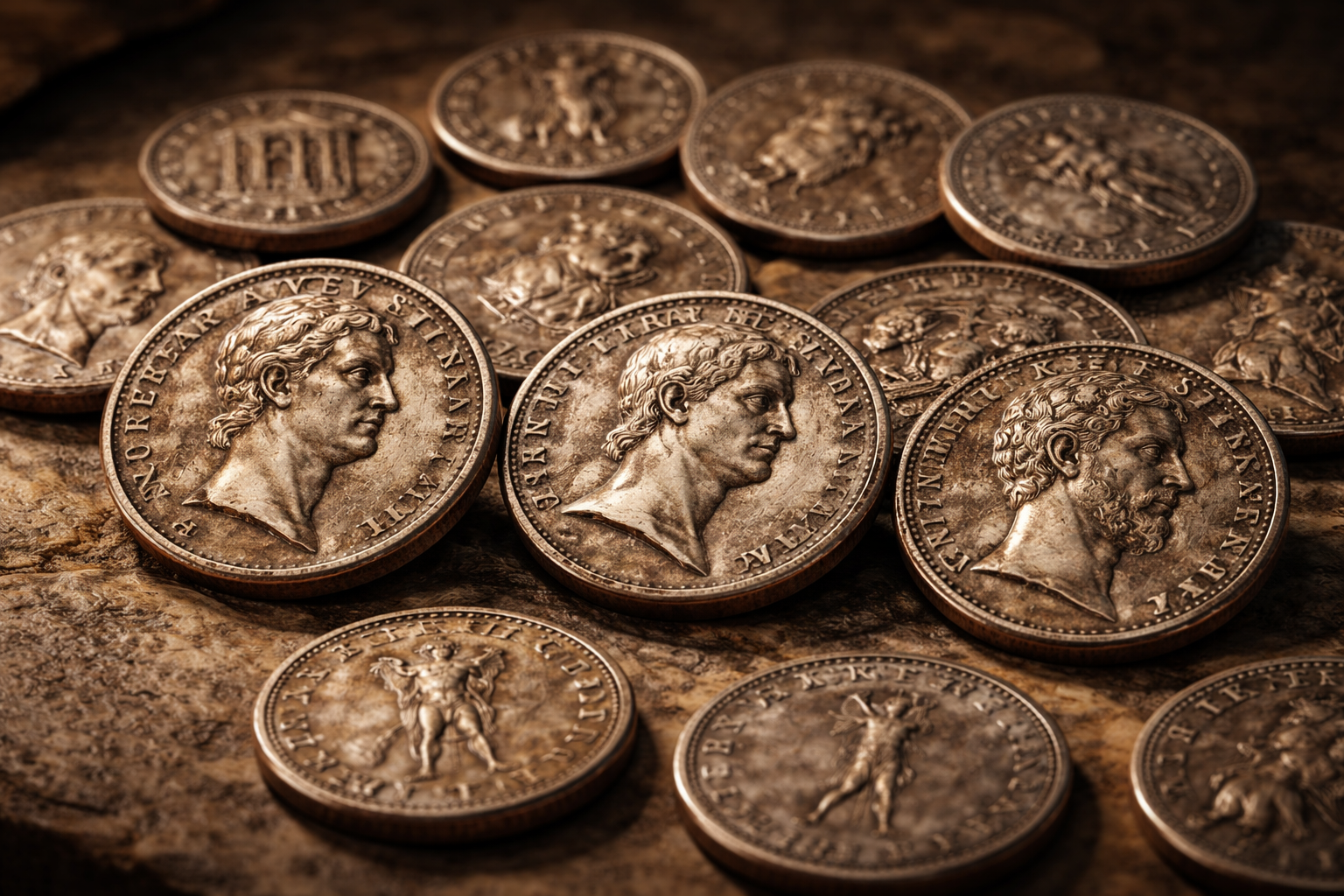
Roman coins were made from real metals.
Silver. Gold. Bronze.
This gave them intrinsic value.
People trusted the metal itself.
Even before authority. Even before systems.
This was the foundation.
Without it, nothing else would work.
Standardization and control
Rome controlled production.
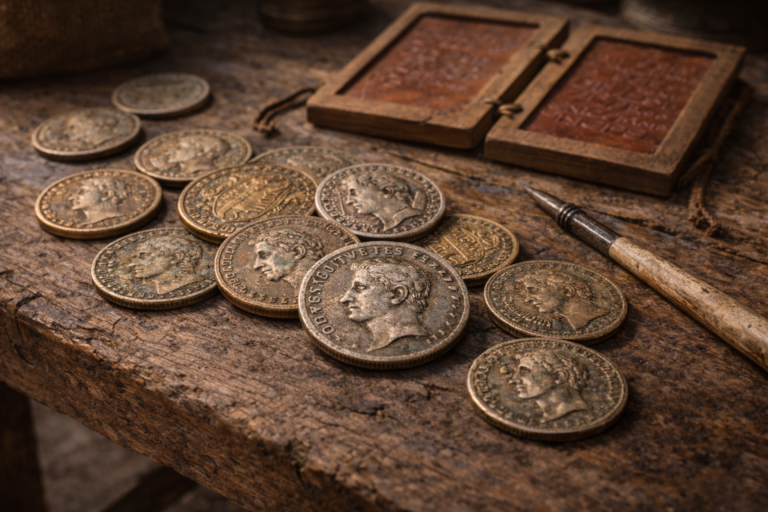
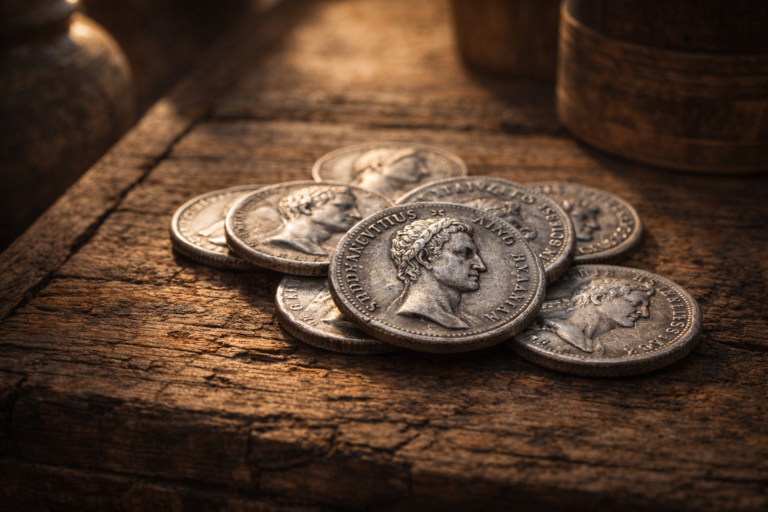
Coins were not random. They were standardized.
Weight. Size. Design.
This consistency reduced confusion.
It made coins easier to use. Easier to recognize.
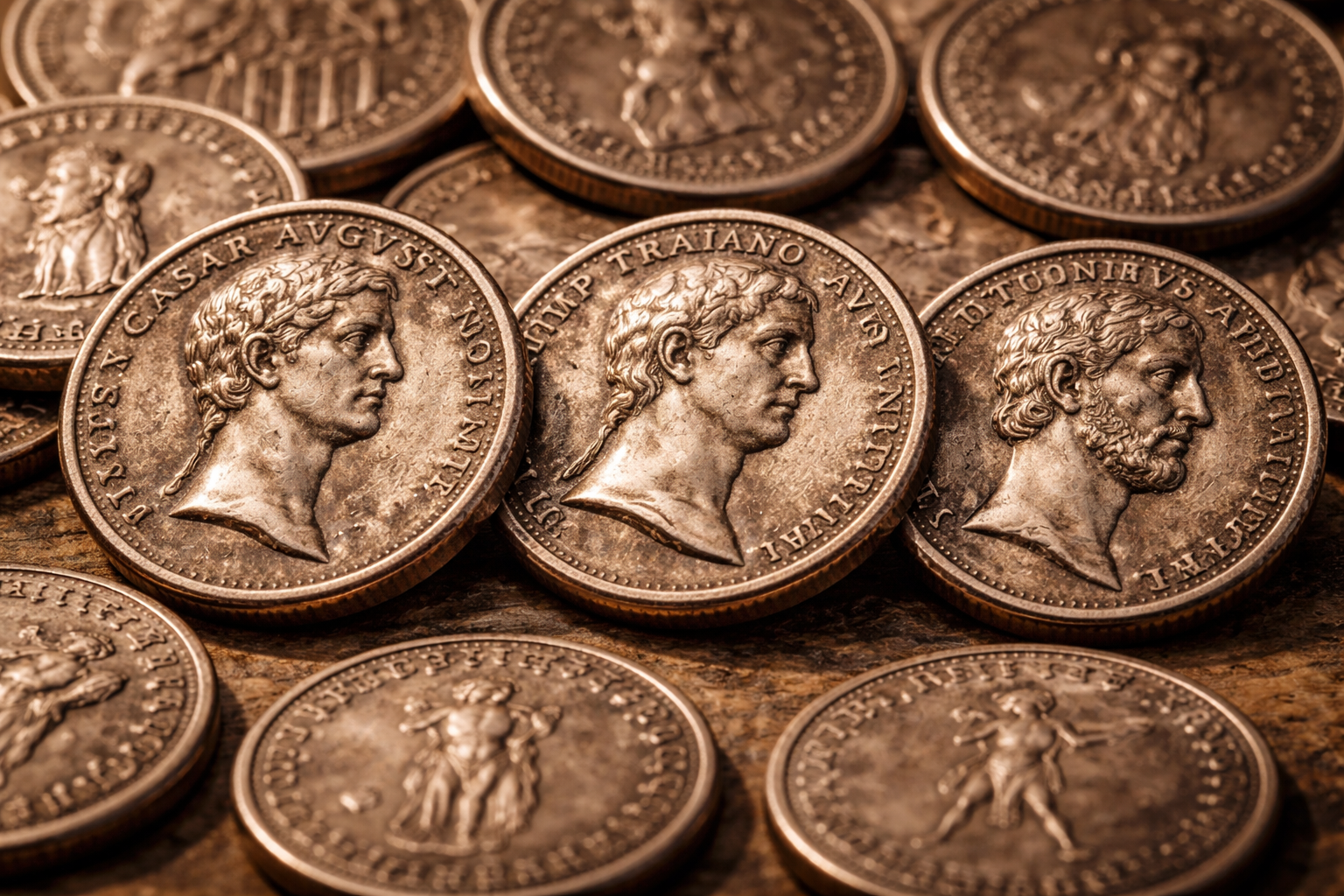
And reliability creates stability.
Authority and enforcement
Coins carried power.
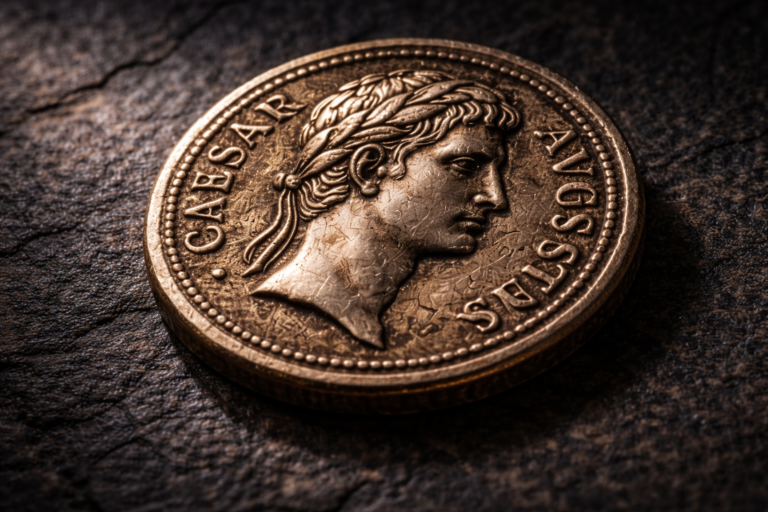
The emperor’s image was not decoration.
As explained in Roman coin portraits , it was authority.
Authority ensured acceptance.
People trusted coins because they trusted the system behind them.
Daily use as a stabilizing force
Stability grows through use.
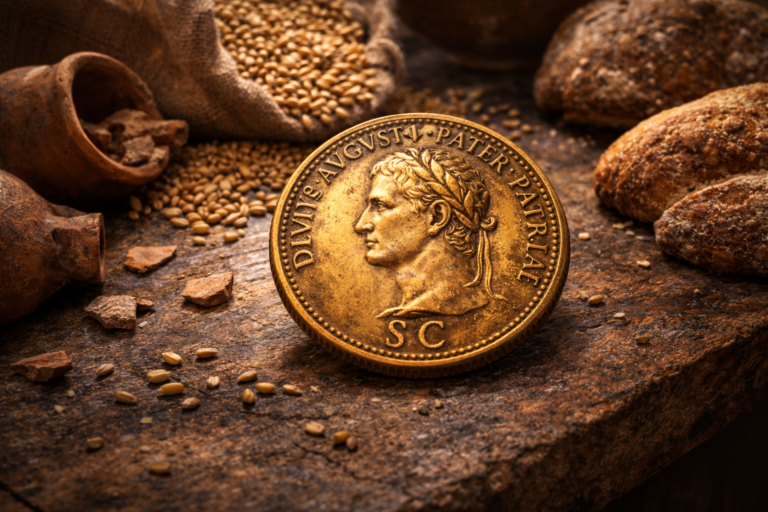
Coins were used every day.
In markets. In wages. In taxes.
As shown in daily Roman life , coins became part of routine.
Routine removes doubt.
And doubt is the enemy of stability.
Expansion without collapse
Rome expanded across regions.
Different cultures. Different languages.
Yet the coin system held.
That is true stability.
A system that works in different places. Under different conditions.
Trade and system strength
Trade depends on consistency.
Without stable coins, trade slows. Breaks. Stops.
Roman coins allowed trade to grow.
Across cities. Across regions. Across borders.
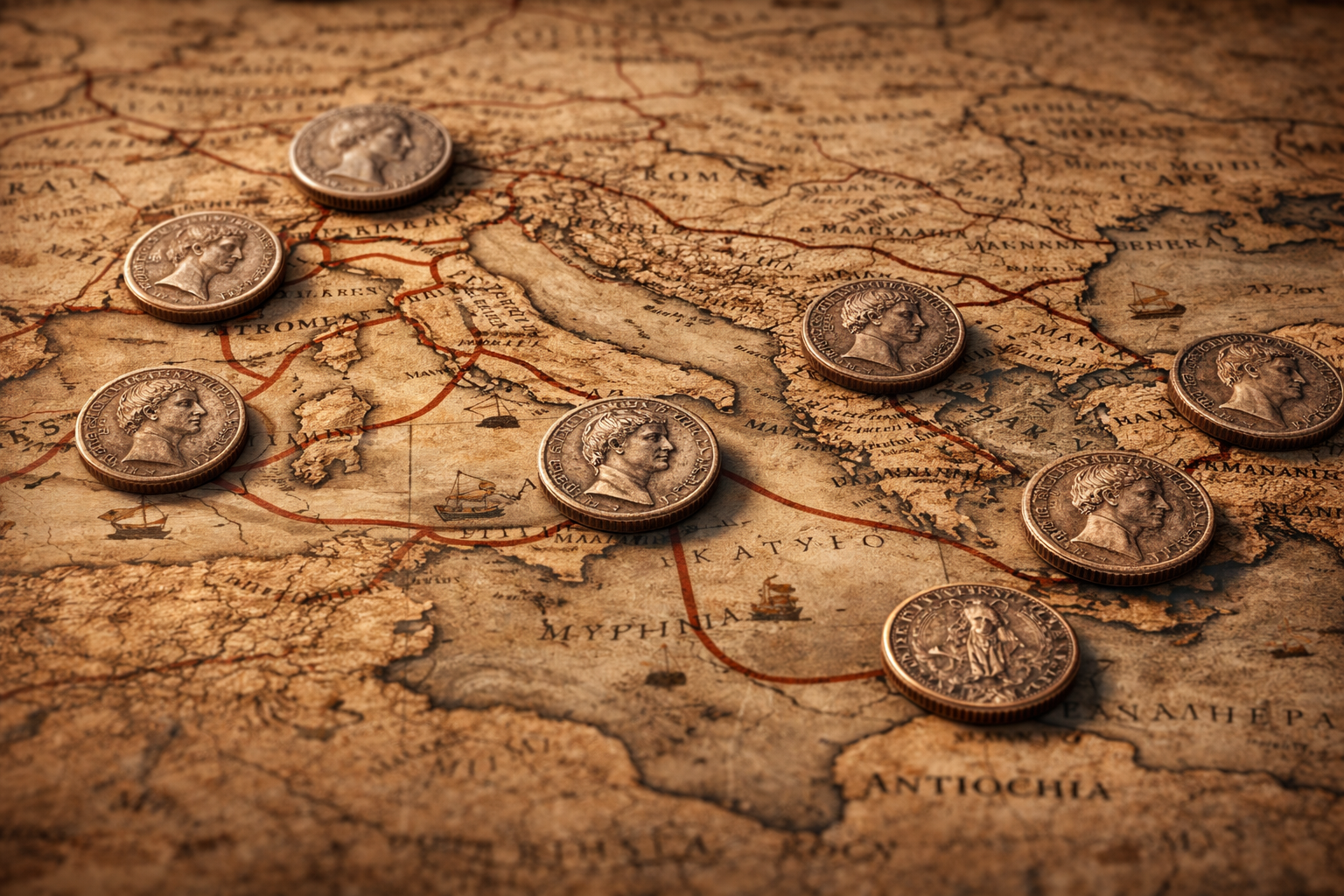
This strengthened the economy.
You can explore more about the broader system in the Roman currency system .
Table of stability factors
| Factor | Description | Impact |
|---|---|---|
| Metal value | Intrinsic worth | High |
| Standardization | Consistent design | High |
| Authority | State backing | High |
| Daily use | Frequent transactions | High |
| Recognition | Familiar appearance | Medium |
Reality Check
Roman coins were not permanently stable. Over time, changes in metal content affected their value. Stability required continuous control and adjustment.
Final Verdict
Roman coins lasted because the system behind them worked.
Not because it was perfect. But because it was consistent.
Metal. Authority. Use.
These elements created a system people could rely on.
And that is what makes money last.
FAQ
Why were Roman coins stable
Because they combined metal value, authority, and consistent use.
Did Roman coins remain stable forever
No, changes in metal content later affected their stability.
What made the system strong
Standardization, trust, and widespread use across the empire.