What Ordinary Coins Meant to Ordinary People

Estimated reading time: 15 minutes
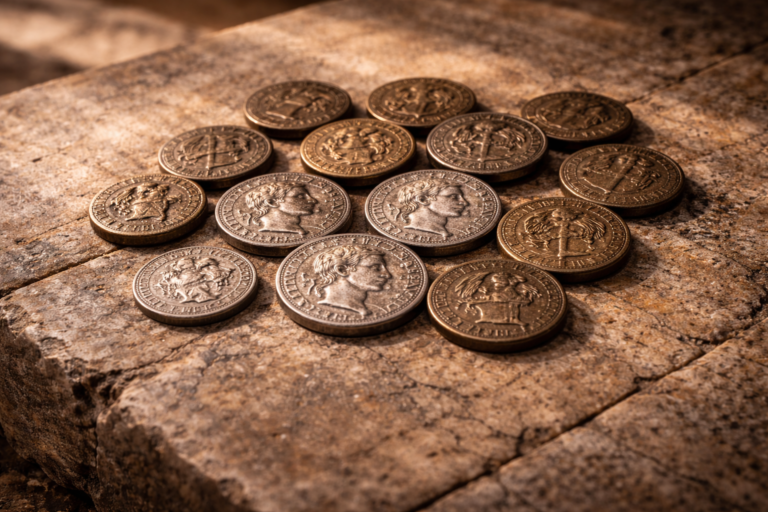
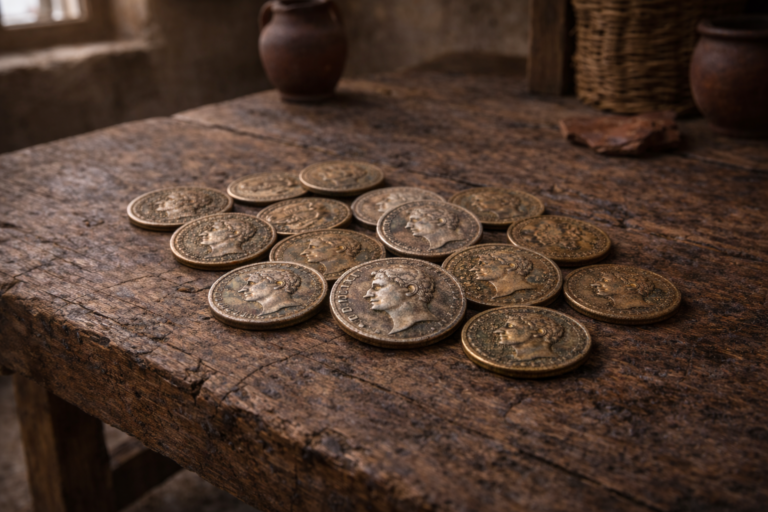
When we talk about ancient coins, it’s easy to imagine emperors, treasuries, and grand power. But most coins did not live in palaces. They lived in pockets, baskets, and tired hands.
For ordinary people, coins were not collectibles or symbols of wealth. They were daily tools—used to buy food, pay rent, settle small debts, and survive the week. And because they passed through so many lives, they quietly shaped habits, trust, and identity.
Why ordinary coins matter
Big history is often written from the top. Ordinary coins show history from the ground level—how people lived, traded, worried, and adapted. They are the closest thing we have to a daily diary made of metal.
- Coins as Daily Tools, Not Treasures
- The Marketplace and the Rhythm of Survival
- Trust, Fakes, and the Fear of Bad Money
- Small Coins and Social Status
- Wages, Work, and the Meaning of Pay
- Coins as Memory and Personal Routine
- What Wear and Damage Reveal
- The Quiet Power of Everyday Money
- Share and Reflect
- About PastMint
Coins as Daily Tools, Not Treasures
Most ancient people did not experience money as a concept. They experienced it as a tool. A small coin meant bread today. A few coins meant fuel, oil, salt, or a repaired sandal.
For ordinary households, the goal was not accumulation. The goal was balance—enough coins to keep life moving without sudden collapse. That is why small denominations mattered so deeply.
The Marketplace and the Rhythm of Survival
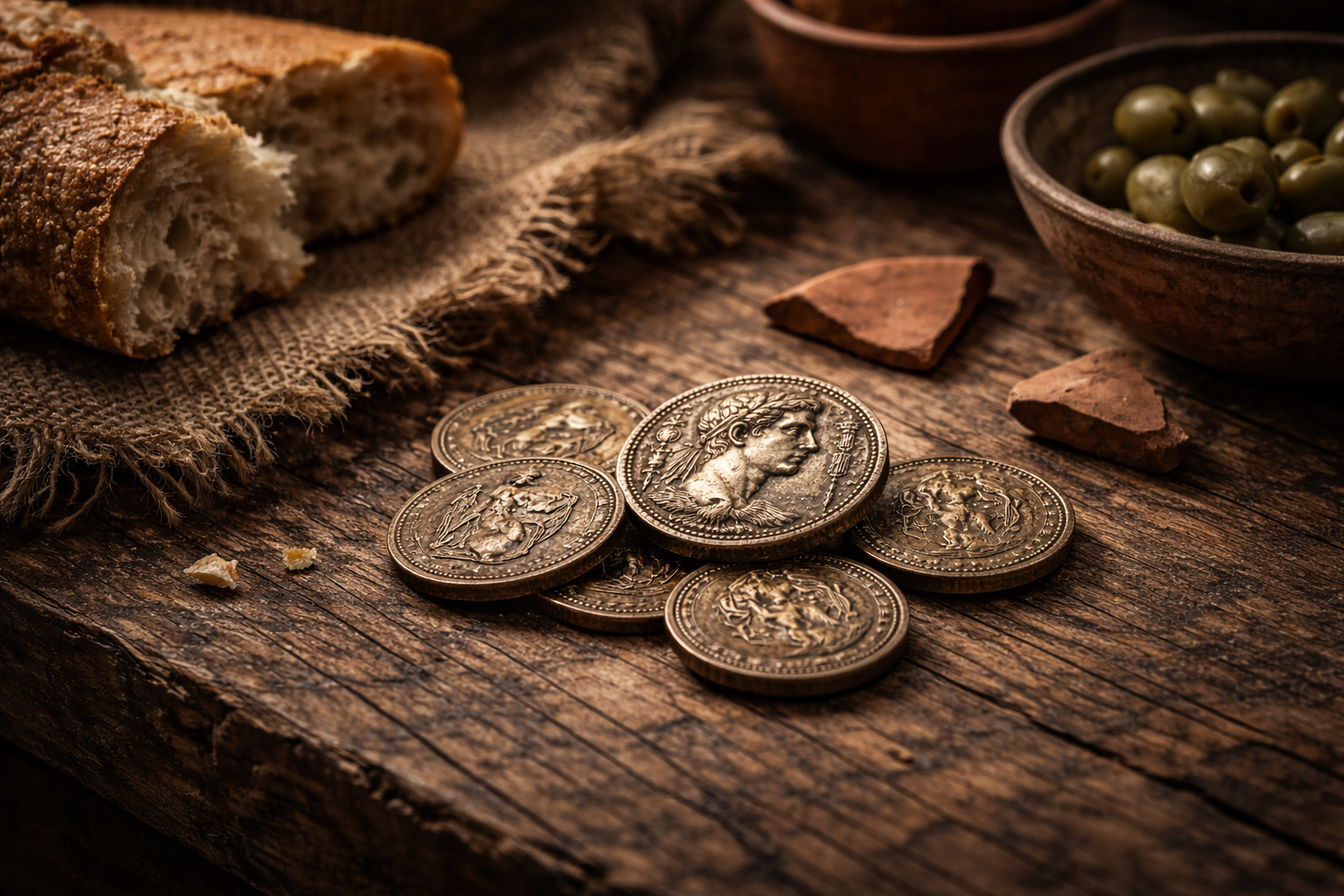
The marketplace was where ordinary coins gained their strongest meaning. Not as history, not as art, but as survival. Coins were exchanged for necessities in a rhythm that repeated daily, weekly, seasonally.
A coin could be the difference between eating well and eating poorly. Between paying rent on time and facing pressure from a landlord. Between buying medicine and hoping time heals.
Reality Check
When we study empires, we often focus on power. Ordinary people focused on predictability. Stable coinage meant stable life. Even small changes in money could ripple into fear and uncertainty.
Trust, Fakes, and the Fear of Bad Money
Trust is the hidden engine of daily money. Ordinary people may not have understood monetary theory, but they understood risk. A coin that looked wrong, felt wrong, or weighed wrong could trigger suspicion.
Fear of fake or degraded coinage wasn’t abstract. It meant losing real value in a world where margins were thin. That is why people learned to judge coins in practical ways—by feel, sound, and familiarity.
Small Coins and Social Status
Wealth is often measured by what you can store. For ordinary people, money was measured by what you could spend.
Carrying coins did not automatically mean comfort. But having the “right” coins—coins accepted easily, coins that held steady value—could mark someone as safer, more connected, more stable.
Even at the lowest levels of society, money created quiet hierarchy.
Wages, Work, and the Meaning of Pay
When you are paid in coins, the meaning of work becomes tangible. Wages are not numbers on paper. They are metal you can count.
That shaped the psychology of labor. A day of work could be felt as a small stack in the hand. It made effort visible, but it also made inequality visible. Some people could save. Others could only circulate.
Coins as Memory and Personal Routine
Ordinary coins also carried personal routines. The coin you used every day became familiar like a tool. People recognized certain designs not as art, but as reassurance: “this coin works.”
Coins could also hold memory. A coin saved from a good week. A coin kept for luck. A coin linked to a journey or a job. Not as wealth, but as a small personal anchor.
What Wear and Damage Reveal
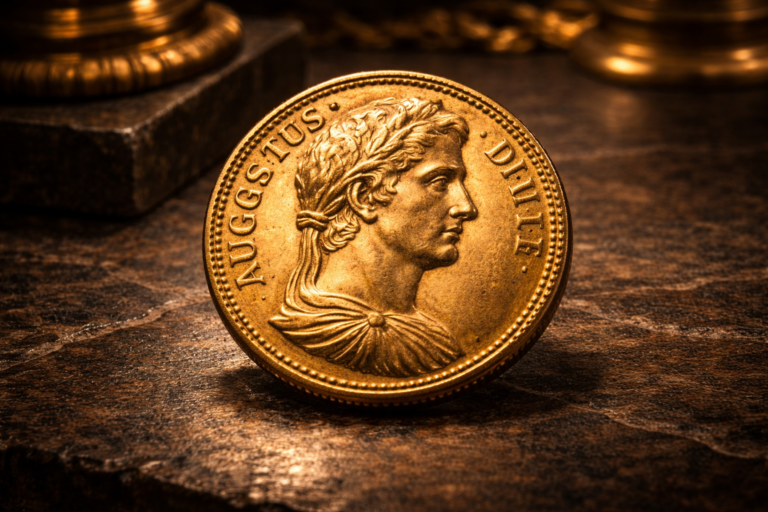
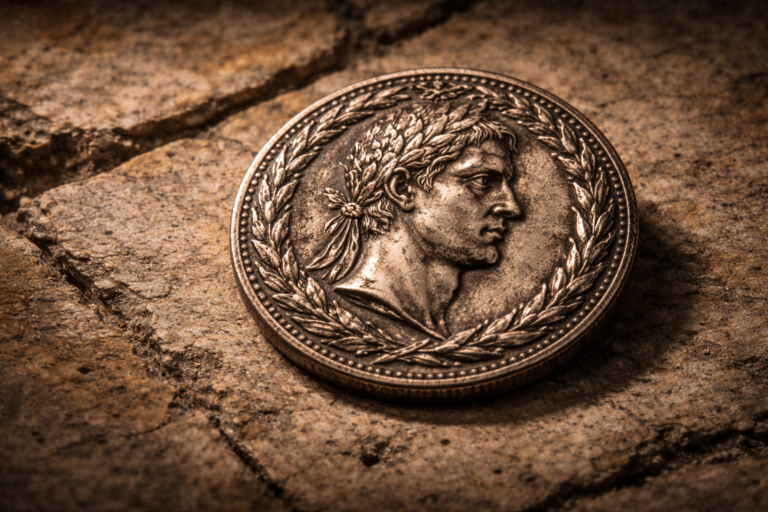
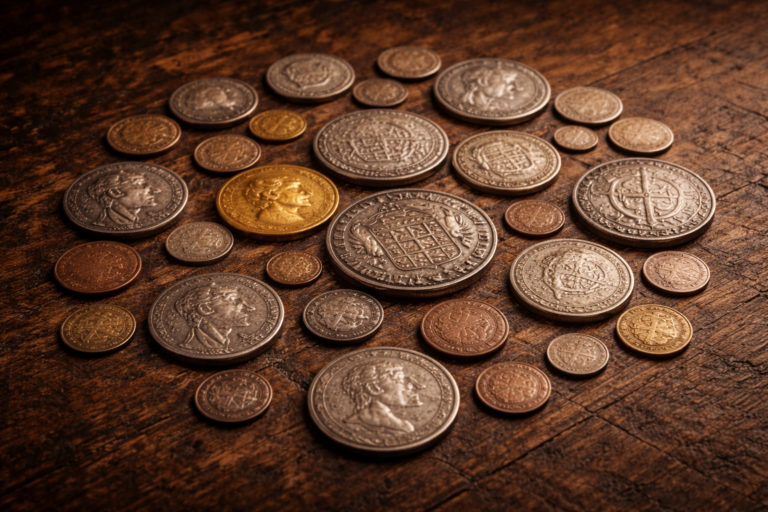
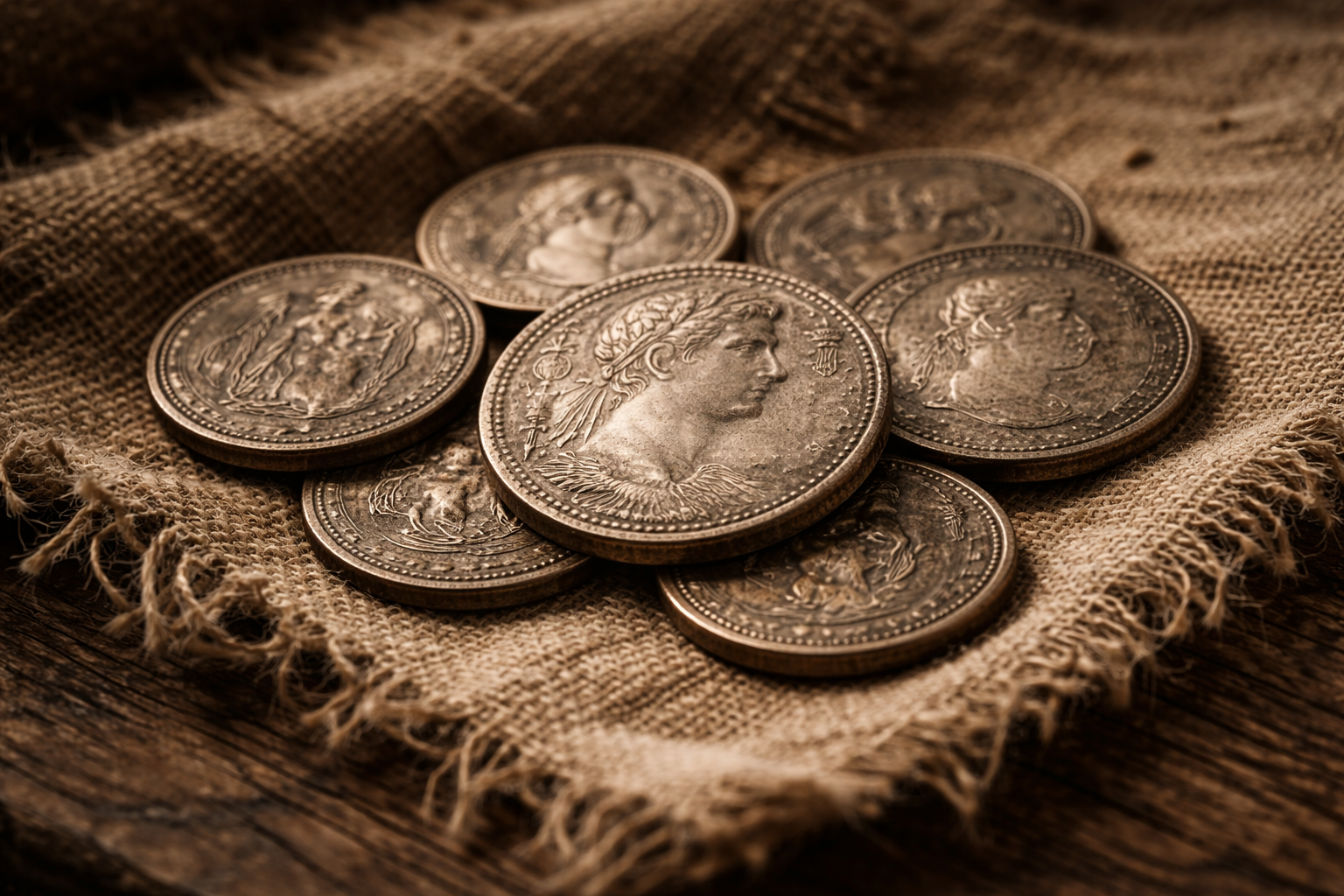
One of the most honest things about ordinary coins is wear. The smoother a coin becomes, the more lives it has touched. Wear is not damage, it is evidence.
Worn edges, faded portraits, softened symbols—these details reveal long circulation. They suggest constant use in markets, wages, travel, and daily exchange.
Key Takeaway
Ordinary coins are not impressive because they are rare. They are impressive because they are honest. They show what daily life demanded—and how people survived it.
The Quiet Power of Everyday Money
Ordinary money shapes behavior more than grand speeches do. It trains people to plan, to worry, to trust, to doubt, to adapt. It creates habits that feel personal, even when they are shaped by systems far above.
That is why studying ordinary coins is so powerful. They are not just artifacts of empire. They are artifacts of human routine.
Final Verdict
Ordinary coins mattered because they were close to life. They carried the weight of daily decisions—food, rent, work, trust, and survival. If imperial coins show how rulers wanted to be seen, ordinary coins show how ordinary people actually lived.
Share and Reflect
Share this article
If this made ancient money feel more human, share it with someone who loves history beyond kings and wars.
Article link:
What Ordinary Coins Meant to Ordinary People
Reflection question: What everyday object today carries meaning far beyond its “price”?
About PastMint
PastMint
PastMint explores the hidden stories behind money, symbols, and everyday objects. We connect historical context with cultural meaning to reveal how small artifacts shaped entire civilizations—quietly, consistently, and often more effectively than words.