When Coins Meant More Than Their Value
Estimated reading time: 20 minutes
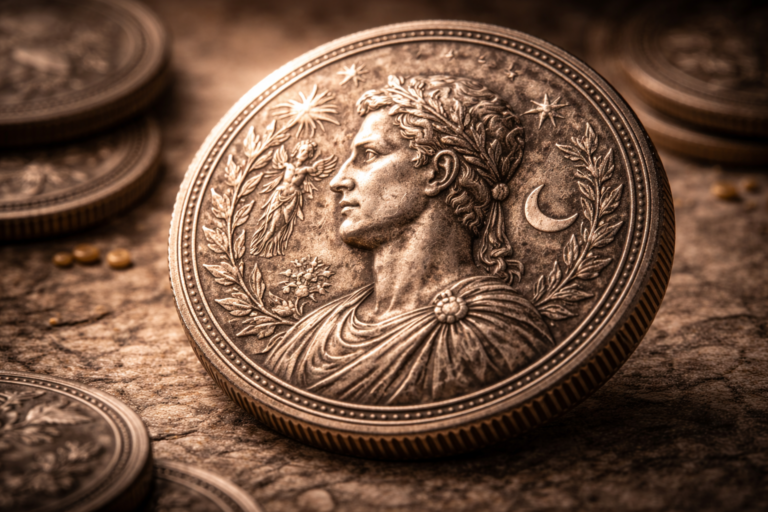
For most of history, coins were never just tools for buying and selling. They carried beliefs, fears, loyalties, promises, and identities. Long before modern branding or ideology, small pieces of metal quietly told people who they were, who ruled them, and what mattered.
To focus only on what coins could buy is to miss their deeper role. In many societies, coins mattered less for their purchasing power and more for the meaning they carried in everyday life.
Why meaning mattered more than value
Economic value fluctuates. Meaning lasts. Coins became powerful not because of what they bought, but because of what they represented—often shaping belief more effectively than laws or speeches.
Beyond Buying Power
In daily life, coins were handled constantly. That repetition created familiarity, and familiarity created meaning. A coin’s image became as important as its weight.
People learned which coins felt “right.” Not just economically, but emotionally. A familiar symbol reassured. An unfamiliar one raised suspicion.
Coins as Carriers of Belief
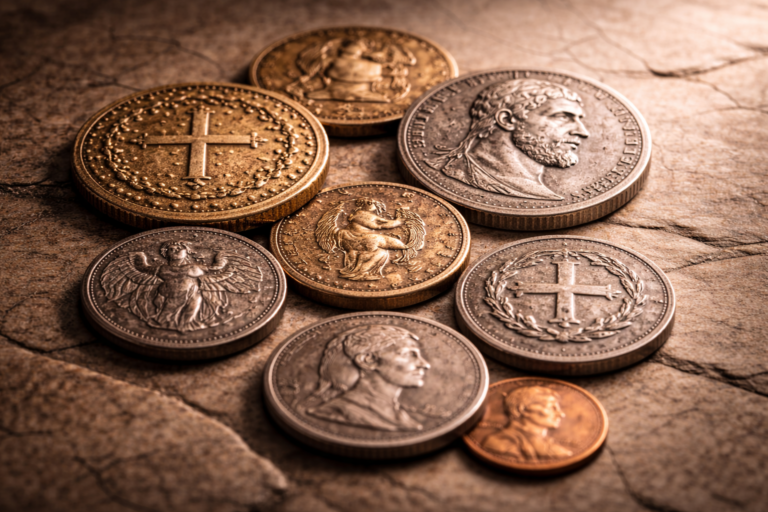
Coins often carried gods, sacred symbols, virtues, or cosmic order. These were not decorative. They reassured people that their world made sense.

Reality Check
Belief does not require understanding. It requires repetition. Coins delivered belief quietly, without argument.
Identity Pressed into Metal
Coins told people where they belonged. Which empire. Which ruler. Which cultural world.
To carry a coin was to carry membership. Even at the lowest levels of society, money reinforced identity.
Authority and Legitimacy
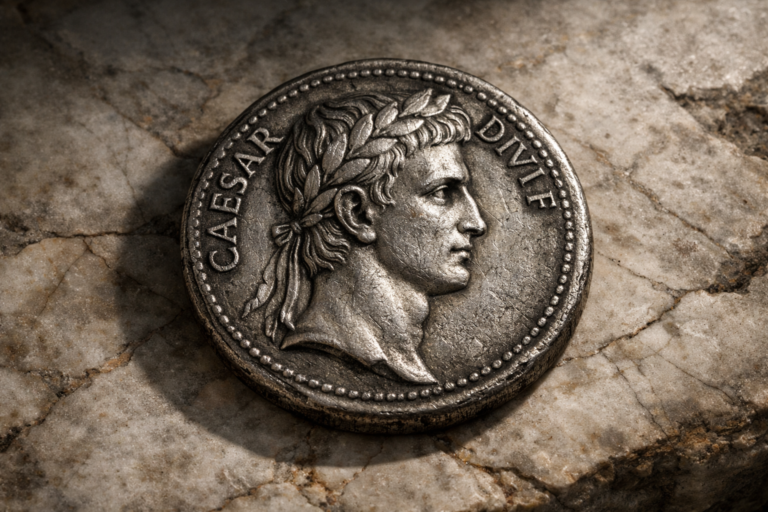
Authority is strongest when it feels natural. Coins helped rulers achieve that.
By appearing in daily life, authority stopped feeling distant. It became routine.
Ritual, Memory, and Symbolic Use
Coins were not always spent. They were saved, offered, buried, or carried for luck.
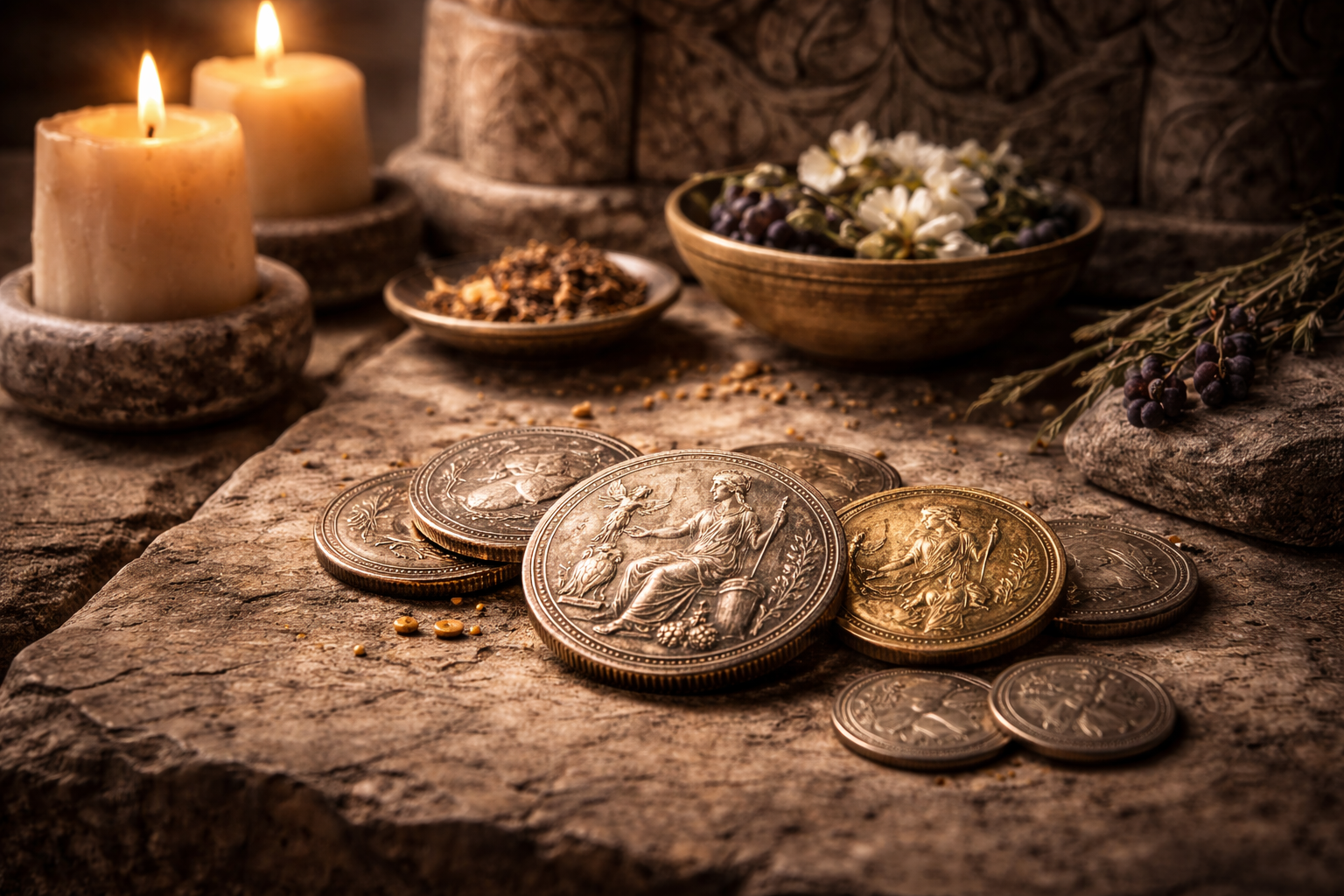
A coin might mark a memory. A journey. A promise. Its value became personal.
Everyday Encounters with Meaning
Most people never analyzed coins. They felt them.
Meaning grew through touch, repetition, and routine. Coins shaped habits without explanation.
Trust, Fear, and Reassurance
Trust is emotional before it is rational. Coins that carried familiar symbols felt safer.
When money lost meaning, panic followed. Not because of value alone, but because certainty disappeared.
When Meaning Replaced Value
In moments of crisis, meaning often outweighed value. People kept coins not to spend, but to feel grounded.
A familiar coin could represent stability in chaos.
Modern Echoes of Symbolic Money
Modern money still carries meaning. National symbols. Commemorative designs. Digital icons.
The medium changed. The psychology did not.
Final Verdict
Coins meant more than their value because value fades. Meaning endures. For ordinary people, coins shaped belief, identity, and emotional security long after their buying power was forgotten.
Share and Reflect
If this article made you see money as culture, not just currency, share it.
Article link:
When Coins Meant More Than Their Value
Reflection question: What object today carries meaning for you far beyond its price?
About PastMint
PastMint
PastMint explores the hidden stories behind money, symbols, and everyday objects. We focus on how meaning, not just value, quietly shaped civilizations and human behavior.