
Why Are Pennies Being Discontinued
Estimated reading time: 16 minutes.
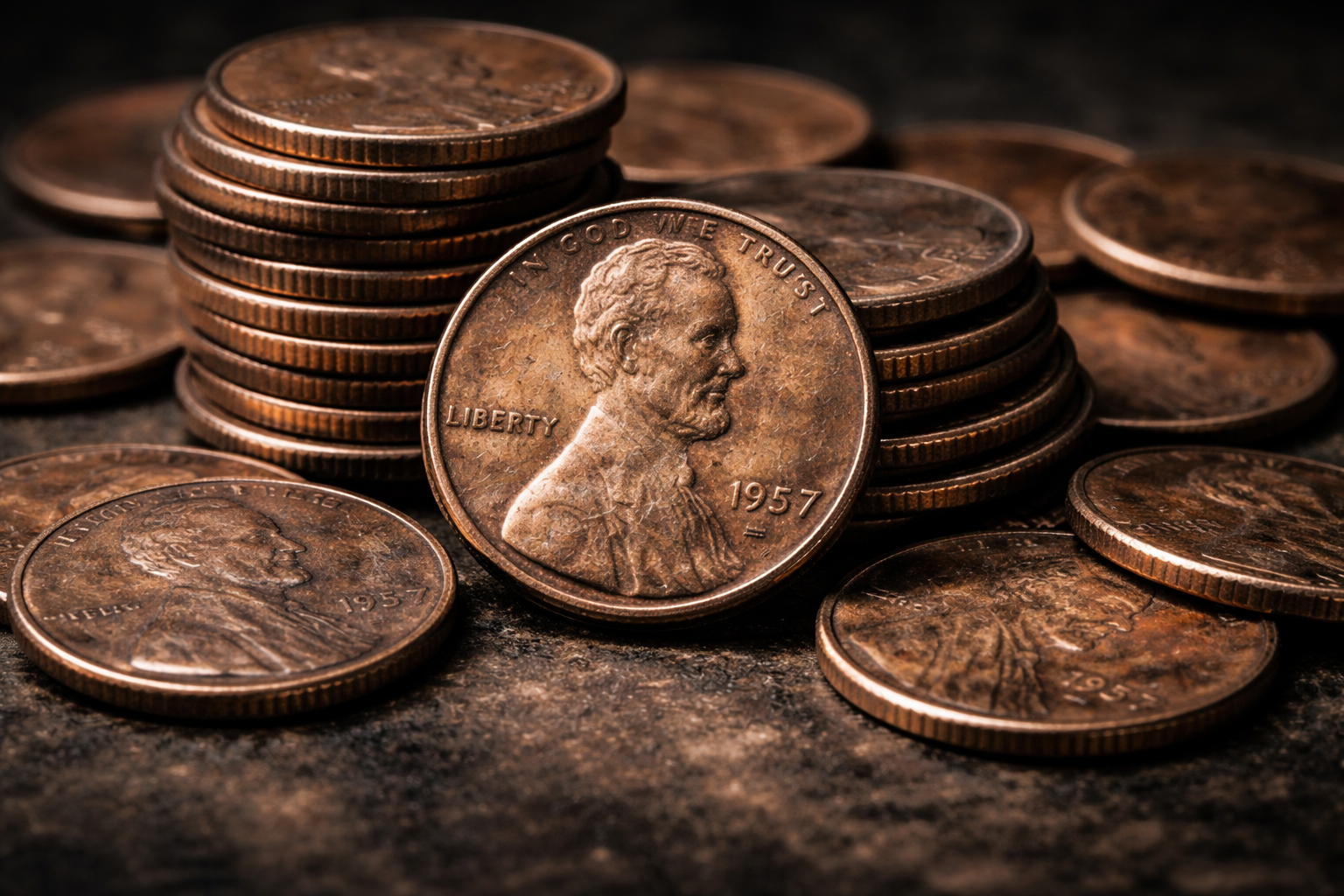
At some point, every system faces a difficult question, and for the U.S. penny, that question is no longer about usefulness alone, but about whether it still deserves to exist at all.
The idea of discontinuing the penny has moved from a distant discussion into a real and ongoing debate, driven by economic pressure, changing behavior, and a growing sense that the coin no longer fits the modern world.
Understanding why this conversation is happening reveals something deeper about how money evolves and how even the smallest unit can become outdated over time.
What this article explains
This article explains why pennies are being discontinued by exploring economic costs, declining value, changing usage, and the growing pressure to remove the coin from circulation.
- The growing pressure to remove the penny
- The cost problem that cannot be ignored
- How inflation erased its real value
- Why people stopped using pennies
- The role of modern payment systems
- Why removal has not happened yet
- Table of key reasons for discontinuation
- Reality Check
- Final Verdict
- FAQ
The growing pressure to remove the penny
The discussion about removing the penny did not appear suddenly, but has been building over time as more people began to question whether the coin still serves a meaningful purpose in everyday transactions.
As explained in why the U.S. penny is slowly disappearing , the coin has already been losing relevance in daily life, which naturally leads to the next step of asking whether it should remain at all.
This pressure is not emotional, but practical, and it is driven by a combination of economic logic and real-world usage patterns.
The cost problem that cannot be ignored
One of the strongest arguments for discontinuing the penny is the cost of producing it, which has become higher than its actual value, creating a situation where the system loses money with every coin that is made.
This is not a small inefficiency, but a structural issue, because money is expected to represent value rather than consume it, and this contradiction makes the continued production of pennies increasingly difficult to justify.
How inflation erased its real value
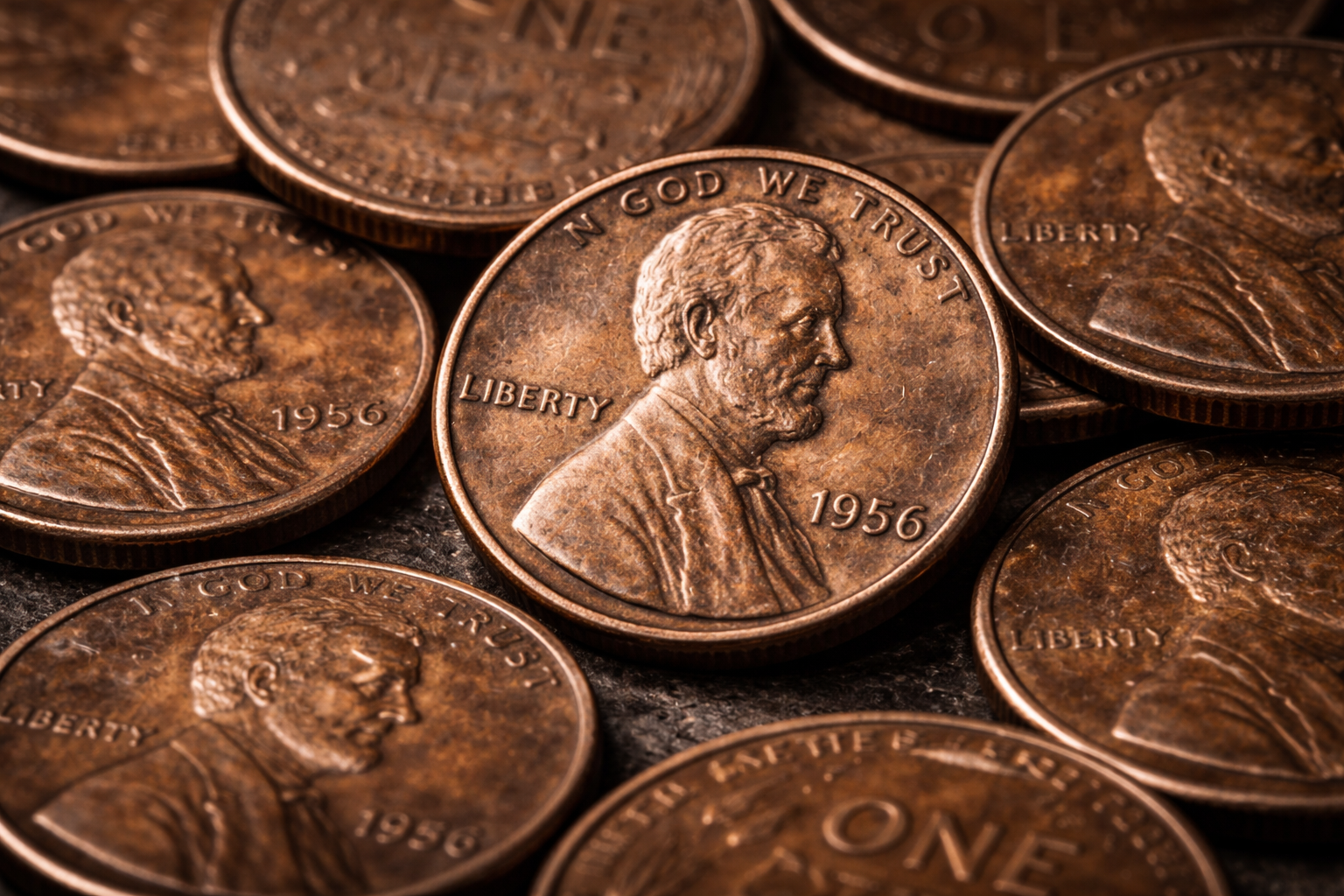
Inflation has played a central role in this transformation, gradually reducing the purchasing power of the penny until it could no longer contribute meaningfully to any transaction.
What once represented real value has now become almost symbolic, and this shift has changed how both individuals and systems interact with the coin.
When a unit of currency cannot function independently, its role becomes difficult to defend.
Why people stopped using pennies
Behavior has changed just as much as economics, and in many ways, it is behavior that reveals the true position of the penny in modern life.
People increasingly ignore small coins, choosing convenience over precision, and this leads to fewer pennies circulating within the system.
As circulation declines, relevance follows, and this creates a feedback loop where the coin becomes less visible and less necessary over time.
The role of modern payment systems
The rise of digital payments has accelerated this process, as transactions can now be completed instantly without the need for physical coins or exact change.
This shift removes one of the core reasons for the penny’s existence, because the system no longer depends on small denominations to function efficiently.

Why removal has not happened yet
Despite all these factors, the penny has not been officially removed, and this reflects the complexity of changing a system that is deeply embedded in everyday life.
As explored in why the U.S. still uses pennies , habit, pricing structures, and policy debates continue to support its existence, even as its practical role declines.
This balance between pressure and resistance explains why the conversation continues without a final decision.
Table of key reasons for discontinuation
| Factor | What Changed | Impact |
|---|---|---|
| Production Cost | Higher than value | Financial loss |
| Inflation | Reduced value | Minimal usefulness |
| Behavior | Less usage | Lower circulation |
| Technology | Digital payments | Reduced necessity |
| System Pressure | Ongoing debate | Possible removal |
Reality Check
The penny has not been officially discontinued, but the forces pushing toward its removal are already active and continue to grow over time.
“The penny is not being removed suddenly, but it is being pushed out slowly by a system that no longer depends on it.”
Final Verdict
The discussion around discontinuing the penny is not about eliminating a coin, but about adapting to a new economic reality where its original purpose no longer exists.
Its potential removal reflects a natural evolution of money, where efficiency, behavior, and technology reshape the system step by step.
FAQ
Are pennies being discontinued
Not officially, but there is increasing pressure to remove them.
Why is the penny considered inefficient
Because it costs more to produce than its actual value.
Will the penny disappear completely
It is possible in the future, but no final decision has been made.