Why Roman Coins Focused on Power and Authority
Estimated reading time: 12–14 minutes.
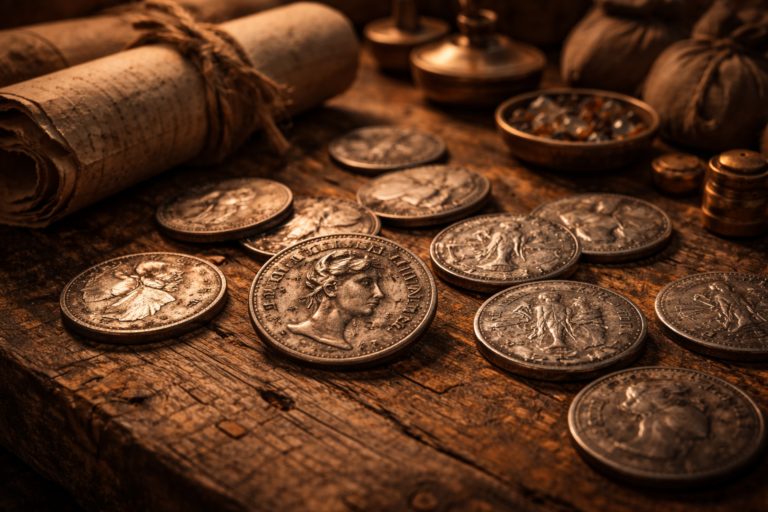
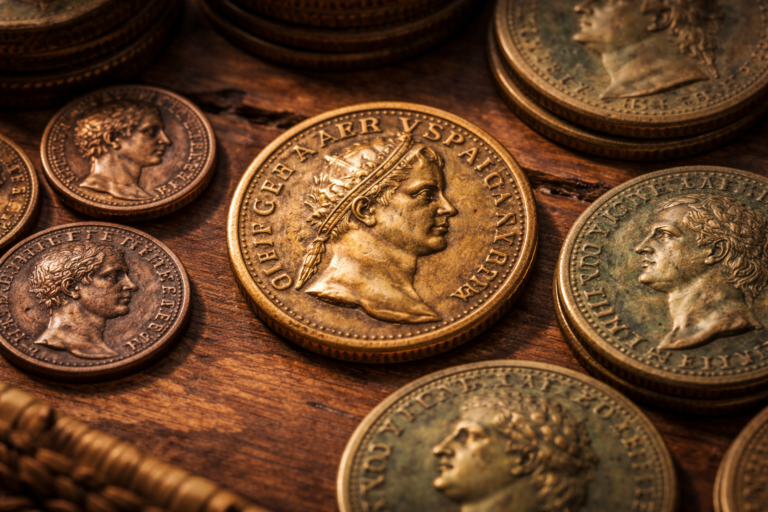
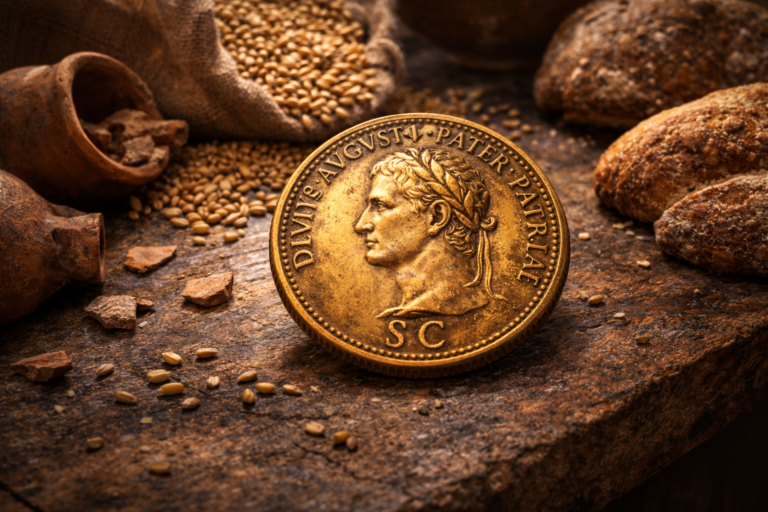
Roman coins were not just money. They were tools of visibility and power. In a vast empire with diverse peoples and languages, coin imagery became one of the clearest ways to signal authority.
This article explains why Roman coin designs emphasized power and authority, how imagery reinforced imperial control, and why these visual signals mattered even in daily exchange.
Quick Context
This article begins the Roman Coins direction of Coin Meanings. If you want the broader foundation of how coins taught power and belonging through repeated imagery, read What Coins Taught People About Power and Belonging. If you want the Roman belonging perspective next, see How Coin Symbols Created a Sense of Belonging. And for decisions behind imagery, read Who Decided What Appears on Coins.
Why Rome Needed Visual Power
The Roman Empire covered vast territories with many languages and cultures. Written proclamations could not reach every marketplace or crossroads. Coins, however, moved everywhere people did.
With millions of coins circulating across the empire, imagery became a universal language of authority. A familiar face or symbol bridged linguistic gaps and reminded people who held power.
In an age before mass communication, visuals mattered more than speeches. A coin was a message that traveled.
In Rome, imagery was not decoration. It was a tool of governance and public signal.
Emperors as Faces of Authority
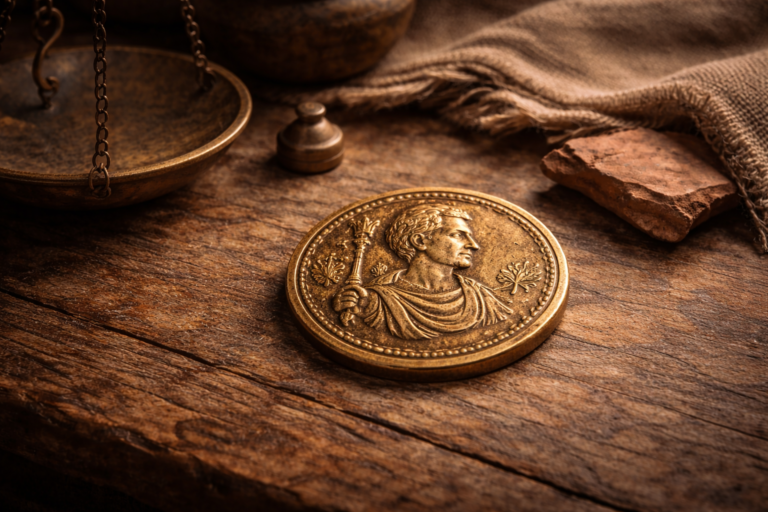
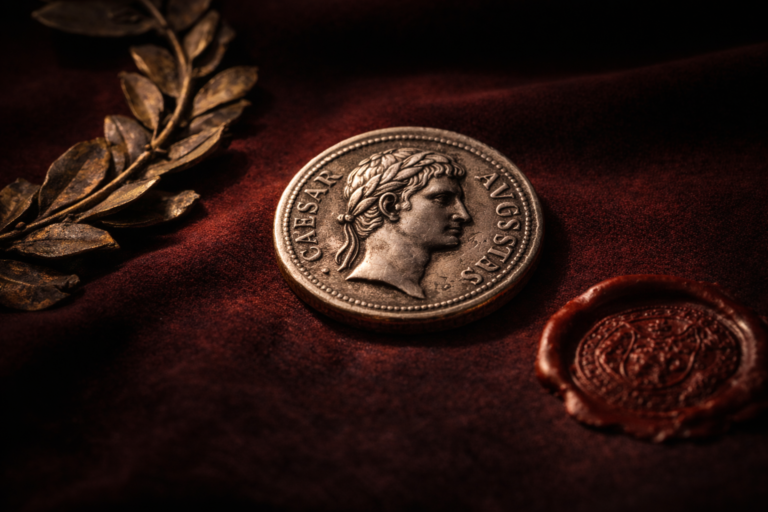
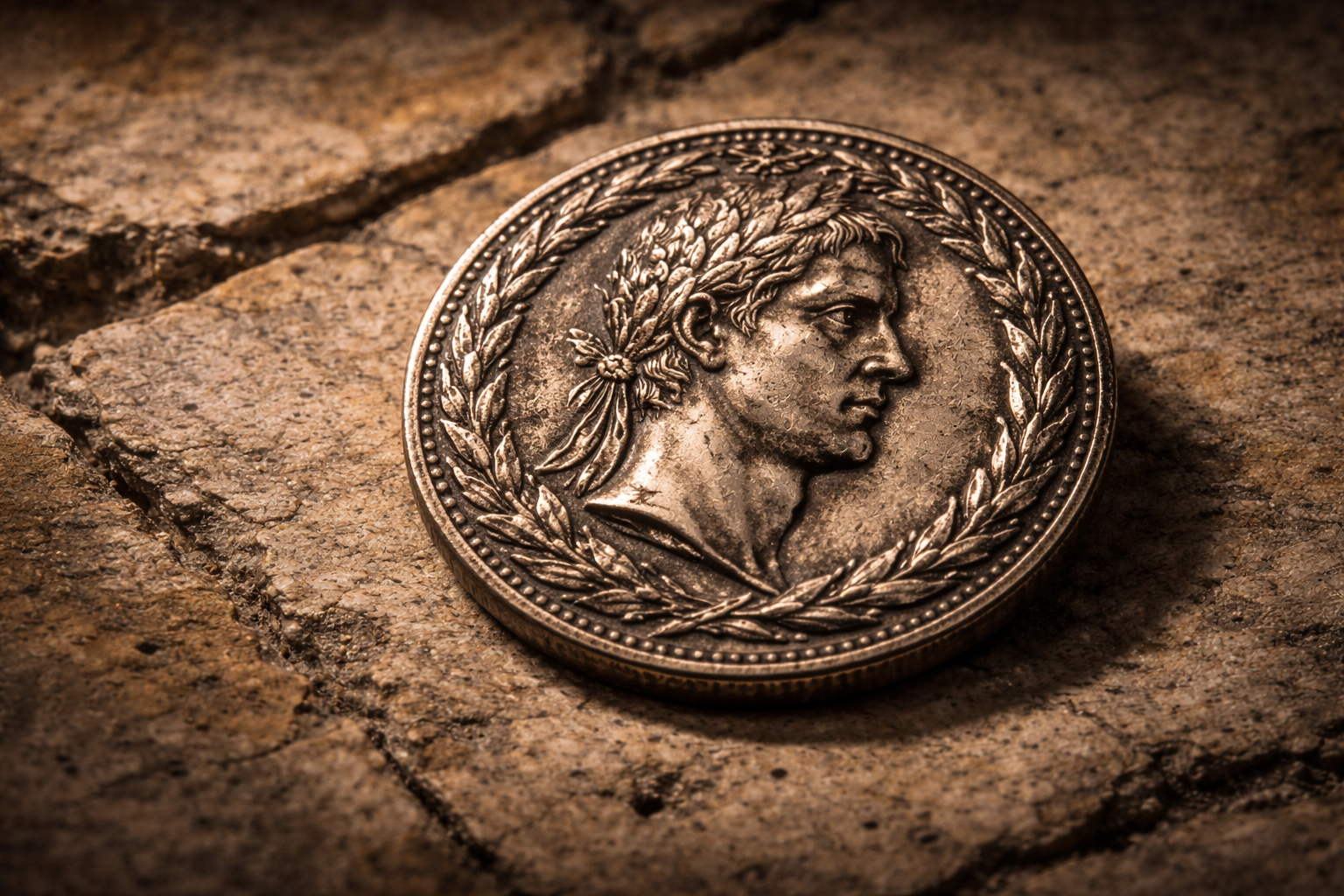
Roman coins often showed the emperor’s portrait on the obverse. This was not about flattery alone. It emphasized that authority was centralized and visible.
In a far-flung empire, this face on money reminded everyone—soldiers, merchants, and provincials—that authority had a name and a presence.
The emperor on a coin worked like an early form of branding. It said, “This coin belongs to the system I command.”
Common Power Symbols on Roman Coins
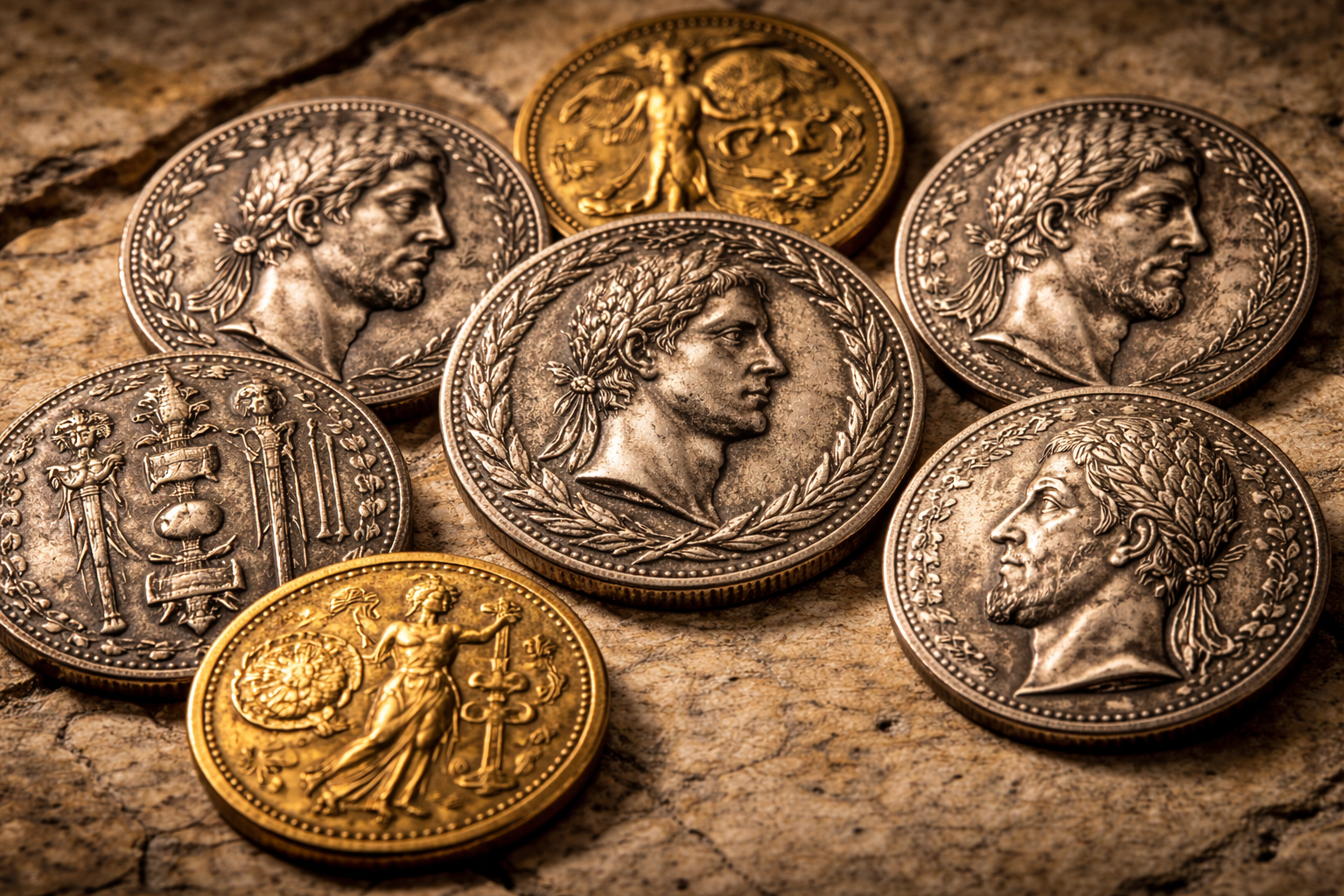
Beyond portraits, coins showed symbols like:
- Laurel wreaths signaling victory
- Eagles representing strength
- Standards and military trophies
- Personifications of virtues like Justice and Fortitude
These images were not decorative. They communicated authority, success, and order. People did not need to know Latin to understand strength and victory.
Power in Daily Exchange
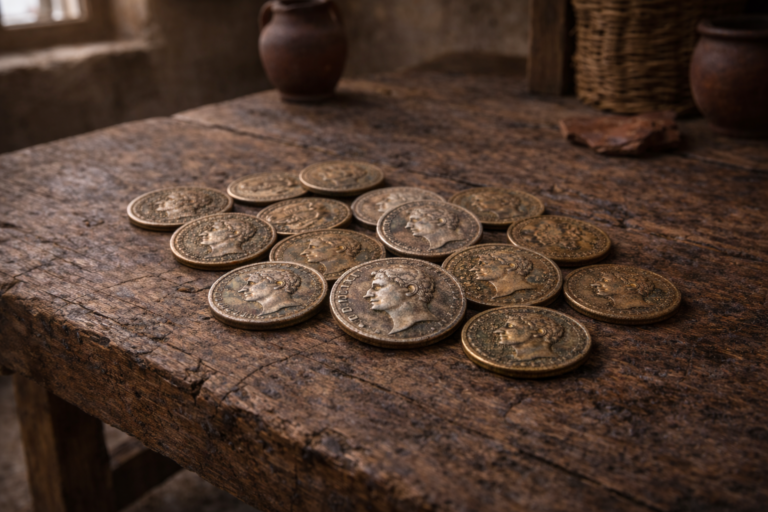
Roman coins were everywhere. Soldiers in distant provinces used them. Merchants in cities accepted them. Workers received them as wages.
Even in daily exchange, the imagery mattered. A familiar portrait and symbols reduced doubt and reinforced authority without conversation. People did not ask where the coin came from. They recognized it.
Reality Check
Power imagery worked because it became familiar through repeated use, not because it was printed in decrees.
Contrasting Rome with Local Imagery
In some regions, local symbols remained on coins alongside imperial ones. These local marks helped retain familiarity among provincial people.
But imperial symbols always carried authority. Even local imagery was often paired in a way that acknowledged Rome’s supremacy.
This pairing balanced authority with acceptance. It made coins feel familiar locally while still signaling imperial power.
Symbols as Shared Memory
The more a symbol circulates, the more it enters memory. For Romans, repeated imagery created a shared sense of order.
Even after emperors changed, familiar symbols helped stabilize trust. Familiar imagery makes daily life predictable.
Prediction lowers doubt. Lower doubt makes exchange smoother. Smooth exchange reinforces the idea of authority that “belongs” everywhere.

Final Verdict
Final Verdict
Roman coins focused on power and authority because imagery worked where words could not. In a diverse empire with many languages, visual signals on money created familiarity, reduced doubt, and reinforced legitimacy in daily life. Coins carried not just value, but a shared signal of order that tied the empire together.
Frequently Asked Questions
Did Roman coins only show emperors?
Not always. While imperial portraits were common, coins also showed symbols of virtue, military strength, and local marks that balanced authority with familiarity.
Why did Rome use symbols instead of words?
Symbols worked across language barriers and low literacy. They communicated authority quickly and effectively in everyday exchange.
Did people trust Roman coin imagery?
Familiar imagery reduced doubt. Familiarity makes exchange smoother, and smoother exchange reinforces legitimacy.
Is this content safe for AdSense?
Yes. It is educational and historical, and it contains no pricing, valuation, or financial advice.