Why Roman Coins Had Faces of Emperors
Estimated reading time: 13 minutes.
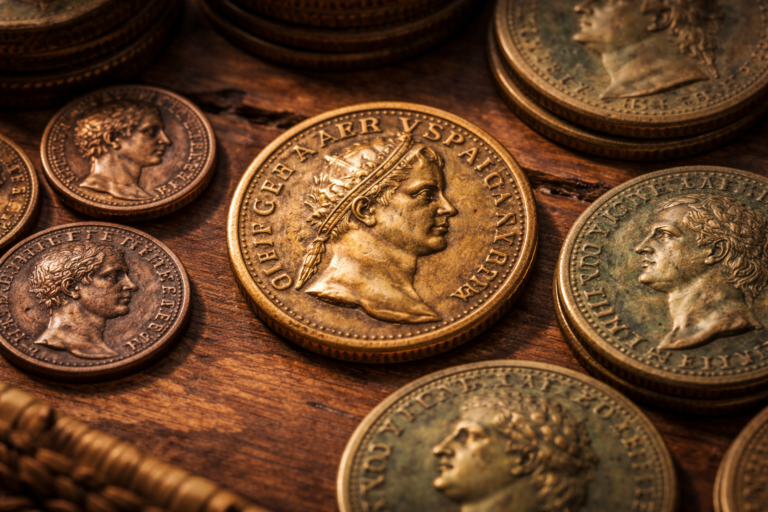
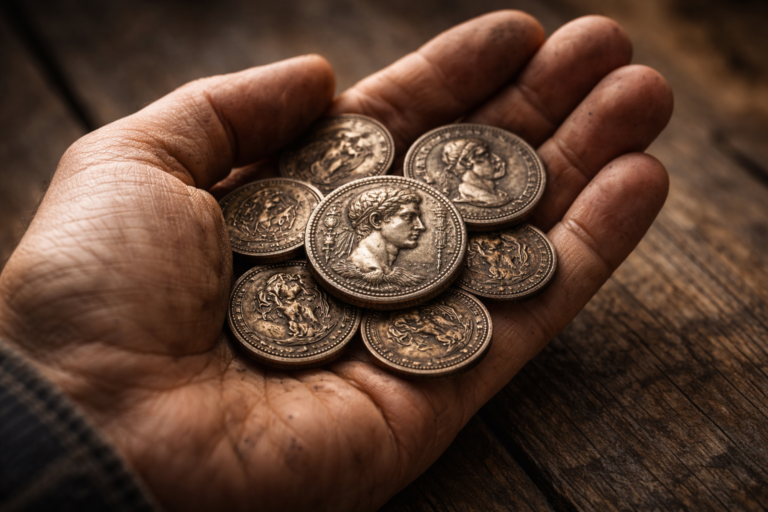
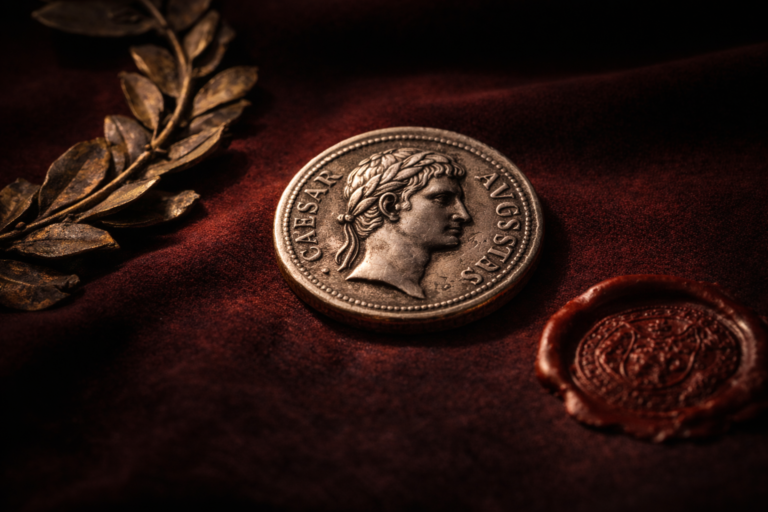
Imagine holding a coin and seeing the face of the most powerful person in the world. Not on a statue. Not in a palace. But in your hand.
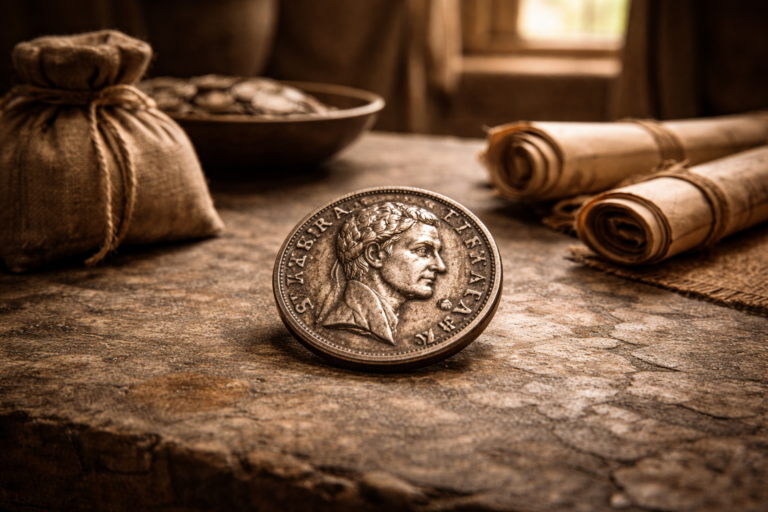
That was the reality in ancient Rome. Coins were not just money. They were messages. And every face on them meant something.
What this article explains
This article explains why Roman coins featured emperors’ faces and how these images worked as symbols of power, identity, and communication across the empire.
- The idea behind putting faces on coins
- Coins as tools of power
- How coins spread the emperor’s image
- Coins as political messaging
- Changing faces with changing rulers
- The connection between trust and authority
- Comparison table
- Reality Check
- Final Verdict
- FAQ
The idea behind putting faces on coins
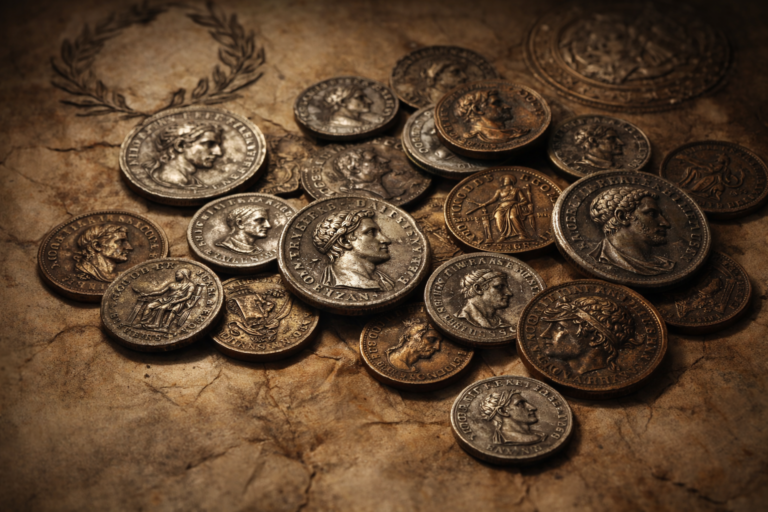
Before Rome, coins already existed. They carried symbols, animals, and simple marks. You can see early examples in the first coin systems.
But Rome introduced something different. A human face.
That face was not random. It was the emperor.
This decision changed the meaning of money. Coins were no longer just about value. They became about identity.
Coins as tools of power
Power needs visibility.
An emperor might rule over millions of people. But most of them would never see him in person.
Coins solved that problem.
Every transaction became a moment of recognition. Every coin carried authority.
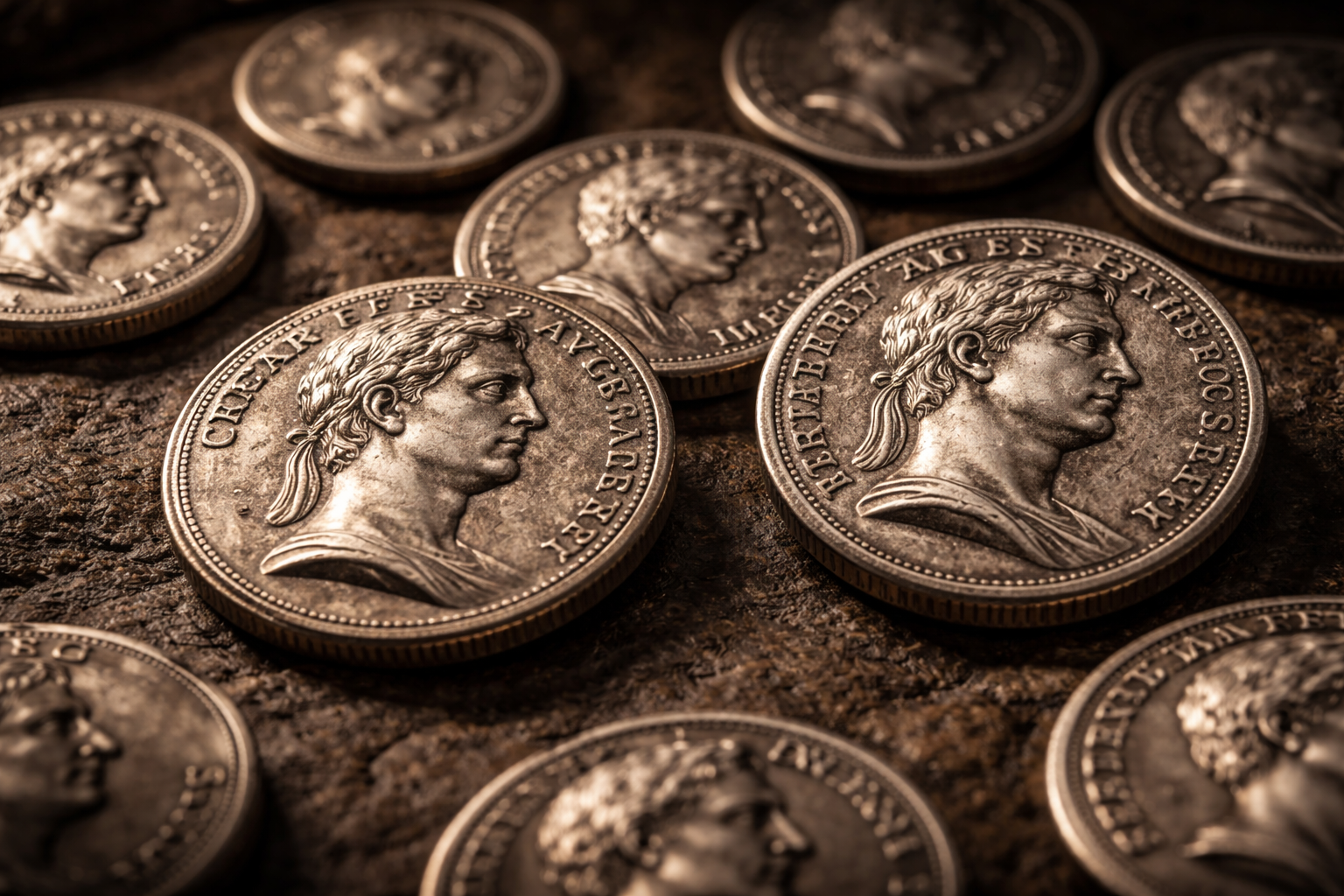
Coins like the denarius were not just used for trade. They were also used to project power.
How coins spread the emperor’s image
The Roman Empire was vast. It stretched across continents.
Communication was slow. There was no internet. No printing press.
But coins moved constantly.
From city to city. From market to market. From soldier to merchant.
This made coins one of the most effective communication tools of the ancient world.
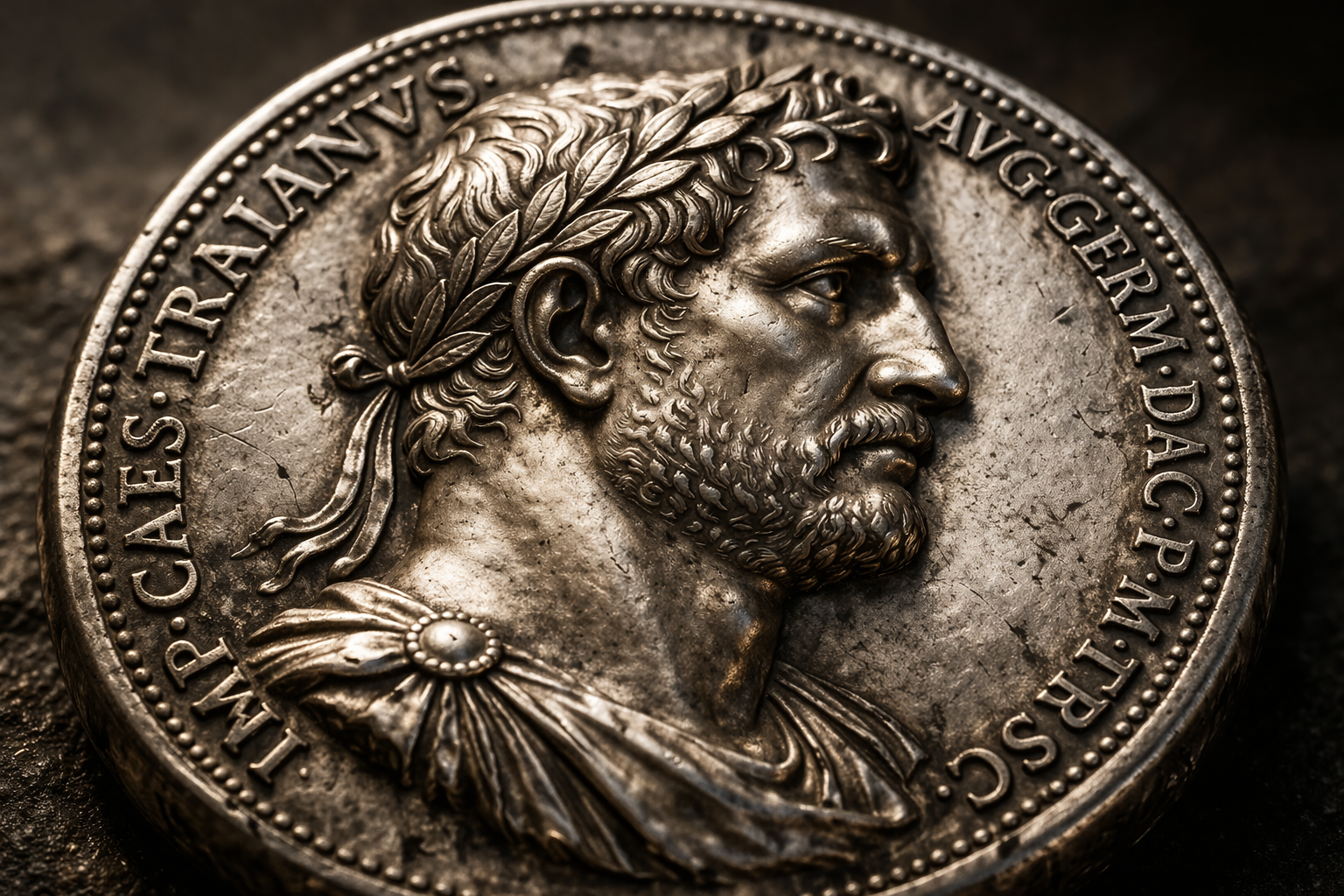
Even people in distant provinces could recognize the emperor’s face.
Coins as political messaging
Roman coins were carefully designed. Nothing was accidental.
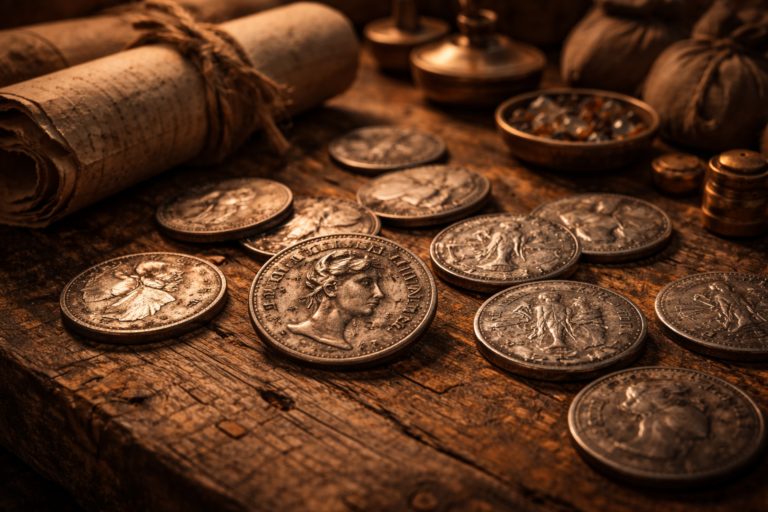
The emperor’s face showed power. But the rest of the coin also told a story.
Symbols, inscriptions, and images carried messages.
Some coins celebrated victories. Others showed peace. Some highlighted strength.
Coins became a form of political communication.
If you explore the broader system of Roman imperial coinage , you will see how structured and intentional this system was.
Changing faces with changing rulers
When a new emperor came to power, coins changed.
New portraits appeared. New messages were introduced.
This was not just tradition. It was strategy.
Coins announced change. They showed who was in control.
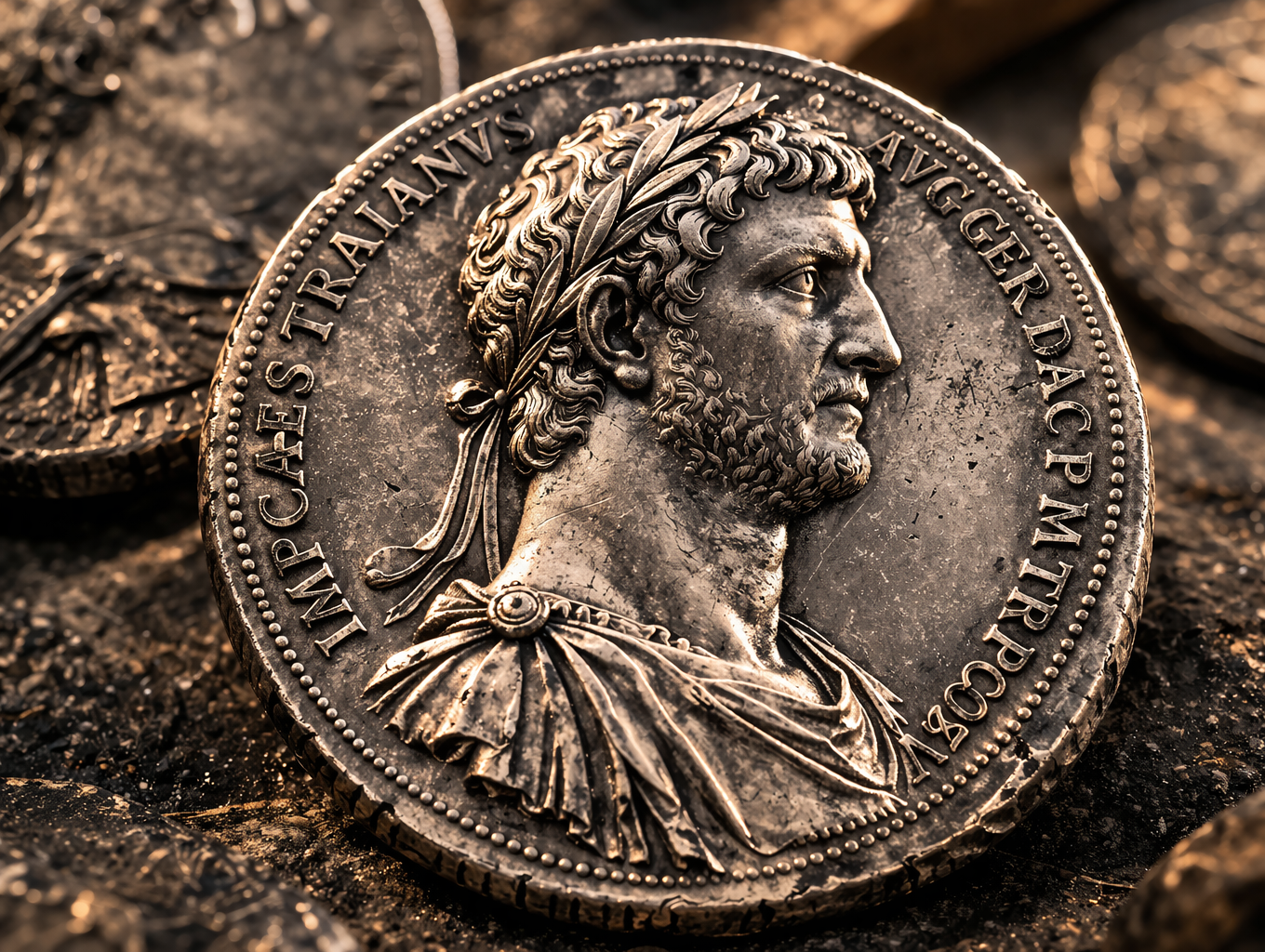
In many ways, coins acted like official announcements.
The connection between trust and authority
Money works because people trust it.
But what creates that trust?
In Rome, part of the answer was the emperor.
His face represented control. Stability. Authority.
People trusted the system because they trusted the power behind it.
Comparison Table
| Purpose | Meaning | Impact |
|---|---|---|
| Authority | Shows who rules | Strengthens power |
| Identity | Spreads emperor image | Unifies empire |
| Messaging | Political communication | Influences perception |
| Trust | Official symbol | Increases acceptance |
Reality Check
Roman coins were not neutral objects. They were carefully designed tools of influence. The emperor’s face was part of a broader system used to shape perception and maintain control.
Final Verdict
Roman coins carried more than value. They carried identity, power, and messages.
By placing emperors on coins, Rome turned everyday objects into tools of influence.
Every transaction became a reminder of authority. Every coin became a small piece of propaganda.
And that is why the faces on Roman coins still matter today.
FAQ
Why were emperors on Roman coins
To show authority, spread identity, and reinforce power across the empire.
Did all Roman coins have emperors
Most imperial coins featured emperors, especially during the Roman Empire period.
Were coins used for propaganda
Yes, coins were one of the most effective ways to spread political messages in ancient Rome.