Why Roman Coins Were Trusted Without Banks
Estimated reading time: 14 minutes.
Today, trust in money comes from institutions. Banks. Systems. Digital records.
But in ancient Rome, none of that existed. No banks as we know them. No digital accounts. Yet people trusted coins. Used them. Relied on them every day.
What this article explains
This article explains why Roman coins were trusted without banks and how trust was built through metal value, authority, daily use, and familiarity across the empire.
- What trust in money really means
- The role of metal value
- The power behind the coin
- Trust through daily use
- Familiarity and recognition
- Why no banks were needed
- How trust spread across the empire
- Table of trust factors
- Reality Check
- Final Verdict
- FAQ
What trust in money really means
Money is not just metal. It is belief.
People accept money because they believe others will accept it too.
In Rome, this belief was not created overnight. It was built slowly. Through use. Through experience.
Coins like the denarius became central to that trust.
The role of metal value
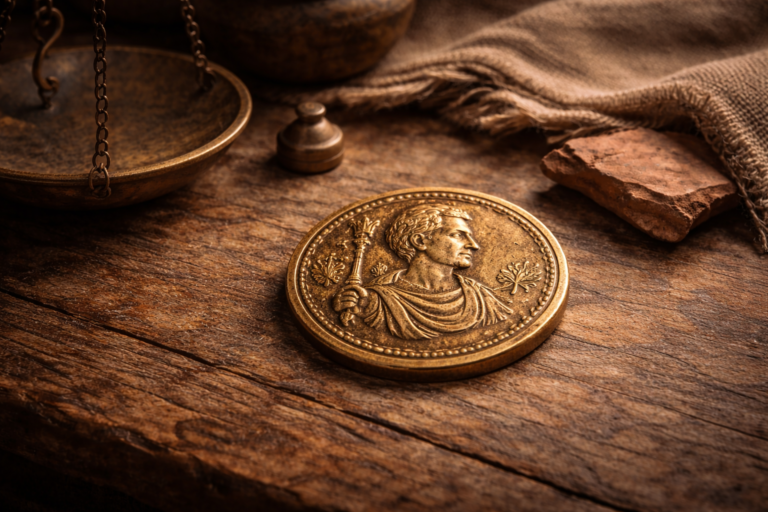
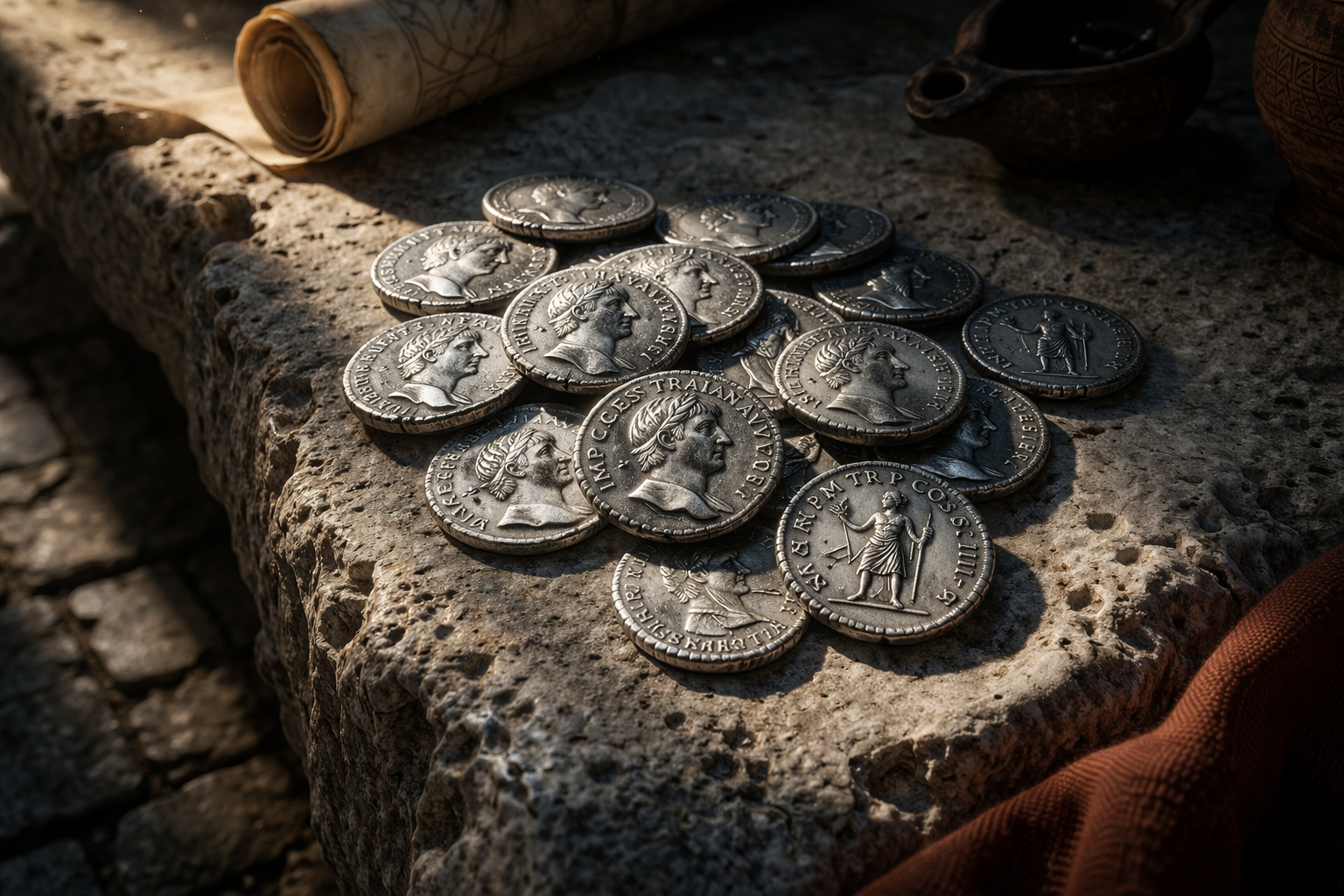
Roman coins were made from real metals. Silver. Gold. Bronze.
This gave them intrinsic value. Even without authority, the metal itself had worth.
This was the first layer of trust.
People trusted what they could feel. What they could weigh.
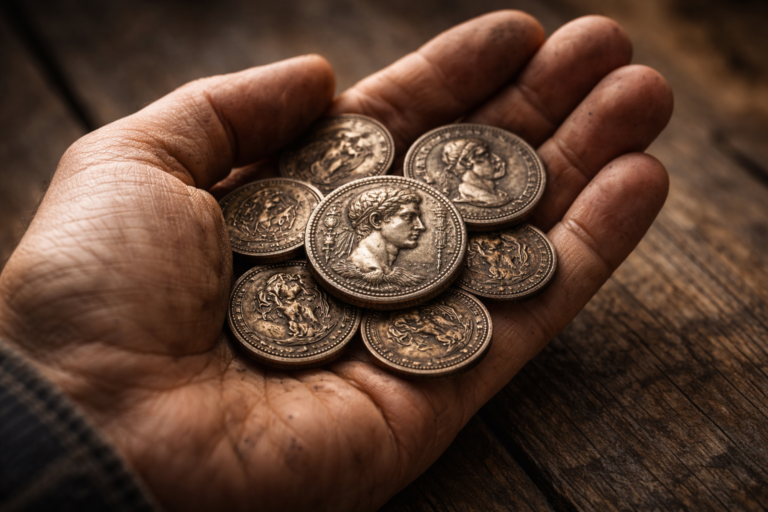
Unlike modern money, Roman coins were not abstract. They were physical value.
The power behind the coin
But metal alone was not enough.
Coins also carried authority.
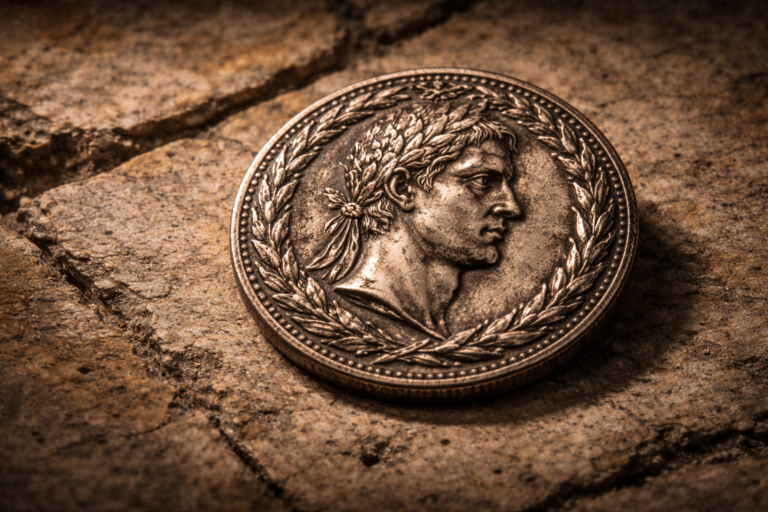
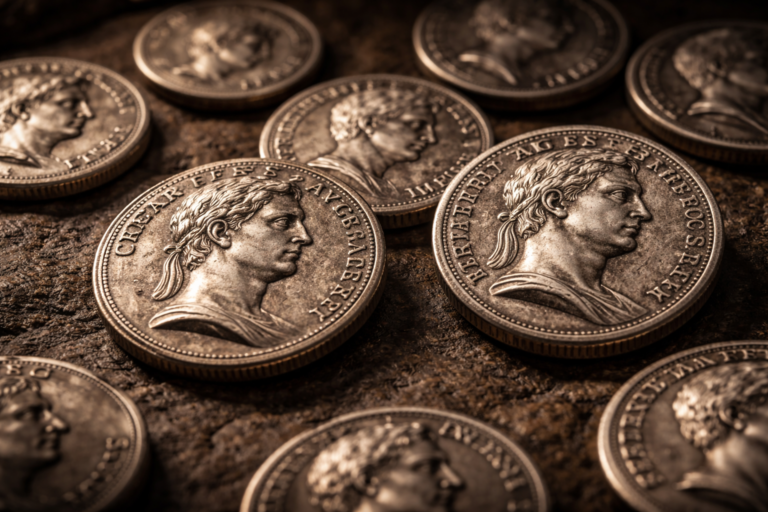
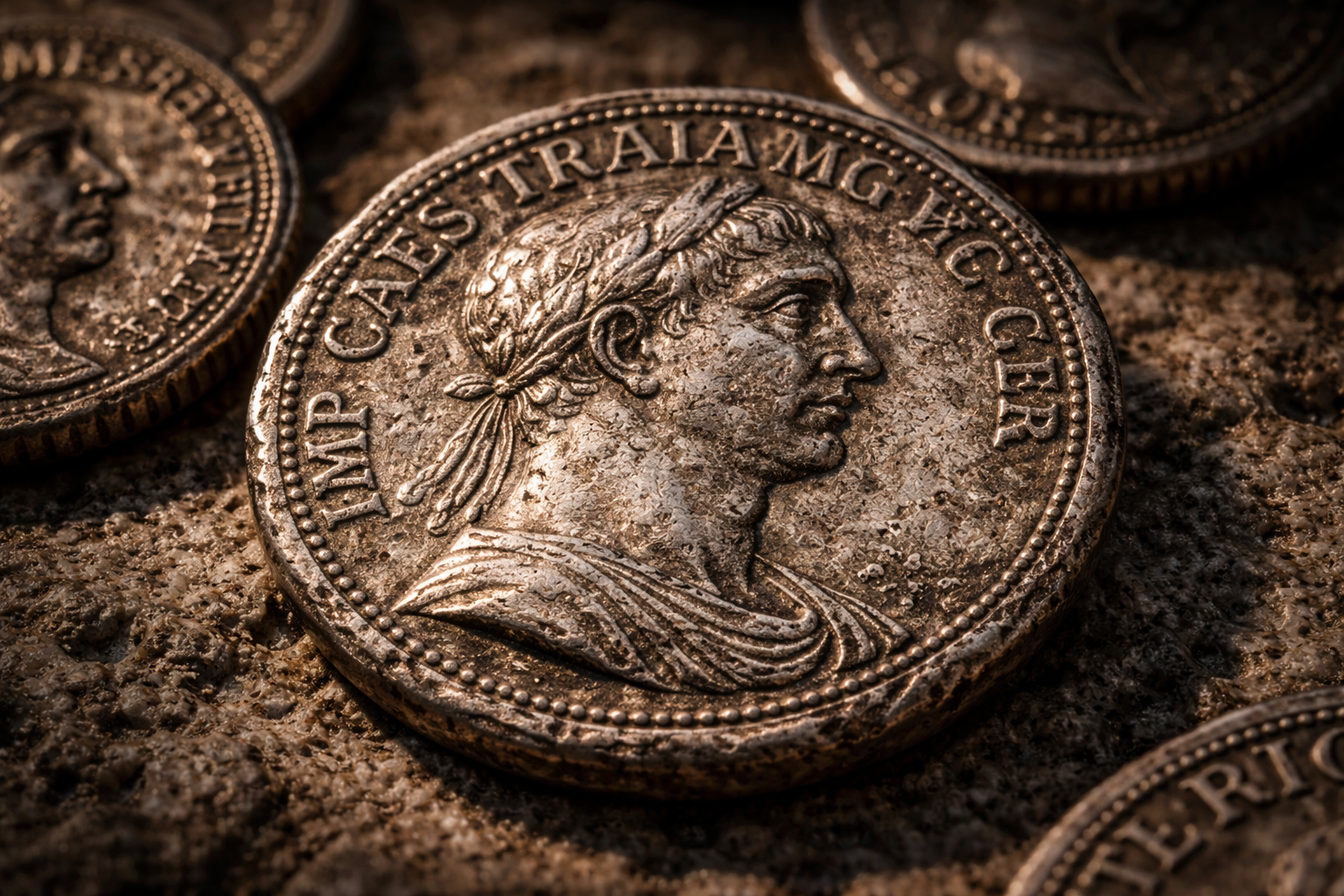
The emperor’s face appeared on many coins. As explained in Roman coin portraits , this was not decoration.
It was a signal.
A message that the coin was backed by power.
Authority created confidence. Confidence created acceptance.
Trust through daily use
Trust grows with repetition.
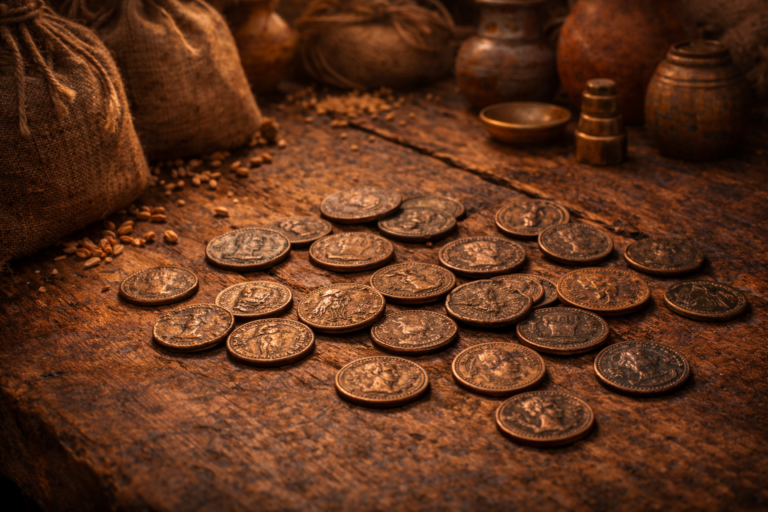
Coins moved constantly. Through markets. Through wages. Through taxes.
Each transaction reinforced trust.
This is why daily life mattered so much.
As explored in Roman daily life with coins , money became part of routine.
Routine creates familiarity. Familiarity creates trust.
Familiarity and recognition
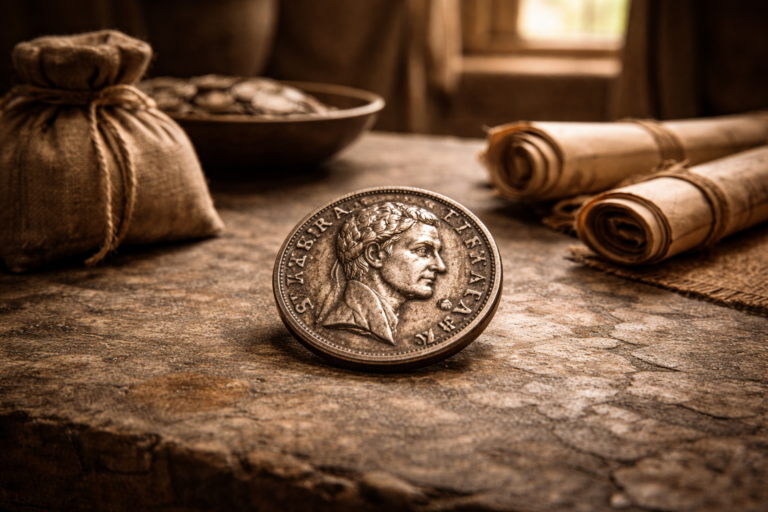
Coins were recognizable.
Their size. Their weight. Their design.
People knew what they were holding.
This reduced uncertainty.
And when uncertainty disappears, trust grows.
Why no banks were needed
Modern systems rely on banks to guarantee value.
Rome did not have that structure.
Instead, trust was built into the coin itself.
Metal value. Authority. Daily use.
These factors replaced the need for institutions.
The system was simple. But effective.
How trust spread across the empire
Rome was vast.
But coins moved everywhere.
From city centers to distant provinces.
Wherever coins traveled, trust followed.
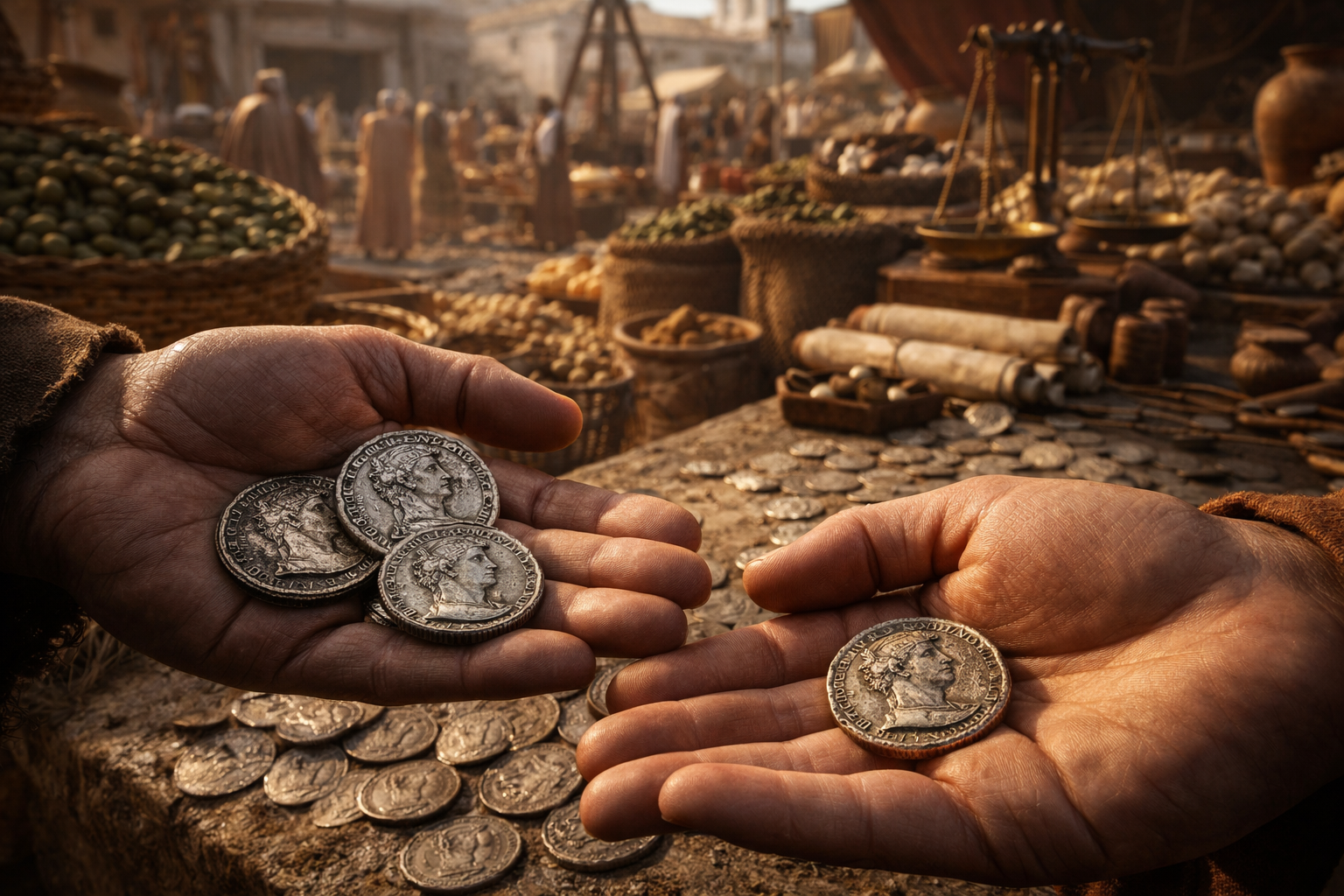
This created a unified system.
People in different regions could trade using the same coins.
That consistency strengthened the economy.
You can explore more about this system in the broader Roman currency system .
Table of trust factors
| Factor | Description | Impact |
|---|---|---|
| Metal value | Silver and gold content | High |
| Authority | Emperor backing | High |
| Daily use | Frequent transactions | High |
| Familiarity | Recognizable design | Medium |
| Consistency | Standard system | High |
Reality Check
Roman coins were trusted, but not perfect. Over time, changes in metal content affected confidence. Trust required maintenance, not just creation.
Final Verdict
Roman coins were trusted without banks because trust was built into the system itself.
Metal gave value. Authority gave confidence. Daily use reinforced belief.
Together, these elements created a stable and reliable form of money.
The system worked not because it was complex, but because it was understood.
FAQ
Why did Romans trust coins without banks
Because coins had real metal value and were backed by authority and daily use.
What made Roman coins reliable
Consistency, recognizable design, and widespread acceptance.
Did Roman coins lose trust over time
Yes, changes in metal content sometimes reduced trust in later periods.