The Untold History of Money People Touched Every Day
Estimated reading time: 10 minutes.
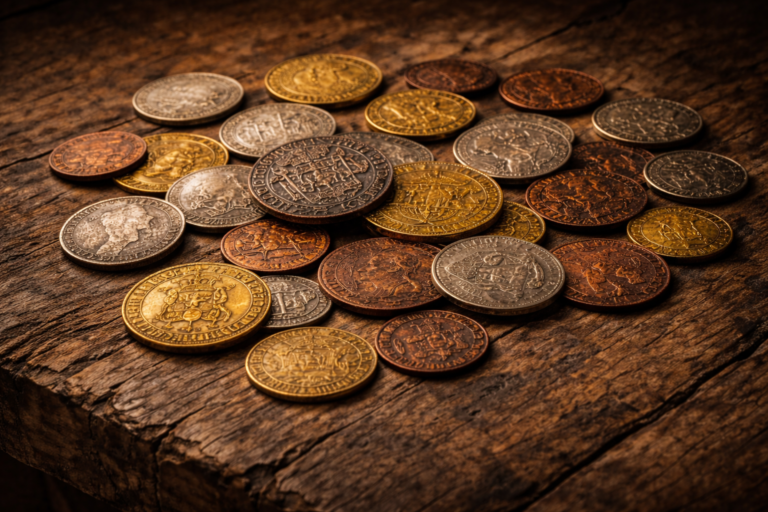
The money people touched every day carried more than buying power. It carried routine, trust, and the quiet logic of ordinary life. Those stories rarely appear in chronicles, but they live in daily coins.
If you want to understand history at street level, follow the everyday money. It shows how people learned fairness, how markets stayed stable, and how small habits shaped entire societies.
What this article uncovers
We explore everyday money as a daily tool. Not value. Not rarity. Just the untold history of how constant use shaped behavior across different eras.
The Untold History Hidden in Routine
The past is often written through kings and wars. Everyday money tells a quieter story. It tells you what happened every day, not what happened once.
A coin that moves constantly becomes part of routine. Routine becomes trust. Trust becomes stability. This is the untold history people rarely notice, because it feels normal.
The most important money is often the money nobody remembers, because it was used too often to become special.
Why Touch Matters in Money History
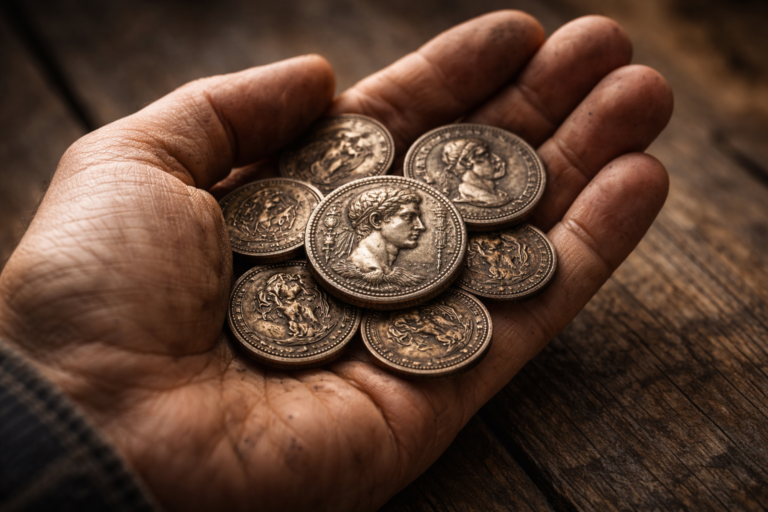
Touch is a form of learning. People learned money by feeling weight, noticing edges, and recognizing shape without thinking. This physical familiarity reduced hesitation during daily exchange.
Everyday money had to survive rough use. It had to stay believable even when details faded. That is why durable signals mattered more than perfect beauty.
Markets Where Everyday Money Learned Trust
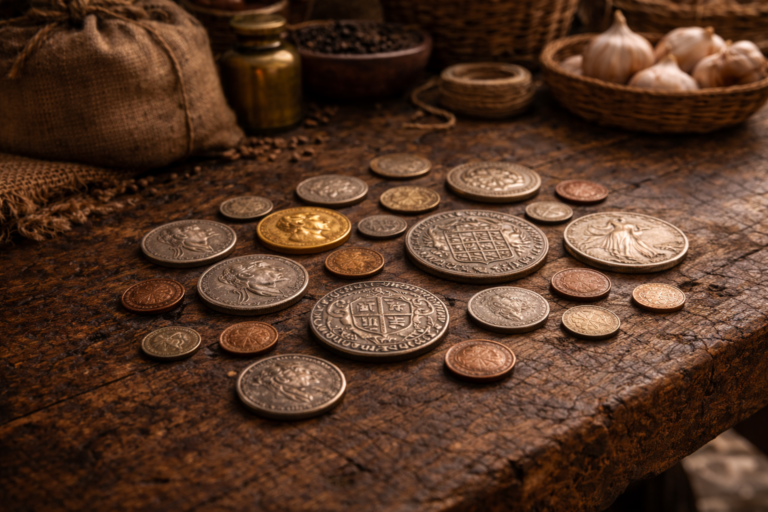
Markets were training grounds. Every quick purchase taught the next purchase. People watched what others accepted and copied it. Shared acceptance became a social rule.
This is why everyday money often feels boring. Boring is efficient. Stability is persuasive. Daily life needs predictable tools.

What People Carried, and What It Says
What people carry daily says a lot about daily life. It shows what needs were common and what risks were expected. Small coins often meant flexibility. The ability to handle everyday moments without delay.
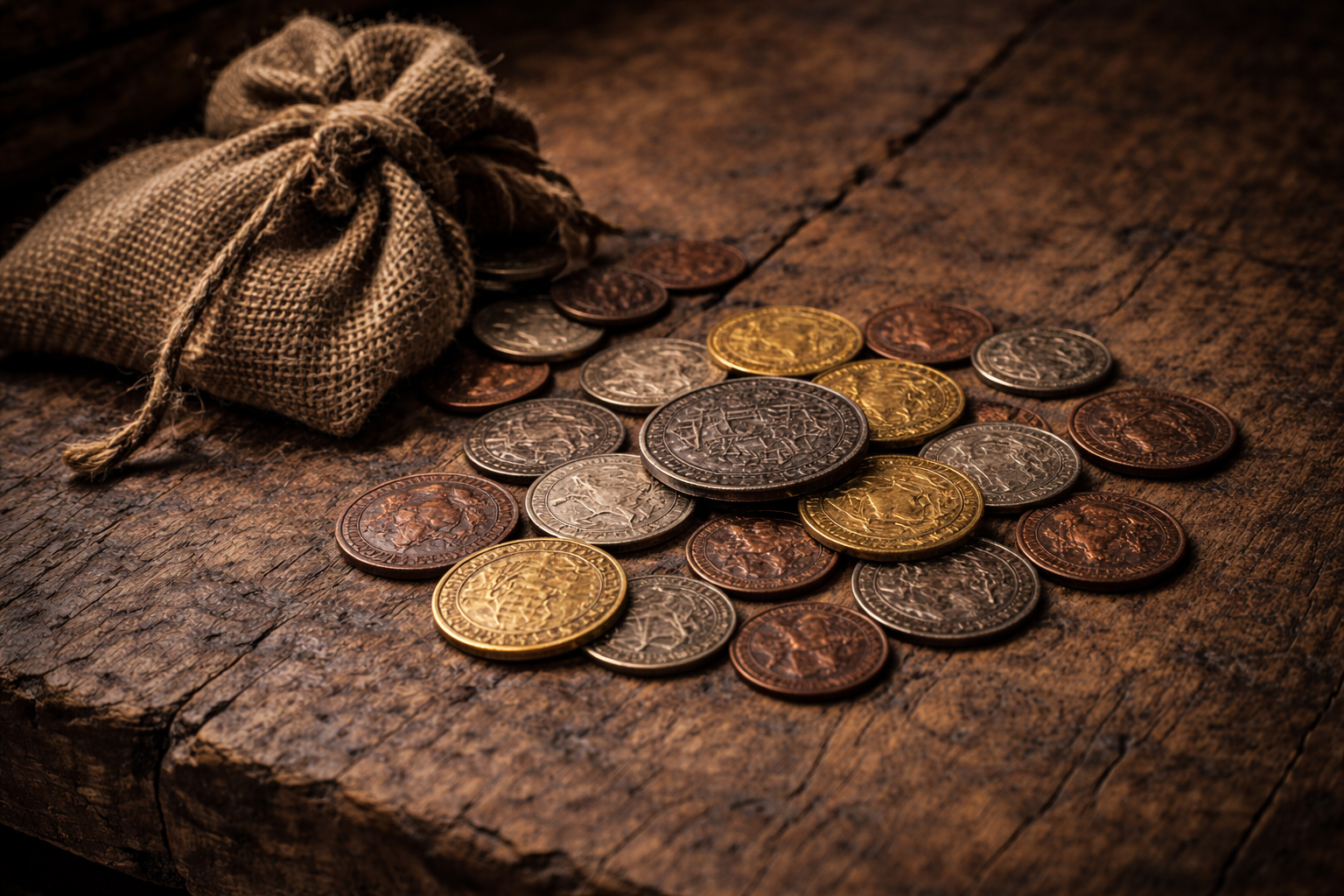
In many societies, a small pouch of common coins meant independence. It meant a person could move, buy, and solve small problems without asking for help. That is a quiet form of power.
Reality Check
Most people did not trust money because they studied it. They trusted money because they used it daily and saw everyone else using it too.
Small Signals That Made Money Believable
Everyday money depended on small signals. Weight that feels right. A size that matches expectation. A look that can be recognized quickly. These signals formed a language of trust.
When those signals changed too suddenly, daily life felt unstable. People hesitated. Markets slowed. That is why everyday money often resisted dramatic redesign.
Everyday Money Roles in Daily Life
Everyday money function table
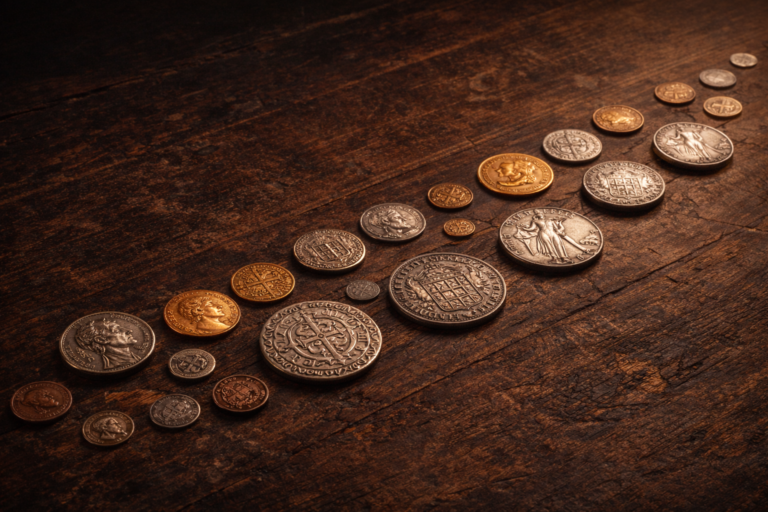
This table focuses on roles and behavior, not pricing, because daily use is the real historical evidence.
| Everyday money role | Daily setting | What it enabled | What it reveals |
|---|---|---|---|
| Quick exchange | Markets and streets | Fast trade without debate | What people bought repeatedly |
| Routine planning | Homes | Small saving and daily decisions | What people feared and prepared for |
| Social trust tool | Communities | Shared acceptance and fairness | How trust spread through habit |
| Mobility support | Travel and local movement | Small costs handled easily | How daily life stayed flexible |
Related PastMint stories
These two articles connect directly with the Everyday Money theme and expand the same ideas.
Final Verdict
Final Verdict
The untold history of everyday money is a history of touch and repetition. Daily use built trust, trained habits, and kept ordinary life moving. If you want the real story of the past, follow the coins people carried every day.
Frequently Asked Questions
Why is everyday money important for understanding history
It reveals routine behavior. Everyday money shows how people learned trust, fairness, and stable trade through repeated use.
What does the word untold mean here
It means the story is rarely written down. The evidence exists in daily use patterns, not in dramatic events.
Does coin wear really tell a story
Yes. Wear is physical proof of circulation. A worn coin suggests constant exchange and everyday importance.
Is this article safe for AdSense
Yes. It is educational and historical, and it avoids pricing, valuation, and financial advice.