What Daily Coins Reveal About Real Life in the Past
Estimated reading time: 10 minutes.
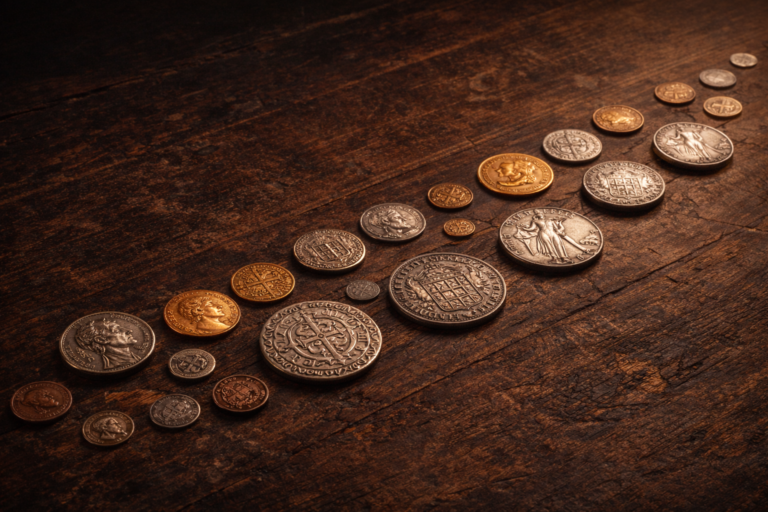
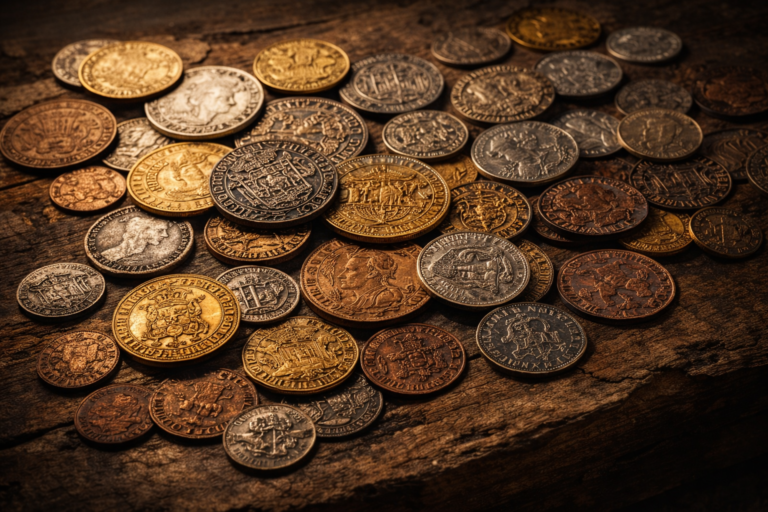
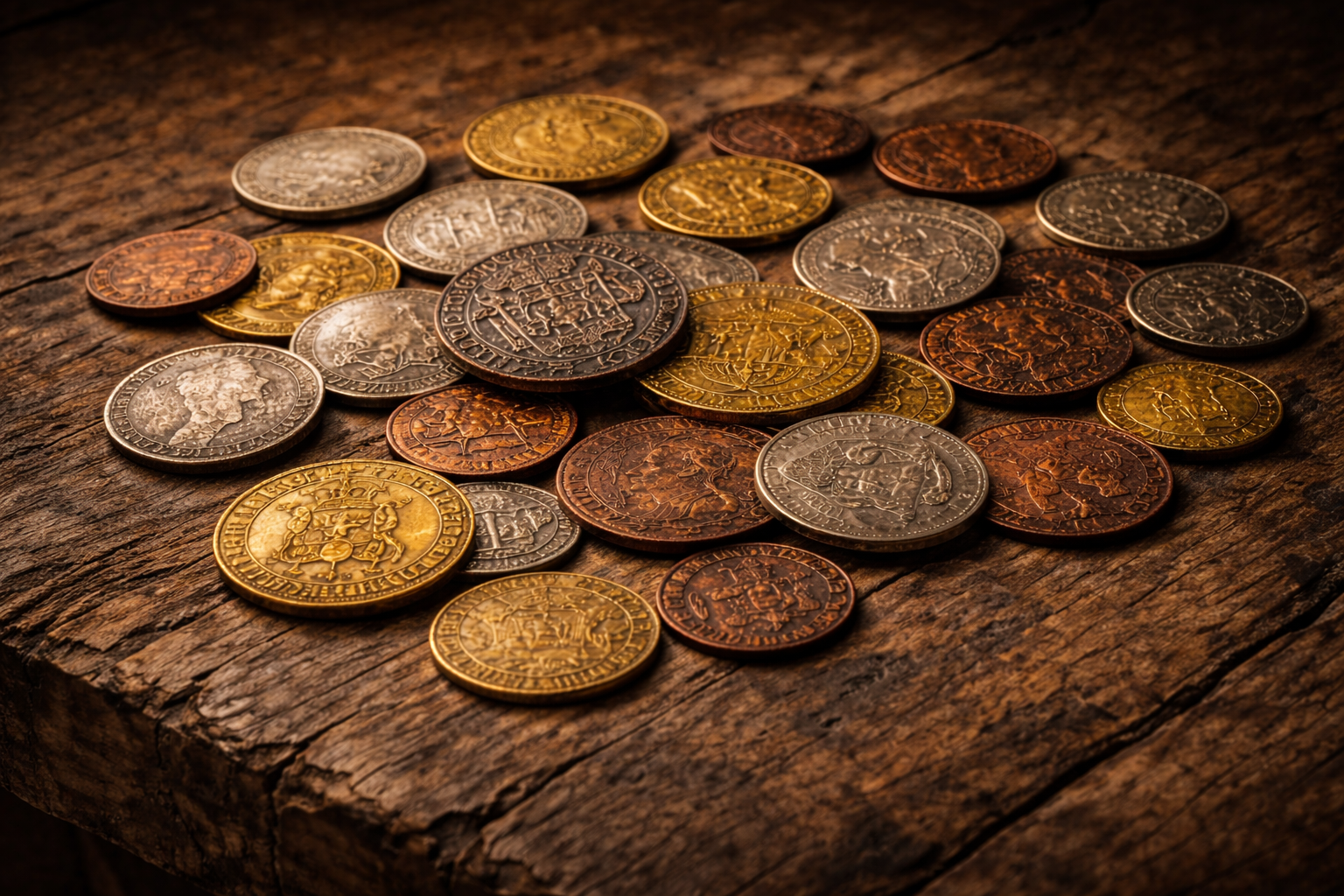
Daily coins are small objects, but they carry big evidence. They reveal what people bought, how trust was learned, and what ordinary routines looked like on real streets.
When you study daily money, you stop guessing about the past and start seeing patterns. Not royal speeches or grand monuments, but habits that repeated so often they shaped entire communities.
What this article focuses on
We look at daily coins as historical evidence. Not for value, but for behavior. How people used small money, how they learned fairness, and how daily trade stayed stable.
Daily Coins as Evidence of Real Life
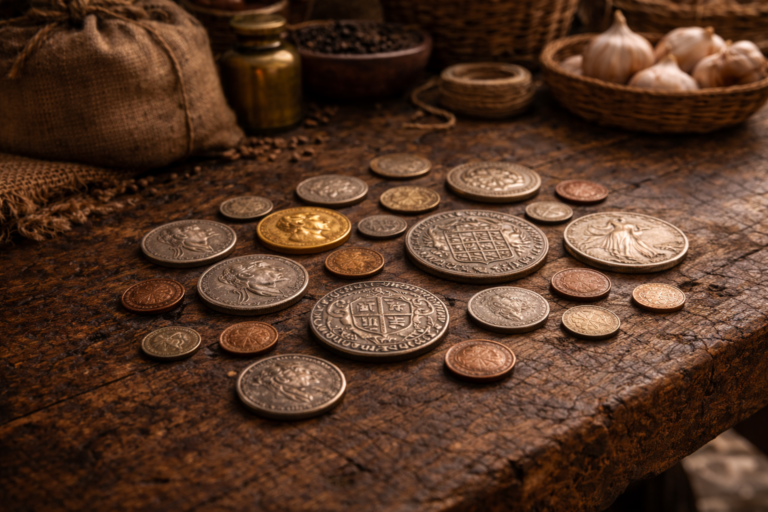
Most historical sources were created by people with power. Daily coins were created for everyone. They moved through work, food, transport, and small negotiations that never reached official records.
That is why daily coins can reveal real life in the past. They show the practical side of society. What was repeated. What was normalized. What was trusted.
A daily coin does not explain the past in words. It explains the past through repetition.
Habits You Can Read on a Coin
People learned money the same way they learn streets. Through use. Through rhythm. Through small mistakes that slowly disappear. Daily coins trained the mind to recognize fairness quickly.
The most common denominations often shaped the strongest habits. They made bargaining smoother. They reduced hesitation. They made daily life faster.
How Trust Worked in Daily Exchange
Trust in money is usually quiet. People do not want to debate metal content during a normal purchase. They want confidence. A coin that feels familiar becomes believable.
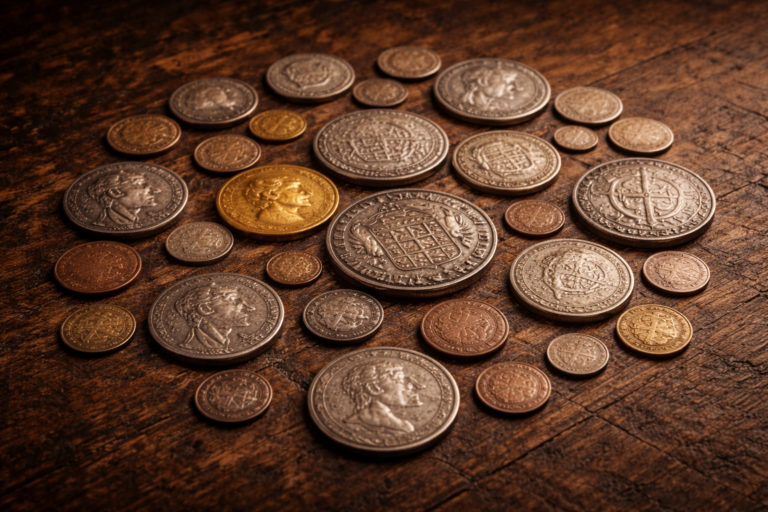
This is why everyday coins often kept stable designs. Familiarity saved time. Familiarity reduced conflict. It turned trade into a routine instead of an argument.
Reality Check
Most of the time, trust in daily money is not built by laws. It is built by repetition, shared habits, and the feeling that everyone around you accepts the same coin.
Markets Homes and Streets
Daily coins lived in ordinary places. Markets where speed mattered. Homes where saving small change created security. Streets where small payments kept movement possible.
The same coin could pass through a merchant, a worker, and a family in one day. Each exchange was small, but the pattern created stability. That is what daily money was built to do.
Wear as a Record of Routine
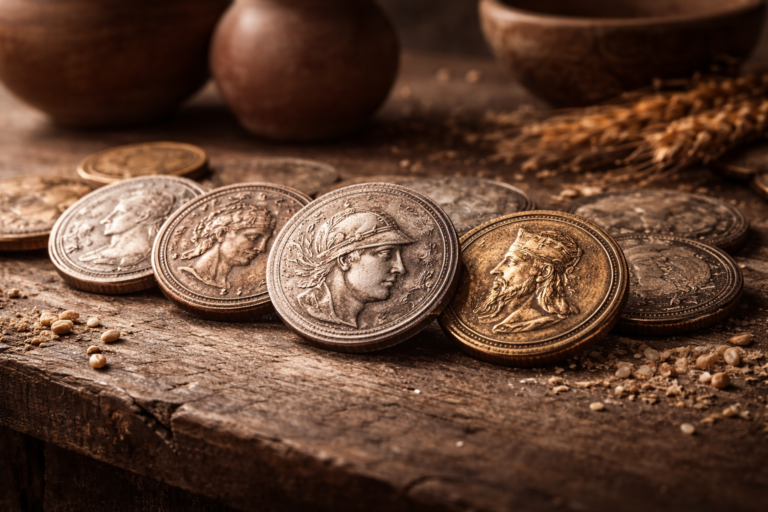
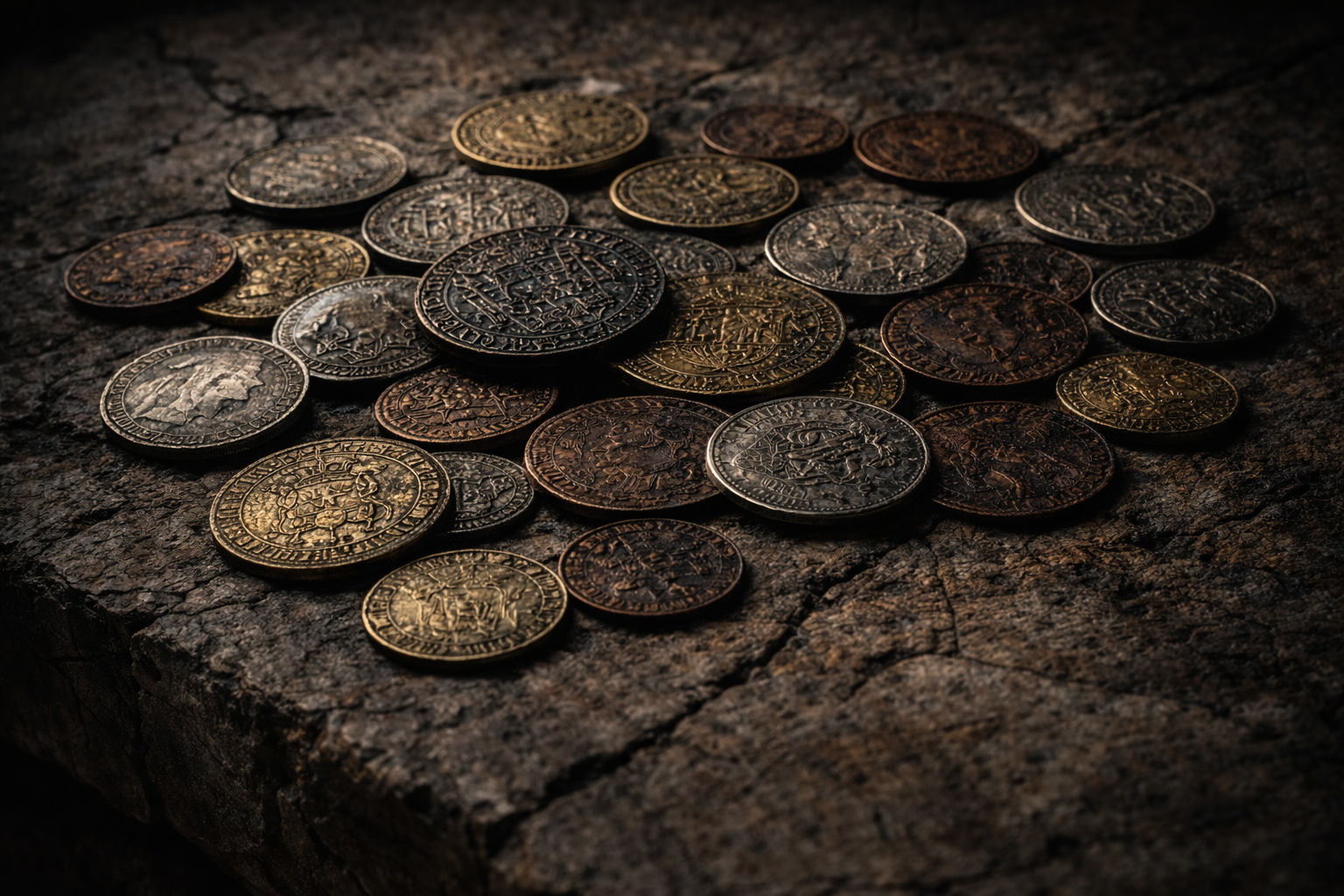
Wear is not just damage. Wear is a record. A smoothed edge can tell you a coin moved constantly. A faded design can tell you it was accepted so often that details stopped being necessary.
In a strange way, the most worn coins often tell the most honest story. They show where life happened. They show what people needed every day.
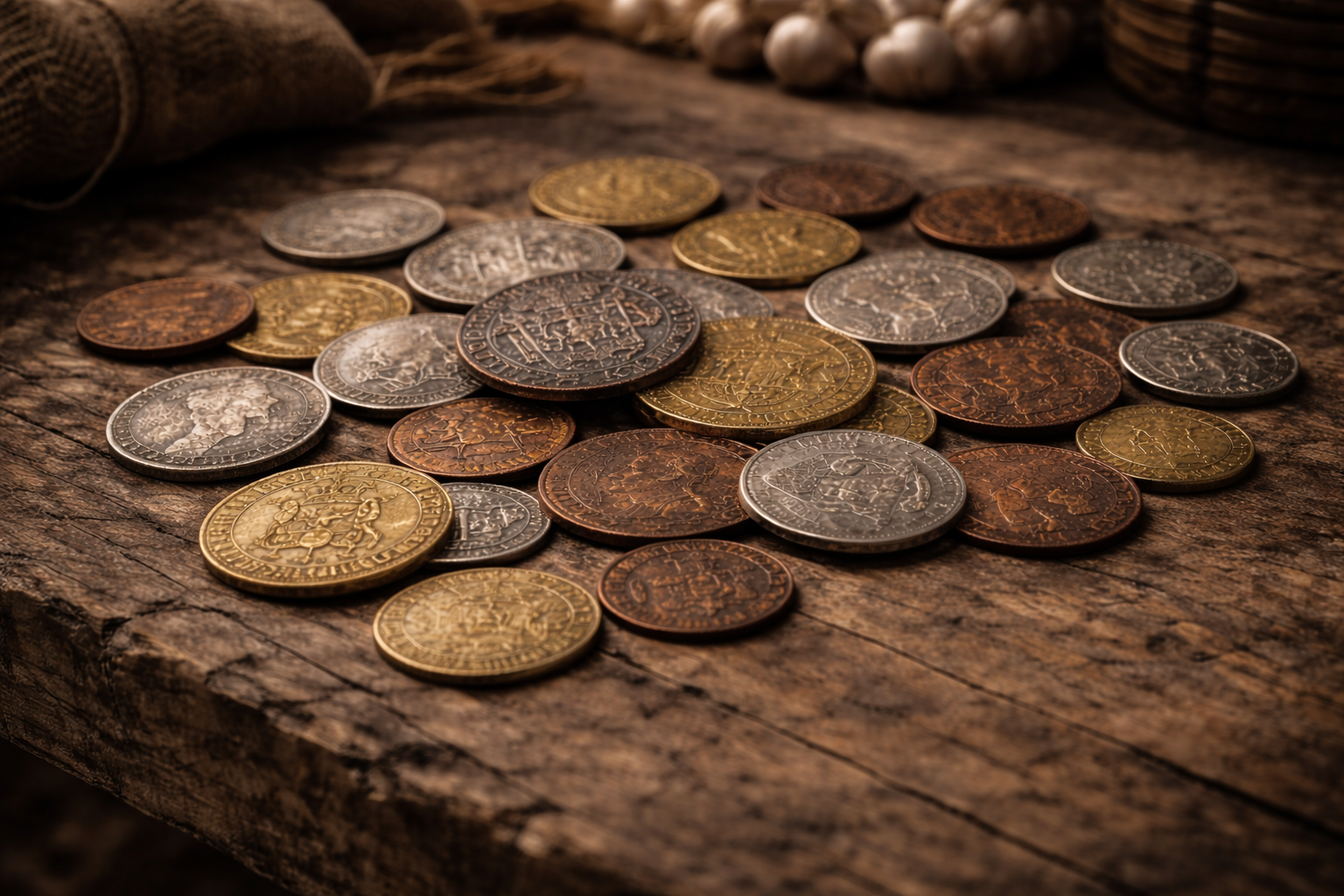
What Daily Coins Usually Did
Simple function table
This table focuses on behavior and function, not pricing, because daily life is the real story.
| Daily coin role | Where it was used | What it made easier | What it reveals about real life |
|---|---|---|---|
| Small change | Markets and street trade | Fast purchases without debate | What people needed most often |
| Routine payment | Work and local services | Predictable exchange and trust | How communities built fairness |
| Household saving | Homes and daily planning | Small security through routine saving | What people feared and prepared for |
| Local identity | Towns and regions | Shared recognition and acceptance | How belonging shaped trust |
Related PastMint stories
If you want a deeper foundation for this topic, these two stories connect directly with the idea of everyday money.
Final Verdict
Final Verdict
Daily coins reveal real life because they were built for routine. They show how people learned trust, how trade stayed stable, and how ordinary habits shaped society. When you follow daily money, you follow the real streets of history.
Frequently Asked Questions
What can daily coins tell us that texts cannot
They show habits that were too normal to be written down. Daily coins reveal repetition, trust, and everyday routines through constant use.
Why do worn coins matter for understanding daily life
Wear is a physical record of movement. A heavily used coin suggests constant exchange and practical importance.
Are daily coins more useful than rare coins for social history
Often yes. Rare coins can show symbols of power. Daily coins show how ordinary people lived and traded.
Is this article safe for AdSense
Yes. It is educational and historical, and it avoids pricing, valuation, and financial advice.