How Common Coins Became Silent Witnesses of History
Estimated reading time. 6 minutes.
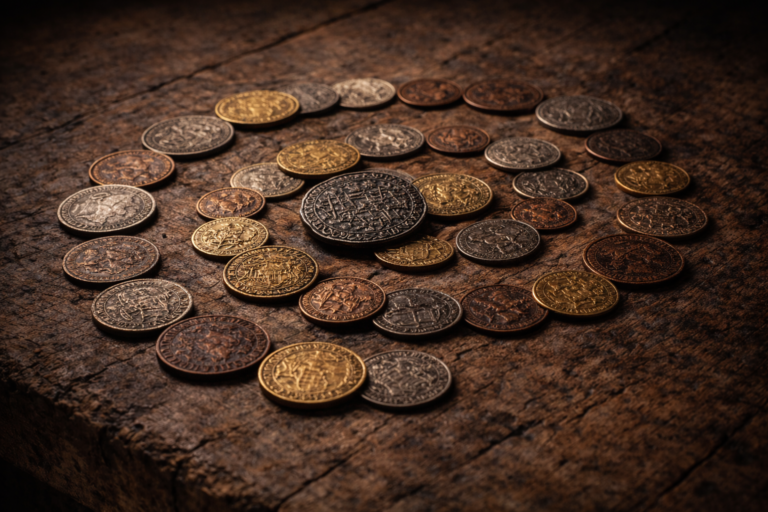
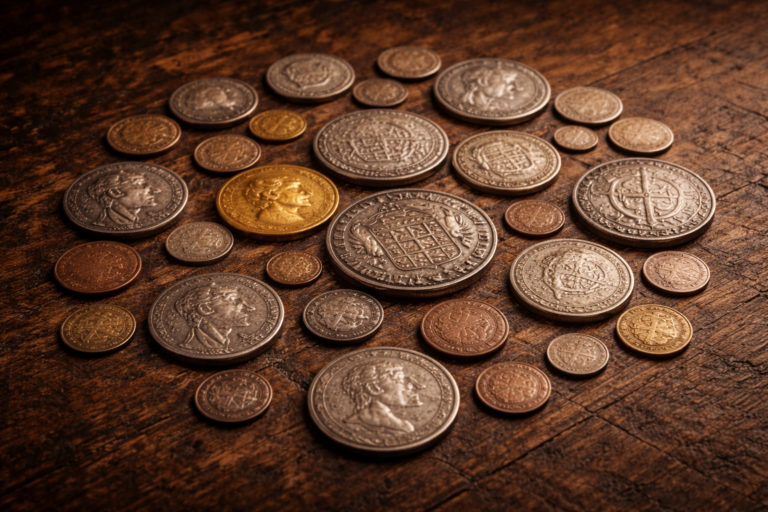
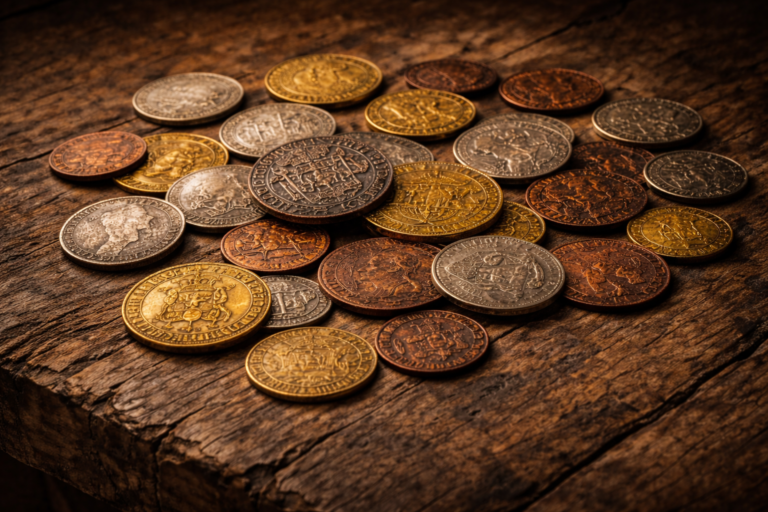
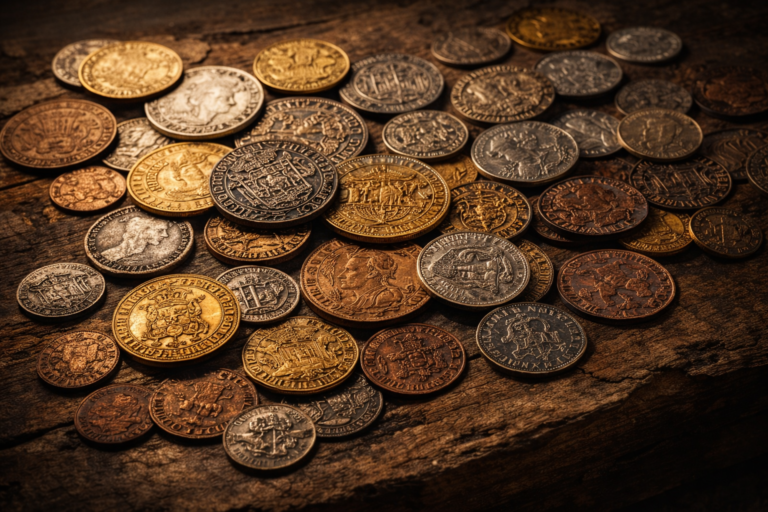
A common coin is easy to ignore. It looks small. It feels ordinary. But that is exactly why it becomes one of the best historical witnesses. It spends its life moving through hands that never make it into textbooks.
When a coin is used every day, it records daily life in quiet ways. Not with speeches or dates. With wear on the high points. With the habits people repeat. With the small choices that keep a household and a market running.
What this article uncovers
- Why everyday coins are better witnesses than rare ceremonial pieces.
- How wear patterns reveal routine behavior and movement.
- What market coins tell us about trust and social rules.
- How household coins shaped planning, fairness, and independence.
Why Common Coins Make Powerful Witnesses
Big historical events leave loud records. Laws. Monuments. Names. But ordinary life is mostly quiet. It repeats. It adapts. It survives. If you want to understand what life felt like on a normal morning in the past, you need evidence that lived in normal mornings.
That is what common coins are. They are not the money of a single ceremony. They are the money of errands. Bread. Transport. A small cup of something warm. A tool repair. A quick payment to keep a promise.
Coins that circulate widely become witnesses because they enter every layer of life. They cross social boundaries. A vendor uses them. A traveler uses them. A worker uses them. A parent uses them. The coin does not care who holds it. It simply keeps moving, picking up evidence with every exchange.
Common coins do not tell history with words. They tell it with repetition.
Wear as Evidence of Real Routines
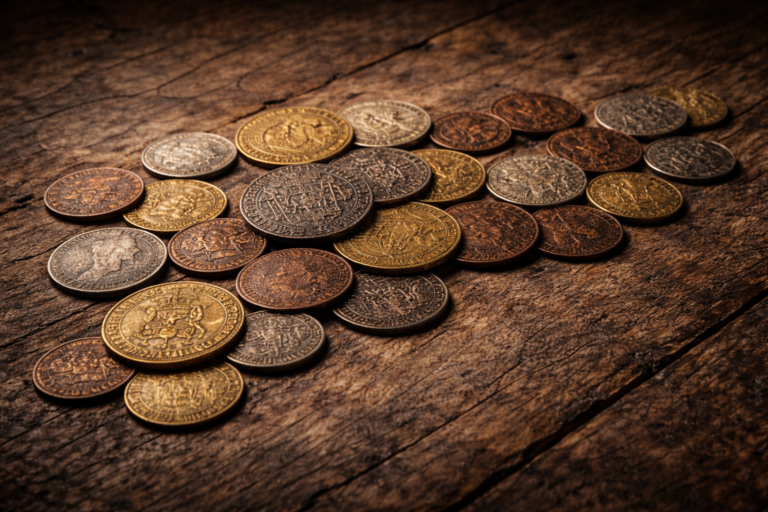
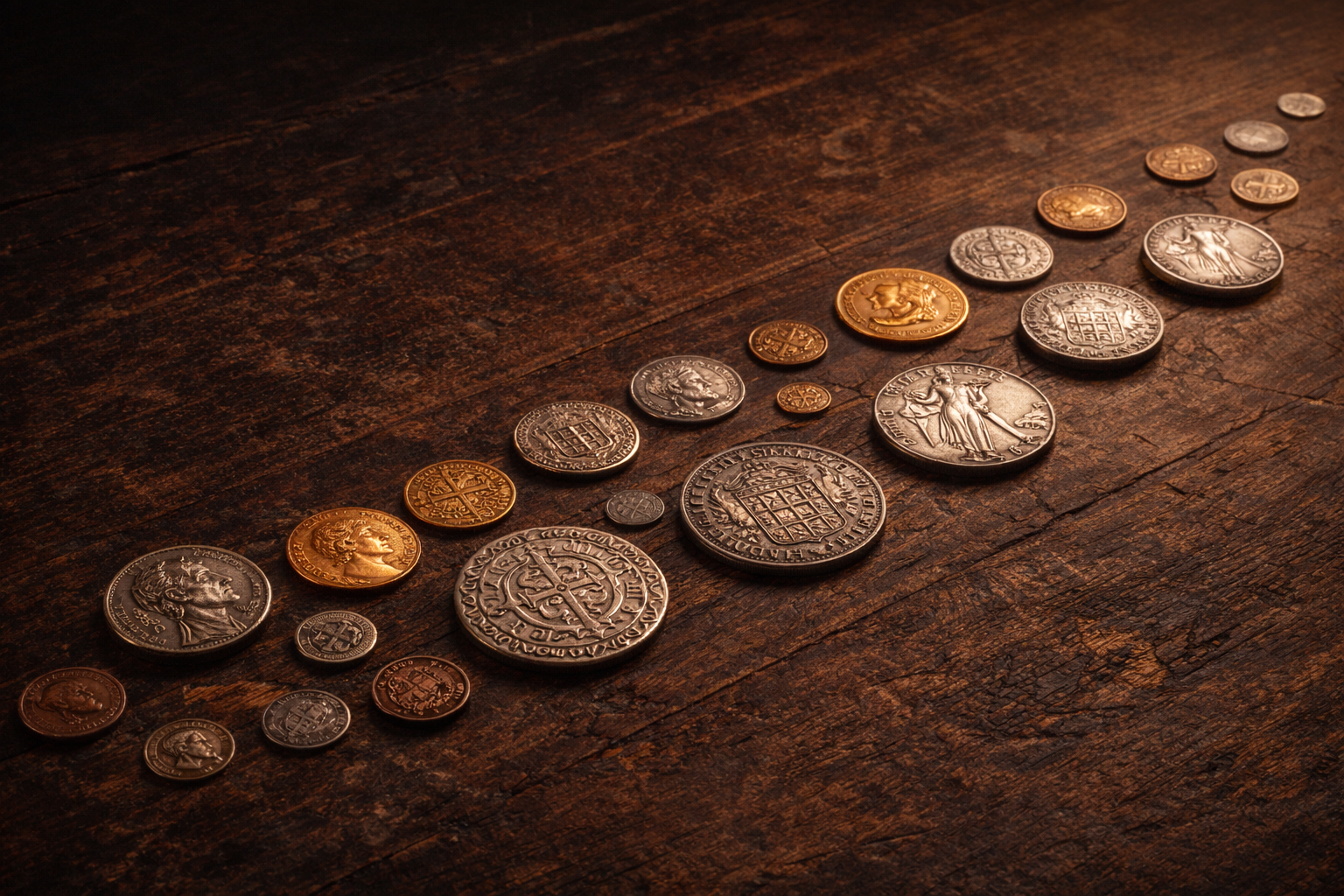
When historians talk about a coin’s wear, they are not admiring damage. They are looking at proof of life. Wear shows what was touched most. It shows how quickly people needed recognition. It shows what the fingers met first.
A coin that stays crisp did not travel far. A coin that becomes smooth did not just move. It worked. It served as the default tool for solving daily problems in a community.
Over time, repeated use turns money into a familiar object. Familiarity is a form of trust. People accept what feels normal. They hesitate around what feels strange. That is why everyday coins become a bridge between the idea of value and the feeling of safety.
Reality Check
Most people did not trust money because they studied it. They trusted money because it kept working in public, every day, in front of everyone.
Markets Taught Trust Faster Than Laws
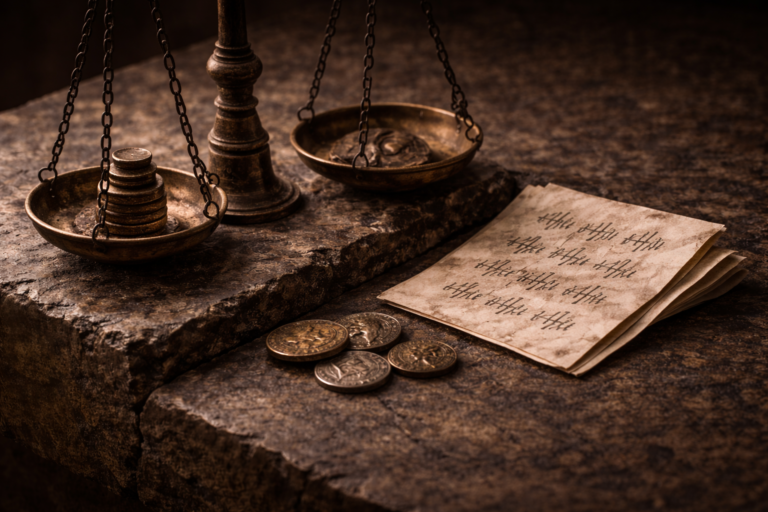
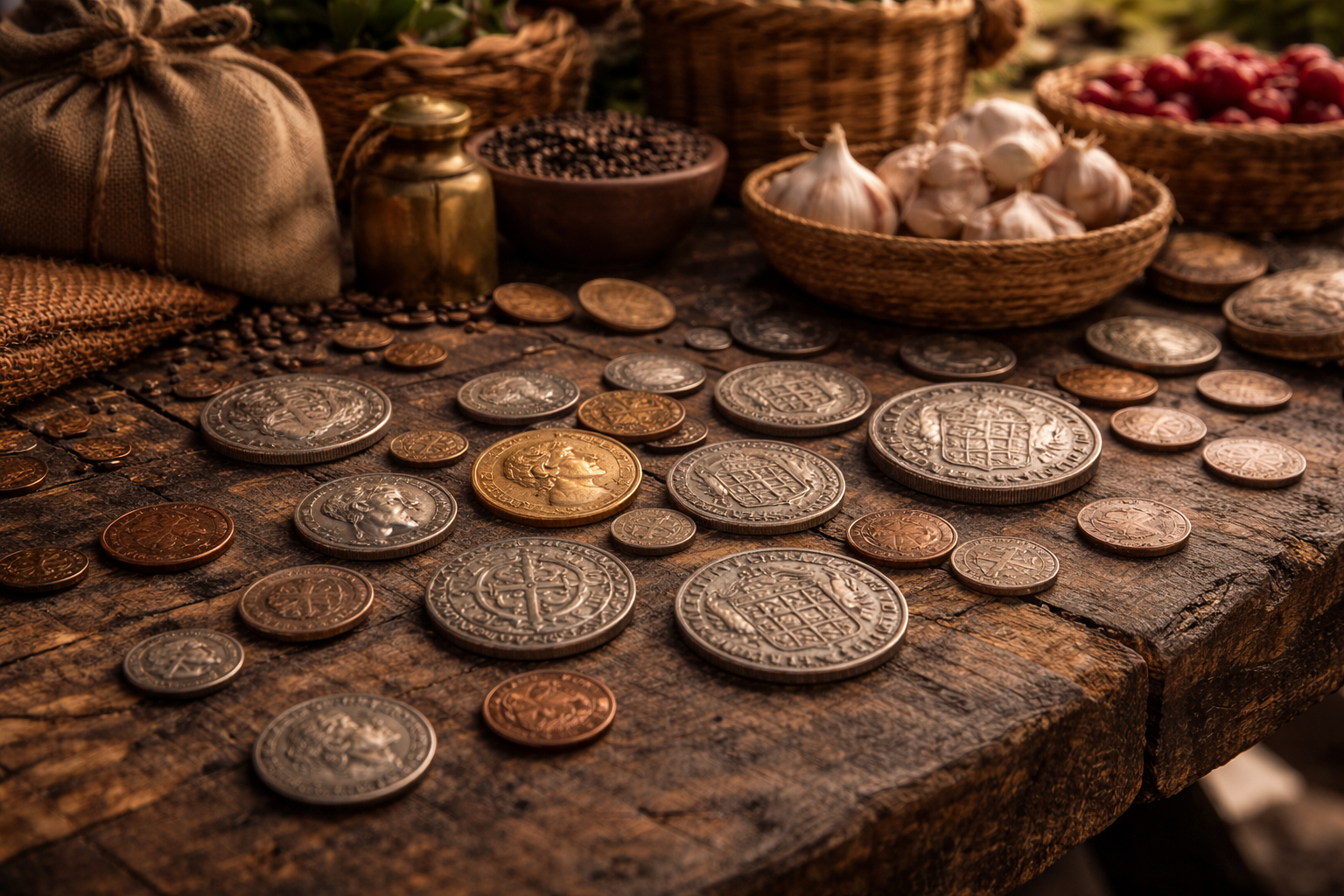
In many societies, the market was the true classroom of money. A government can stamp a symbol. A ruler can announce a new issue. But trust is tested where a person must pay quickly and move on. A busy stall does not have time for long debates.
Common coins solved a social problem. They reduced friction. They turned negotiation into routine. A shopper could focus on choice instead of verification. A seller could focus on service instead of suspicion.
Over time, this created a cultural rhythm. When people share a payment habit, they share a small social rule. The rule says. We accept this. We agree on this. We do not fight over this.
That is why common coins can reveal community structure. They show how trade happened. They show how fast a place moved. They show what problems people tried to avoid. A society that depends on small coins daily is a society that values quick resolution.
Household Coins and the Logic of Daily Life
Money inside a home is different from money in a market. In public, money is about agreement. At home, money is about planning. A small pile of everyday coins often decided what could happen next.
A household used common coins to handle the small uncertainties that appear in every era. A child needs something. A pot breaks. A trip becomes necessary. A neighbor needs help. Common coins were the flexible tool that kept a family from being stuck.
This is why everyday money is a witness of real life. It reveals priorities. It reveals fears. It reveals how much freedom an ordinary person could carry. Even a small amount of spendable coin can mean independence. It means a person can act without permission.
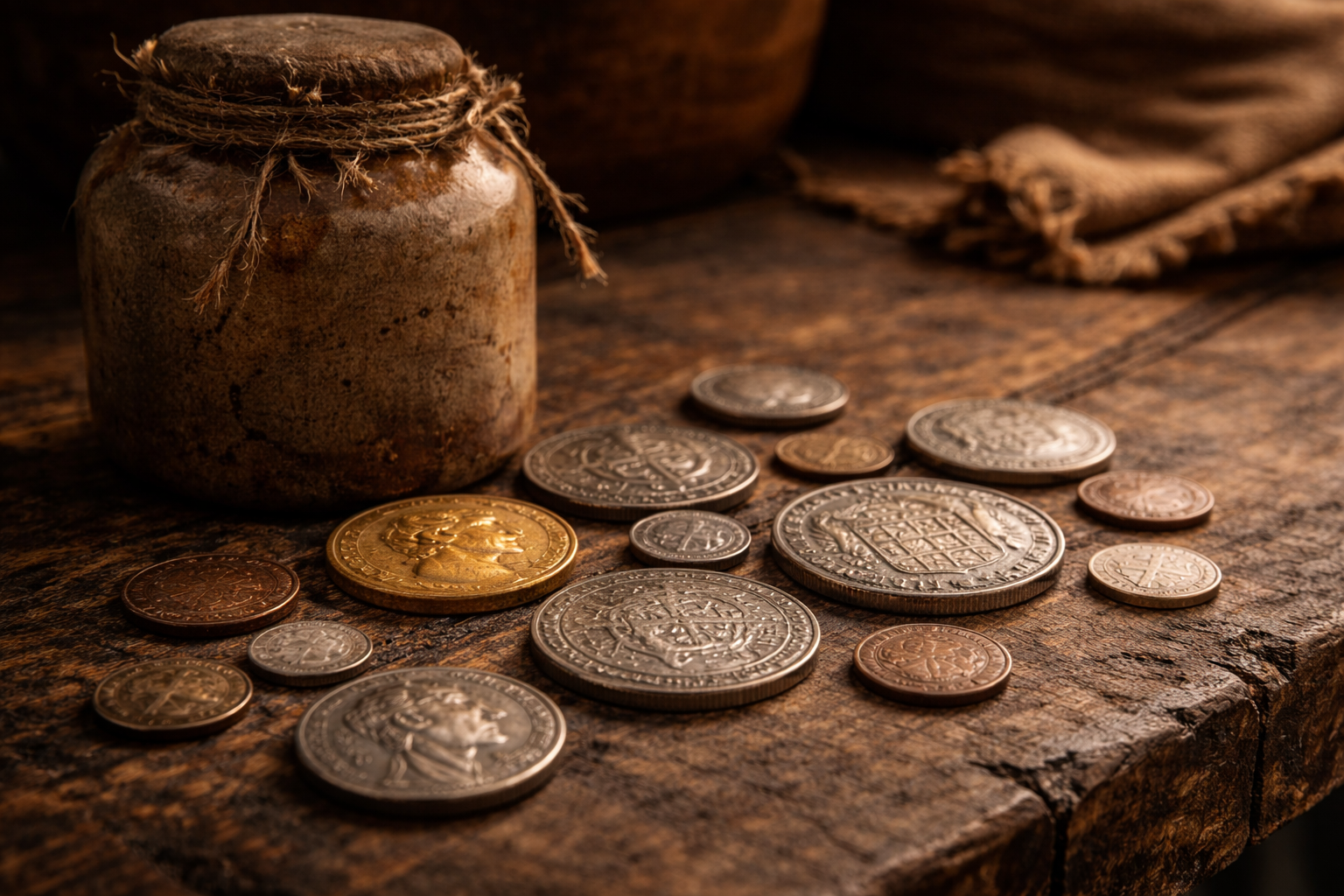
Small Design Signals That Protected Belief
Everyday coins had a job beyond buying things. They had to be believable. That belief often depended on small signals. Weight that feels right. A size that matches expectation. A shape that a person can identify by touch.
These signals mattered because daily life is fast. People do not want to stop and inspect. They want to recognize. Recognition creates calm. Calm keeps commerce moving.
When a coin’s signals changed too sharply, people reacted emotionally. They hesitated. They suspected. They slowed down. That reaction itself becomes historical evidence. It shows how fragile routine can be, and how important shared habits are.
Everyday Coin Clues Table
Everyday coins as historical witnesses
This table focuses on behavior and social meaning. It avoids pricing and valuation, because daily use is the real evidence.
| Clue on the coin | Where it appears | What it suggests | What it reveals about life |
|---|---|---|---|
| Heavy wear on high points | Faces, symbols, raised edges | Fast handling and constant exchange | A routine economy with repeated small purchases |
| Smoothed rims and edges | Outer border of the coin | Coins lived in pockets and pouches | People moved, traveled, and carried money daily |
| Consistent size and feel | Across many issues | Design stability mattered for trust | Markets needed recognition more than novelty |
| Marks of long circulation | Surface scratches and contact marks | Money passed through many hands | A shared system connecting strangers through habit |
Related PastMint stories
These two articles continue the Everyday Money theme and connect directly to the same quiet evidence.
Final Verdict
Final Verdict
Common coins became silent witnesses because they lived where history is usually invisible. In markets. In homes. In pockets. In daily decisions. If you want to understand real life in the past, follow the money people used without thinking, every single day.
Frequently Asked Questions
Why do common coins reveal more than rare coins
Because they circulated widely. They captured routine behavior and repeated choices, which is where everyday life actually happens.
Does coin wear really count as historical evidence
Yes. Wear is physical proof of circulation. It shows that a coin was handled, trusted, and used again and again in real settings.
What does it mean when design stays the same for a long time
It usually means stability mattered. Familiar signals helped people recognize money quickly and avoid hesitation in markets.
Is this article safe for AdSense
Yes. It is educational and historical, and it avoids pricing, valuation, and financial advice.