How Roman Coins Were Used in Daily Life

Estimated reading time: 10 minutes.
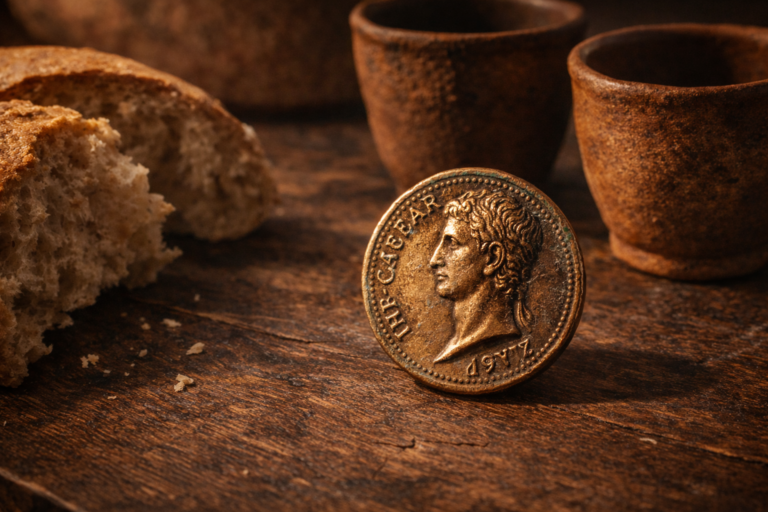
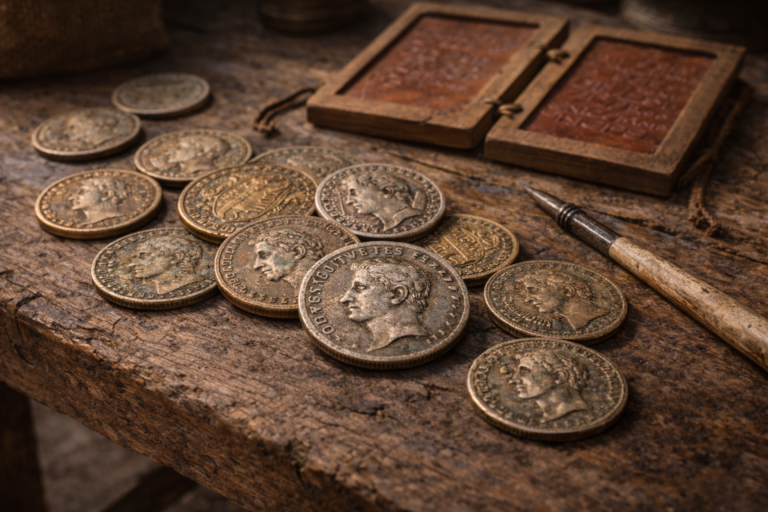
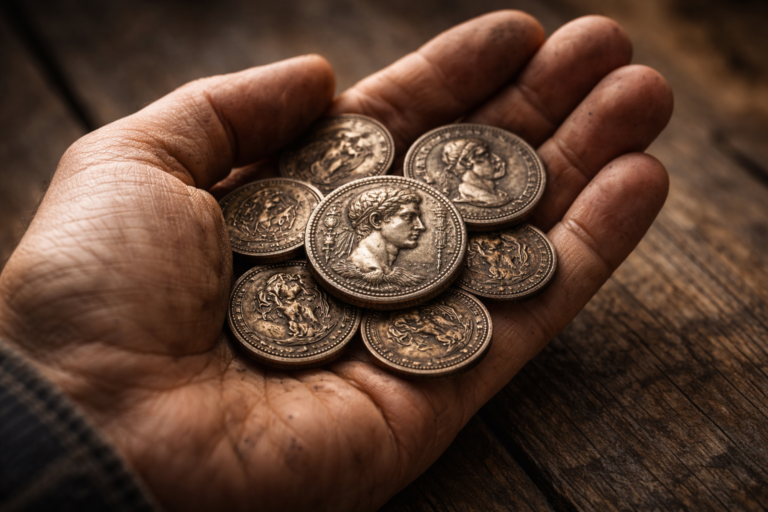
Roman coins were not museum objects in their own time. They were handled, counted, and spent in ordinary places, by ordinary people. If you want a clear view of Roman daily life, start with the money that moved through hands every day.
In this Roman Coins series, we focus on how coin use worked on the ground level. For more Roman coin stories and context, you can browse the Roman Coins collection here: Roman Coins.
What this article explains
We explore how Roman coins were used in daily life through markets, wages, travel, and routine payments. This is a historical and educational article, with no pricing, valuation, or investment advice.
Where Roman Coins Appeared in Everyday Life
Roman coin use showed up wherever routine life required trust between strangers. Buying food. Paying for small services. Covering local travel. Handling household needs that could not wait. In other words, coin use lived in the same places life lived.
The Roman world was wide and diverse, but daily coin habits shared a common goal. Reduce friction. Make exchange predictable. Let ordinary people move through a day without constant negotiation.
The fastest way to understand an empire is to watch how its people pay for ordinary life.
Markets and Daily Trade in the Roman World
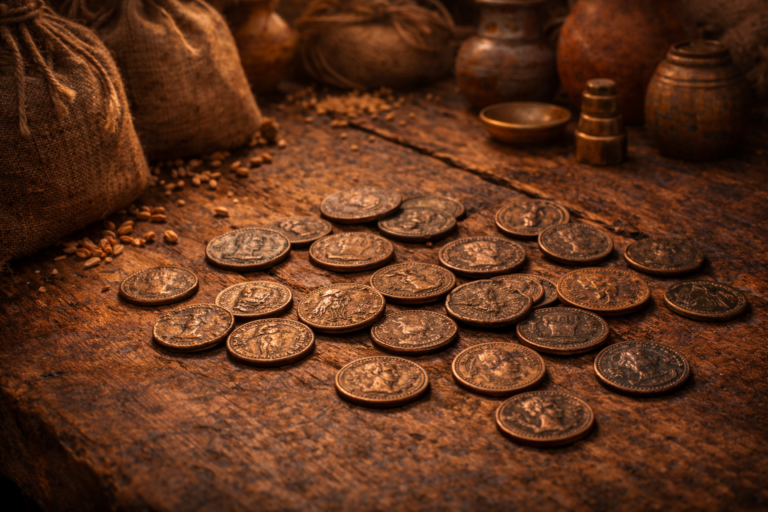
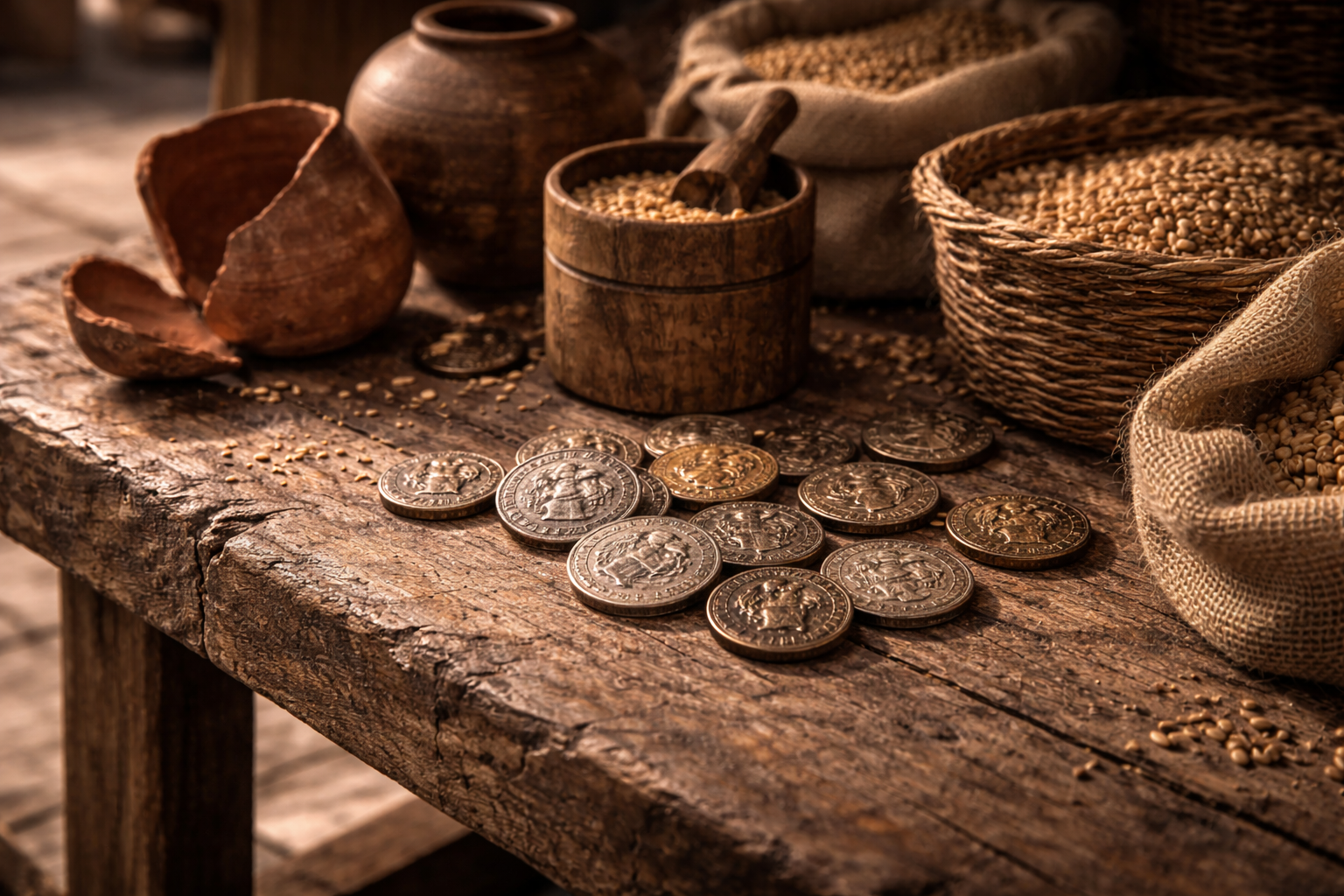
Markets were the most visible stage of Roman coin use. A busy market does not survive on speeches. It survives on quick recognition and repeatable habits. Coins helped people make decisions fast and kept trade moving.
Even when goods and languages differed from region to region, the market logic stayed familiar. Recognize the coin. Accept it quickly. Complete the exchange. Move to the next customer. Roman coins were built for that rhythm.
Reality Check
Most Roman coin use was not dramatic. It was routine. That routine is exactly what makes coins such strong evidence of daily life.
Wages Travel and Routine Payments
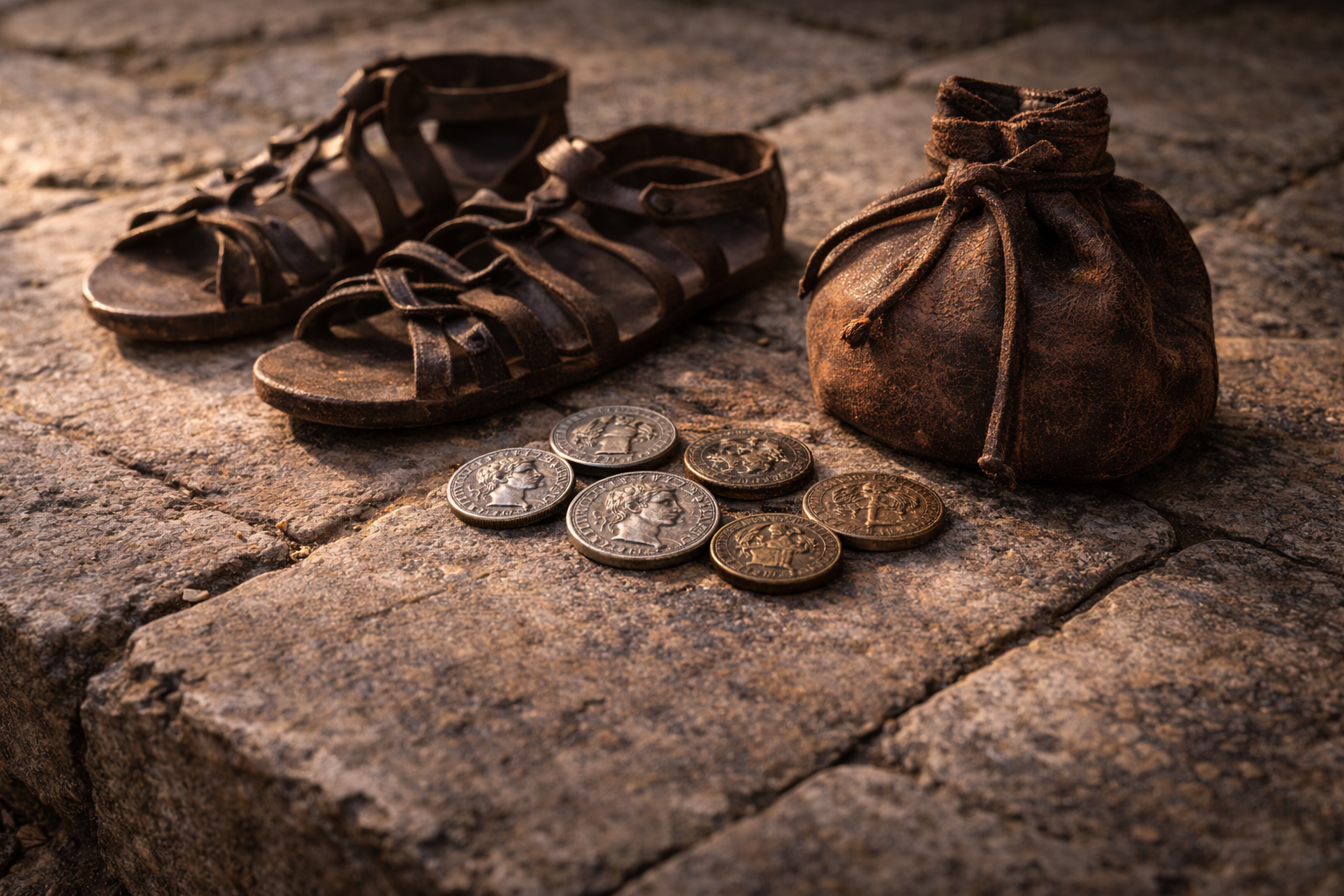
Coins were also a practical tool for wages and movement. People needed money that could be carried, divided, and spent in small amounts. That mattered for workers, travelers, and anyone trying to manage a day of small costs.
A Roman road is not only a path for armies. It is a path for ordinary movement. Coins made that movement easier by turning services and needs into quick exchange.
Trust and Recognition Across the Empire
Daily coin use depends on trust. And trust depends on recognition. A coin that feels familiar reduces hesitation. It allows exchange to happen without long inspection.
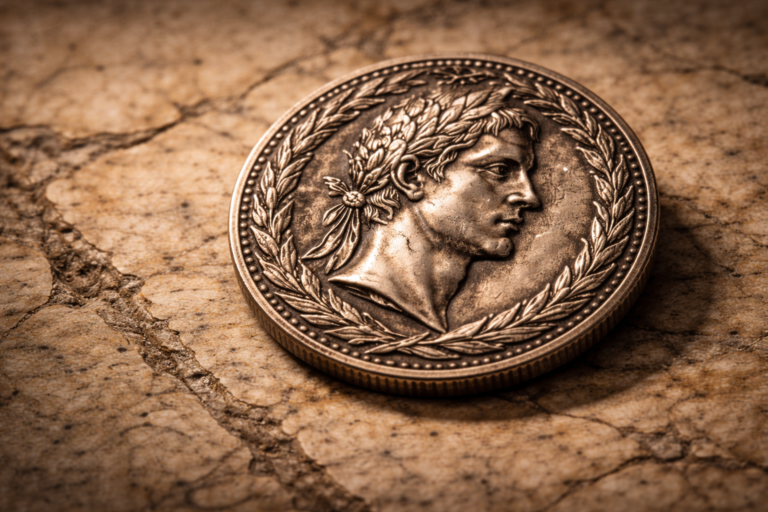
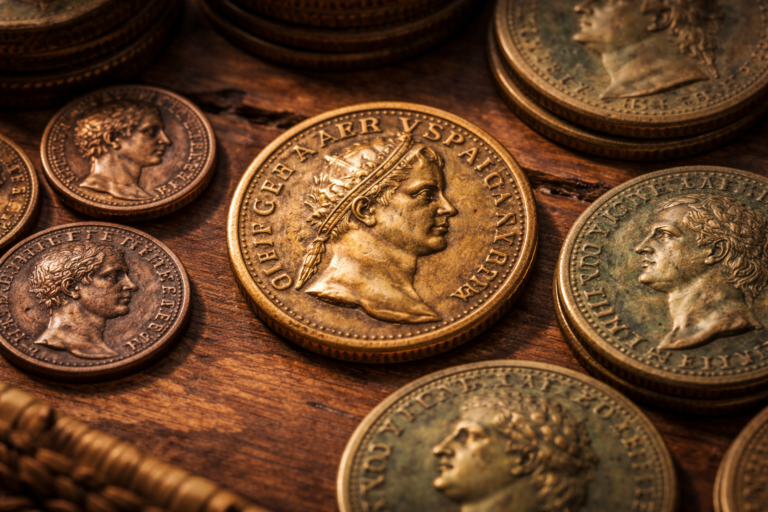
One reason Roman coins spread so effectively is that they carried recognizable authority signals. If you want a deeper explanation of how political messaging and authority appeared on Roman coinage, see: Why Roman Emperors Appeared on Coins. It connects directly to why people were willing to accept coins quickly in daily exchange.
What Daily Use Reveals About Roman Society
Daily coin use reveals priorities. It reveals what people needed often enough to pay for regularly. It also reveals how public life worked. When small payments run smoothly, daily life feels stable.
Coins also show that Roman society depended on routine cooperation. Strangers could exchange value quickly because the money felt shared and recognizable. That is a quiet form of social infrastructure.
Daily Uses Table
How Roman coins supported ordinary life
This table focuses on everyday use and historical meaning. It avoids pricing and valuation and stays educational for AdSense safety.
| Daily use | Where it happened | What it enabled | What it reveals |
|---|---|---|---|
| Quick purchases | Markets and stalls | Fast exchange | Routine needs and repeatable prices |
| Small services | Streets and workshops | Simple payment for labor | How everyday work connected to money |
| Local movement | Roads and towns | Covering small travel costs | Daily mobility and practical planning |
| Household routine | Homes | Handling small needs quickly | Stability built from small habits |
Related Roman Coins
Continue exploring Roman coin history through the Roman Coins collection and this key explainer.
Final Verdict
Final Verdict
Roman coins were used in daily life as practical tools of routine exchange. Markets, wages, travel, and small needs depended on money that could be recognized quickly. When coin trust is strong, daily life becomes smoother. That is the everyday story Roman coins still carry.
Frequently Asked Questions
Where did ordinary Romans use coins most often
In markets, for small services, and for daily household needs. Coins were a routine tool of everyday exchange.
Why did Roman coins work across many regions
Familiarity and authority signals helped people trust coins quickly. Shared recognition reduced hesitation in daily trade.
Is this article safe for AdSense
Yes. It is educational and historical, and it avoids pricing, valuation, and financial advice.