Everyday Money and the Hidden Rules of Daily Trade
Estimated reading time: 10 minutes.
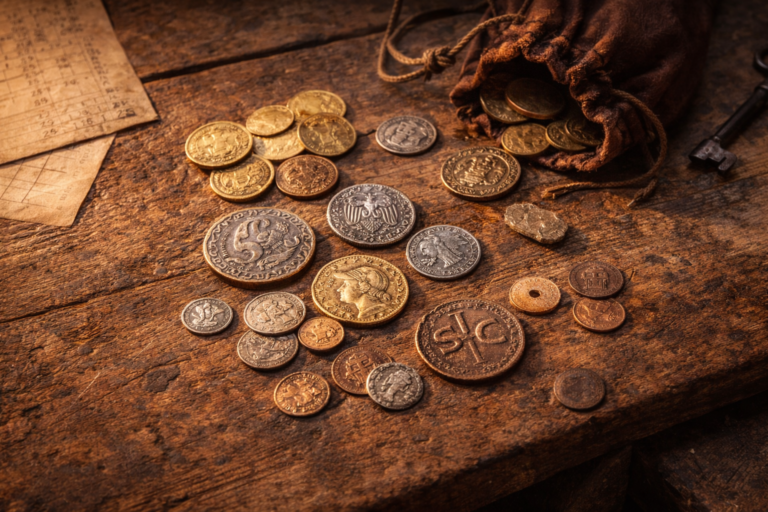
Daily trade rarely followed written laws in the moment. It followed habits. Quiet rules people learned through repetition. Everyday money was the tool that made those rules feel natural.
In markets and streets, trust, speed, and fairness were not abstract ideas. They were practical needs. The hidden rules of daily trade kept communities moving, and everyday money helped enforce them without anyone announcing them.
What this article explains
We explore the hidden rules that shaped daily trade, including trust signals, fairness habits, and the quiet ways markets enforced routine behavior. We avoid pricing, valuation, and investment advice for AdSense safety.
The Hidden Rules People Followed Without Thinking
Most people did not wake up thinking about economics. They woke up thinking about tasks. Buy food. Fix something. Travel somewhere. Pay for a small service. That is why daily trade needed rules that felt automatic.
The hidden rules were simple. Pay quickly. Do not create confusion. Use what everyone recognizes. Keep the line moving. In a busy market, hesitation is costly. Everyday money reduced hesitation by creating familiarity.
The strongest trade rules are the ones people do not notice.
Trust Signals That Made Trade Fast
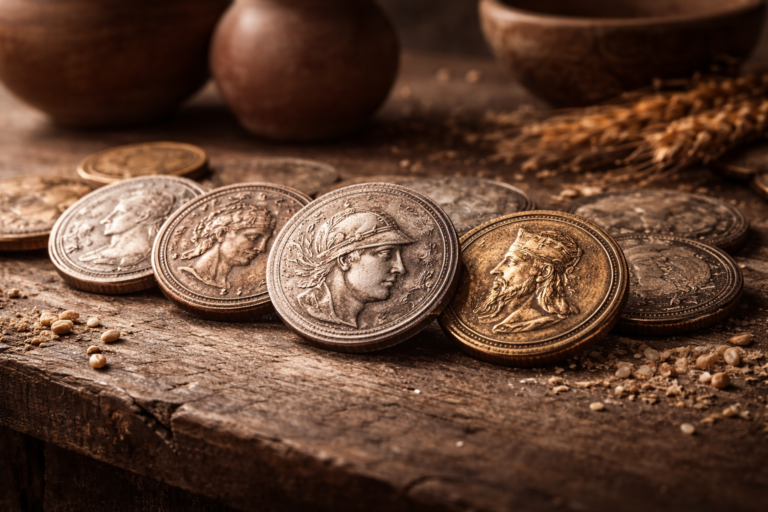
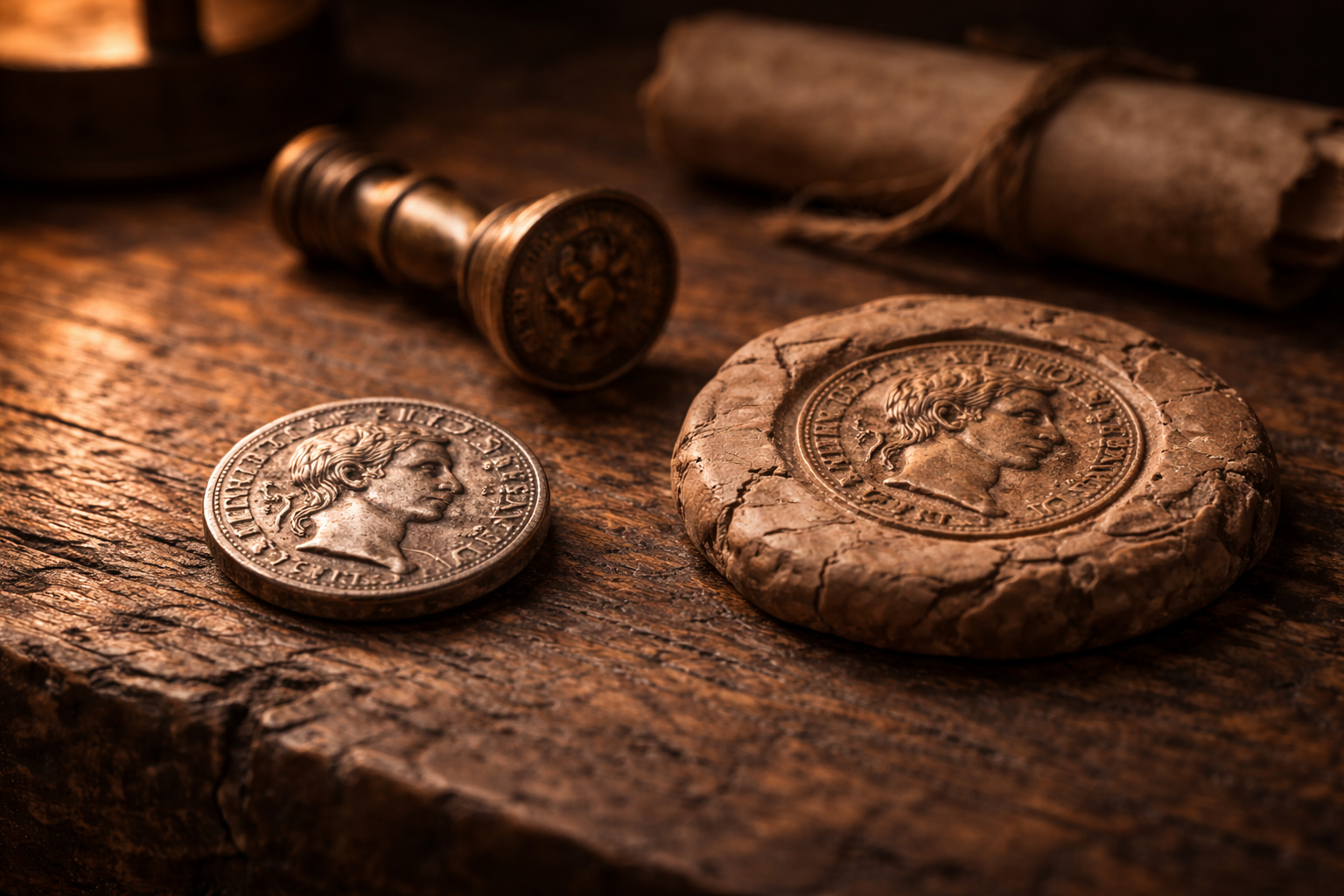
Trust in daily trade was built from signals. Not long explanations. A familiar weight. A familiar size. A familiar look. A coin that matched expectation could be accepted in seconds.
Many communities developed quick ways to confirm trust. A brief glance. A quick touch. A comparison with something known. These small habits created a shared standard without formal training.
Reality Check
In daily trade, trust is not a slogan. It is a shortcut that keeps routines possible when people are busy.
Fairness and the Power of Small Change
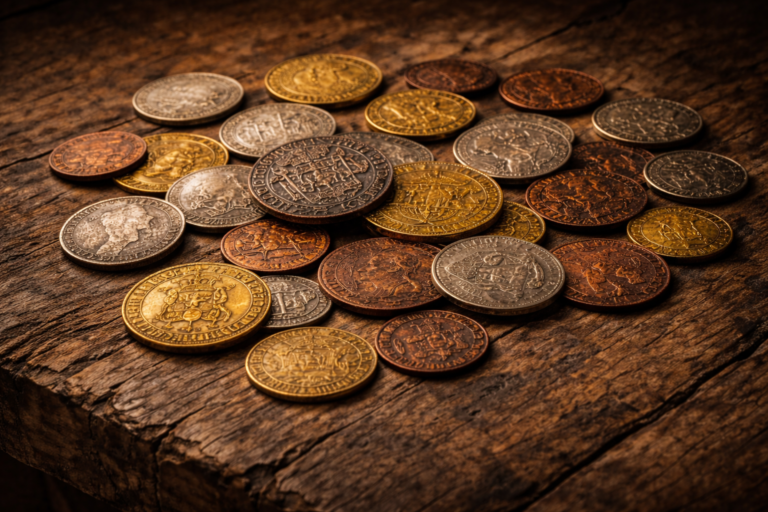
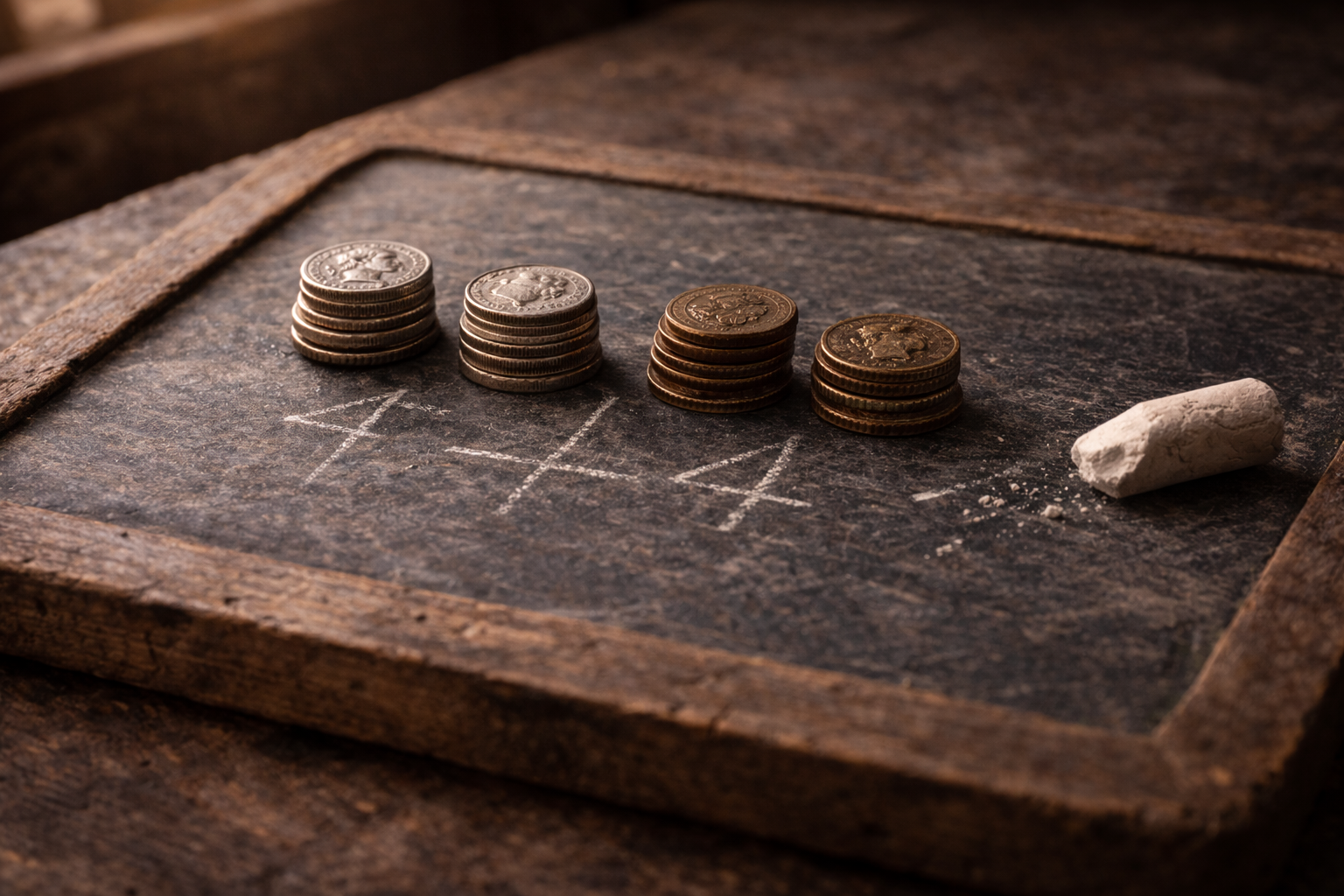
Fairness in daily trade often depends on small change. Without it, payments become rounded, negotiated, or delayed. Small coins allow exact amounts more often, which reduces tension.
This is why small money has social power. It makes daily costs feel repeatable. It makes exchange feel balanced. It prevents small disagreements from becoming big problems.
How Markets Enforced Rules Quietly
Markets enforce rules without courts. They enforce them through time pressure and social feedback. If you slow everyone down, you become the problem. If you bring confusing money, you create hesitation.
Over time, this pressure teaches behavior. People learn what is accepted. They learn what is questioned. They learn what makes trade smooth. Everyday money becomes a standard because the market rewards familiarity.
Daily Trade Habits That Shaped Communities
When trade becomes routine, it shapes community behavior. People plan around expected costs. They trust strangers enough to exchange quickly. They develop shared expectations about fairness.
These habits are not small. They shape the rhythm of public life. They affect how people cooperate. They influence how stable daily life feels. Everyday money is one of the quiet tools that made that stability possible.
Daily Trade Rules Table
Hidden rules of daily trade
This table focuses on routine behavior and community trust. It avoids pricing and valuation and stays educational for AdSense safety.
| Hidden rule | Where it shows up | What it encourages | What it protects |
|---|---|---|---|
| Recognize fast | Busy markets | Quick acceptance | Speed and momentum |
| Avoid confusion | Street trade | Use familiar money | Trust between strangers |
| Pay fairly | Everyday purchases | Exact amounts when possible | Social calm |
| Keep it repeatable | Daily routines | Stable habits | Predictability in life |
Related PastMint stories
These two stories connect directly to daily use, routine exchange, and the quiet power of everyday money.
Final Verdict
Final Verdict
The hidden rules of daily trade were built for speed, trust, and fairness. Everyday money helped enforce those rules through familiarity and repeatable habits. When small payments work smoothly, daily life feels stable. That stability is one of the quiet achievements of everyday money.
Frequently Asked Questions
What are hidden rules in daily trade
They are habits people follow automatically, like paying quickly, using familiar money, and keeping exchange fair and repeatable.
Why does small change matter for fairness
Because it allows exact payment more often and reduces bargaining and tension in everyday purchases.
Is this article safe for AdSense
Yes. It is educational and historical, and it avoids pricing, valuation, and financial advice.