How People Actually Used Money in Daily Life
Estimated reading time: 10 minutes.
People did not use money in daily life the way modern charts suggest. Most use was simple, fast, and repeatable. Everyday money existed to reduce friction and keep ordinary routines moving.
If you want the real story of how money worked, ignore the rare pieces for a moment. Watch the small payments. They show how people ate, traveled, planned, and solved daily problems without drama.
What this article explains
We explore how people actually used money in daily life through market payments, household planning, and the trust signals that made routine exchange possible. We avoid pricing, valuation, and investment advice for AdSense safety.
- Daily money use was mostly small and frequent
- Markets and the logic of quick payment
- Money at home was about planning
- How trust formed without long inspection
- Why small change mattered more than people admit
- Daily money uses and what they reveal
- Related PastMint stories
- Final Verdict
- Frequently Asked Questions
Daily Money Use Was Mostly Small and Frequent
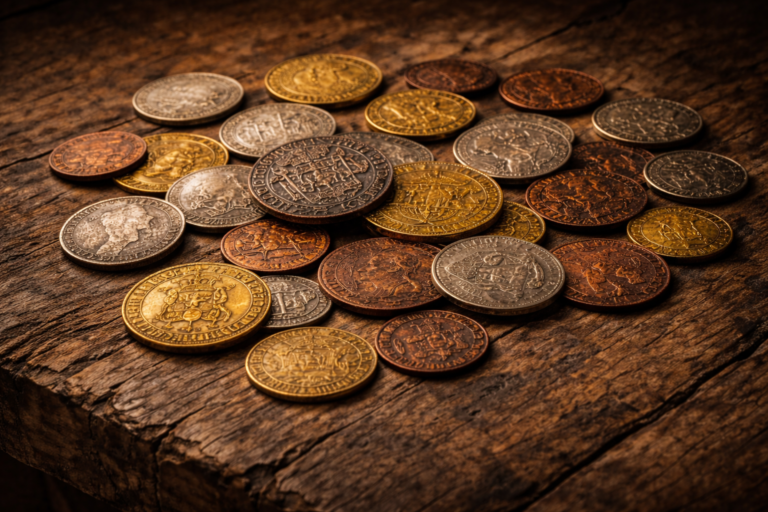
Daily life creates many small needs. Food, local travel, repairs, simple tools, small services, and social obligations. That is why everyday money was often made for speed and repetition.
When a coin is designed for daily use, it is designed to be recognized quickly. It is designed to survive rough handling. It is designed to move. That movement is not just economic. It is social. It connects strangers through a shared routine.
In most eras, money did not feel like a system. It felt like a habit.
Markets and the Logic of Quick Payment
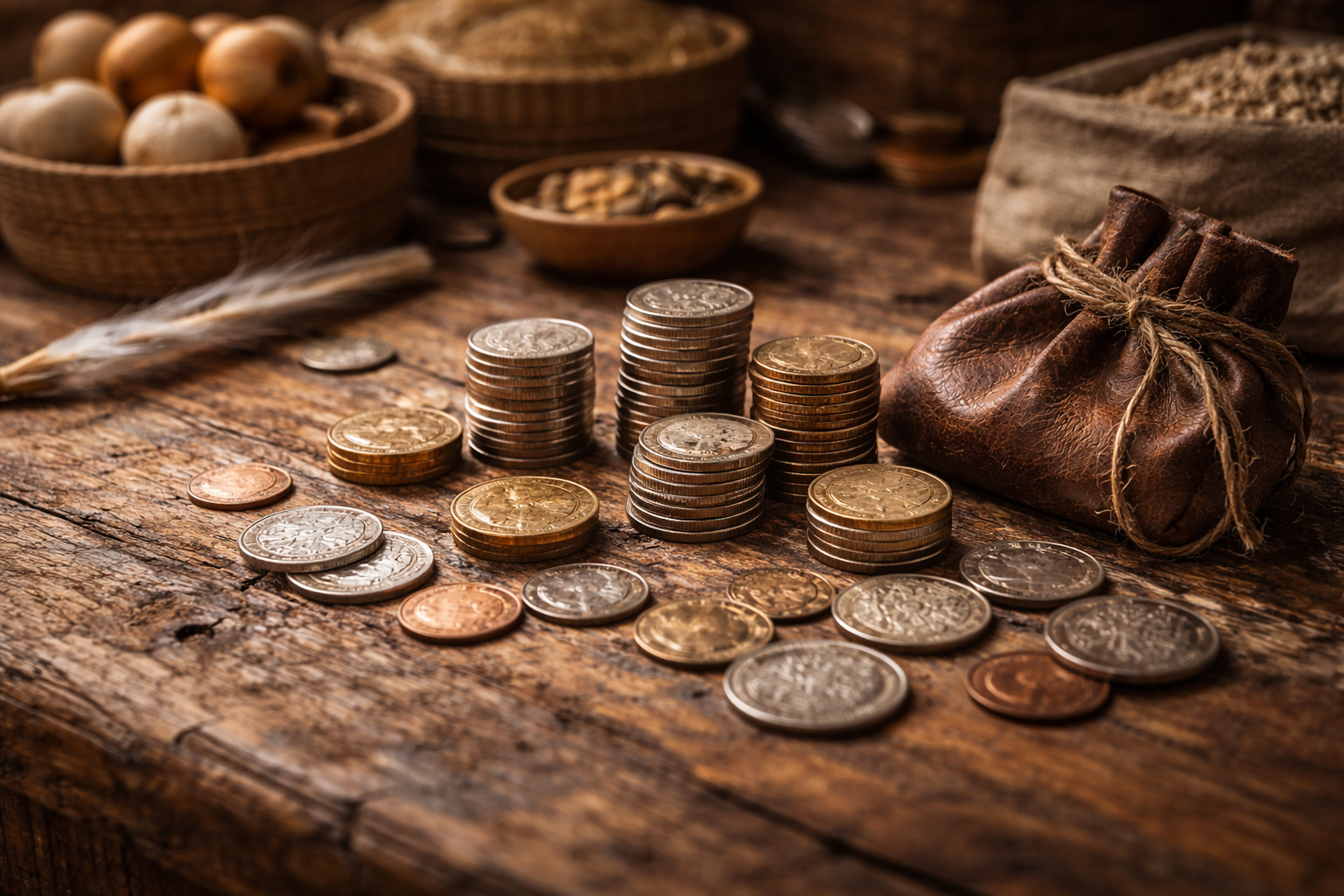
Markets were the real classroom of money. People learned what worked by watching what others accepted. A payment that caused hesitation slowed trade. A payment that felt familiar kept trade moving.
Small payments were common because markets needed flexibility. Not every purchase could be negotiated with large value pieces. Daily exchange needed practical tools, and common coins were those tools.
Reality Check
Most people trusted money because it worked in public every day, not because they studied official rules.
Money at Home Was About Planning
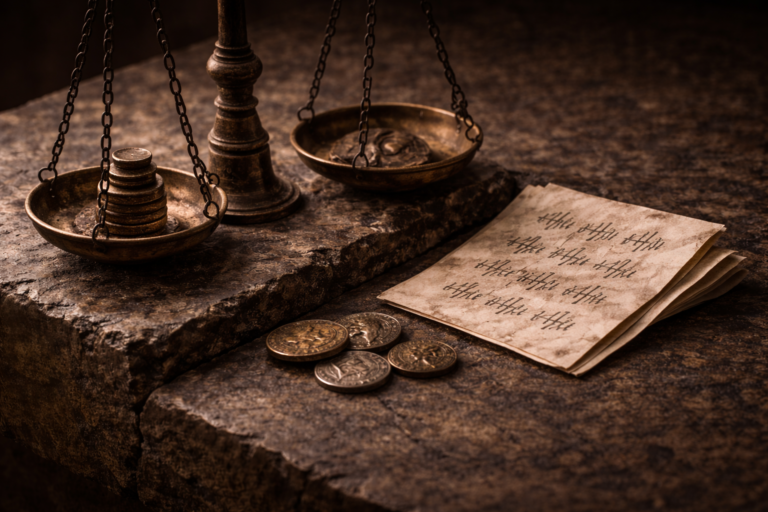
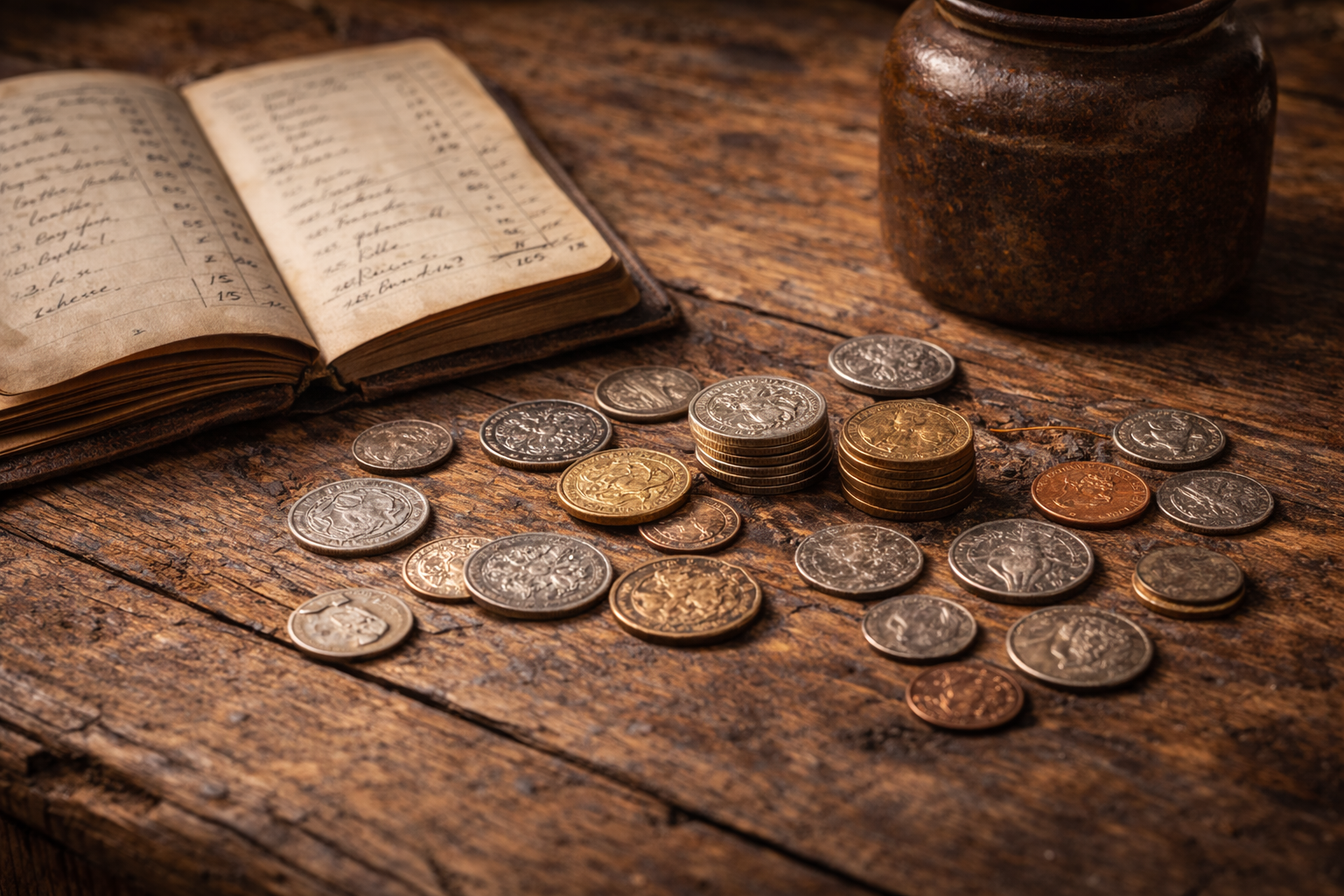
At home, money was less about speed and more about stability. A household used everyday coins to handle uncertainty. Small emergencies, small needs, small repairs. The kind of problems that appear without warning.
Many ordinary people created simple systems. A place to keep coins. A habit of setting aside small amounts. A routine for dividing money between needs. These habits were quiet, but they shaped daily life strongly.
How Trust Formed Without Long Inspection
Daily money had to be trusted fast. That trust often came from repetition. A coin that worked yesterday is likely to work today. Familiar weight, size, and look reduced hesitation.
People also learned trust socially. If everyone accepts a coin in a market, the individual accepts it too. Shared acceptance becomes a rule without being written down.
Why Small Change Mattered More Than People Admit
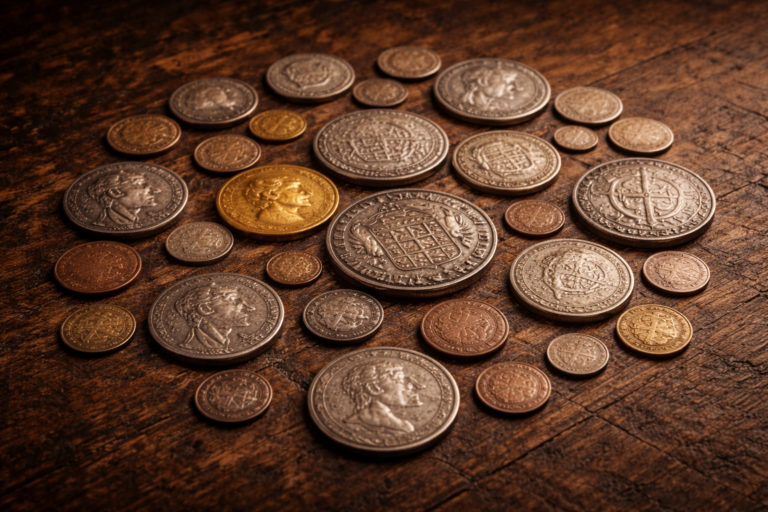
Small change controlled daily flexibility. It allowed people to buy exactly what they needed, when they needed it. It allowed a community to keep moving without constant negotiation.
That is why everyday coins often reveal more about real life than large value pieces. They were touched more. They moved more. They solved more daily problems.
Daily Money Uses and What They Reveal
Everyday money use table
This table focuses on routine behavior and historical meaning. It avoids pricing and valuation and stays educational for AdSense safety.
| Daily use | Where it happened | What it enabled | What it reveals |
|---|---|---|---|
| Quick purchases | Markets and streets | Fast exchange without debate | Common needs and daily priorities |
| Local movement | Travel within a town | Small costs handled easily | Daily rhythm and mobility |
| Household planning | Homes | Small saving and emergency readiness | Family stability and routine choices |
| Social obligations | Communities | Small payments that maintain trust | Shared rules and cooperation |
Related PastMint stories
These two stories expand the Everyday Money series and connect directly to daily use and community trust.
Final Verdict
Final Verdict
People used money in daily life as a practical habit. Small payments kept markets moving, while household coins supported planning and stability. If you want the most honest view of how money worked, follow the everyday routines, not the rare moments.
Frequently Asked Questions
What was the most common way people used money daily
Small market payments and routine household needs. Daily exchange was frequent and practical.
Why did small coins matter so much
They enabled flexibility. Small coins allowed quick payments and reduced negotiation in everyday life.
Is this article safe for AdSense
Yes. It is educational and historical, and it avoids pricing, valuation, and financial advice.