The Real Purpose of Small Coins in Everyday Life

Estimated reading time: 10 minutes.
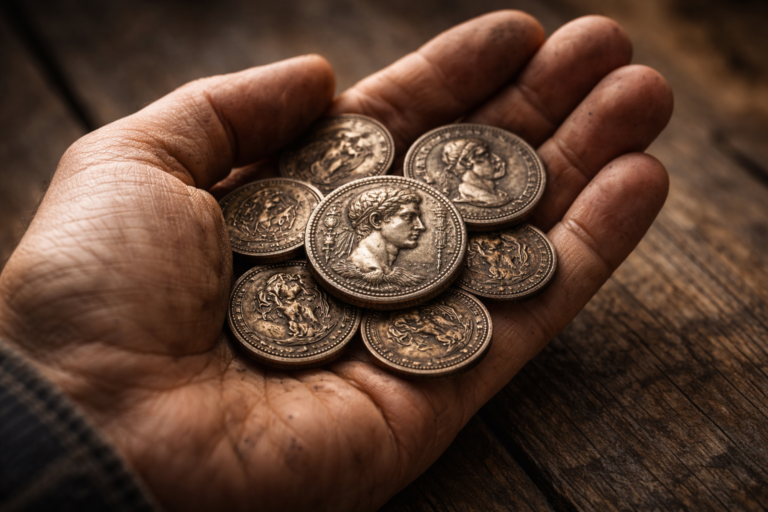
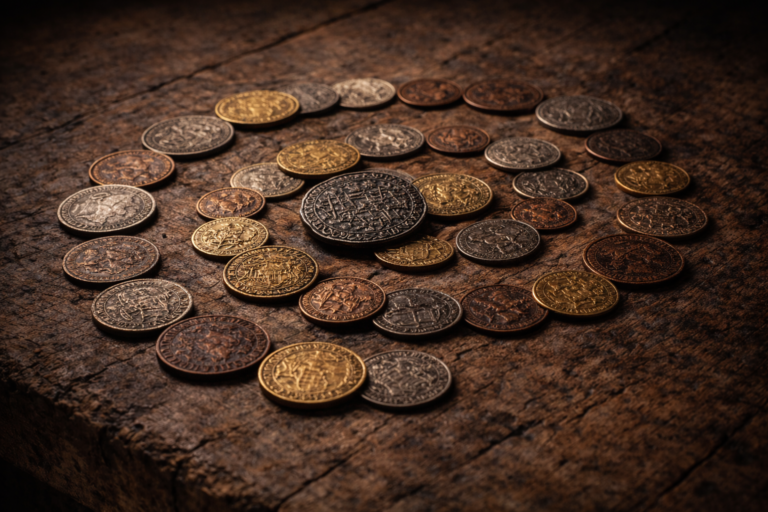
Small coins were not created to feel impressive. They were created to solve everyday life. They made daily trade faster, made costs clearer, and helped ordinary people handle small needs without negotiation every time.
If you want to understand how money actually worked for most people, follow the smallest pieces. They were used more often, trusted more quickly, and carried the rhythm of daily life through markets and homes.
What this article explains
We explore the real purpose of small coins in everyday life, focusing on routine payments, trust signals, and the social power of small change. We avoid pricing, valuation, and investment advice for AdSense safety.
Why Small Coins Were Designed for Daily Life
Daily life produces small costs constantly. A simple meal. A short ride. A tool sharpening. A small repair. A cup of something warm. Without small coins, every exchange becomes slower and more complicated.
Small coins simplified choice. They allowed people to pay exact amounts more often. They reduced the need for long bargaining. They made daily exchange feel predictable, which is another way of saying they made it feel safe.
Big money can show power. Small money shows life.
Markets Needed Speed, Not Debate
A market runs on momentum. People line up. Vendors multitask. Buyers want quick answers. In that environment, small coins keep the rhythm stable.
When payment is flexible, people can focus on choosing what they need rather than proving every value. This is one reason small coins became the default tool of everyday trade in many societies.
Reality Check
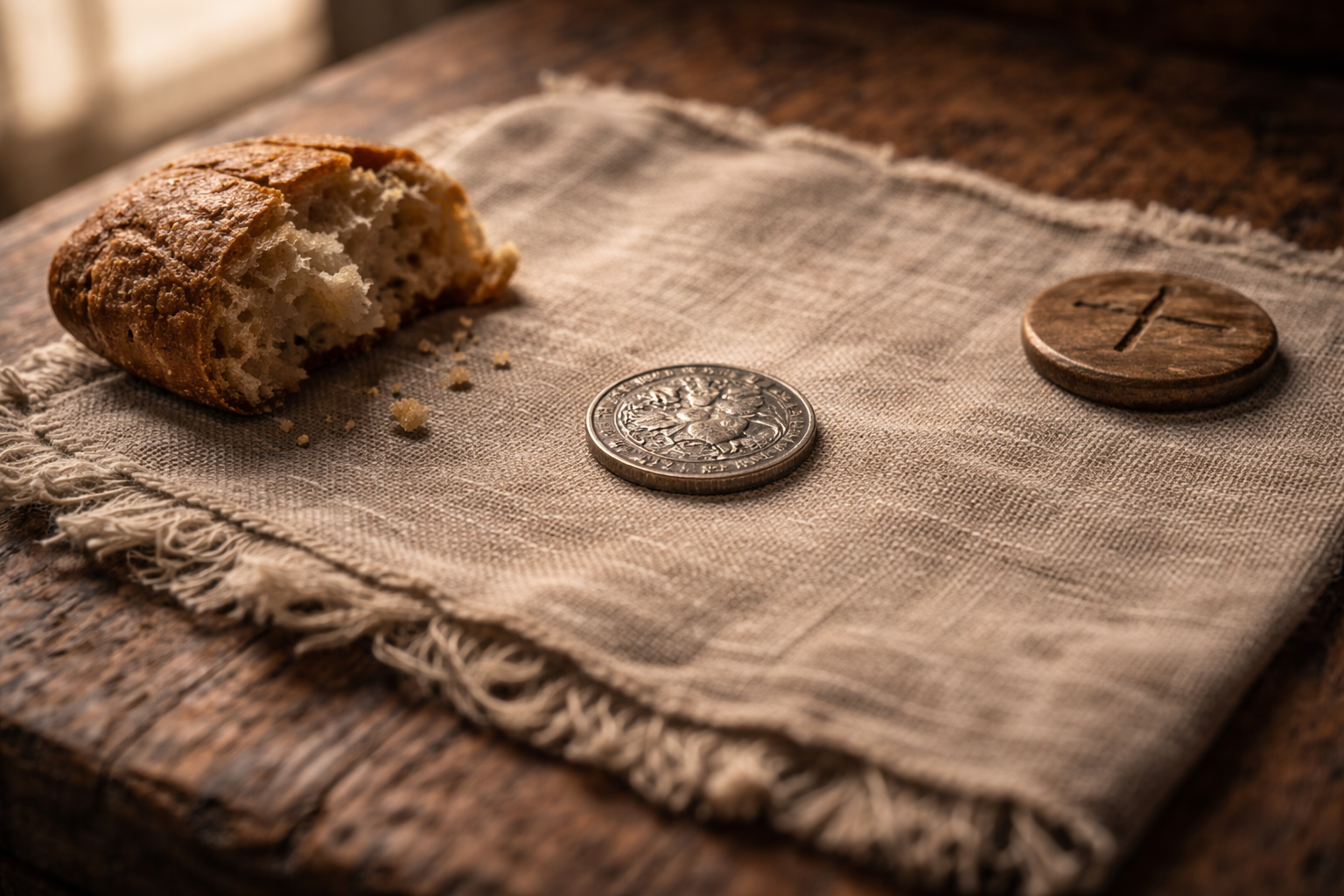
Small coins were not just a convenience. They were a social tool that reduced conflict by making everyday prices feel normal and repeatable.
Households Needed Flexibility
In a household, small coins supported planning. They helped families handle small emergencies without delay. They supported saving habits that were built from small amounts.
Small coins also allowed quiet independence. A person with small change could act quickly. Buy what is needed. Fix what is broken. Solve small problems without waiting for approval.
Trust Signals People Learned by Touch
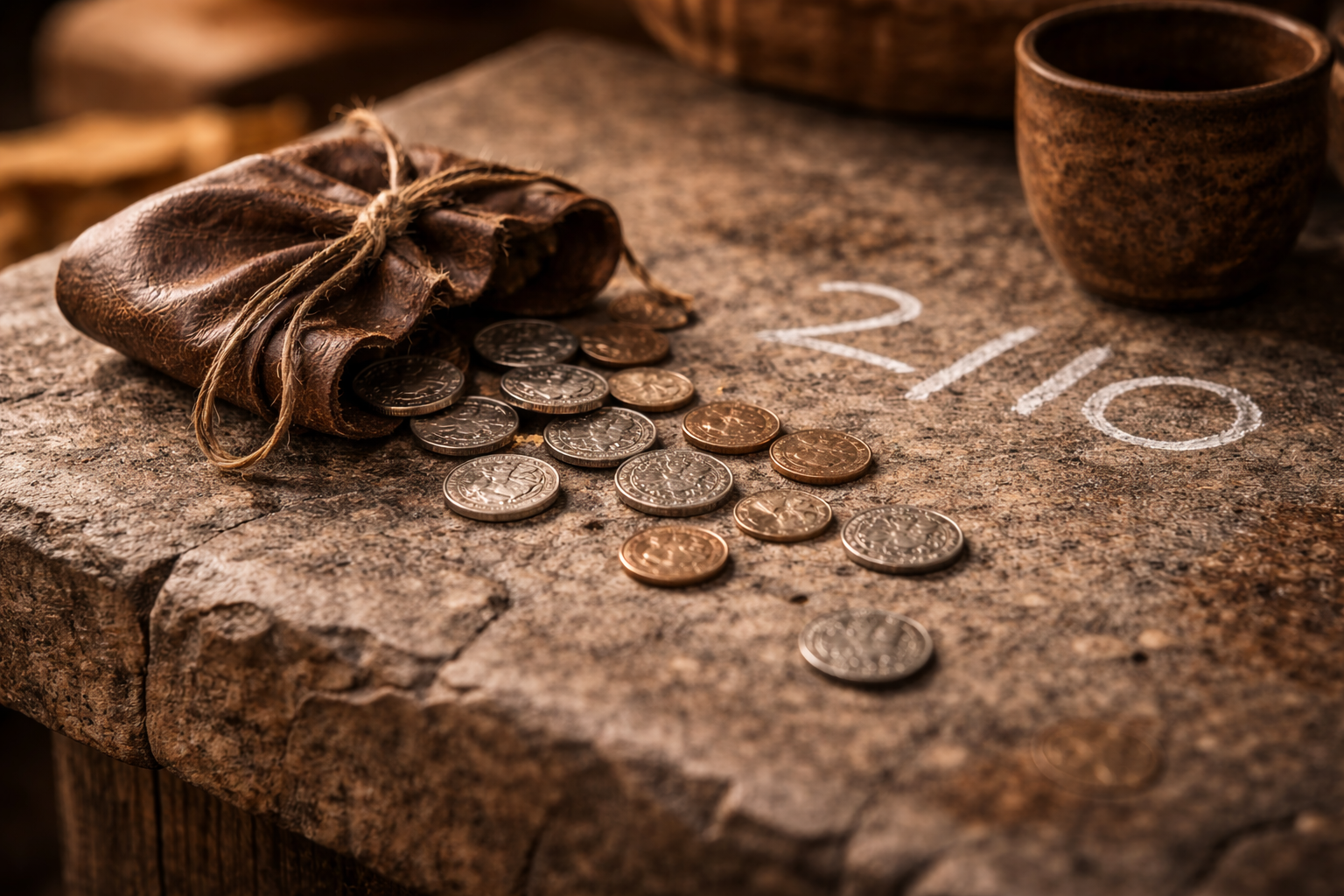
Small coins had to be trusted quickly. People learned trust through repetition. Familiar weight. Familiar size. Familiar feel. A coin that matches expectation becomes accepted without thought.
This touch based recognition matters because daily life is busy. A person buying something quickly does not want to stop and analyze. They want to recognize and move on.
The Hidden Social Power of Small Change
Small change shapes social behavior. It supports fairness because it allows exact payment more often. It reduces tension because it reduces bargaining. It supports routine because it makes everyday costs predictable.
In many communities, small coins helped connect strangers. A shared acceptance of small change creates trust without conversation. That is a quiet form of social stability.
Small Coin Purpose Table
What small coins were really for
This table focuses on daily behavior and social meaning. It avoids pricing and valuation and stays educational for AdSense safety.
| Purpose | Where it mattered | What it enabled | What it reveals |
|---|---|---|---|
| Exact payment | Markets | Fast buying without long debate | Daily needs were frequent and practical |
| Flexibility | Households | Small planning and emergency readiness | Stability was built from small habits |
| Recognition | Public exchange | Trust without inspection | Routine mattered more than novelty |
| Fairness | Community life | Reduced tension in small transactions | Shared rules supported cooperation |
Related PastMint stories
These two stories continue the Everyday Money series and connect directly to daily use and routine exchange.
Final Verdict
Final Verdict
The real purpose of small coins was to make everyday life easier. They enabled fast market payments, household flexibility, and trust built through repetition. Small change did not just support trade. It supported routine, stability, and social calm.
Frequently Asked Questions
Why were small coins more important than big coins for daily life
Because most payments were small and frequent. Small coins made everyday exchange fast and flexible.
Did people trust small coins without checking them
Often yes. Familiar weight and size built recognition, and recognition built quick trust.
Is this article safe for AdSense
Yes. It is educational and historical, and it avoids pricing, valuation, and financial advice.