What Everyday Money Looked Like for Ordinary People
Estimated reading time: 10 minutes.
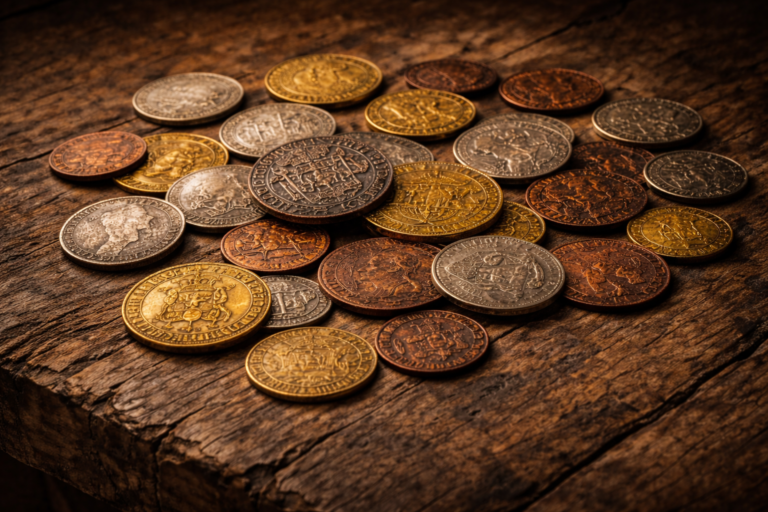
Everyday money for ordinary people was rarely perfect. It was worn, familiar, and trusted because it worked. Most of the time, it looked like something that had already lived a life before it reached you.
If you want to understand daily life in the past, the best evidence is not the rare gold piece. It is the common coin used for bread, tools, and small services. That everyday money shows what ordinary people valued, feared, and repeated.
What this article explains
We explore what everyday money looked like for ordinary people, how it felt in daily use, and what those small coins reveal about routine life. We avoid pricing, valuation, and investment advice for AdSense safety.
- What Everyday Money Looked Like
- Materials, Texture, and Why Money Was Worn
- Markets and the Money of Daily Need
- Households and the Money of Routine Planning
- Signals Ordinary People Learned to Trust
- Everyday Money Features and What They Mean
- Related PastMint Stories
- Final Verdict
- Frequently Asked Questions
What Everyday Money Looked Like
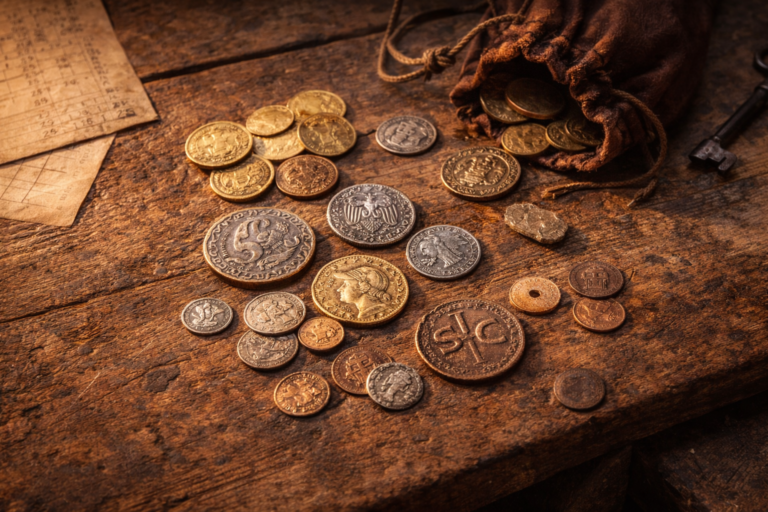
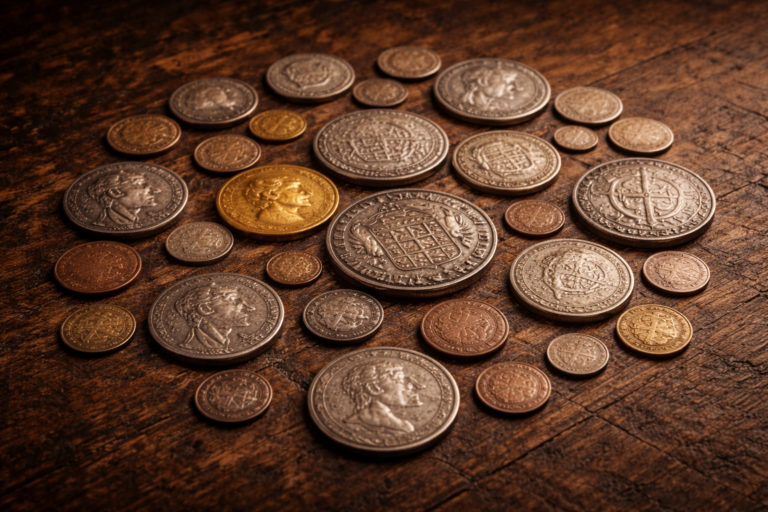
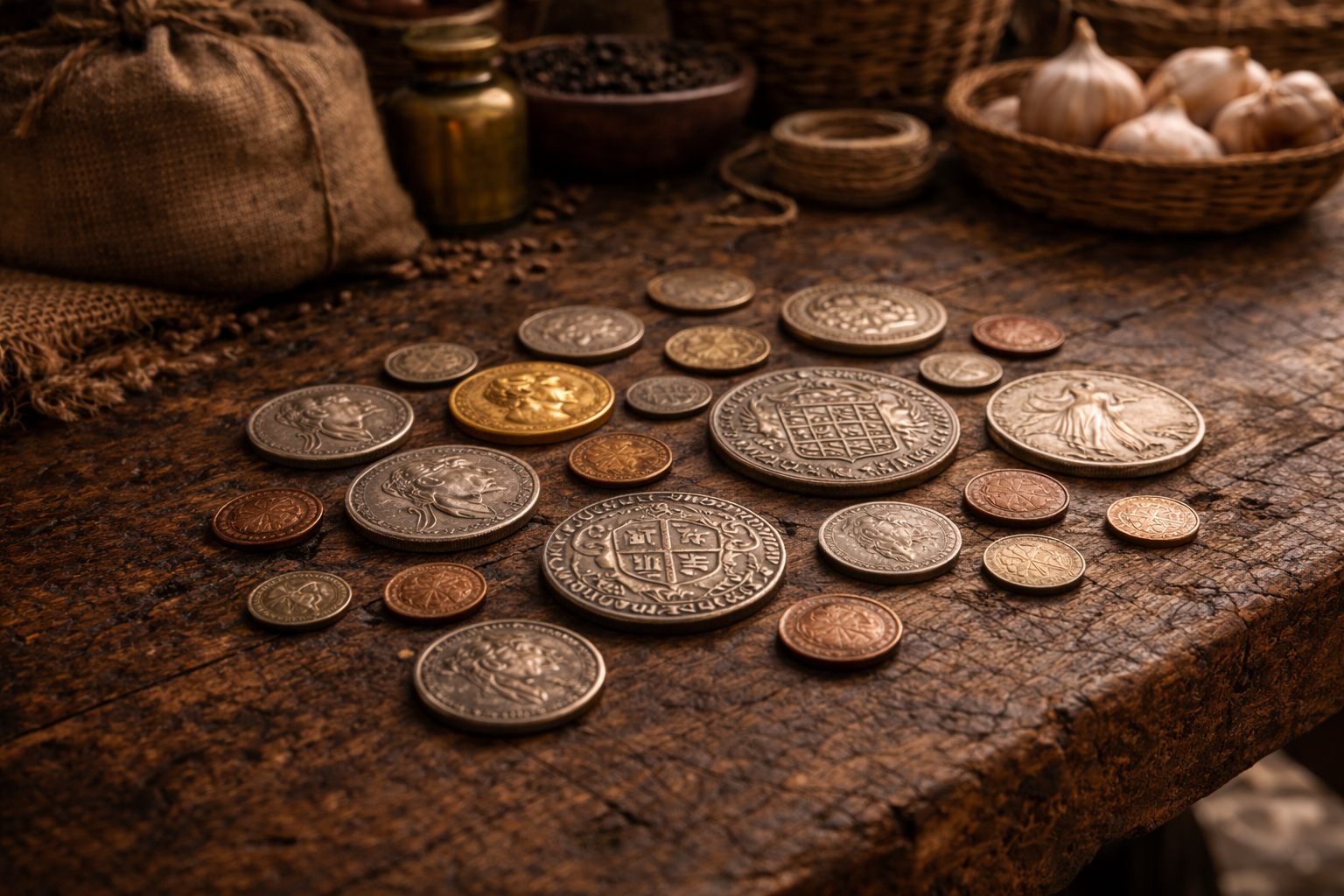
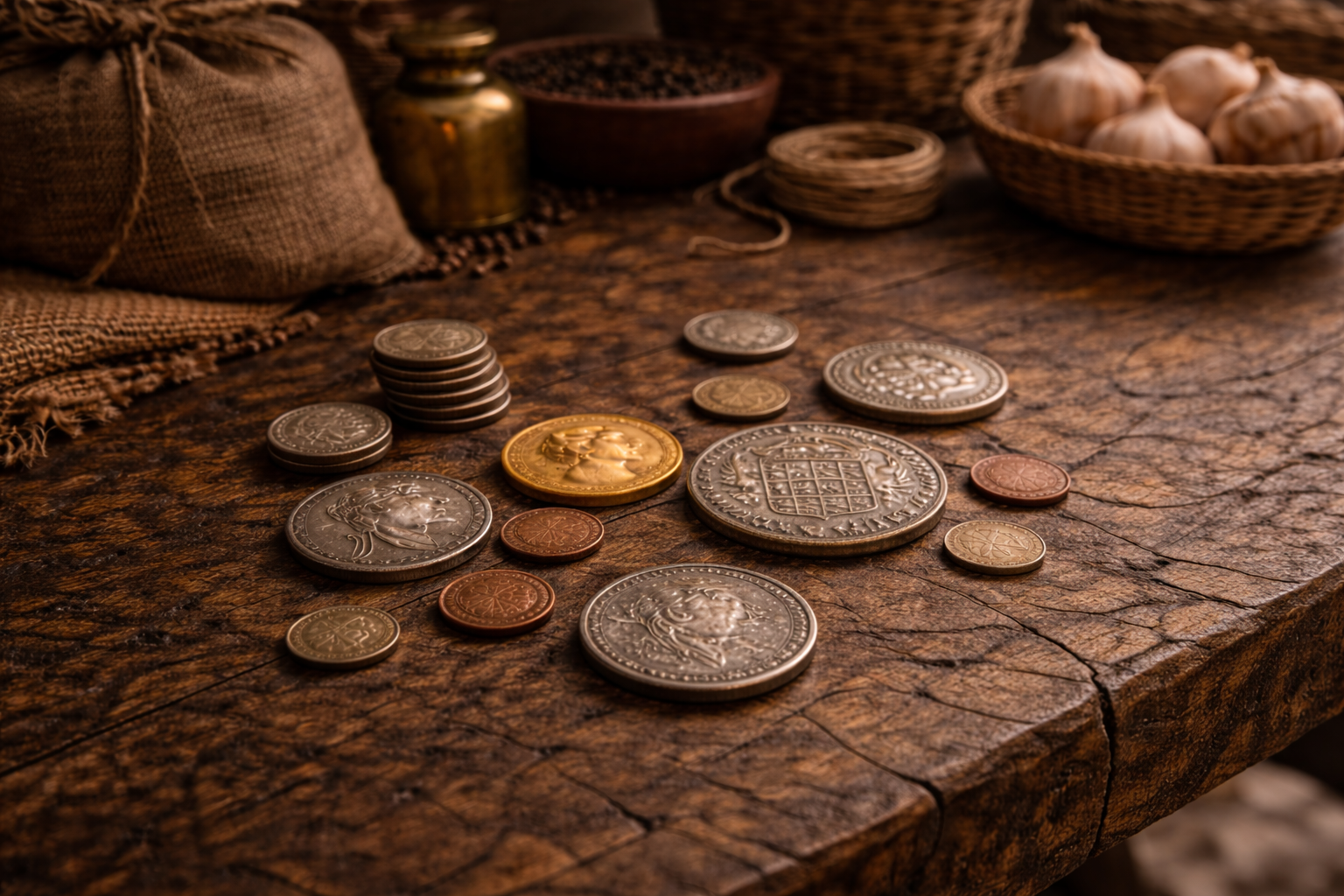
For ordinary people, everyday money usually looked simple. Not because society lacked art, but because daily life needed speed and recognition. A familiar coin that could be identified quickly was more useful than a beautiful one that required inspection.
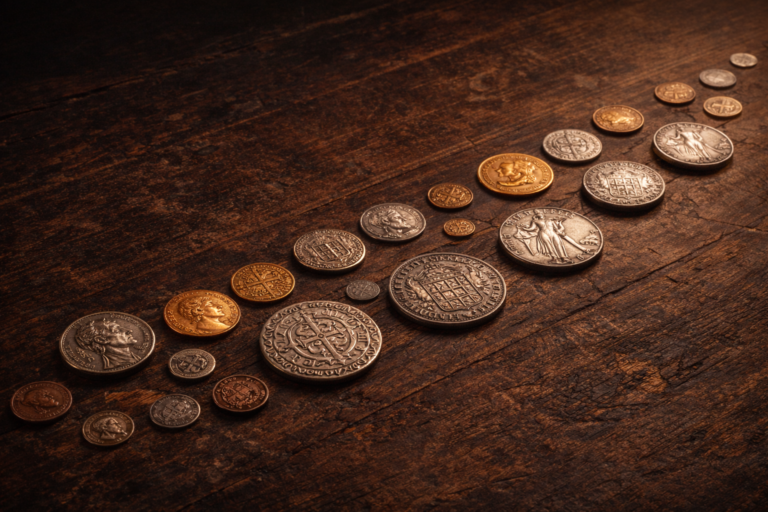
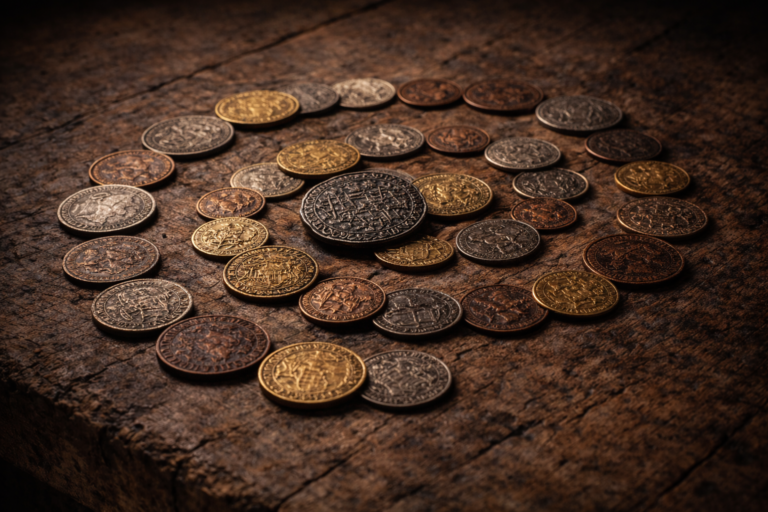
Many daily coins were small. They were meant for frequent payments. That shape alone tells you something about daily life. It suggests that everyday exchange was constant. Small costs appeared everywhere. People solved problems with quick transactions.
Ordinary people did not meet history through grand ceremonies. They met it through small payments repeated all week.
Materials, Texture, and Why Money Was Worn
Everyday money often shows wear because it was handled constantly. It moved through pockets, pouches, counters, and hands that were busy and practical. A coin does not become smooth by accident. It becomes smooth through routine.
Texture mattered. People learned money by touch as much as by sight. A familiar weight and size reduced hesitation. That physical familiarity helped trust spread faster in daily life.
Markets and the Money of Daily Need
Markets were the stage where everyday money was tested. A coin had to be accepted quickly. If it caused hesitation, trade slowed. If it felt familiar, trade stayed smooth.
The money used for daily markets tends to look practical. It is designed to survive. It is designed to be recognized. It is designed to keep movement possible in a busy place.
Reality Check
Most daily coins were not preserved carefully. They were used until they became ordinary tools, and that is exactly why they reveal ordinary life so well.
Households and the Money of Routine Planning
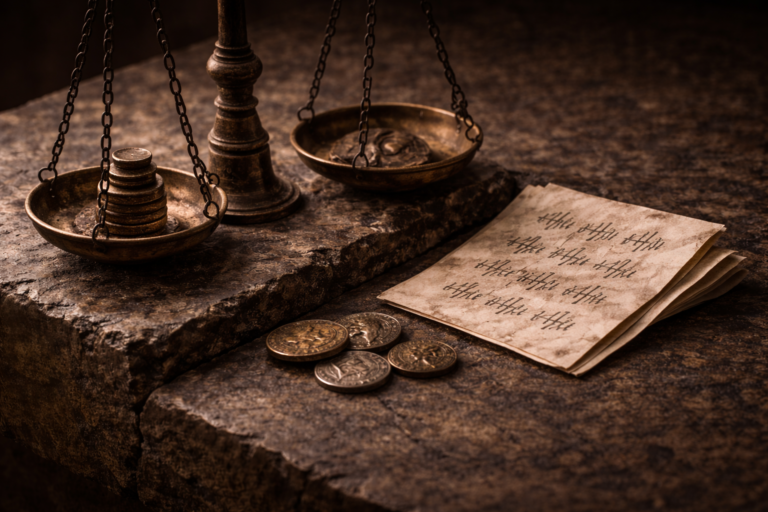
At home, everyday money shaped routine decisions. Small savings. Small repairs. Small needs that appear without warning. For ordinary people, these moments mattered more than rare events.
That is why everyday coins are such useful evidence. They show what a household could handle. They show what choices were available. Even a small amount of daily money could represent independence.
Signals Ordinary People Learned to Trust
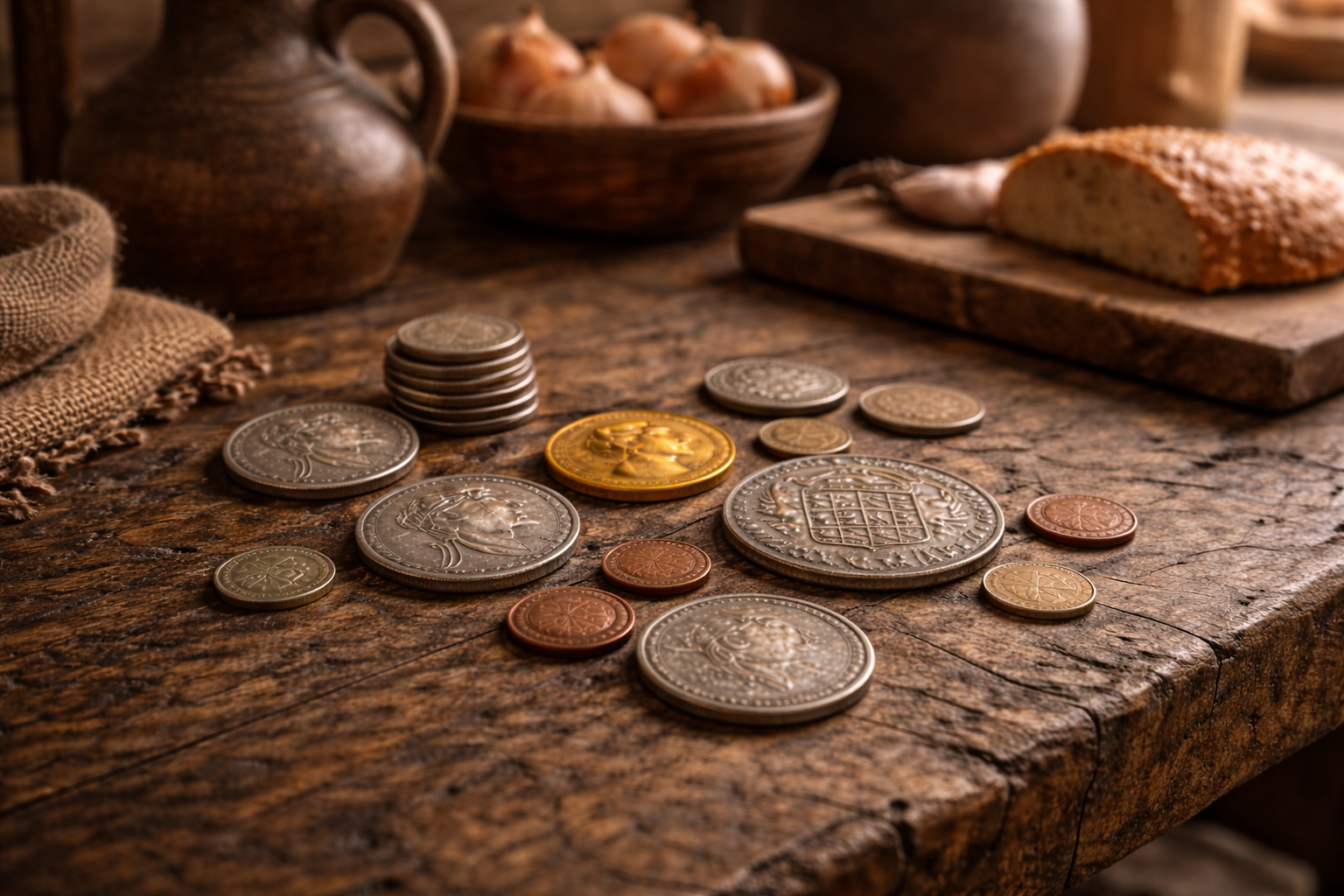
Ordinary people did not need to read official announcements to trust money. They learned through repetition. A coin that worked yesterday was likely to work today. That simple logic built stability.
The strongest signals were practical. Weight that feels right. Size that matches expectation. A familiar look that can be recognized in a second. Everyday money was designed to reduce friction, not create drama.
Everyday Money Features and What They Mean
Everyday money mirror table
This table focuses on daily meaning and routine behavior. It avoids pricing and valuation and stays educational for AdSense safety.
| What you notice | Where it shows up | What it suggests | What it reveals about ordinary life |
|---|---|---|---|
| Heavy wear | High points and edges | Constant handling | Routine payments were frequent |
| Small size | Most daily coins | Common low cost exchange | People solved problems with small transactions |
| Simple design | Repeated issues | Recognition mattered | Speed and trust were daily needs |
| Familiar feel | Weight and thickness | Touch based trust | People learned money by repetition, not study |
Related PastMint stories
These two stories expand the Everyday Money theme and connect directly to the same street level view of history.
Final Verdict
Final Verdict
Everyday money for ordinary people looked worn, simple, and familiar because it was designed for routine life. Those common coins reveal needs, habits, and trust more clearly than rare pieces ever could. If you want to see ordinary history, follow ordinary money.
Frequently Asked Questions
Why does everyday money show ordinary life better than rare coins
Because it was used constantly. Frequent use captures routine behavior, which is where ordinary life happens.
Does coin wear really matter for understanding history
Yes. Wear is physical proof of circulation and daily handling, which reflects routine life.
Is this article safe for AdSense
Yes. It is educational and historical, and it avoids pricing, valuation, and financial advice.