The One Mistake People Make When Looking at Pennies
Estimated reading time: 15 minutes.
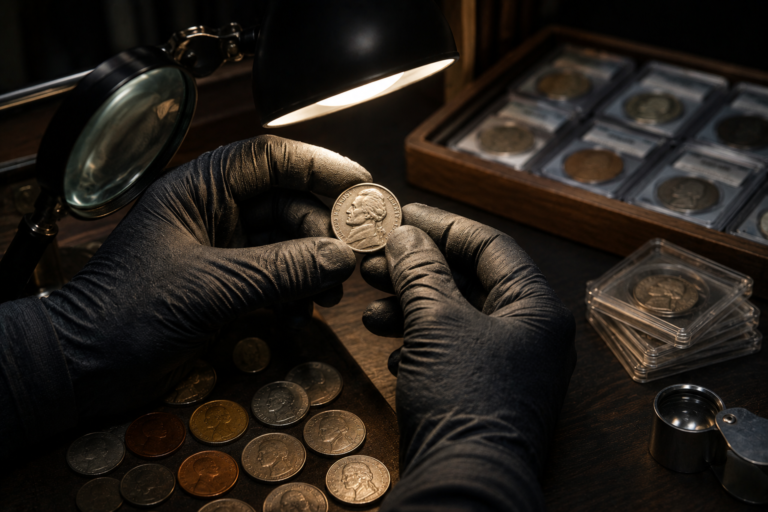
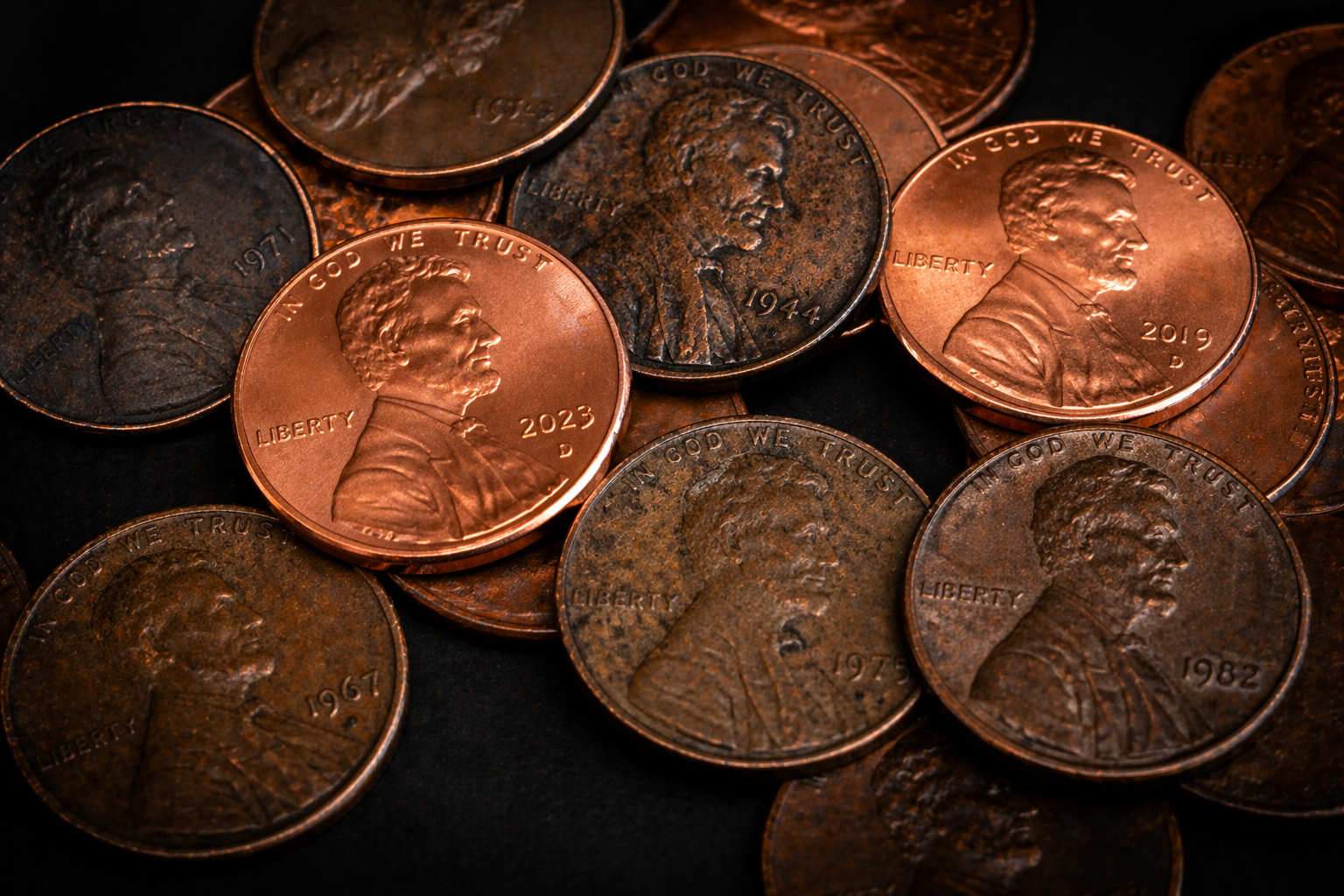
Most people believe they are looking carefully at a penny, yet in reality they are only seeing the surface, and this simple misunderstanding leads to one of the most common mistakes when examining coins.
They assume that missing details, smooth areas, or faded designs are flaws or unusual features, when in fact these are often the natural result of circulation and time.
This single misunderstanding changes how the coin is interpreted completely.
What this article explains
This article explains the most common mistake people make when looking at pennies, showing how wear is often confused with design or error.
- The mistake almost everyone makes
- Why worn coins look misleading
- The difference between wear and design
- How details disappear over time
- Why the eye gets tricked
- Table of mistake vs reality
- Reality Check
- Final Verdict
- FAQ
The mistake almost everyone makes
The most common mistake people make is assuming that what they see on the surface of a coin represents how it was originally designed, when in reality that surface has often changed significantly over time.
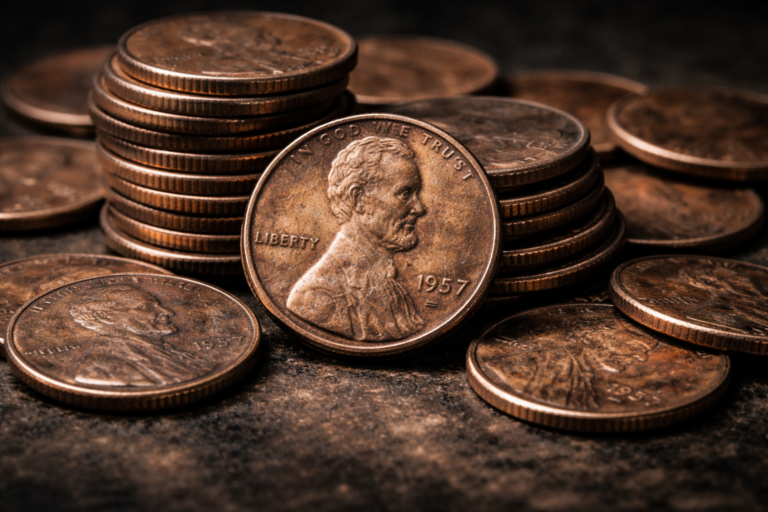
A worn coin can look completely different from a freshly minted one, even though both started with the same design.
This connects directly with the discovery explained in this tiny detail can tell if your penny is older than you think .
Why worn coins look misleading
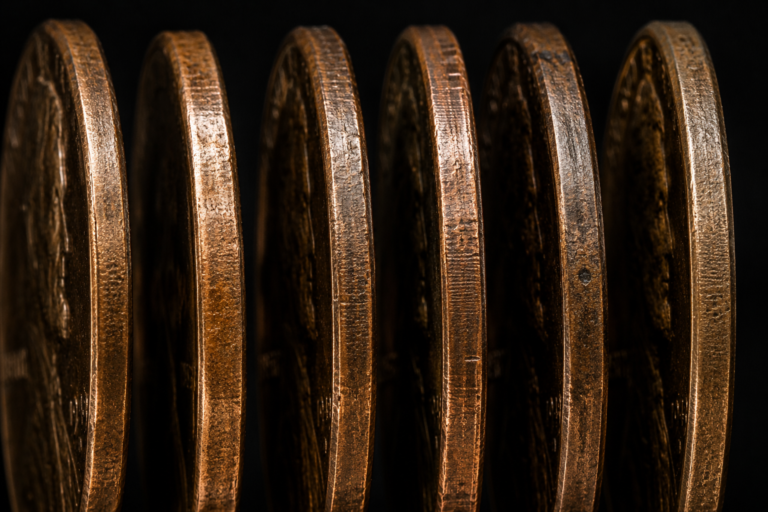
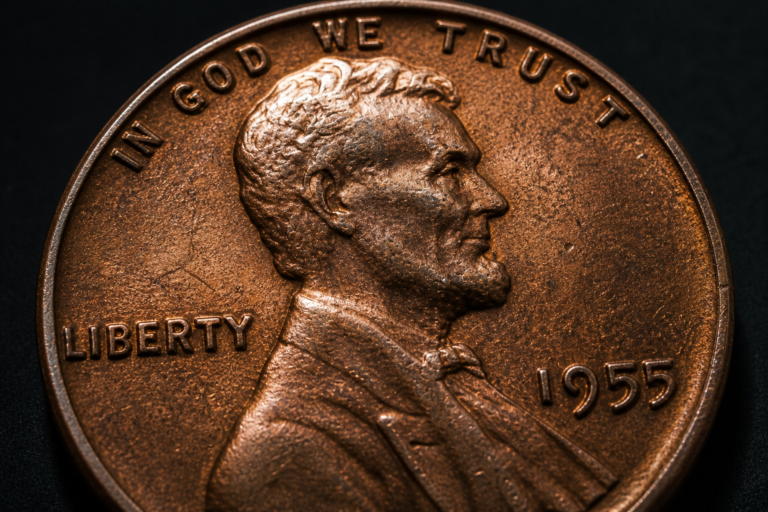
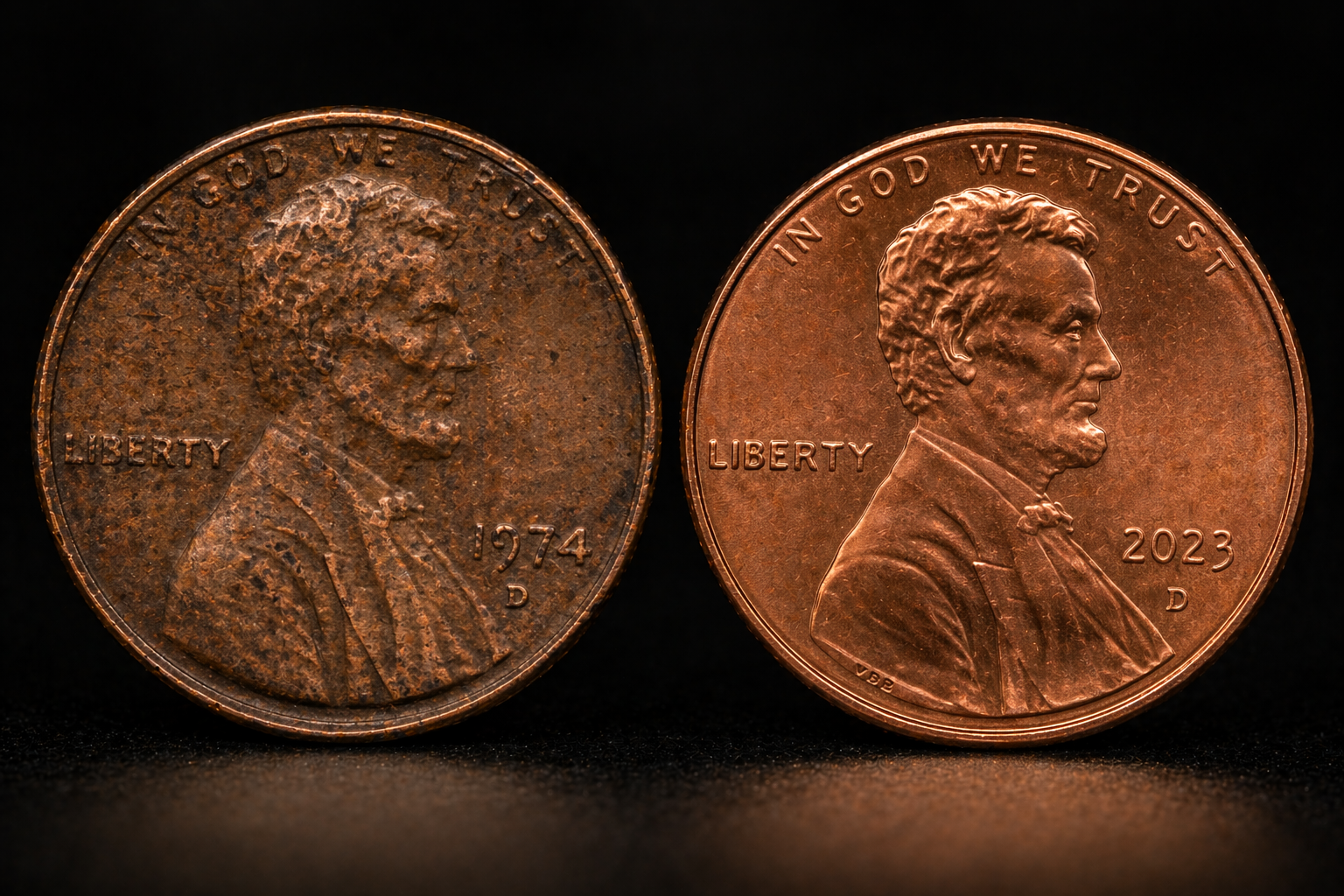
As coins move through circulation, their highest points wear down first, which gradually removes fine details from the design while leaving deeper areas more visible.
This uneven wear creates the illusion that parts of the coin are missing or incorrect, when they are simply worn away.
The difference between wear and design
A freshly struck coin contains sharp lines, defined edges, and clear details, but over time these features soften, making the coin look different from its original form.
Understanding this difference is essential, because it prevents confusion between normal wear and unusual features.
This idea is explored further in tiny details on the Lincoln penny .
How details disappear over time
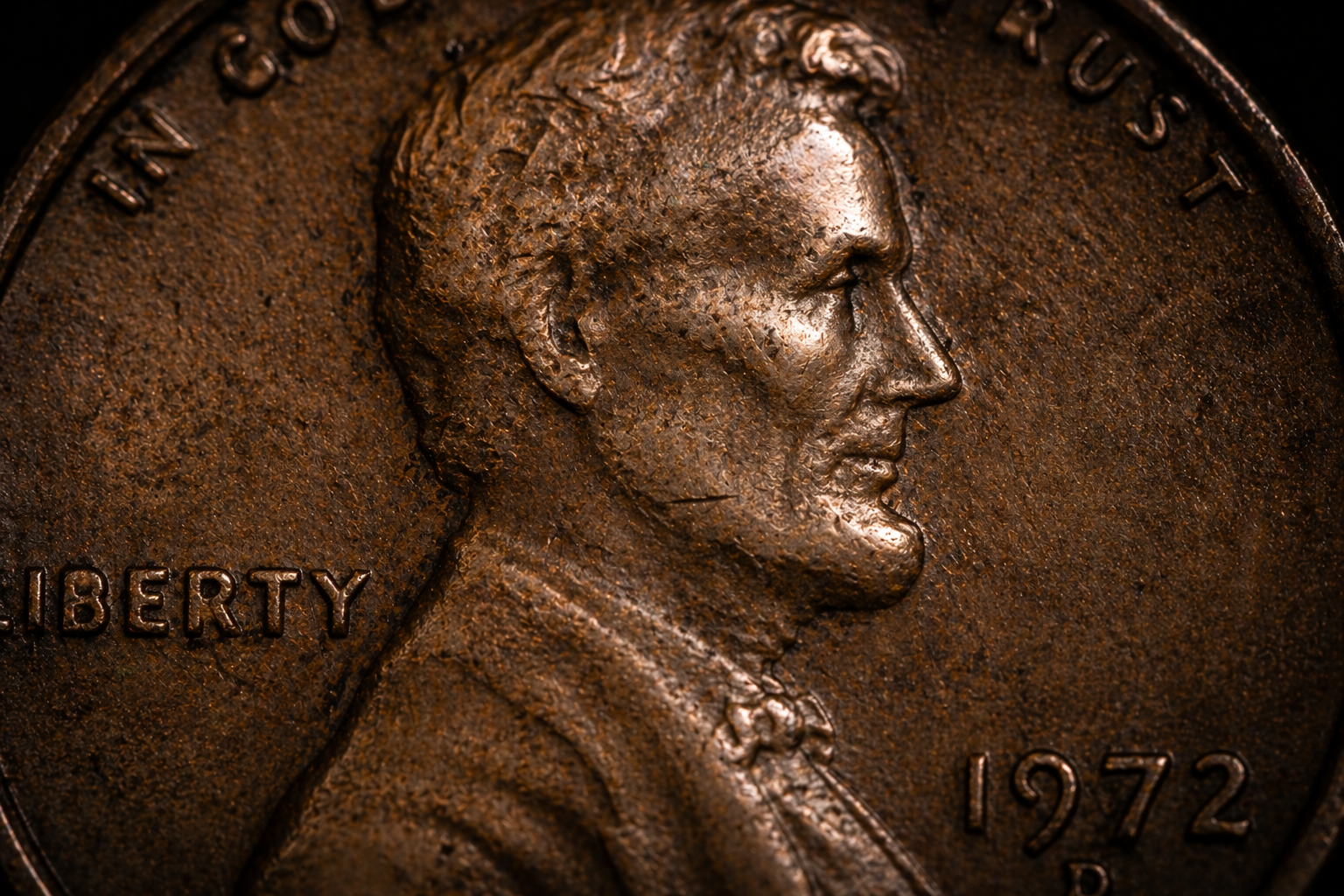
Details do not disappear randomly, but follow a pattern based on how the coin is used, with raised areas wearing down faster than recessed ones.
This gradual change creates a visual shift that can make the coin look unfamiliar.
Why the eye gets tricked
The human eye tends to focus on contrast and clarity, so when details fade, the brain interprets the coin as incomplete rather than worn.
This creates the illusion of something unusual, even when nothing is actually wrong.
This perception issue is part of the broader observation discussed in hidden details on the Lincoln penny .
Table of mistake vs reality
| Mistake | What People Think | Reality |
|---|---|---|
| Smooth surface | Defect | Normal wear |
| Missing detail | Error | Worn design |
| Faded lines | Poor quality | Circulation effect |
| Uneven look | Damage | Usage pattern |
| Dull appearance | Old flaw | Aging surface |
Reality Check
Most unusual-looking pennies are not rare or flawed, but simply worn through normal use.
“The biggest mistake is not what you see, but how you interpret it.”
Final Verdict
The most common mistake when looking at pennies is confusing wear with design, which leads to misunderstandings about what the coin actually is.
By learning to recognize how time changes a coin, you begin to see it more clearly and avoid being misled by surface appearance.
FAQ
Why do some pennies look damaged
Because of normal wear from circulation.
Is missing detail always an error
No, it is often just worn away over time.
How can you tell the difference
By comparing worn coins with sharper examples.