Tiny Details on the Lincoln Penny You Might Miss
Estimated reading time: 15 minutes.
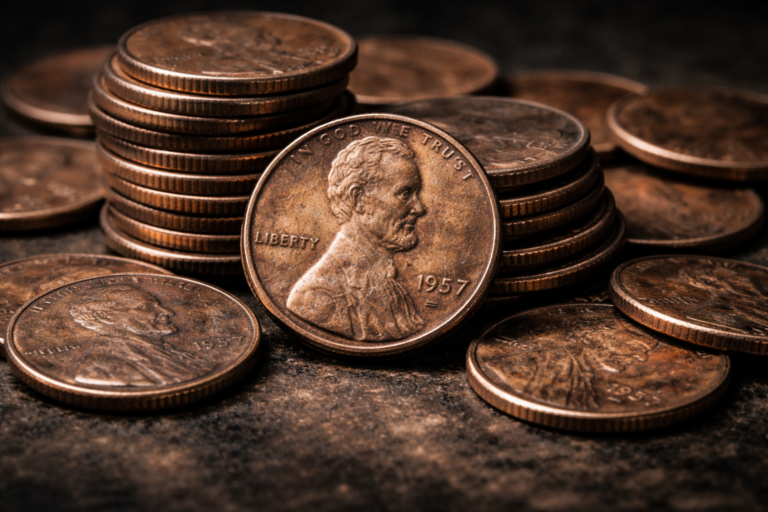
At first glance, a Lincoln penny looks simple enough, but when you take a closer look and allow your eyes to slow down, you begin to notice that the smallest details on its surface carry a surprising level of precision that most people never take the time to see.
These details are not obvious because coins are designed to be used quickly, passed from hand to hand without inspection, yet within that simplicity lies a level of craftsmanship that only becomes visible when you look carefully.
Once you start noticing these tiny elements, the penny stops being just a coin and begins to feel like a small object full of quiet complexity.
What this article explains
This article explores the tiny details on the Lincoln penny that most people overlook, focusing on lettering, edges, and subtle differences that reveal how coins are made and used over time.
- Why small details are easy to miss
- The hidden precision of lettering
- The importance of the coin’s edge
- Surface marks and what they reveal
- Comparing coins to see differences
- Why these details matter today
- Table of tiny details
- Reality Check
- Final Verdict
- FAQ
Why small details are easy to miss
Coins are part of daily life, and because they are used quickly and frequently, most people do not stop to examine them, which means that the smallest details often go completely unnoticed.
This is especially true for pennies, which are already seen as low-value coins, making them even less likely to receive attention, as discussed in why pennies are being discontinued .
When value feels low, attention follows, and that is why many of the most interesting features on a penny remain hidden in plain sight.
The hidden precision of lettering
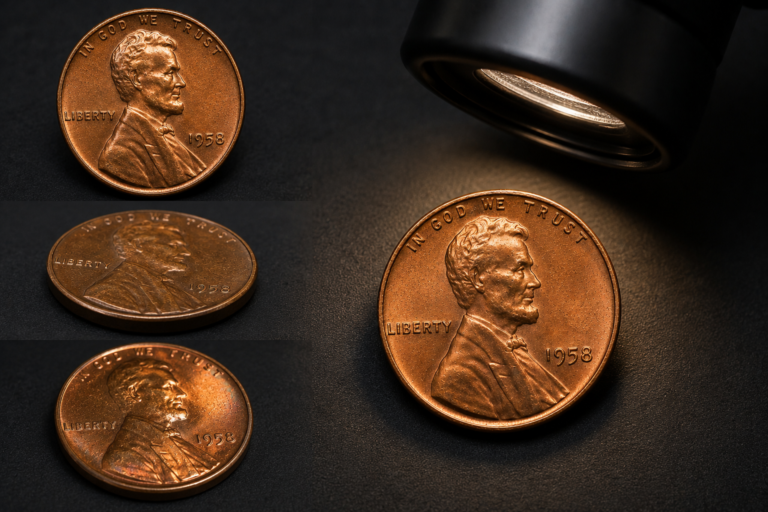
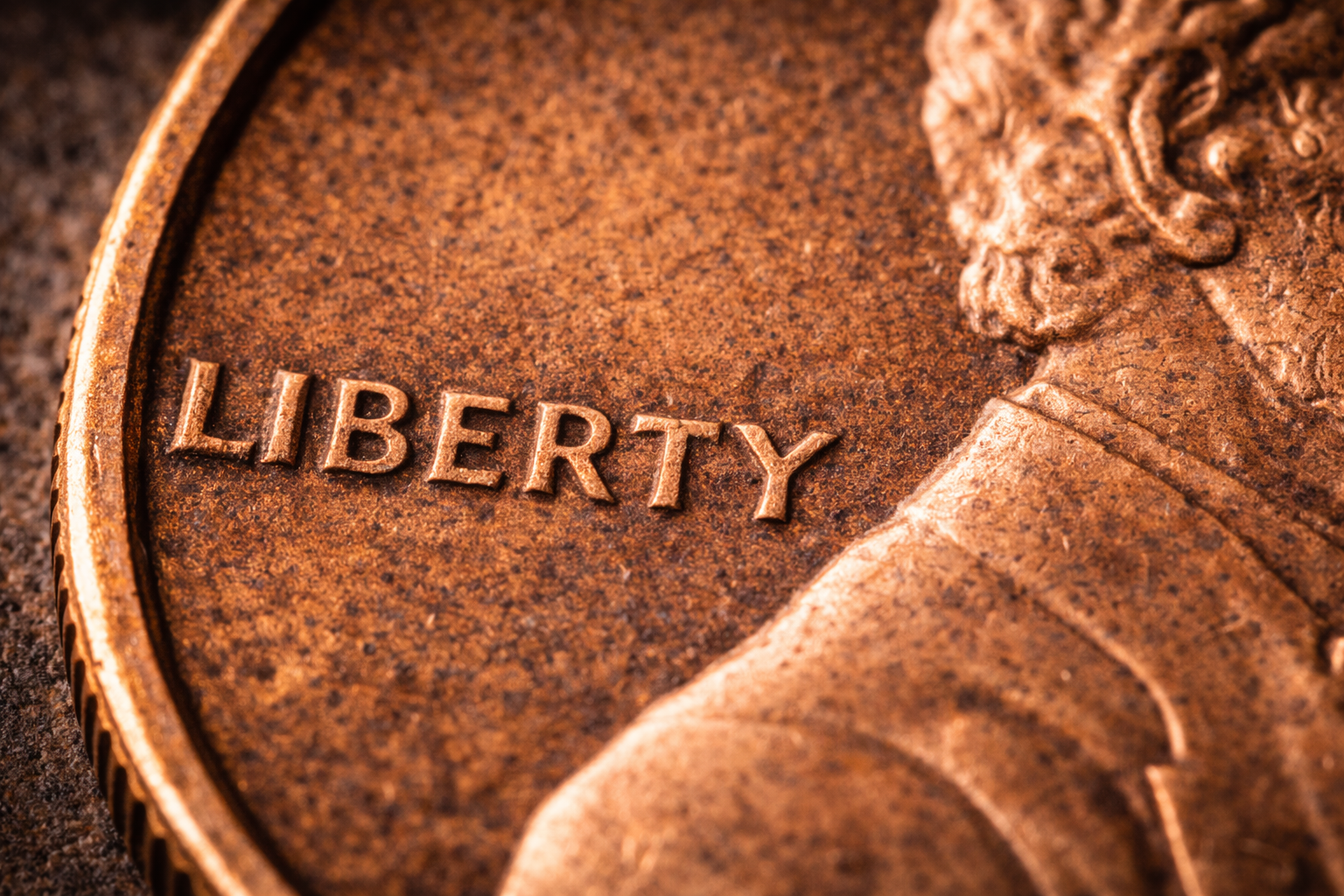
If you look closely at the words on a Lincoln penny, such as LIBERTY or IN GOD WE TRUST, you will notice that the spacing, alignment, and sharpness of each letter are carefully controlled, even though they appear simple at first glance.
These letters are not just placed on the coin, but engraved with precision so they remain readable even after years of circulation, which reflects the level of planning behind the design.

The importance of the coin’s edge
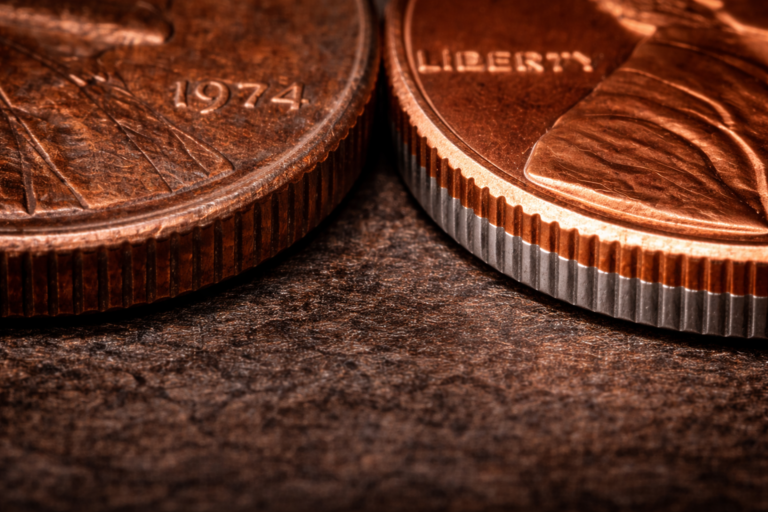
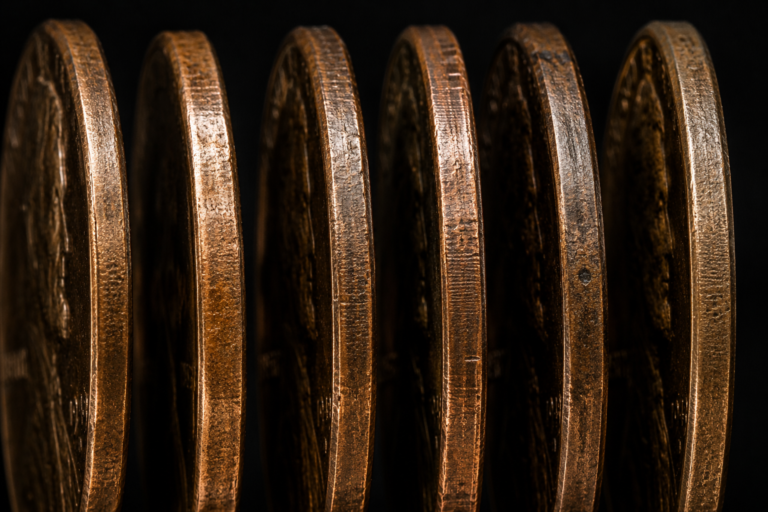
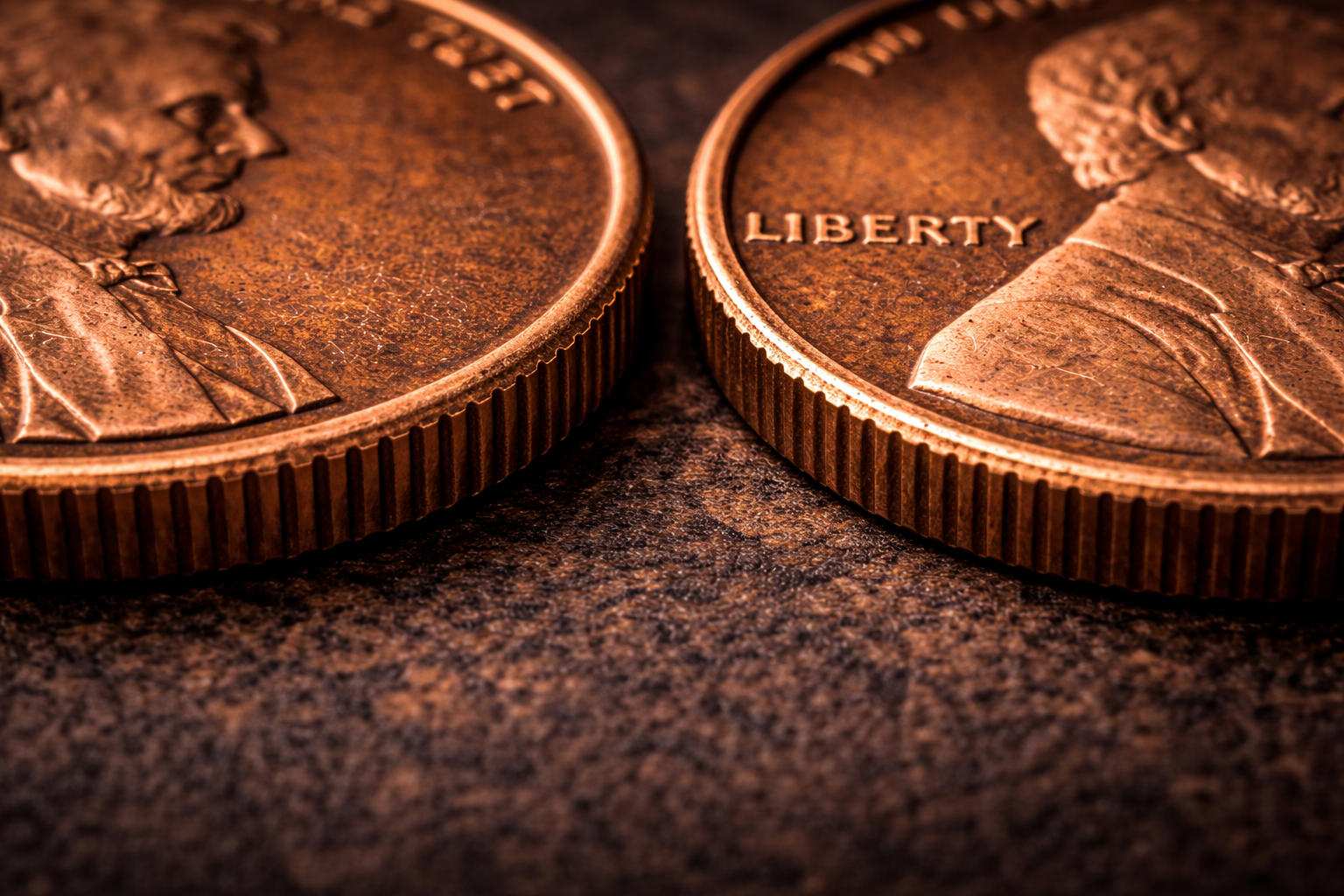
The edge of a coin is often ignored, yet it plays an important role in both durability and structure, and small variations in thickness or shape can tell you how the coin was struck.
When you compare different pennies, you may notice that some edges appear sharper or more defined, while others look softer due to wear, which adds another layer of detail to how each coin is experienced.
Surface marks and what they reveal
The surface of a penny is not perfectly smooth, and over time it develops marks, lines, and textures that reflect how it has been used, handled, and circulated.
These marks are not flaws, but part of the coin’s story, showing how it moved through the economy and how long it remained in active use.
Each coin becomes slightly unique because of these small changes.
Comparing coins to see differences
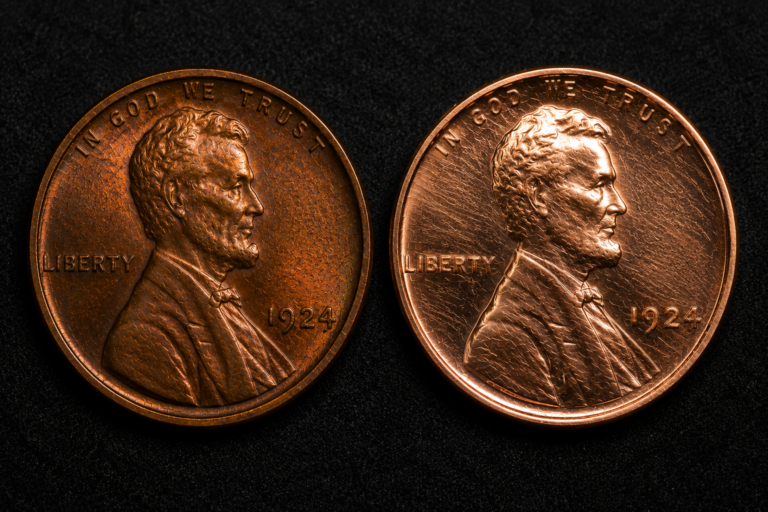
When two pennies are placed next to each other, even if they were produced in the same general period, small differences begin to appear, including variations in sharpness, lettering clarity, and overall finish.
These differences may be subtle, but they reveal how coins are affected by both production and circulation, and they highlight the fact that even standardized objects can carry individuality.
You can explore the broader design perspective in hidden details on the Lincoln penny .
Why these details matter today
As coins become less central to daily transactions, these details become more meaningful, because they represent a form of craftsmanship that is no longer as visible in modern digital systems.
Looking closely at a penny is not just about observing a coin, but about noticing the level of detail that once played a quiet but consistent role in everyday life.
Table of tiny details
| Detail | Where It Appears | What It Reveals |
|---|---|---|
| Letter spacing | Front text | Engraving precision |
| Rim thickness | Edge | Strike quality |
| Surface marks | Entire coin | Circulation history |
| Portrait depth | Lincoln profile | Design detail |
| Texture variation | Background | Wear over time |
Reality Check
These tiny details are still present on everyday coins, but they are rarely noticed because people no longer spend time examining physical money.
“The smallest details are not designed to be seen quickly, but to remain quietly present over time.”
Final Verdict
The Lincoln penny may appear simple, but its smallest details reveal a level of craftsmanship that reflects both design precision and real-world use, showing how even the most ordinary objects can hold hidden complexity.
By paying attention to these tiny elements, we begin to see coins not just as tools of exchange, but as carefully shaped pieces of everyday history.
FAQ
What are tiny details on a penny
They are small design features like lettering, edges, and textures that are often overlooked.
Why are these details hard to notice
Because coins are used quickly and rarely examined closely.
Do all pennies show the same details
They share the same design, but small variations appear over time.