Hidden Details on the Lincoln Penny Most People Never Notice
Estimated reading time: 15 minutes.
Most people see a penny as a simple coin, something small and familiar that passes through their hands without much attention, yet if you slow down and really look at it, you begin to notice that it carries far more detail than it first appears.
The Lincoln penny, in particular, is full of subtle design choices, fine engravings, and small variations that quietly tell a story about craftsmanship, history, and the way coins were made across different periods.
Once you start noticing these details, it becomes difficult to look at the coin the same way again, because what once seemed ordinary begins to reveal layers of meaning hidden in plain sight.
What this article explains
This article explores hidden details on the Lincoln penny, focusing on small design elements, engraving precision, and subtle differences that most people overlook.
- The hidden complexity of a simple coin
- The detail inside Lincoln’s portrait
- The surprising depth of the reverse design
- Small lettering that carries meaning
- Differences you only notice up close
- Why these details matter today
- Table of hidden details
- Reality Check
- Final Verdict
- FAQ
The hidden complexity of a simple coin
At first glance, the Lincoln penny appears simple, but this simplicity is carefully designed, because every line, curve, and element is placed with intention, even if most people never take the time to notice it.
Coins are created to be used quickly, which means their details must be both subtle and durable, and this balance often hides the level of craftsmanship involved in their creation.
Today, as fewer people pay attention to physical coins, as discussed in why the U.S. penny is slowly disappearing , these details are becoming even easier to overlook.
The detail inside Lincoln’s portrait
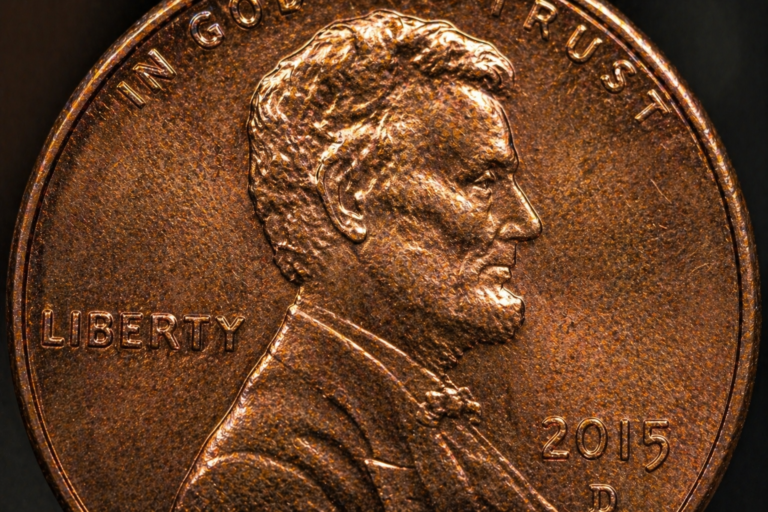
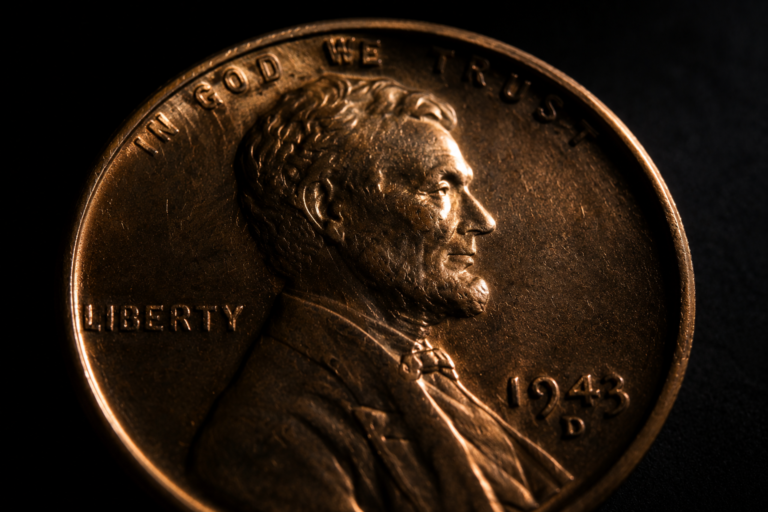
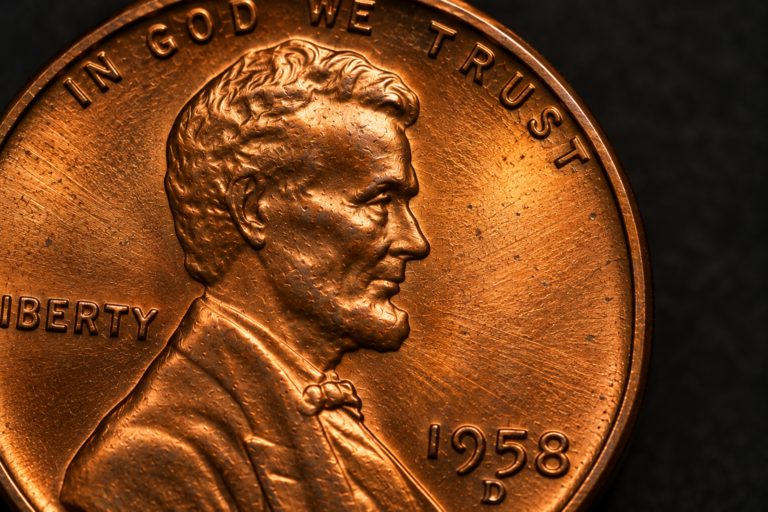
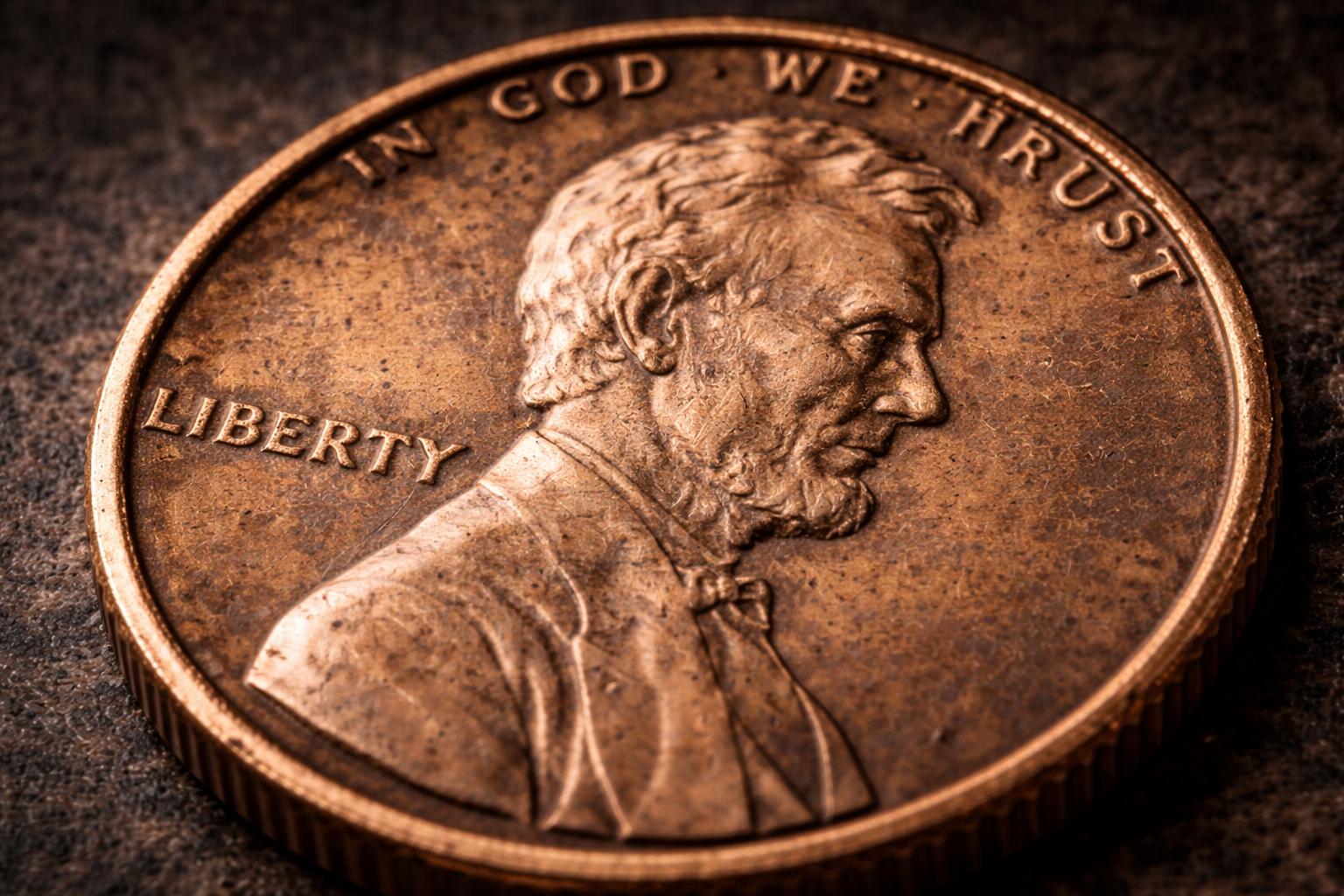
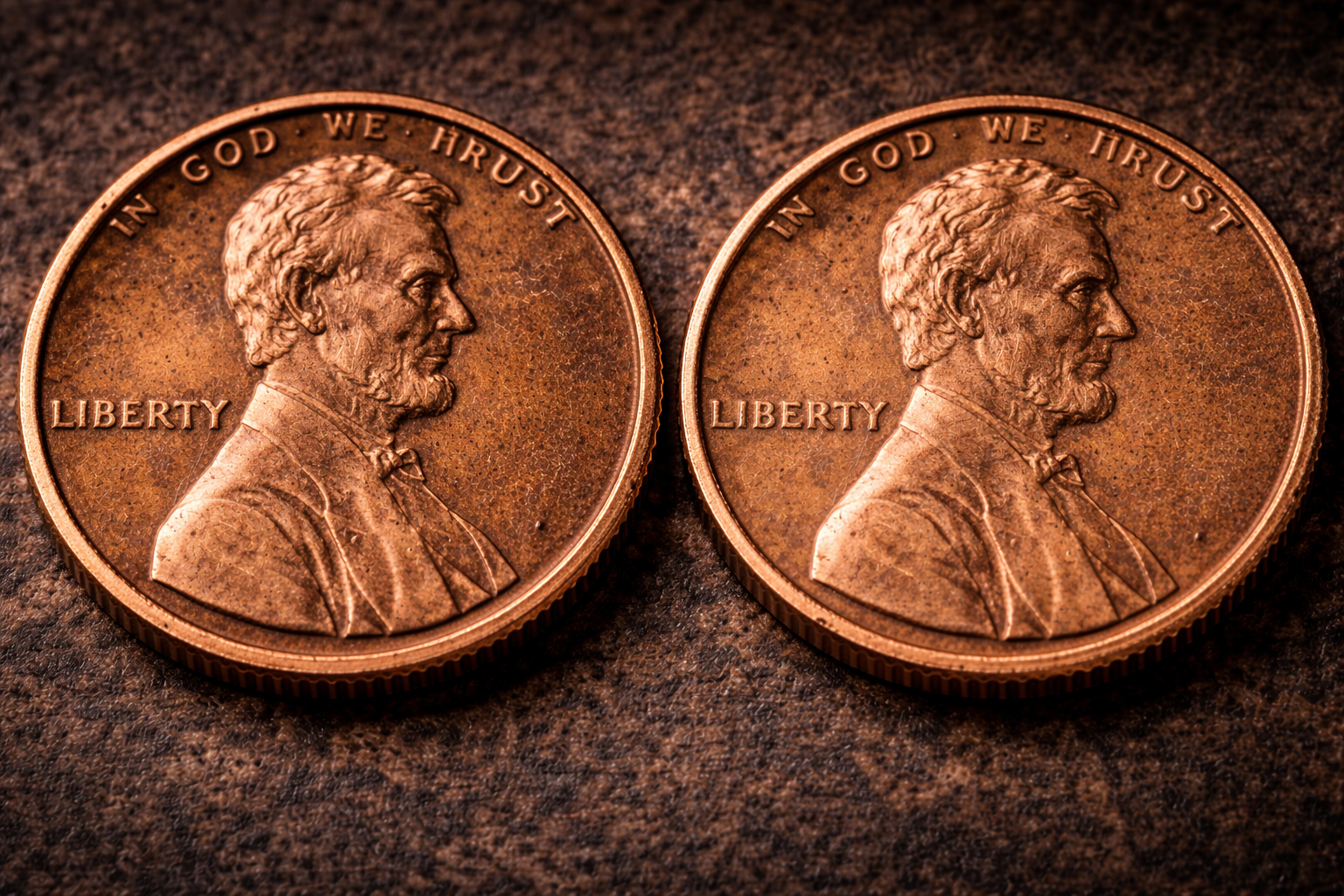
The portrait of Abraham Lincoln on the front of the coin is one of the most recognizable images in American currency, yet its fine engraving is rarely appreciated in detail.
If you examine the coin closely, you will notice the subtle texture of the hair, the depth of the profile, and the careful shaping of shadows that give the design a sense of realism despite its small size.
These elements are not random, but the result of deliberate artistic choices that allow the image to remain clear even after years of circulation.
The surprising depth of the reverse design
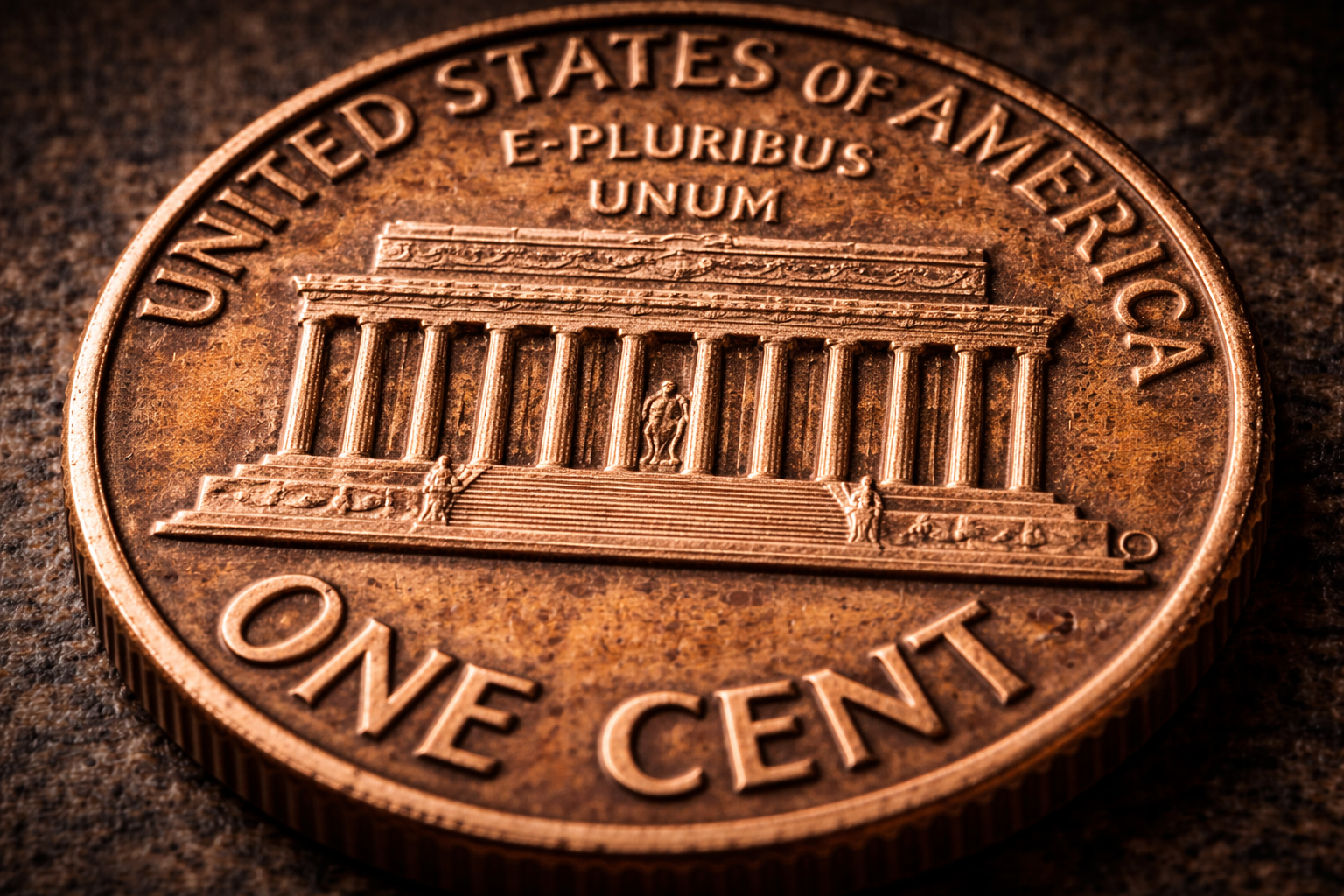
The reverse side of the Lincoln penny, especially during the Lincoln Memorial design period, contains more detail than most people realize, including fine architectural lines that attempt to represent a large structure within a very limited space.
What makes this particularly interesting is how these details remain visible even on worn coins, which reflects the precision of the original engraving and the intention behind its design.
You can explore the full history of this design in the Lincoln cent overview .
Small lettering that carries meaning
Beyond the main images, the lettering on the coin also carries subtle details, from the spacing between letters to the sharpness of the engraving, all of which can vary slightly depending on how the coin was struck.
These differences are often too small to notice during everyday use, but they become clear when viewed closely, revealing how even minor variations can reflect the production process.
Differences you only notice up close
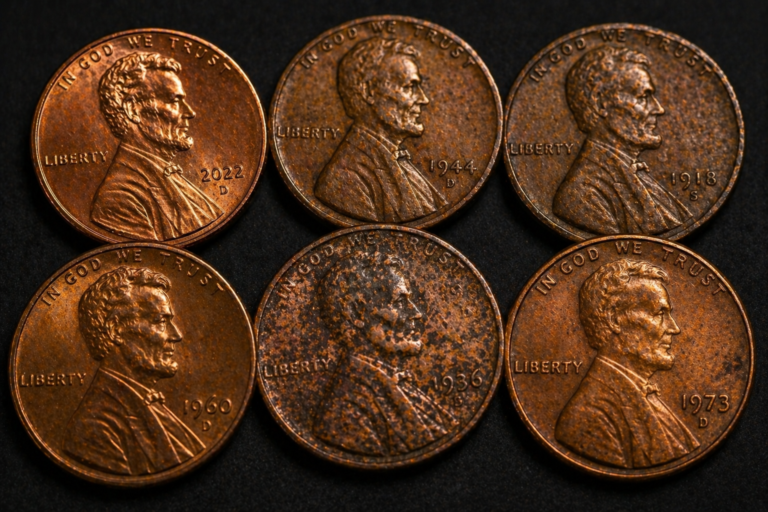
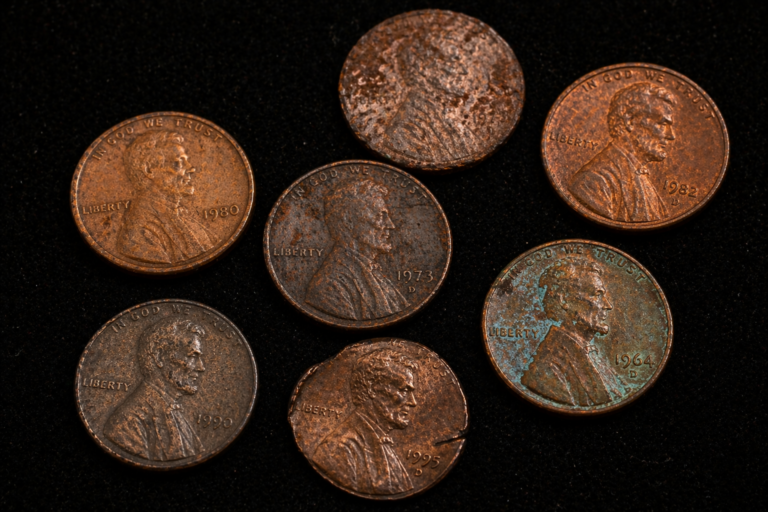
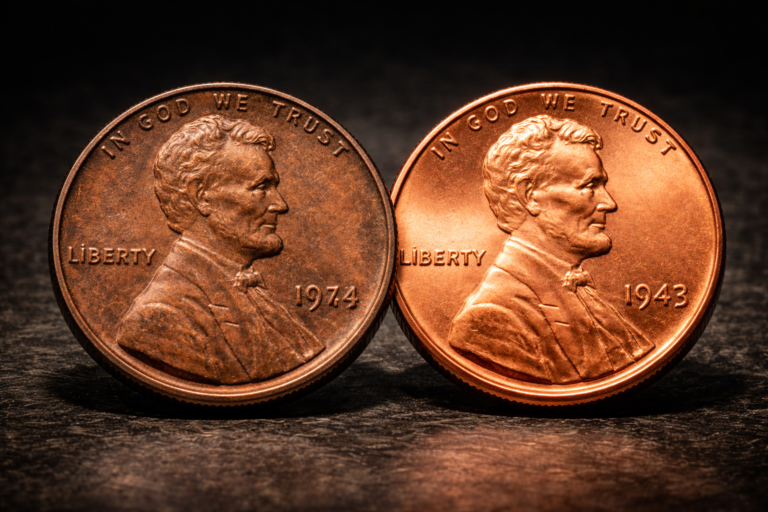
When two pennies are placed side by side, small differences begin to appear, including variations in rim thickness, surface texture, and overall sharpness of the design.
These differences may result from wear, circulation, or slight variations during minting, and they remind us that coins are physical objects shaped by both design and use.
Even though pennies are still part of the system, as explained in why the U.S. still uses pennies , their role has shifted, which makes these details even more interesting to observe today.
Why these details matter today
As the discussion around discontinuing pennies continues, as explored in why pennies are being discontinued , these small details take on a different meaning, because they represent a form of craftsmanship that may eventually disappear from everyday life.
Looking closely at a coin is no longer just about understanding money, but about recognizing the design and effort that went into something many people no longer notice.
Table of hidden details
| Detail | Where It Appears | Why It Matters |
|---|---|---|
| Portrait Lines | Front | Shows engraving precision |
| Memorial Design | Back | Reflects architectural detail |
| Letter Spacing | Edges | Indicates mint quality |
| Rim Thickness | Outer edge | Affects durability |
| Surface Texture | Entire coin | Reveals wear and history |
Reality Check
Most of these details are still present on everyday coins, but they are rarely noticed because people no longer look closely at physical money.
“The smallest details on a coin are often the ones that tell the biggest story.”
Final Verdict
The Lincoln penny may seem simple, but its design reveals a level of detail that reflects both artistic intention and practical function, showing how even the smallest objects can carry complexity beneath their surface.
By paying attention to these hidden elements, we begin to see coins not just as tools of exchange, but as carefully crafted pieces of everyday history.
FAQ
Are there hidden details on pennies
Yes, many small design elements and variations are often overlooked.
Why are these details hard to see
Because coins are used quickly and not examined closely in daily life.
Do all pennies have the same details
They share the same design, but small variations can appear over time.