This Tiny Detail Can Tell If Your Penny Is Older Than You Think
Estimated reading time: 16 minutes.
Most people think that telling the age of a penny requires checking the date, but in reality, there is a much simpler way to notice the difference, and it does not depend on reading numbers at all.
A tiny detail, often ignored completely, can instantly reveal whether a penny belongs to an earlier period or a more recent one, even if the design itself looks identical.
Once you learn how to spot it, you will never look at coins the same way again.
What this article explains
This article explains how a small visual detail can help you identify whether a penny is older than it appears, using simple observation techniques.
- The detail most people ignore
- What changed inside the penny
- The color difference you can see
- The edge that reveals everything
- Why this detail works so well
- Table of quick identification clues
- Reality Check
- Final Verdict
- FAQ
The detail most people ignore
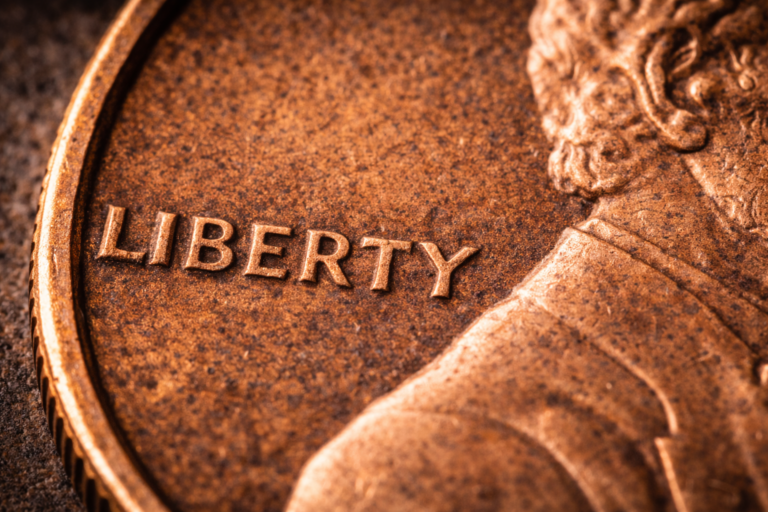
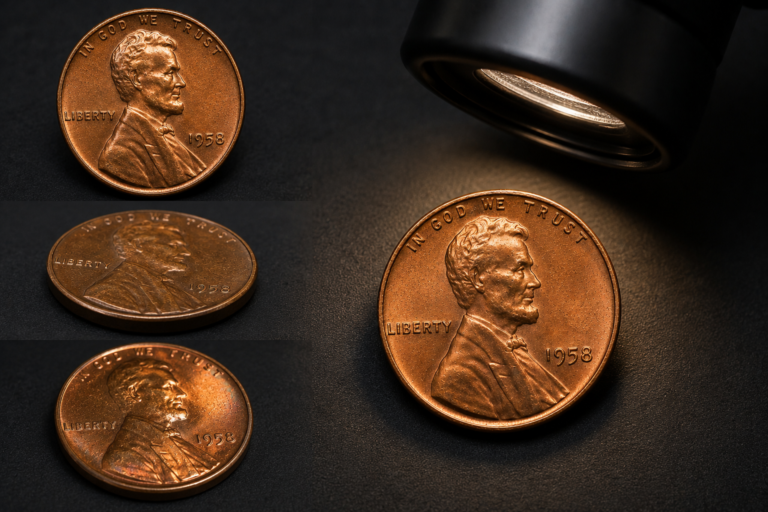
When people look at a penny, their attention usually goes straight to the date, yet the real clue is often found in something much simpler, which is the way the coin looks and feels as a physical object.
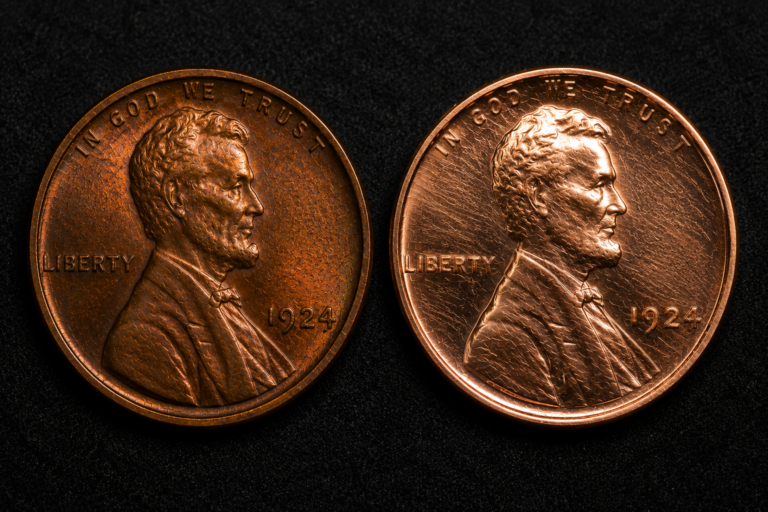
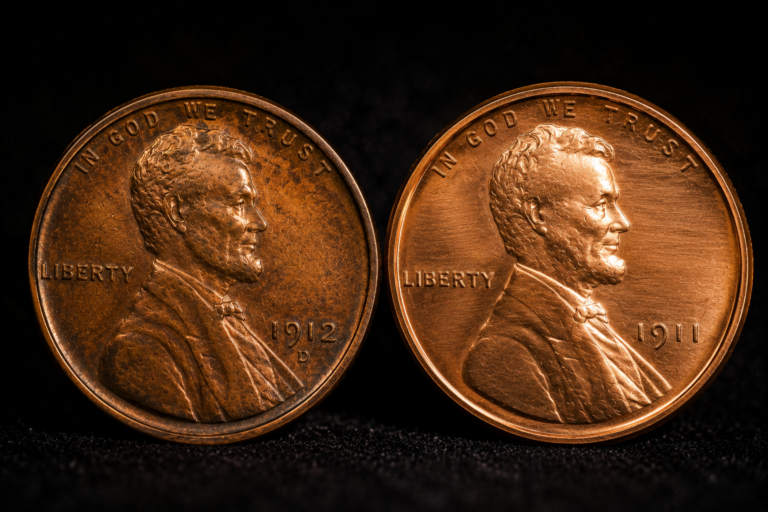
This detail becomes clear when you compare two pennies side by side, especially when one is older and the other is newer.
This idea connects closely with the differences explained in the secret differences between old and new pennies .
What changed inside the penny
For most of its history, the penny was made primarily of copper, which gave it a solid structure and a distinct weight, but this changed when production costs increased and a new composition was introduced. :contentReference[oaicite:1]{index=1}
Modern pennies are mostly zinc with a thin copper coating, which means the coin looks similar on the outside but is very different on the inside. :contentReference[oaicite:2]{index=2}
This hidden change is what makes the tiny detail so useful.
The color difference you can see
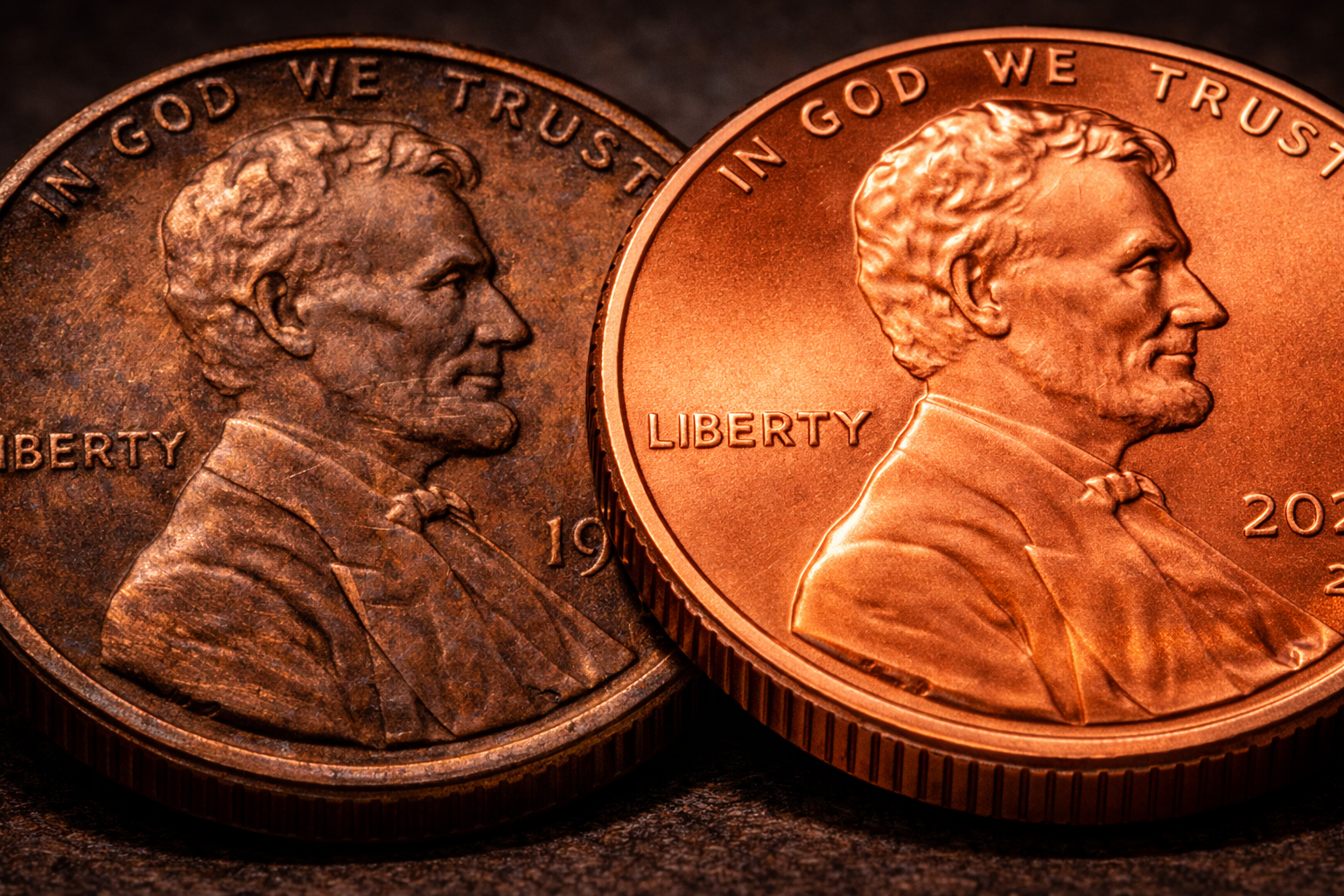
One of the easiest ways to notice the difference is through color, as older pennies tend to develop a darker, deeper tone over time, while newer pennies often appear brighter or slightly lighter.
This is not always perfect, but it is often the first clue.
The edge that reveals everything
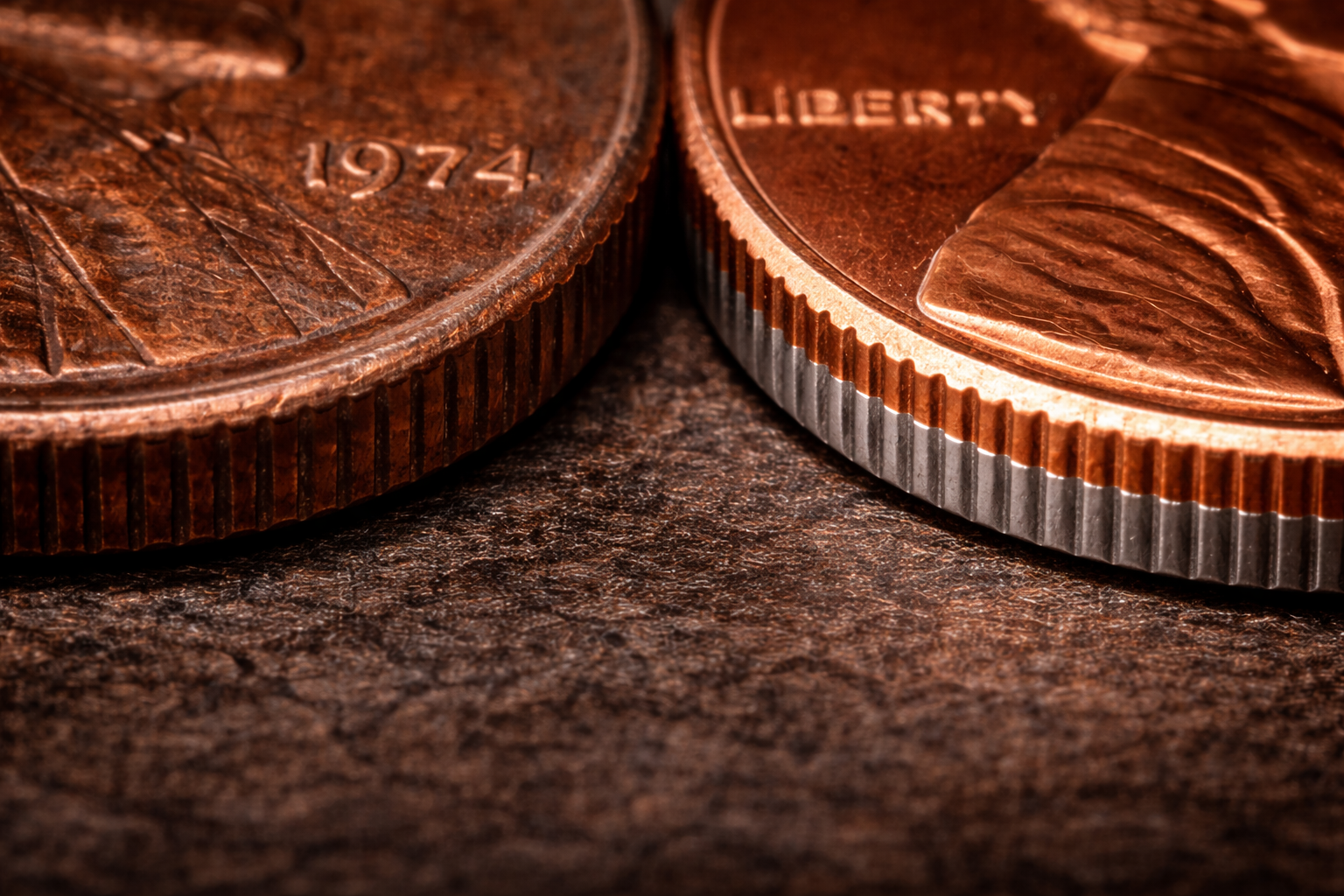
The most reliable detail is found on the edge of the coin, where the structure becomes visible in a way that the surface cannot hide.
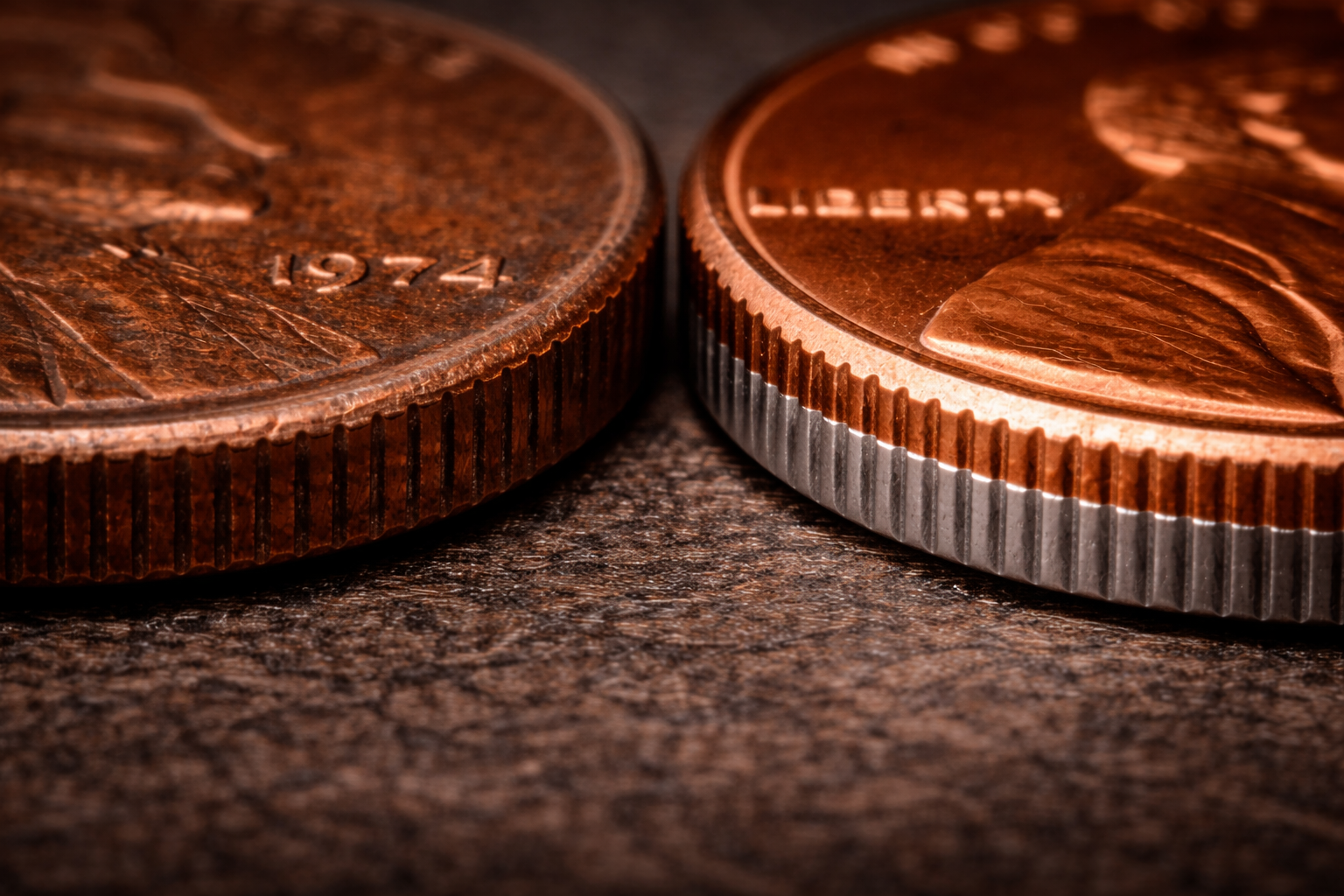
Older pennies show a more uniform metal appearance, while newer ones can reveal a layered structure due to their zinc core and copper coating.
This difference is subtle, but once you know what to look for, it becomes one of the easiest ways to tell them apart.
Why this detail works so well
This method works because it focuses on structure rather than design, and while designs can remain unchanged for years, materials and construction methods often change due to economic pressure.
As discussed in why pennies are being discontinued , these changes are driven by cost and efficiency rather than appearance.
That is why the difference exists even when the coin looks the same.
Table of quick identification clues
| Detail | What to Look For | Meaning |
|---|---|---|
| Color | Darker tone | Likely older |
| Edge | Uniform vs layered | Material difference |
| Weight | Slightly heavier feel | Older composition |
| Surface | Smooth aging | Long circulation |
| Overall feel | Solid vs lighter | Different structure |
Reality Check
Not every penny will clearly show these differences, but in many cases, they are visible enough to make a quick judgment.
“The smallest detail is often the easiest way to see the biggest difference.”
Final Verdict
The age of a penny is not always hidden in numbers, because a simple detail like its edge or color can reveal more than the date itself.
By learning to notice these small differences, you turn an ordinary coin into something you can read and understand.
FAQ
Can you tell a penny’s age without the date
Yes, small physical details can reveal important clues.
What is the easiest detail to check
The edge of the coin is often the most reliable.
Why are newer pennies different
Because their material changed to reduce production cost.