How Experts Use Light to See Hidden Coin Details
Estimated reading time: 18 minutes.
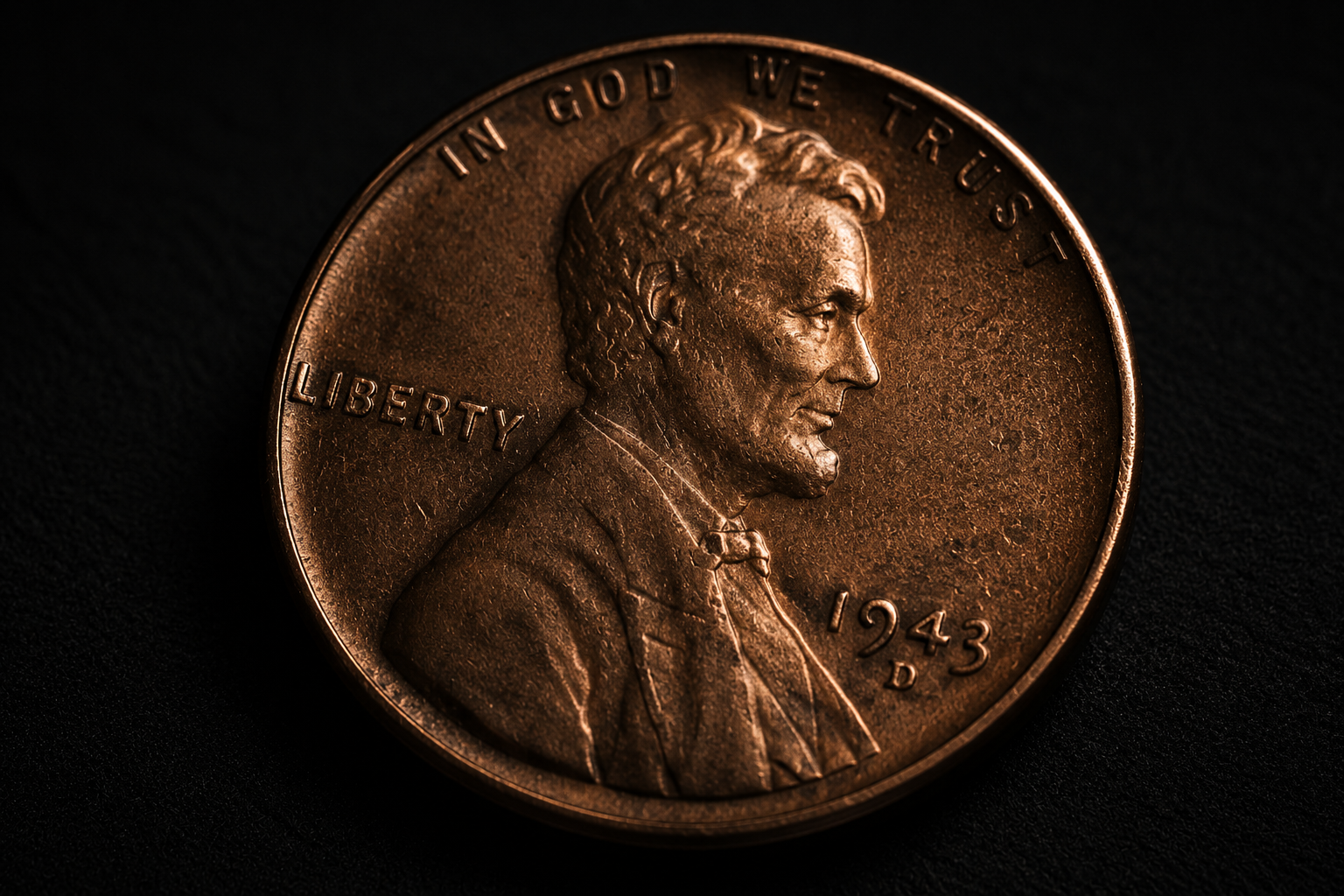
Most people examine coins under flat room lighting without realizing that the way light touches the surface can completely change what becomes visible, because many important details only appear when shadows and contrast begin to reveal the true structure of the coin.
Experts understand that observation is not only about the eye itself, but also about the direction, strength, and angle of light, which is why they constantly move coins under light instead of keeping them still.
A detail that seems invisible in one position can suddenly become obvious the moment the light changes.
What this article explains
This article explains how experts use light to reveal hidden details on coins by observing shadows, texture, raised areas, and subtle wear patterns.
- Why lighting changes everything
- How shadows reveal hidden structure
- The difference between direct and angled light
- Why texture becomes easier to read
- How experts detect wear through contrast
- Table of lighting effects on coin observation
- Reality Check
- Final Verdict
- FAQ
Why lighting changes everything
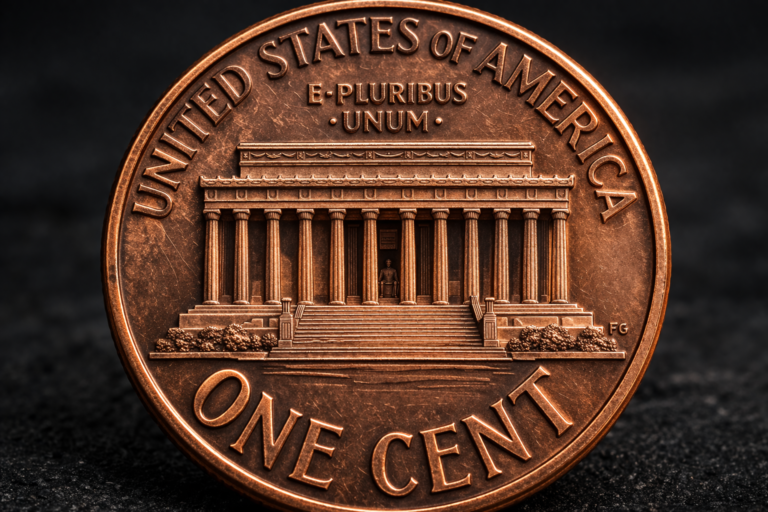
Coins are made of raised and recessed surfaces, which means their appearance depends heavily on how light interacts with those structures, because light creates shadows that define edges, depth, and texture in ways the eye cannot detect under flat illumination.
Without directional lighting, many details blend together and become difficult to interpret correctly.
This observational approach builds directly on the methods introduced in how to read a coin step by step .
How shadows reveal hidden structure
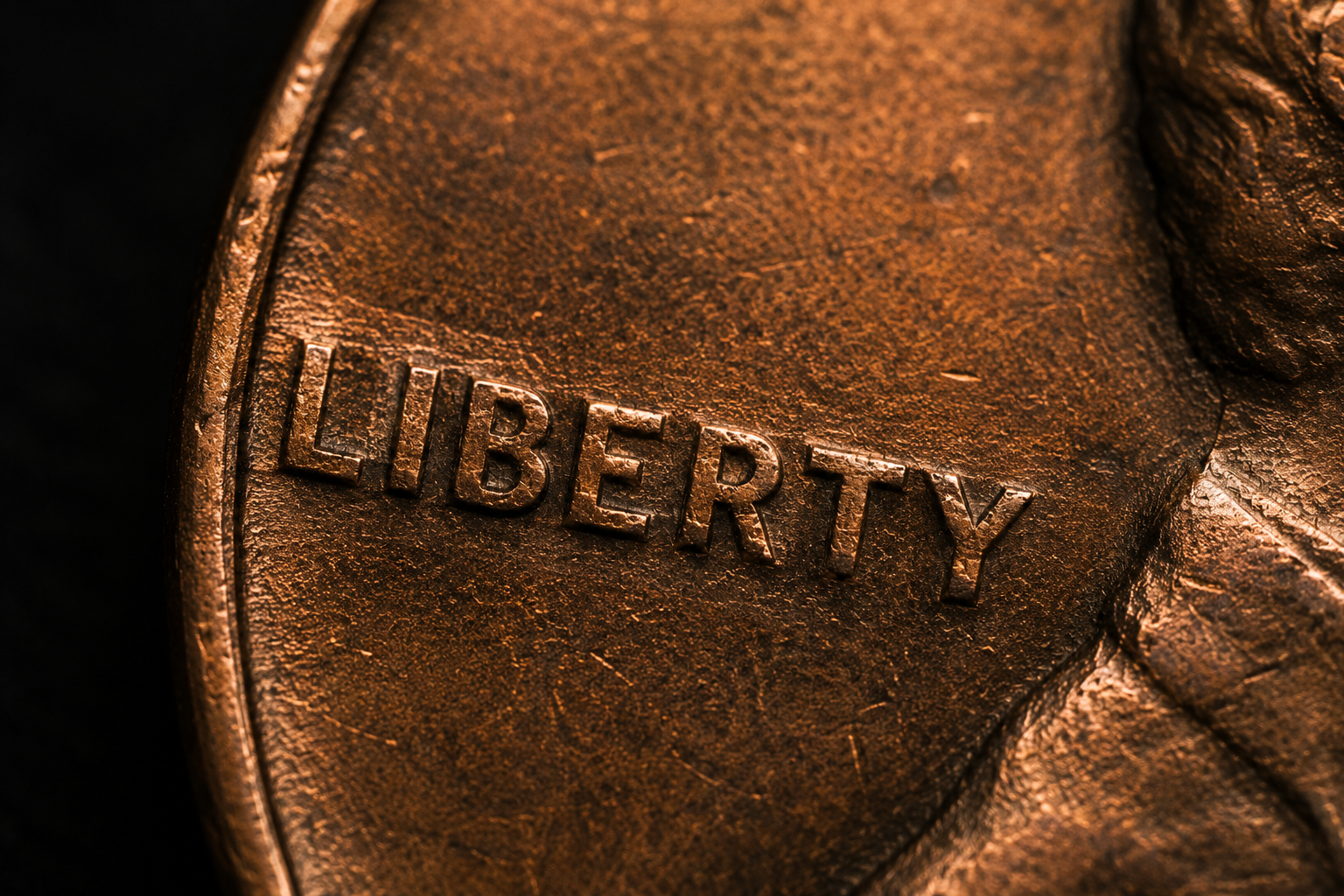
Shadows are extremely important because they increase contrast between raised and recessed sections of the design, allowing fine details to stand out more clearly.
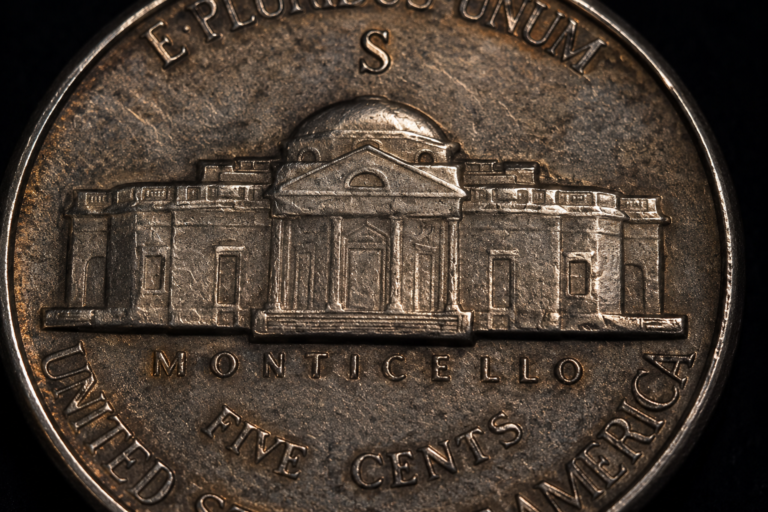
Even very small differences in height become visible once light strikes the surface from the side rather than from directly above.
The difference between direct and angled light
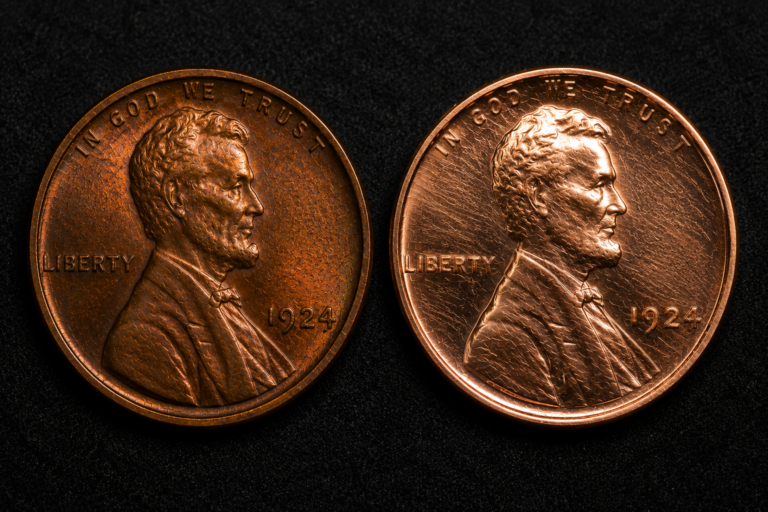
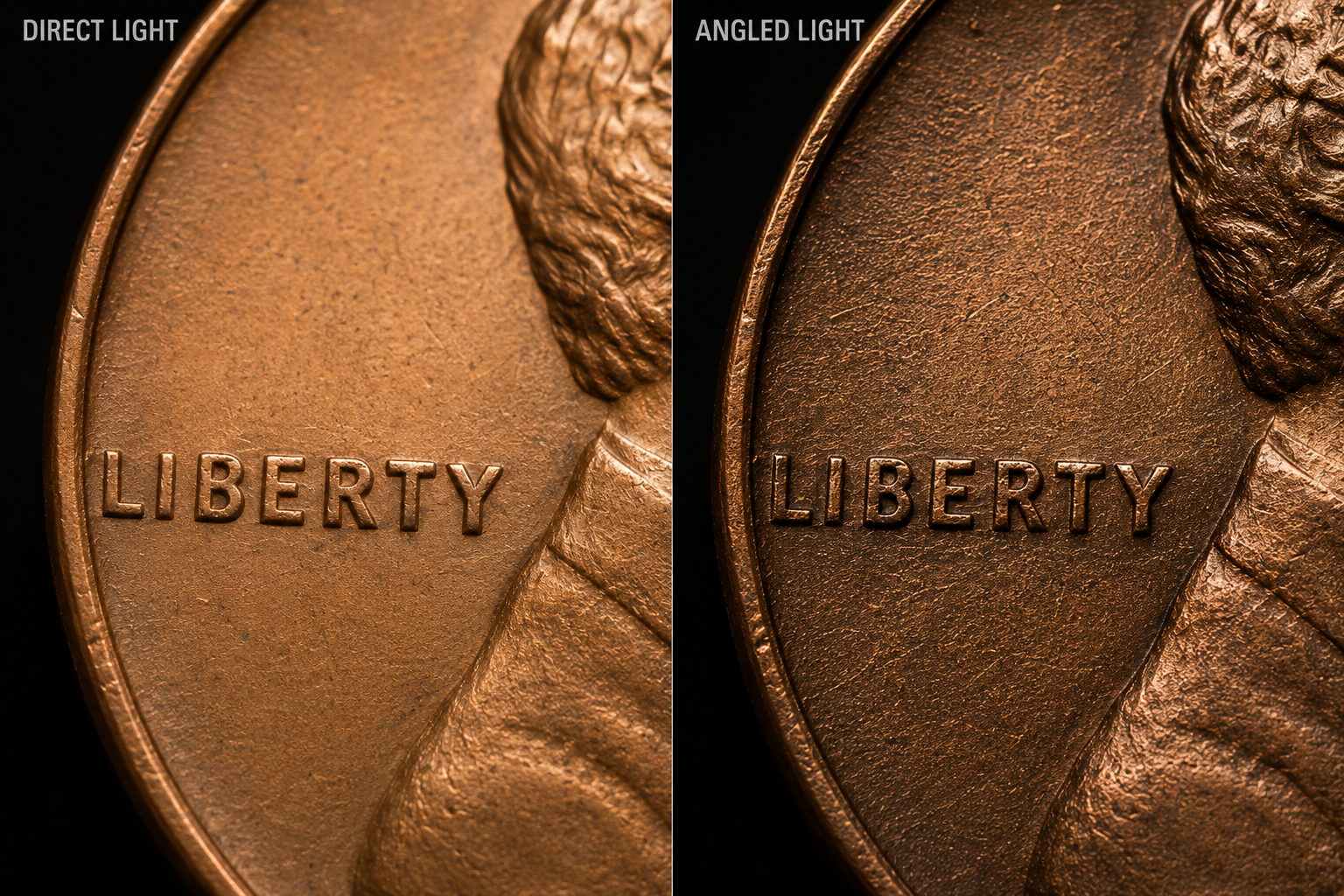
Direct light tends to flatten the appearance of a coin because it reduces visible shadow, while angled light increases depth perception and makes surface changes easier to notice.
This is why experts rarely inspect coins under straight overhead lighting alone.
The ability to interpret these visual differences also connects closely with how to tell the difference between wear and design .
Why texture becomes easier to read
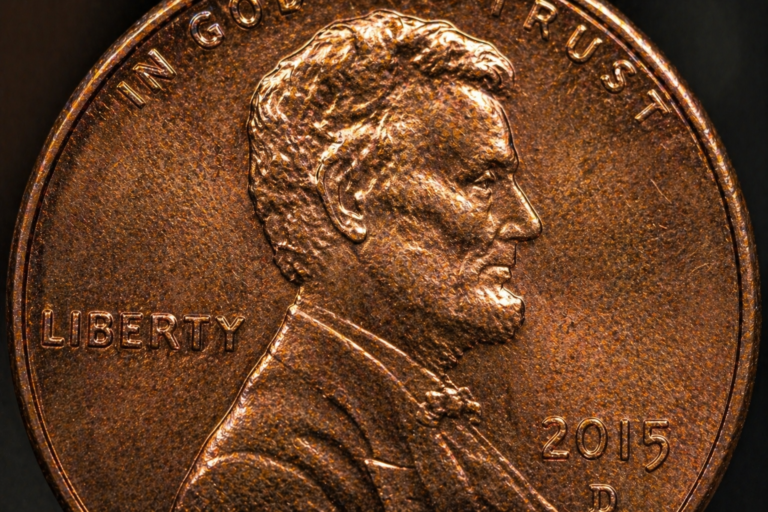
Texture is often invisible under normal lighting because the eye needs contrast to separate smooth and rough areas, but angled illumination creates tiny shadows that make these textures much easier to recognize.
As a result, surface flow, wear patterns, and preserved details suddenly become more obvious.
How experts detect wear through contrast
Wear changes the surface gradually, reducing sharpness and softening high points, yet these changes are much easier to identify when contrast increases under directional light.
Experts look for transitions between smooth and preserved areas because those transitions reveal how the coin interacted with circulation over time.
This process also supports the surface-first mindset explained in the first thing experts look at on any coin .
Many people misunderstand these visual effects because they interpret what they see too quickly without considering how light influences perception, which is one reason discussed in why most people misunderstand coin details completely .
Table of lighting effects on coin observation
| Lighting Type | What It Reveals | Visual Effect |
|---|---|---|
| Direct light | General appearance | Flat surface view |
| Side light | Raised details | Strong shadows |
| Angled light | Wear patterns | Texture contrast |
| Soft light | Surface flow | Smooth transitions |
| Rotating light | Hidden details | Dynamic visibility |
Reality Check
Many details that appear invisible under normal lighting become obvious once the angle of light changes.
“Light does not change the coin, it changes what the eye is able to understand.”
Final Verdict
Experts rely on lighting because coins are deeply physical objects whose details depend on shadow, contrast, and surface interaction rather than simple visual appearance alone.
By learning how light reveals structure and wear, anyone can begin to observe coins with greater depth and accuracy.
FAQ
Why do experts use angled light on coins
Because angled light increases contrast and reveals hidden surface details.
Does direct light hide details
Yes, flat lighting often reduces visible texture and shadow.
Can lighting help identify wear
Yes, directional light makes worn and preserved areas easier to distinguish.