Why Most People Misunderstand Coin Details Completely
Estimated reading time: 17 minutes.
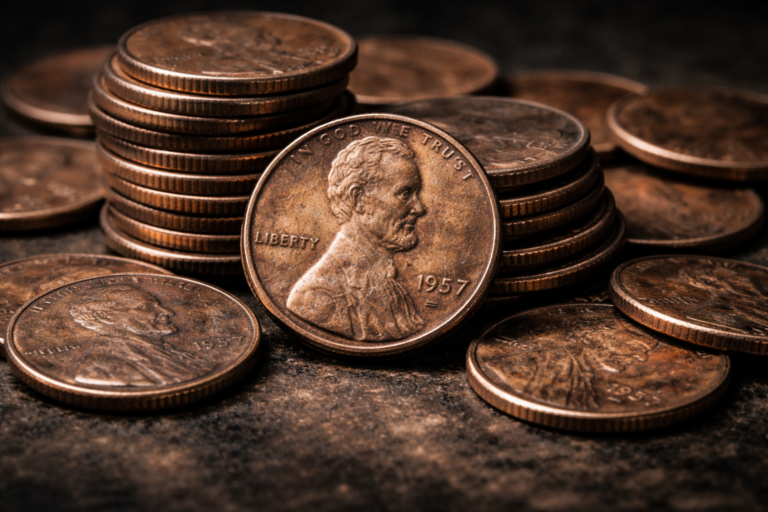
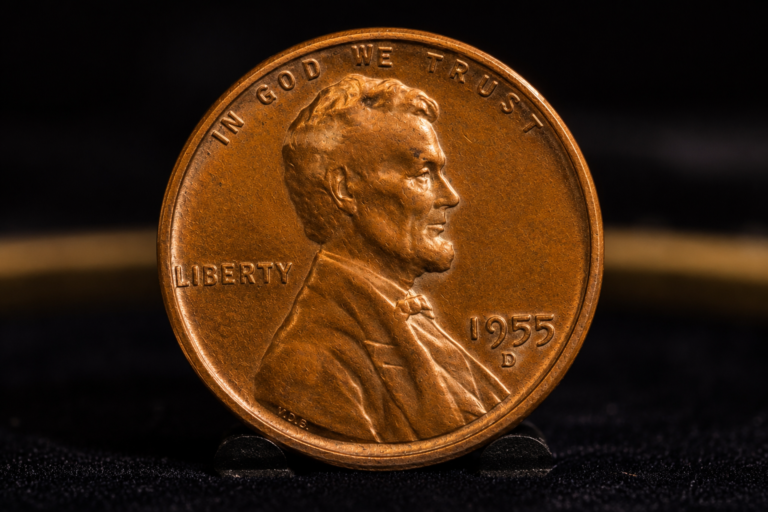
Most people believe they are observing coins carefully, yet in reality they are only reacting to what they see at first glance, which often leads to a complete misunderstanding of how coin details actually work.
The problem is not in the coin itself, but in the way the eye interprets what it sees, because surface changes, wear, and material differences can easily be mistaken for design features or unusual variations.
This gap between observation and understanding is what causes most confusion.
What this article explains
This article explains why people misunderstand coin details and how perception, wear, and material differences create misleading impressions.
- The difference between seeing and understanding
- How the eye misinterprets wear
- Why surface changes look like errors
- The role of material in confusion
- How comparison reveals the truth
- Table of misunderstanding vs reality
- Reality Check
- Final Verdict
- FAQ
The difference between seeing and understanding
Looking at a coin is not the same as understanding it, because the eye tends to focus on contrast, brightness, and visible change, while ignoring the processes that created those changes.
This is why many people assume that unusual details must be intentional or rare, when they are often the result of normal use.
This misunderstanding begins with the basic mistake explained in the one mistake people make when looking at pennies .
How the eye misinterprets wear
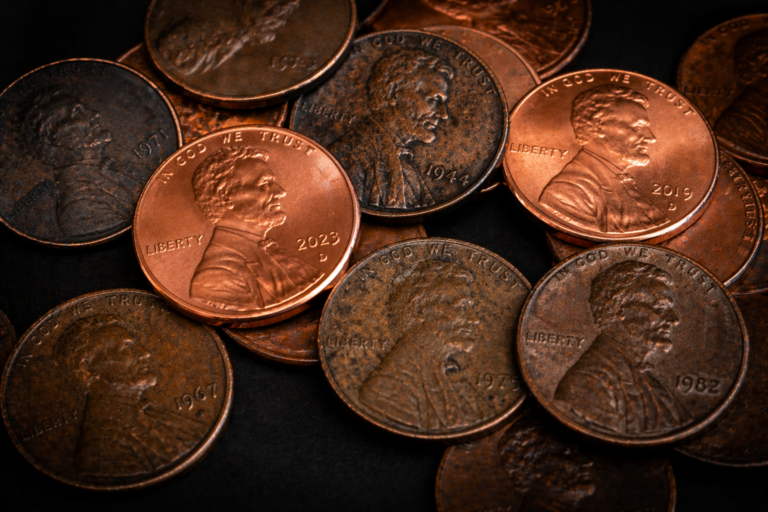
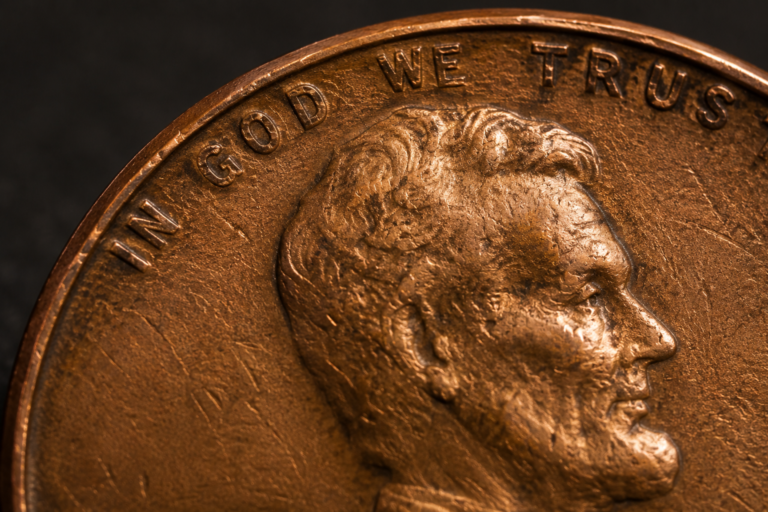
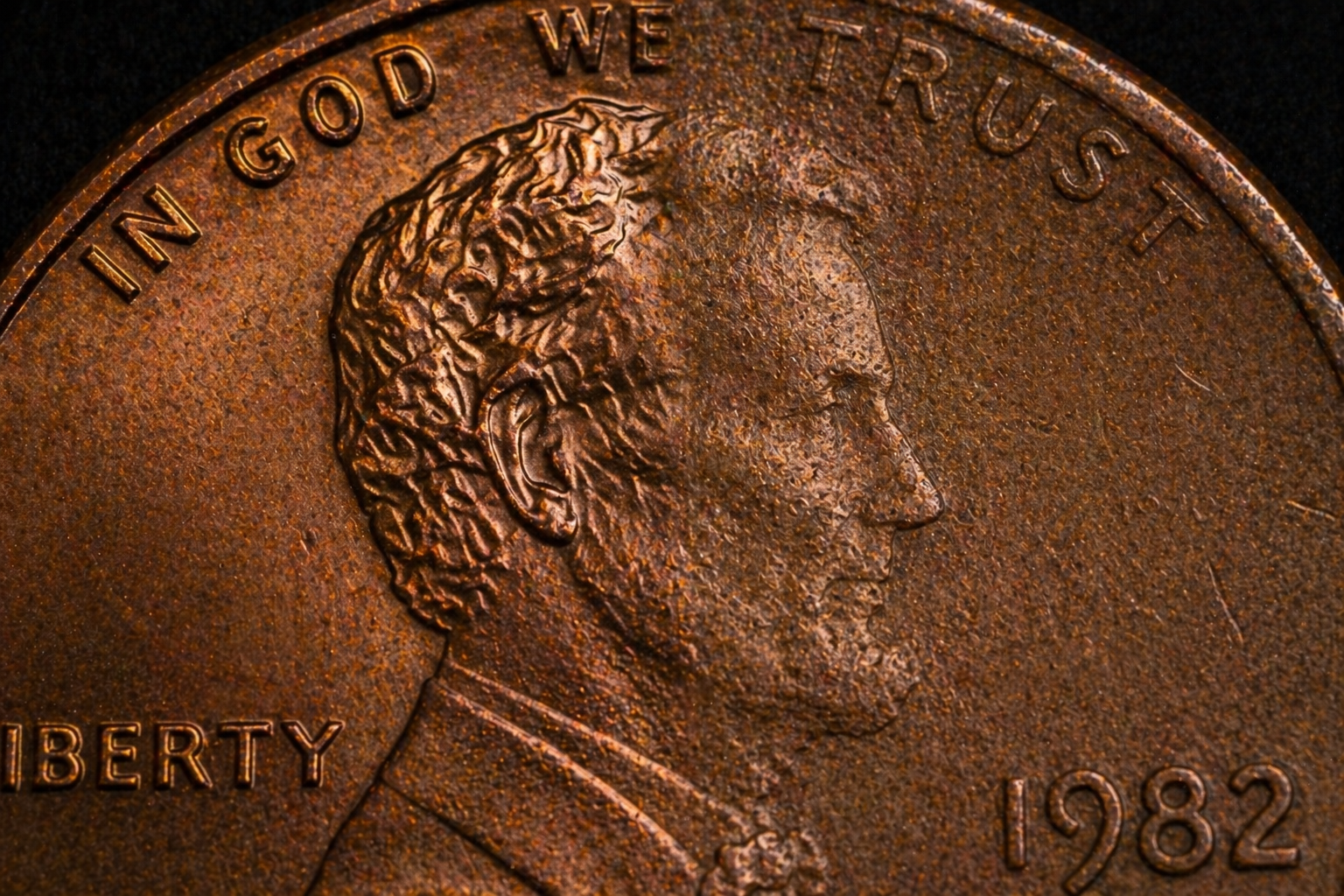
Wear does not remove details evenly, but affects raised areas first, which creates uneven surfaces that can look like something is wrong with the coin.
The eye interprets these changes as defects rather than natural aging, which leads to incorrect conclusions.
Why surface changes look like errors
Surface changes such as fading, smoothing, or uneven color often resemble what people expect from errors, which is why they are frequently misinterpreted.
In reality, these features are part of how coins age and move through circulation.
This idea connects closely with why some pennies look strange but are completely normal .
The role of material in confusion
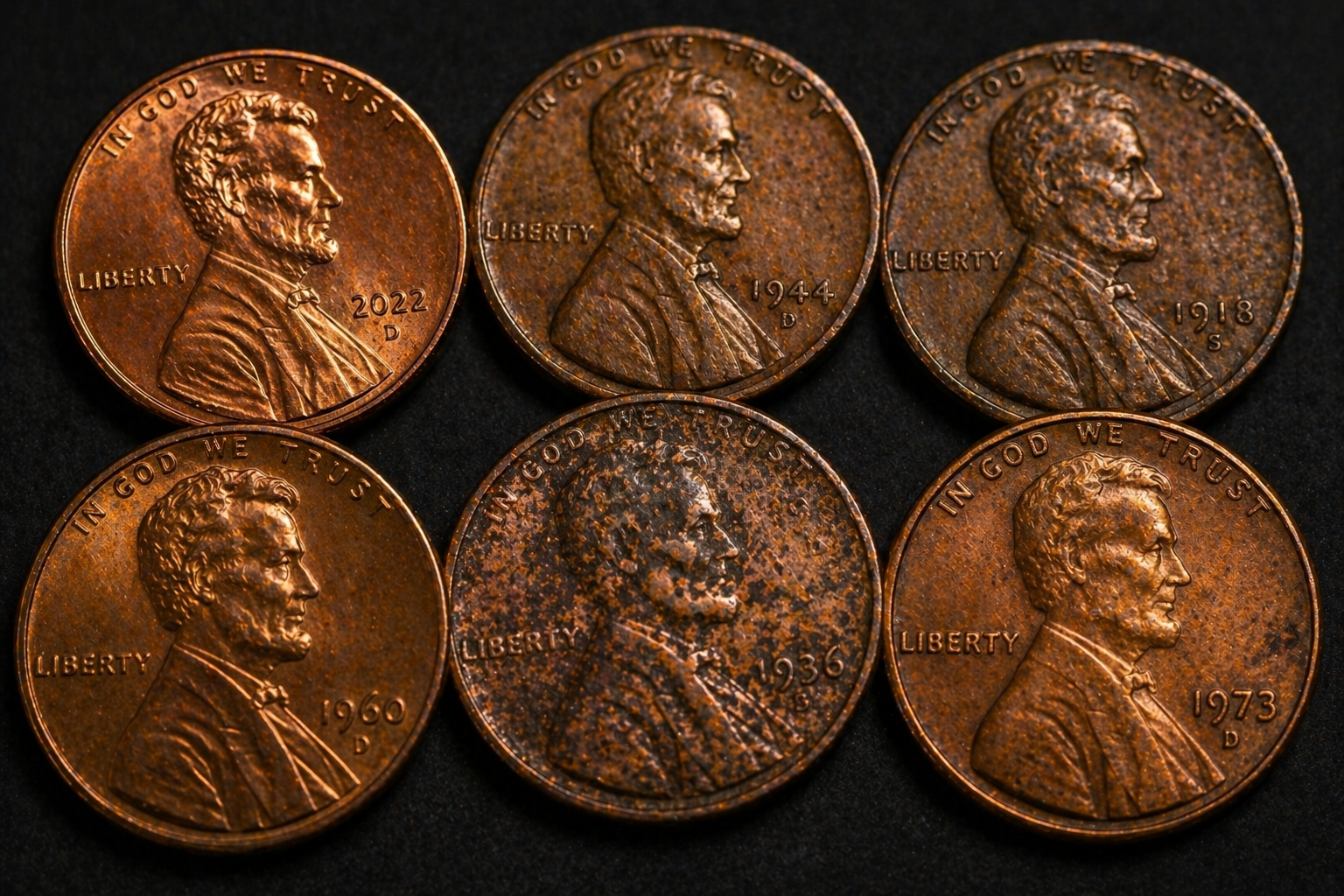
Material differences also contribute to misunderstanding, because coins that look similar on the surface can behave differently over time depending on what they are made of.
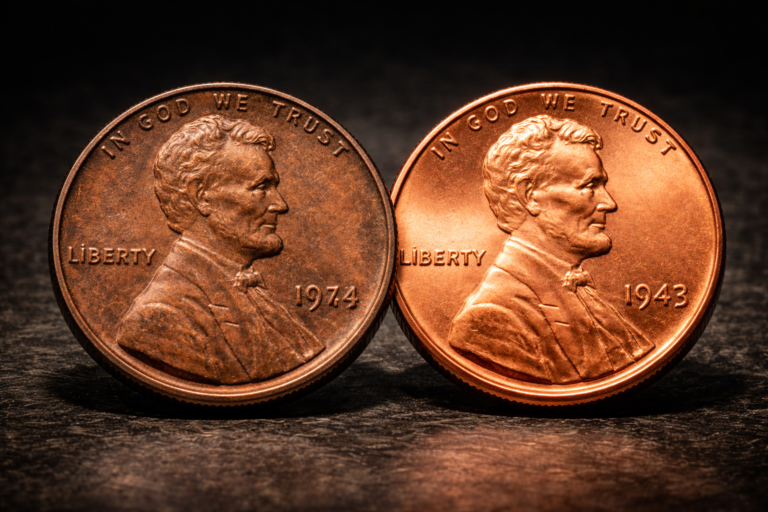
This is especially clear when comparing older copper coins with newer zinc-based ones, as explained in the secret differences between old and new pennies .
These differences affect color, weight, and wear patterns.
How comparison reveals the truth
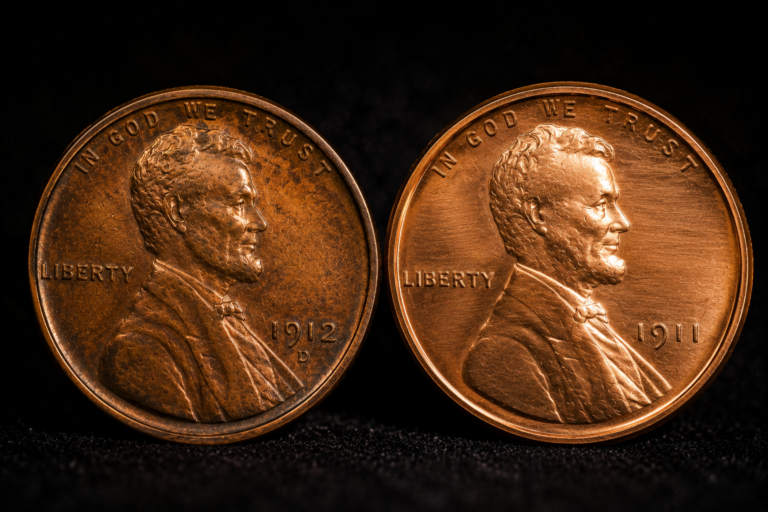
The easiest way to understand coin details is to compare multiple examples, because differences become clearer when seen side by side rather than in isolation.
This method allows the observer to distinguish between design, wear, and material effects.
It also connects with the observation techniques described in tiny details on the Lincoln penny .
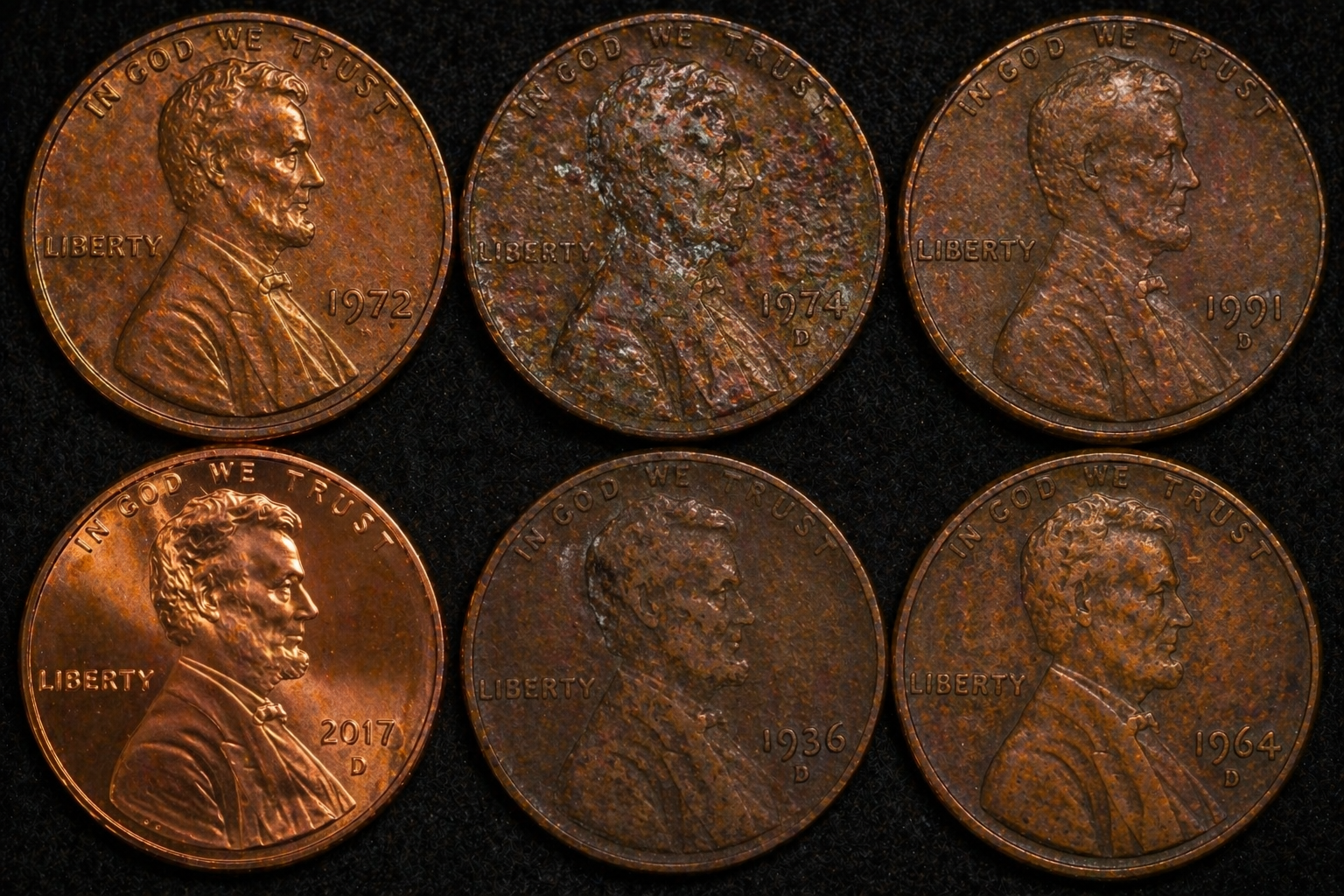
Table of misunderstanding vs reality
| What People See | What They Think | What It Actually Is |
|---|---|---|
| Smooth surface | Missing detail | Wear |
| Uneven color | Damage | Oxidation |
| Faded engraving | Error | Circulation effect |
| Different texture | Defect | Usage history |
| Light tone | Special coin | Material difference |
Reality Check
Most misunderstandings about coin details come from interpreting normal changes as unusual features.
“The problem is not in what we see, but in how we interpret it.”
Final Verdict
Coins are often misunderstood because the eye focuses on appearance rather than process, which leads to confusion between design, wear, and material.
By learning to observe coins more carefully and compare them properly, we begin to see them for what they really are, rather than what they appear to be.
FAQ
Why do people misunderstand coin details
Because they rely on quick visual impressions instead of careful observation.
Is wear often mistaken for errors
Yes, this is one of the most common misunderstandings.
How can you avoid confusion
By comparing coins and understanding how they change over time.