Why Experts Rotate Coins Under Light
Estimated reading time: 18 minutes.
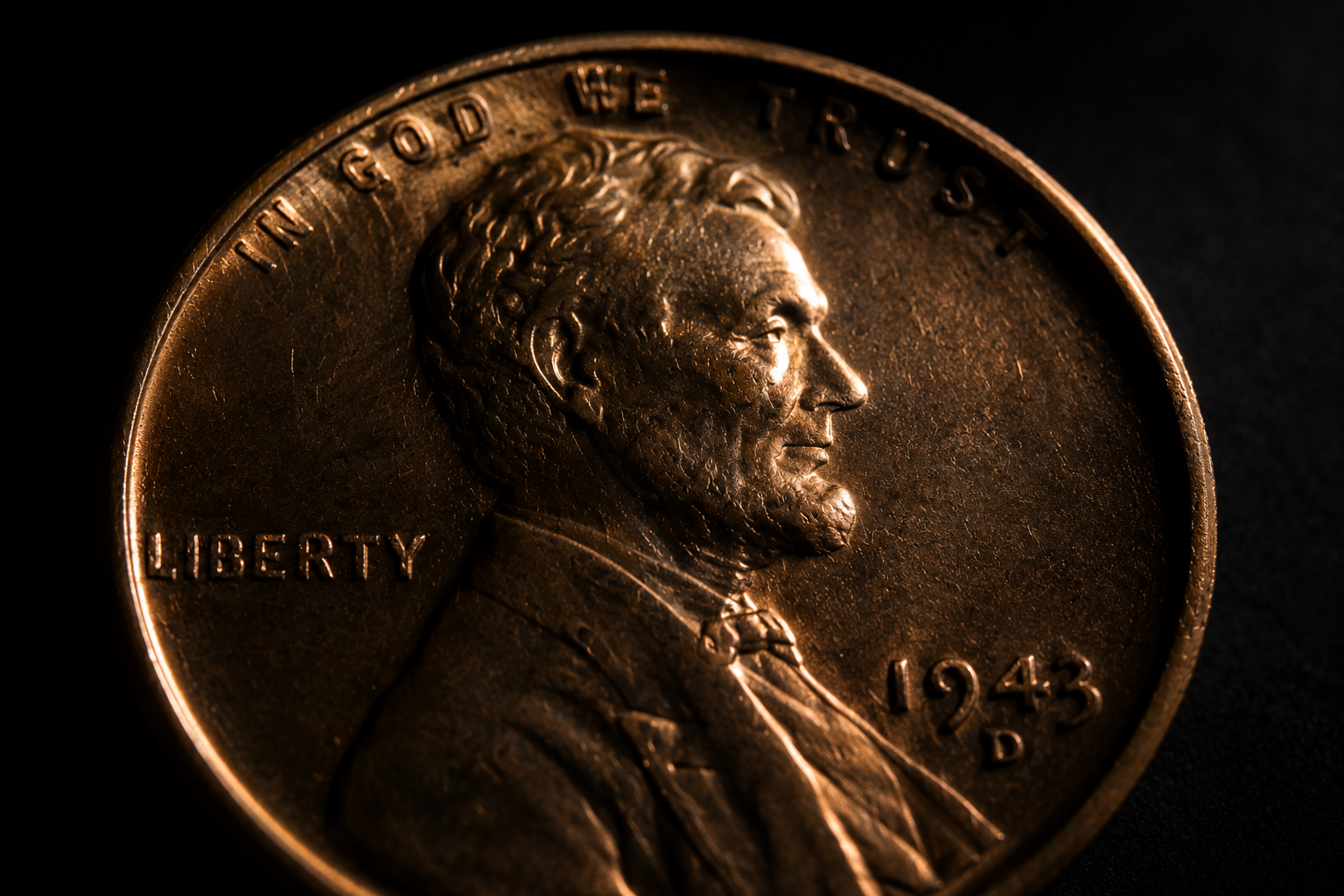
Most people believe that observing a coin is a simple process that involves looking directly at the design, checking the date, and forming an opinion based on what appears immediately visible, yet experienced collectors and researchers rarely inspect a coin this way because they understand that many of the most important details remain hidden until the viewing angle changes.
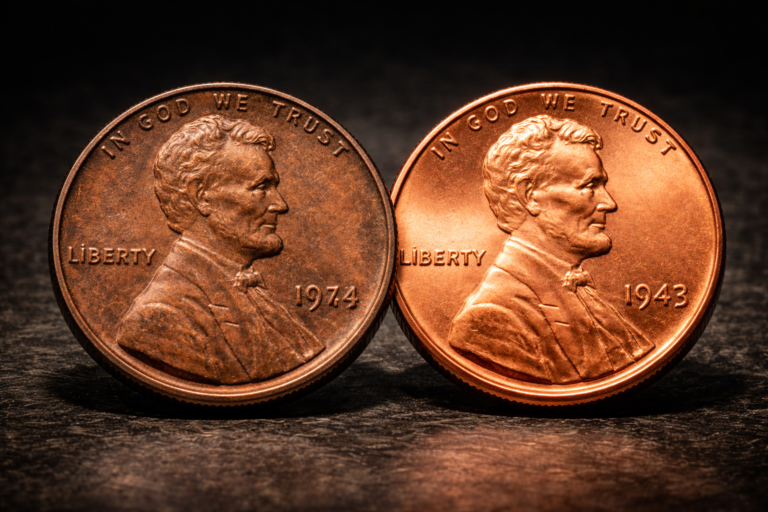
A coin is not a flat image printed on metal. It is a three-dimensional object made of raised lines, recessed areas, curved surfaces, and microscopic textures that interact continuously with light, shadow, and reflection. Because of this, the same coin can appear completely different depending on how it is positioned beneath a light source.
This is why experts constantly rotate coins while examining them. They are not doing it out of habit. They are doing it because rotation reveals information that cannot be seen when the coin remains motionless.
What this article explains
This article explains why experts rotate coins under light, how movement changes visibility, why shadows reveal hidden structure, and how rotation helps uncover wear patterns, texture, and details that remain invisible during static observation.
- Why a stationary coin hides information
- The relationship between light and surface structure
- Why rotation changes visibility
- How shadows reveal hidden details
- The importance of changing perspective
- How experts detect wear through movement
- Why texture becomes easier to understand
- Table of rotation effects
- Reality Check
- Final Verdict
- FAQ
Why a stationary coin hides information
When a coin remains in a fixed position beneath a light source, the eye receives only one version of the surface. The shadows stay in the same place, the reflections remain unchanged, and the visible texture is limited by a single viewing angle. While this may appear sufficient at first glance, it often hides more information than it reveals.
A coin contains countless small variations in height and depth. Some parts rise slightly above the surrounding surface while others sink below it. Under a fixed light source, many of these differences blend together, making the surface appear flatter than it actually is.
Experts understand that a single viewing angle creates an incomplete picture, which is why they rarely trust their first impression.
This principle builds naturally upon the observational methods introduced in how to read a coin step by step , where careful observation is treated as a process rather than a quick glance.
The relationship between light and surface structure
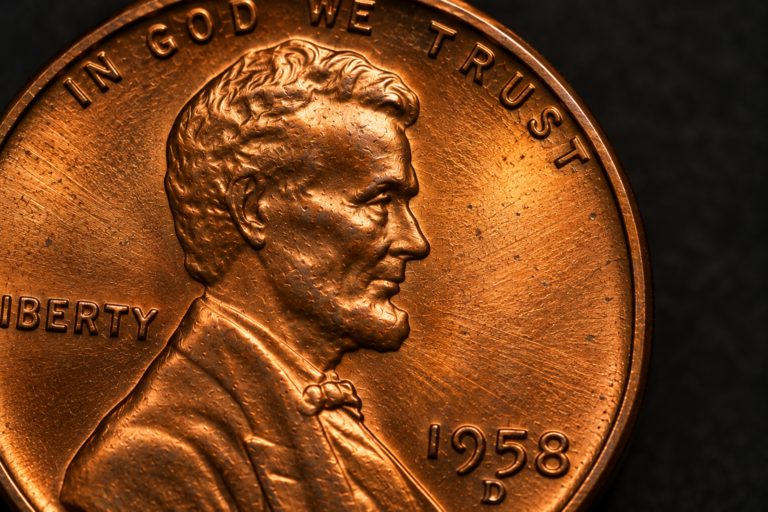
Every coin is shaped by relief. Portraits rise above the field. Lettering projects outward from the surface. Borders, symbols, and decorative elements all create subtle changes in elevation. These structures interact continuously with light, producing highlights and shadows that define what the eye sees.
Without light, these structures would be impossible to interpret. Without shadows, depth becomes difficult to perceive. Light is therefore not simply illumination. It is a tool that translates physical structure into visual information.
When light strikes a coin directly from above, many shadows disappear, causing details to look flatter and less defined. When the light arrives from the side, shadows lengthen and contrast increases, making the structure easier to understand.
Experts use this interaction deliberately because they know that structure is often more important than appearance.
Why rotation changes visibility
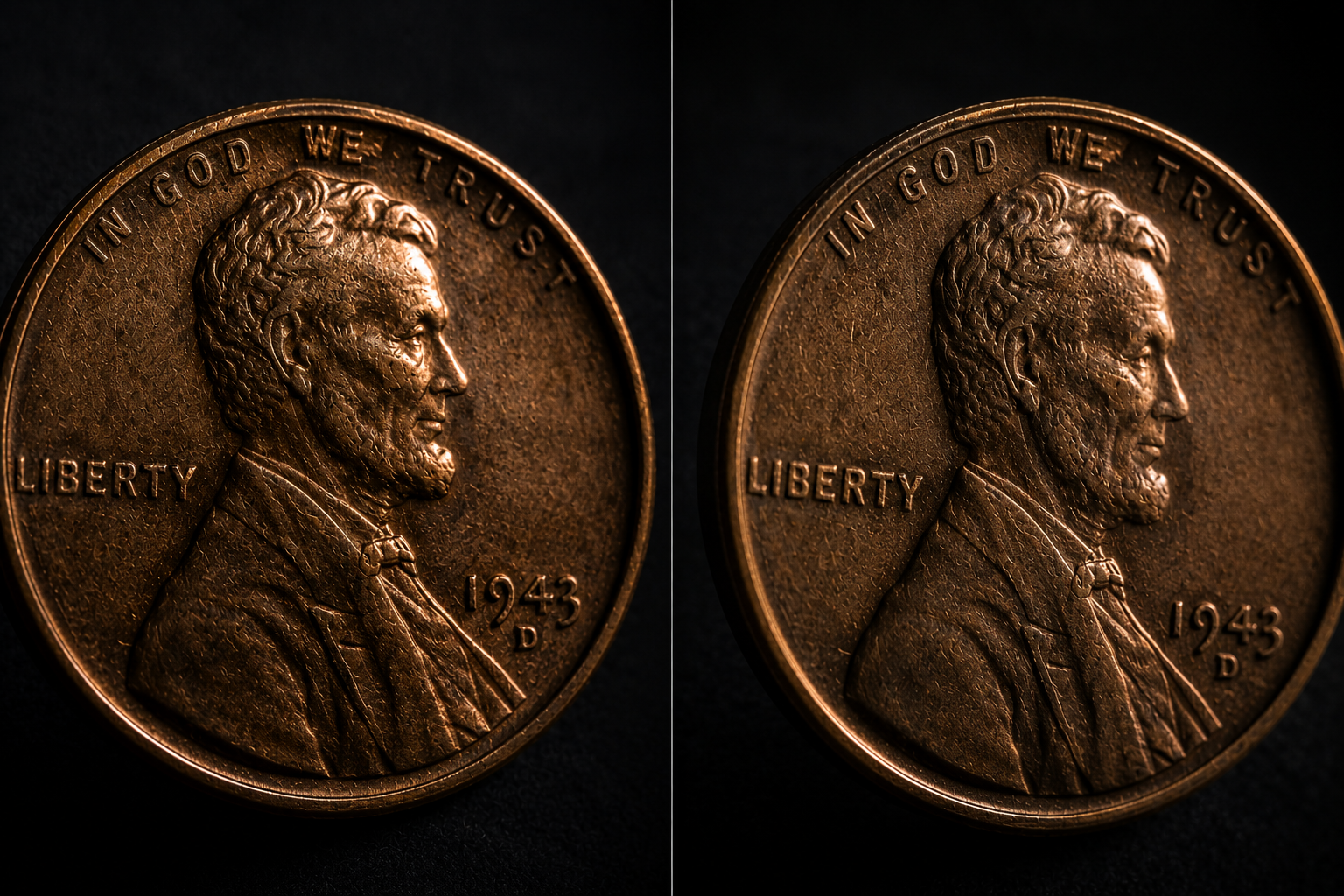
Rotation changes the relationship between the coin and the light source. As the coin moves, every raised and recessed feature begins interacting with light differently. Areas that previously reflected light may suddenly fall into shadow, while sections that were hidden become illuminated.
This creates an entirely new visual interpretation of the same object.
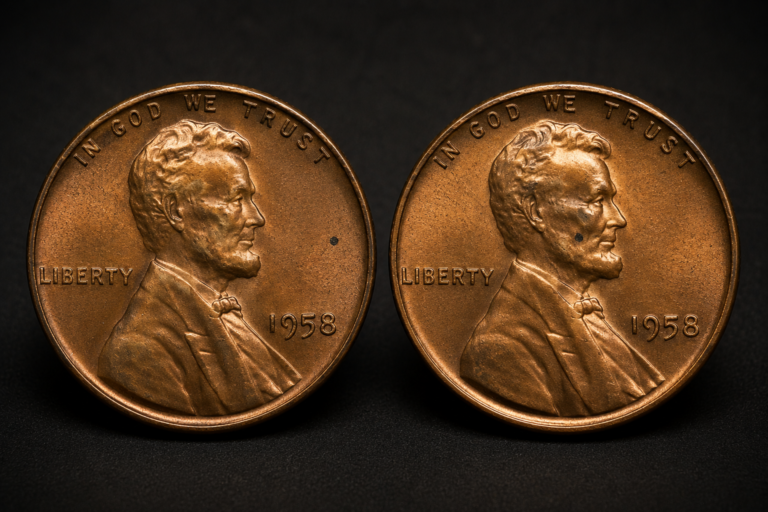
A detail that appears weak from one angle may become sharp and obvious from another. A smooth surface may suddenly reveal texture. A faint letter may become easier to distinguish. None of these changes occur because the coin itself changes. They occur because visibility changes.
This concept extends the ideas explored in how experts use light to see hidden coin details , where directional lighting reveals structure that ordinary viewing often hides.
Rotation simply takes this process one step further by allowing the observer to view the same structure through multiple lighting relationships instead of only one.
How shadows reveal hidden details
Shadows are often misunderstood because many people assume they obscure information, when in reality they frequently reveal it. A shadow defines the boundary between raised and recessed surfaces, helping the eye understand depth and structure.
When a coin is rotated beneath light, shadows begin moving across the design. As they move, they highlight different features. A shallow depression may become visible for a brief moment. A worn section may reveal its true shape. Fine engraving may suddenly stand out from the surrounding field.
Experts pay close attention to these temporary changes because they often reveal details that cannot be detected under static conditions.
This is one reason why experienced observers spend more time moving a coin than looking at it from a fixed position.
The importance of changing perspective
Human perception relies heavily on comparison. The brain understands structure more effectively when it sees change. A fixed image provides limited information, but a moving image provides contrast between multiple perspectives.
By rotating a coin, experts create a sequence of changing views rather than relying on a single observation. This allows them to compare highlights, shadows, reflections, and textures as they shift across the surface.
The result is a far more complete understanding of the coin.
Many of the misunderstandings discussed in why most people misunderstand coin details completely occur because observers form conclusions before examining multiple perspectives.
Experts avoid this mistake by treating observation as a dynamic process instead of a static one.
How experts detect wear through movement
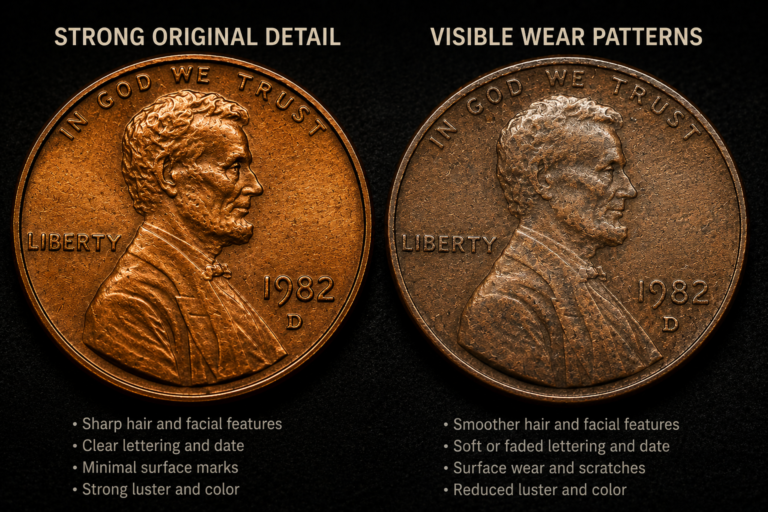
One of the most valuable benefits of rotating a coin beneath light is the ability to separate wear from original design features. Wear affects a coin gradually, reducing sharpness on the highest points first while leaving recessed areas relatively protected. Although this process sounds simple, it is often difficult to interpret correctly when the coin is viewed from only one angle.
As the coin rotates, the changing shadows expose how light interacts with different levels of the surface. Worn areas reflect light differently than preserved ones because their structure has been altered through circulation. A smooth worn section may appear almost invisible under one angle and become obvious under another.
This is why experienced observers rarely rely on a fixed view when evaluating surface condition.
The same principle supports the observations discussed in how to tell the difference between wear and design , where subtle changes in structure reveal whether a feature belongs to the original design or developed later through use.
Why texture becomes easier to understand
Texture is one of the most overlooked aspects of coin examination because it often appears uniform under normal viewing conditions. Yet texture contains valuable information about preservation, handling, circulation, and environmental exposure.
When a coin is rotated, light begins moving across tiny surface variations that would otherwise remain hidden. Small ridges, microscopic scratches, and subtle differences in finish become easier to recognize because their relationship with light changes continuously.
Experts use this process to understand how a coin has interacted with the world around it. A coin that spent years in circulation develops a different surface character than one that remained protected, and rotation helps make these differences visible.
What appears smooth from one angle may reveal remarkable complexity from another.
Why reflections can be misleading
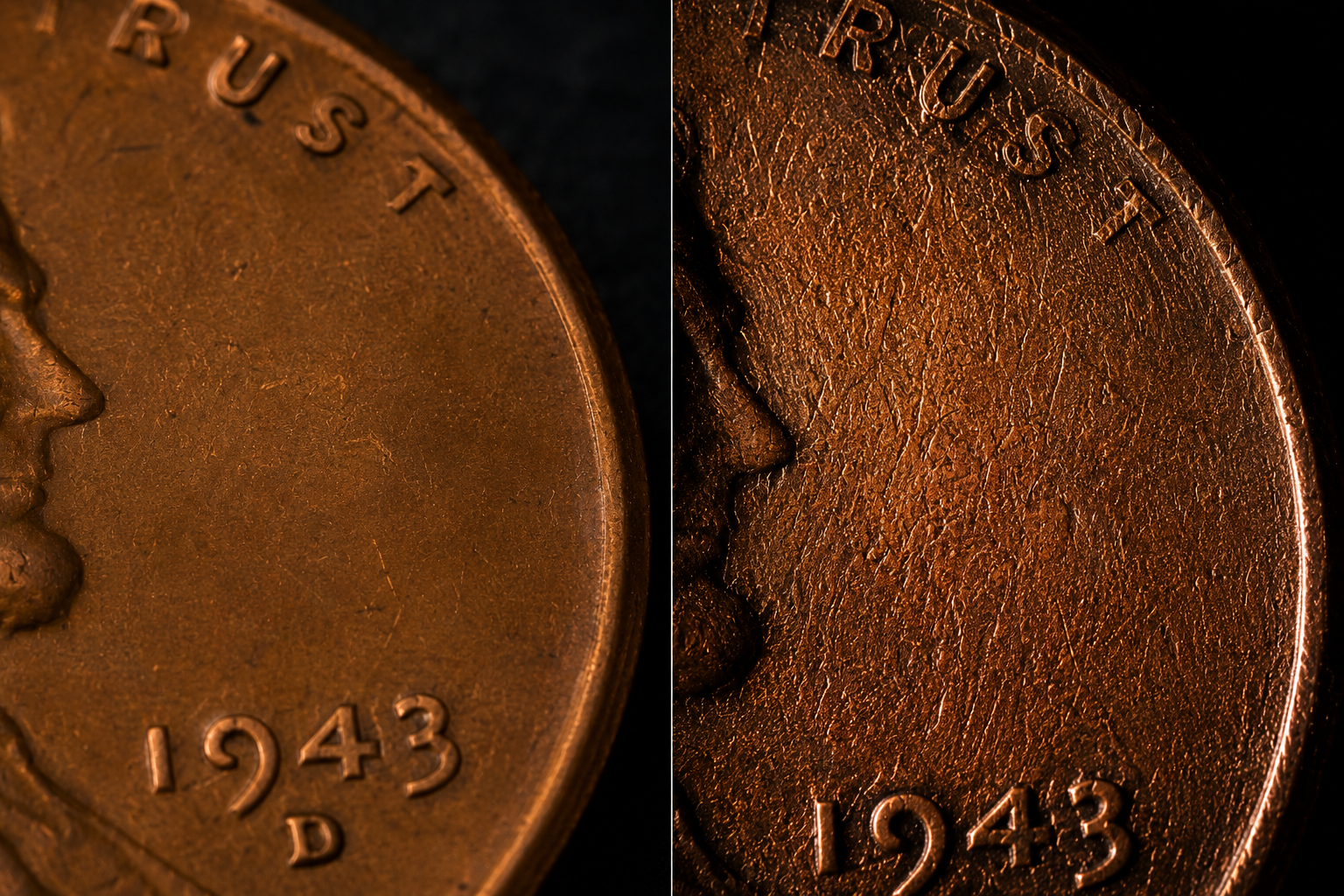
Reflections are another reason experts rotate coins constantly. Bright reflections can hide important details by overwhelming nearby texture and reducing visible contrast. A reflective area may appear smooth simply because the reflected light dominates the observer’s view.
By rotating the coin, experts move these reflections across the surface and observe what appears once the glare disappears. This technique helps reveal engraving, texture, and wear that might otherwise remain concealed beneath bright highlights.
Understanding reflections is important because coins are metallic objects, and metallic surfaces respond strongly to changing light conditions.
Rotation allows the observer to separate true surface characteristics from temporary optical effects.
Why movement improves interpretation
Observation is not simply about seeing details. It is about interpreting them correctly. A coin examined from multiple angles provides more information than a coin viewed from only one position because every new angle contributes additional context.
Experts understand that accurate interpretation depends on collecting as much visual information as possible before reaching a conclusion. Rotation allows them to gather that information efficiently.
Instead of asking what a coin looks like from a single angle, they ask how the coin behaves under changing conditions. This shift in thinking often leads to more accurate observations and fewer misunderstandings.
It also supports the surface-first approach explored in the first thing experts look at on any coin , where understanding the condition of the surface becomes more important than focusing immediately on dates or obvious design features.
Table of rotation effects
| Observation | Coin Fixed | Coin Rotated |
|---|---|---|
| Shadows | Limited | Dynamic |
| Texture | Partially visible | More visible |
| Wear patterns | Harder to identify | Easier to recognize |
| Lettering detail | Reduced contrast | Improved contrast |
| Surface depth | Flatter appearance | Greater depth perception |
| Reflections | Static glare | Controllable visibility |
Reality Check
Rotating a coin under light does not create new details. It simply reveals information that was already present but hidden by a limited viewing angle. The coin remains the same, while visibility changes.
“The coin never changes during observation. What changes is the amount of information your eyes are able to collect.”
Final Verdict
Experts rotate coins under light because observation depends on movement as much as visibility. A fixed coin provides only one version of the surface, while a rotating coin reveals multiple perspectives that expose texture, wear, depth, and hidden details.
By changing the relationship between the coin and the light source, experts gain access to information that remains invisible during static observation. This simple technique transforms coin examination from a quick glance into a deeper process of interpretation and understanding.
The more perspectives you explore, the more complete the story of the coin becomes.
FAQ
Why do experts rotate coins instead of keeping them still
Because rotation changes shadows and reflections, making hidden details easier to see.
Can rotating a coin reveal wear patterns
Yes. Changes in lighting often make worn and preserved areas easier to distinguish.
Does rotation change the coin itself
No. It only changes how light interacts with the surface, revealing information that may not be visible from a single angle.