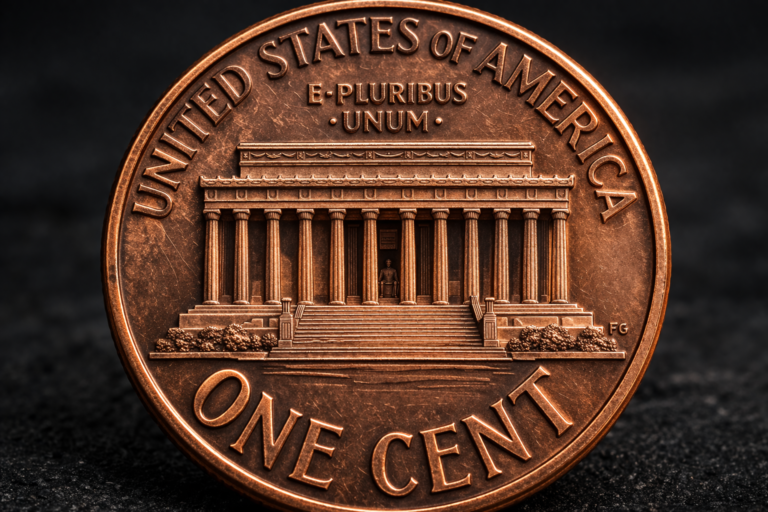
How to Tell the Difference Between Wear and Design
Estimated reading time: 17 minutes.
One of the biggest challenges when examining coins is understanding whether a missing detail was never part of the original design or whether it disappeared slowly through years of circulation and handling.
At first glance, these two situations can look almost identical, which is why many people mistake ordinary wear for something unusual, while others completely overlook important design characteristics because they assume the surface has simply faded away.
Learning to separate wear from design changes the way a coin is interpreted and helps transform observation into real understanding.
What this article explains
This article explains how to distinguish between normal wear and original coin design by studying surfaces, edges, texture, and preserved details.
- Why wear creates confusion
- How original design behaves differently
- Understanding high points and recessed areas
- Why edges reveal important clues
- How comparison improves accuracy
- Table of wear vs design clues
- Reality Check
- Final Verdict
- FAQ
Why wear creates confusion
Wear changes the appearance of a coin gradually, which makes it difficult for inexperienced observers to recognize what the coin originally looked like before circulation softened its details.
As a result, people often assume that faded elements must be defects or unusual variations when they are actually part of a predictable aging process.
This misunderstanding connects directly with the one mistake people make when looking at pennies .
How original design behaves differently
Original design details follow intentional structure and symmetry, meaning that lines, edges, and engraved areas were created with consistency from the beginning, while wear affects these details unevenly depending on how the coin was handled over time.
Understanding this difference allows the observer to recognize whether something belongs to the original design or whether it changed later through circulation.
Understanding high points and recessed areas
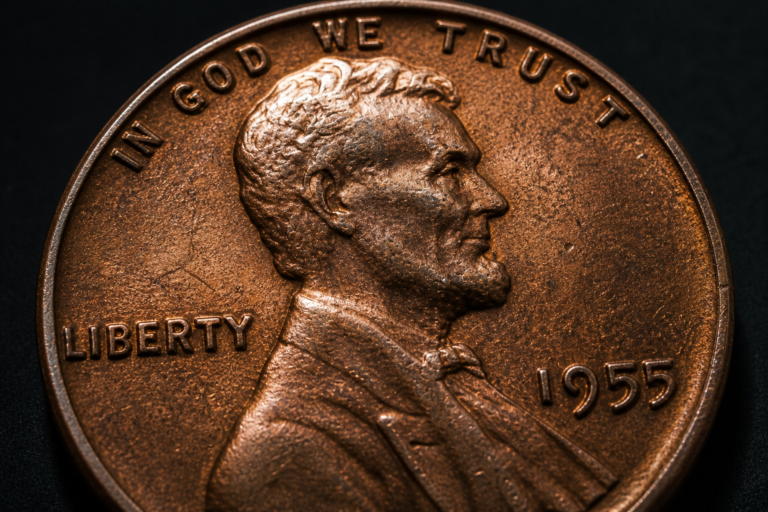
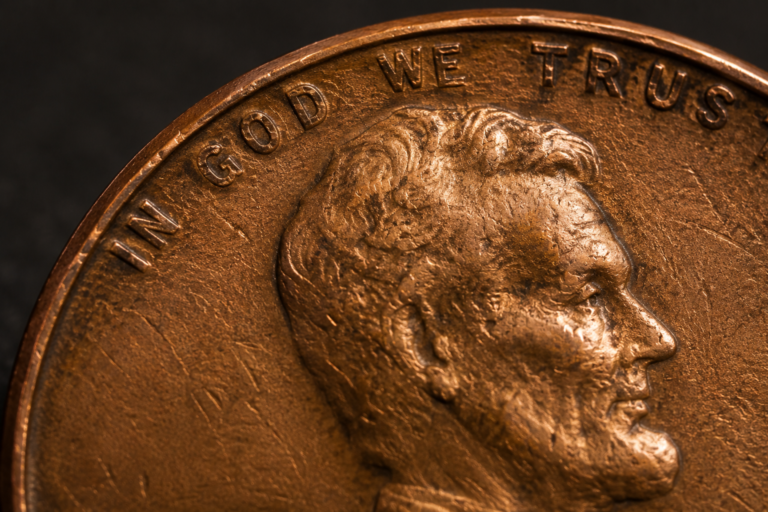
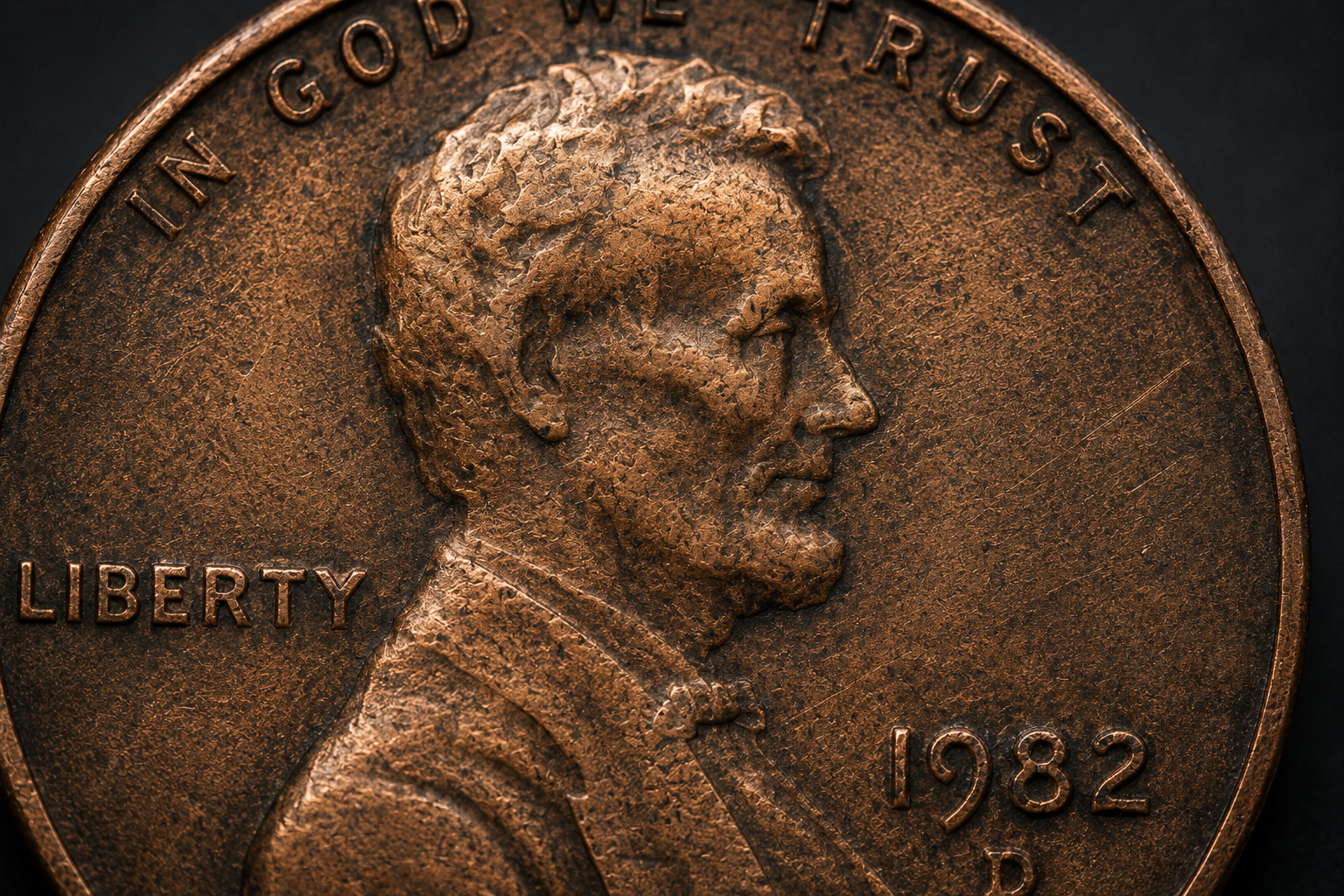
Wear affects the highest parts of a coin first because those areas receive the most contact during circulation, while recessed engraved sections remain protected longer and preserve their details more effectively.
This creates contrast between smooth and preserved areas, which becomes one of the clearest indicators of normal wear.
The same observational method was introduced earlier in the first thing experts look at on any coin .
Why edges reveal important clues
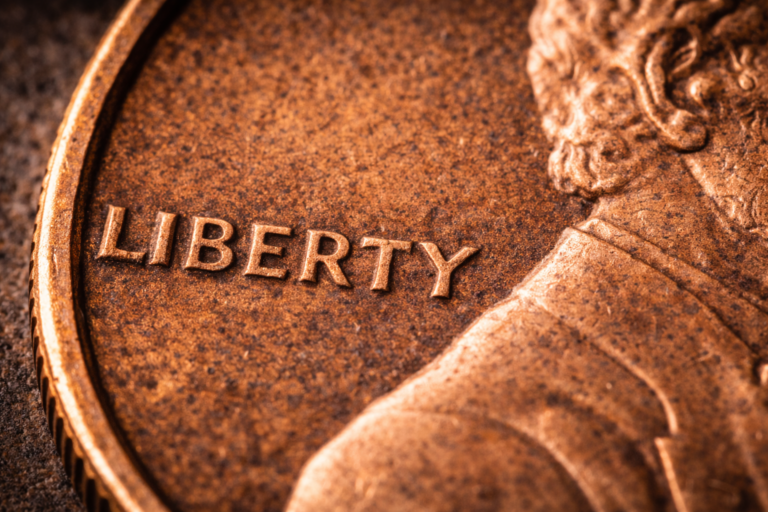
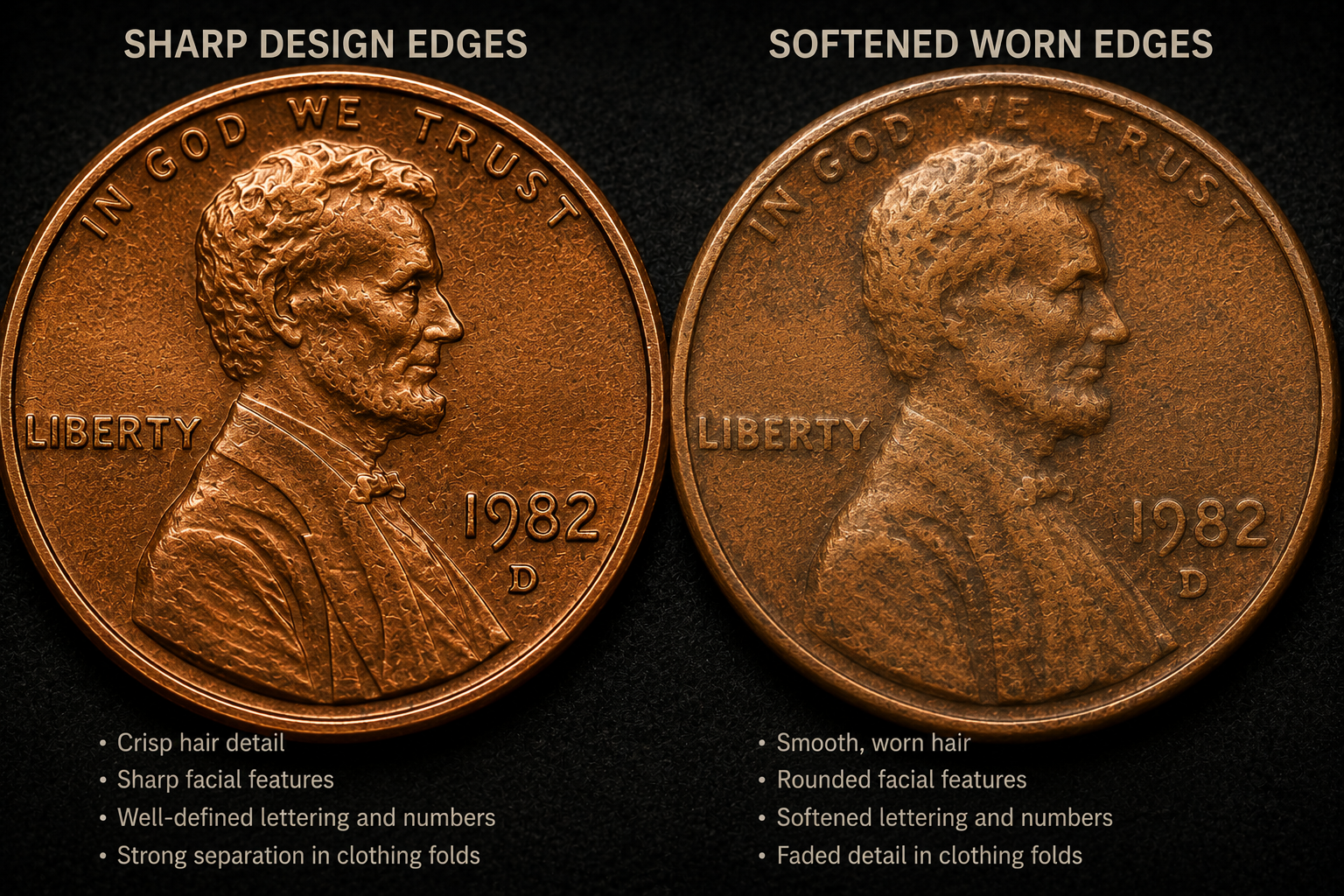
Edges are extremely useful when distinguishing wear from design because original design edges tend to remain structured and intentional, while worn edges gradually lose definition and become softer over time.
This is why experienced observers pay close attention to transitions between raised and recessed sections instead of focusing only on obvious visual features.
This approach also supports the ideas explored in why most people misunderstand coin details completely .
How comparison improves accuracy
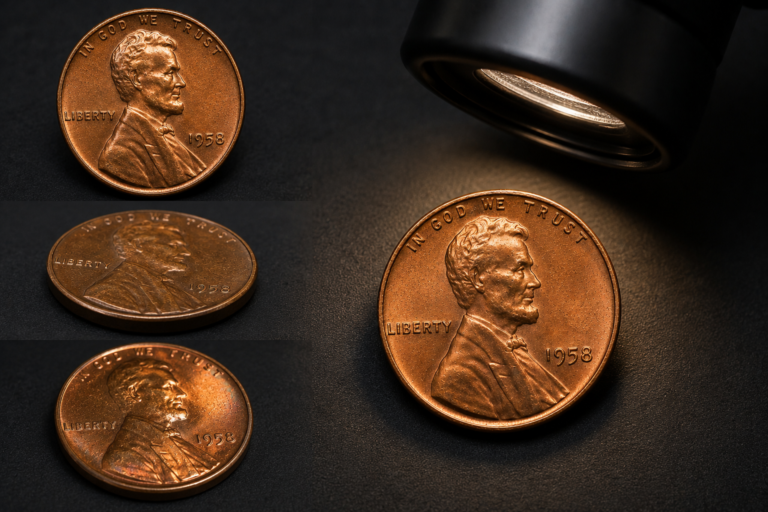
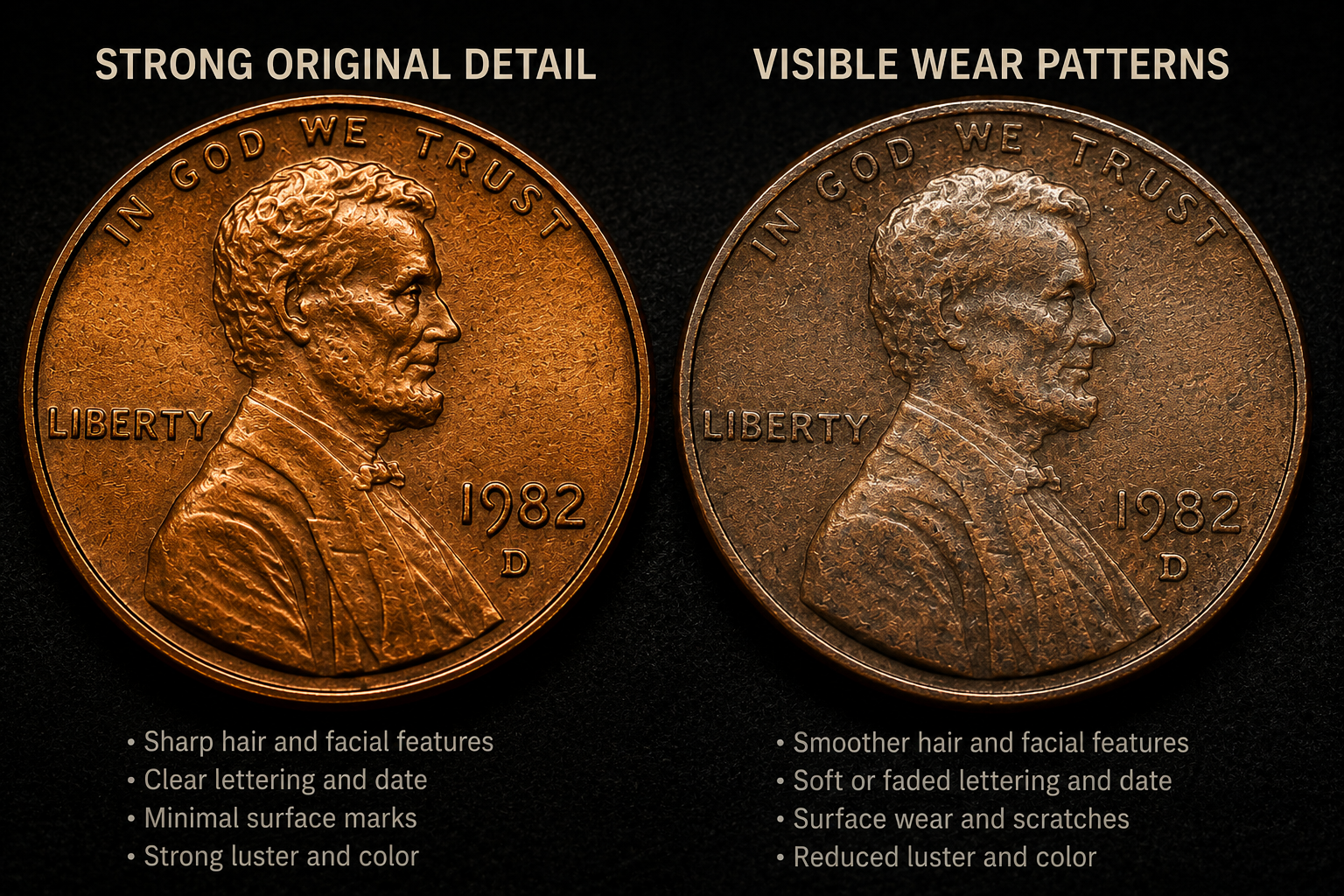
Comparing multiple coins side by side remains one of the most reliable ways to distinguish wear from design because repeated patterns become easier to identify when different stages of preservation are visible together.
A comparison immediately reveals which features belong to the original structure and which ones changed gradually over time.
This comparison technique also connects with how to read a coin step by step , where observation and comparison form the foundation of coin analysis.
Table of wear vs design clues
| Feature | Wear | Original Design |
|---|---|---|
| High points | Smooth | Sharp |
| Texture | Flattened | Detailed |
| Edges | Softened | Defined |
| Contrast | Reduced | Clear |
| Surface flow | Uneven | Structured |
Reality Check
Most details that appear unusual on circulated coins are often the result of wear rather than changes in the original design.
“Understanding wear is the key to understanding the coin itself.”
Final Verdict
The difference between wear and design becomes clear once observation shifts from quick impressions to careful analysis of surfaces, edges, and preserved details.
By learning these patterns, anyone can begin to interpret coins more accurately and avoid confusing normal aging with unusual features.
FAQ
Why is wear often confused with design
Because both affect the visible appearance of the coin in similar ways.
What part of the coin wears first
The highest raised areas usually wear down before recessed details.
How can comparison help
It reveals patterns that are difficult to notice on a single coin alone.